Toyota Sequoia vs Chevrolet Equinox EV
Overview | |
Listings120 | Listings1054 |
Ratings & Reviews | |
User Reviews | User Reviews |
Expert reviews6.8 out of 10 | Expert reviews6.5 out of 10 |
Pros
Cons
| Pros
Cons
|
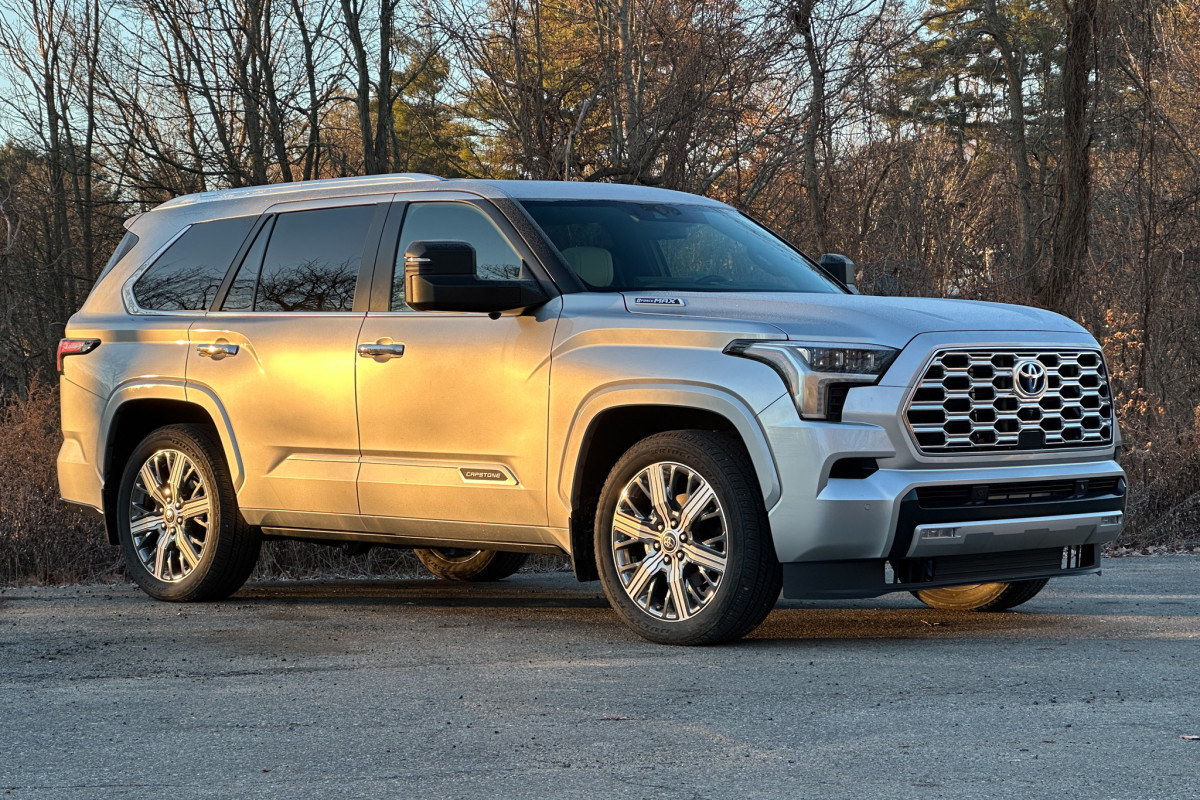
Reviews SummaryThe Toyota Sequoia’s hybrid system offers great power and makes it the most efficient vehicle in the class outside of expensive diesels, but it provides only minor efficiency gains. The hybrid system also cuts into cargo space, but it doesn’t prevent the Sequoia from doing what a body-on-frame SUV is meant to do: carrying up to eight passengers while towing a heavy load. Verdict: The Toyota Sequoia suffers from the same issues as all full-size body-on-frame SUVs — cumbersome handling, poor fuel economy, and hefty prices. However, its hybrid system makes it more efficient than gas-powered rivals, and it can still do all the work expected of these big brutes. It’s worth considering for anyone planning to tow a boat while carrying the family. Just avoid the optional tow mirrors. | |
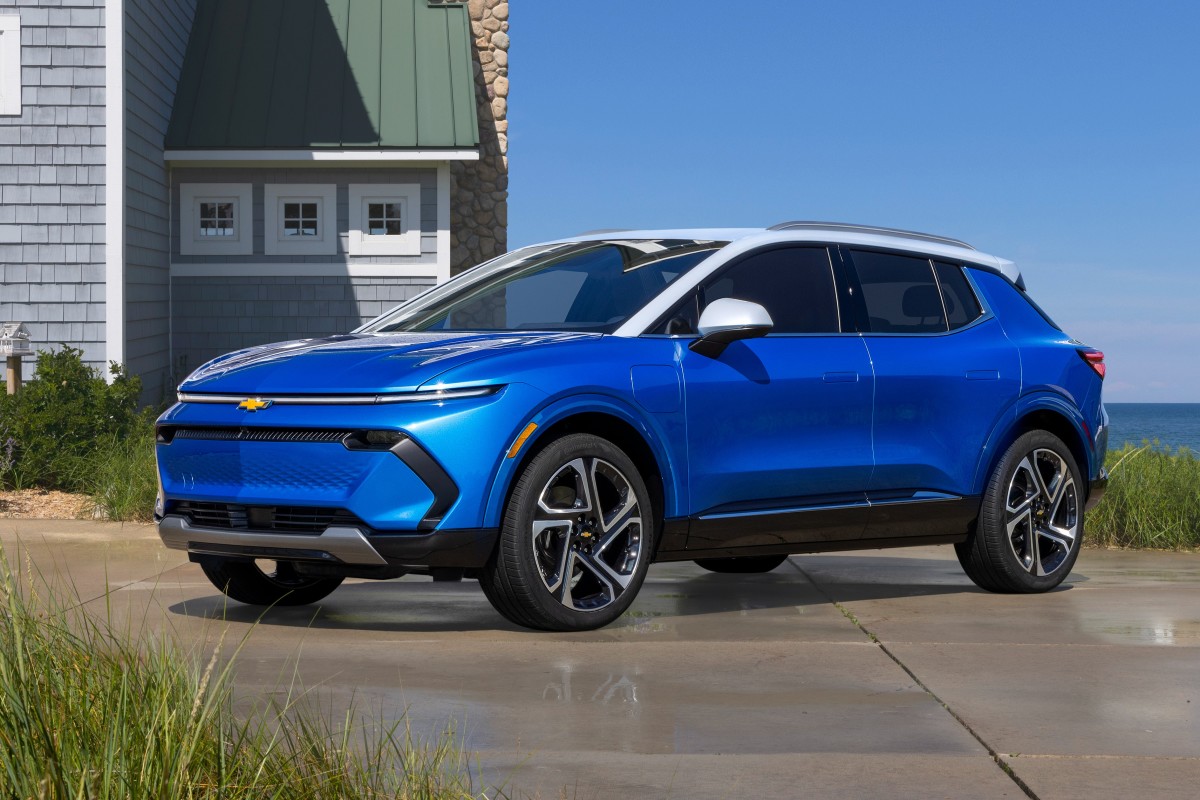
Reviews SummaryWhile the Chevrolet Equinox EV may not have the performance or pizzazz of some other electric vehicles, it concentrates on what really matters: price and range. With an available 500 kilometres plus on a single charge and a bottom line that competes against non-electric SUVs, it brings EV ownership within reach for many shoppers who were previously left out. Verdict: The Equinox EV’s combination of an affordable price and generous range makes it a standout value among electric vehicles. | |
No video found | No video found |
Popular Features & Specs | |
Engine3.4L 437 hp V6 Hybrid | Engine220 hp Electric |
Drivetrain4X2 | DrivetrainFWD |
Seating Capacity8 | Seating Capacity5 |
Horsepower437 hp @ 5200 rpm | Horsepower |
EV Battery Capacity1.9 kWh | EV Battery Capacity85 kWh |
Fuel Economy (City)11.2 L(e)/100 km | Fuel Economy (City)2.0 L(e)/100 km |
Fuel Economy (Highway)9.8 L(e)/100 km | Fuel Economy (Highway)2.4 L(e)/100 km |
Battery Charge Time (240V) | Battery Charge Time (240V)9.5 hours |
Engine | |
Engine Name3.4L 437 hp V6 Hybrid | Engine Name220 hp Electric |
Torque583 lb-ft @ 2400 rpm | Torque |
Horsepower437 hp @ 5200 rpm | Horsepower |
Battery Charge Time (240V) | Battery Charge Time (240V)9.5 hours |
Drivetrain4X2 | DrivetrainFWD |
Fuel Economy | |
EV Battery Capacity1.9 kWh | EV Battery Capacity85 kWh |
Fuel Economy (City)11.2 L(e)/100 km | Fuel Economy (City)2.0 L(e)/100 km |
Fuel Economy (Highway)9.8 L(e)/100 km | Fuel Economy (Highway)2.4 L(e)/100 km |
Interior | |
Seating Capacity8 | Seating Capacity5 |
Key Features | |
Navigation System | Navigation SystemStandard |
Sunroof/MoonroofStandard | Sunroof/Moonroof |
Safety | |
Front Crash Overall | Front Crash Overall5 |
Side Crash Overall | Side Crash Overall5 |
Dimensions & Capacity | |
Cargo Space631 L | Cargo Space748 L |
Curb Weight2556 kg | Curb Weight2245 kg |
Height1892 mm | Height1646 mm |
Length5286 mm | Length4841 mm |
Width2022 mm | Width2156 mm |
Wheelbase3099 mm | Wheelbase2954 mm |
Maximum Payload785 kg | Maximum Payload503 kg |
Number of doors4 | Number of doors4 |
Maximum Towing Capacity4309 kg | Maximum Towing Capacity680 kg |
Standard Towing Capacity4309 kg | Standard Towing Capacity |
Overview | ||
Listings | ||
Ratings & Reviews | ||
User reviews | ||
Expert reviews | 6.8 out of 10Read full review | 6.5 out of 10Read full review |
Pros & cons | Pros
Cons
| Pros
Cons
|
Summary | The Toyota Sequoia’s hybrid system offers great power and makes it the most efficient vehicle in the class outside of expensive diesels, but it provides only minor efficiency gains. The hybrid system also cuts into cargo space, but it doesn’t prevent the Sequoia from doing what a body-on-frame SUV is meant to do: carrying up to eight passengers while towing a heavy load. Verdict: The Toyota Sequoia suffers from the same issues as all full-size body-on-frame SUVs — cumbersome handling, poor fuel economy, and hefty prices. However, its hybrid system makes it more efficient than gas-powered rivals, and it can still do all the work expected of these big brutes. It’s worth considering for anyone planning to tow a boat while carrying the family. Just avoid the optional tow mirrors. | While the Chevrolet Equinox EV may not have the performance or pizzazz of some other electric vehicles, it concentrates on what really matters: price and range. With an available 500 kilometres plus on a single charge and a bottom line that competes against non-electric SUVs, it brings EV ownership within reach for many shoppers who were previously left out. Verdict: The Equinox EV’s combination of an affordable price and generous range makes it a standout value among electric vehicles. |
Video | No video found | No video found |
Popular Features & Specs | ||
Engine | 3.4L 437 hp V6 Hybrid | 220 hp Electric |
Drivetrain | 4X2 | FWD |
Seating Capacity | 8 | 5 |
Horsepower | 437 hp @ 5200 rpm | |
EV Battery Capacity | 1.9 kWh | 85 kWh |
Fuel Economy (City) | 11.2 L(e)/100 km | 2.0 L(e)/100 km |
Fuel Economy (Highway) | 9.8 L(e)/100 km | 2.4 L(e)/100 km |
Battery Charge Time (240V) | 9.5 hours | |
Engine | ||
Engine Name | 3.4L 437 hp V6 Hybrid | 220 hp Electric |
Torque | 583 lb-ft @ 2400 rpm | |
Horsepower | 437 hp @ 5200 rpm | |
Battery Charge Time (240V) | 9.5 hours | |
Drivetrain | 4X2 | FWD |
Fuel Economy | ||
EV Battery Capacity | 1.9 kWh | 85 kWh |
Fuel Economy (City) | 11.2 L(e)/100 km | 2.0 L(e)/100 km |
Fuel Economy (Highway) | 9.8 L(e)/100 km | 2.4 L(e)/100 km |
Interior | ||
Seating Capacity | 8 | 5 |
Key Features | ||
Navigation System | Standard | |
Sunroof/Moonroof | Standard | |
Safety | ||
Front Crash Overall | 5 | |
Side Crash Overall | 5 | |
Dimensions & Capacity | ||
Cargo Space | 631 L | 748 L |
Curb Weight | 2556 kg | 2245 kg |
Height | 1892 mm | 1646 mm |
Length | 5286 mm | 4841 mm |
Width | 2022 mm | 2156 mm |
Wheelbase | 3099 mm | 2954 mm |
Maximum Payload | 785 kg | 503 kg |
Number of doors | 4 | 4 |
Maximum Towing Capacity | 4309 kg | 680 kg |
Standard Towing Capacity | 4309 kg | |
2026 Toyota Sequoia for Sale



2025 Chevrolet Equinox EV for Sale


By: CarGurus + AI
At CarGurus, our team of experienced automotive writers remain at the heart of our content operation, conducting hands-on car tests and writing insightful guides that are backed by years of industry experience. To complement this, we are harnessing AI to make our content offering more diverse and more helpful to shoppers than ever. To achieve this, our AI systems are based exclusively on CarGurus content, ratings and data, so that what we produce is both unique to CarGurus, and uniquely helpful to car shoppers.
