2026 Toyota Sequoia vs 2026 Toyota 4Runner
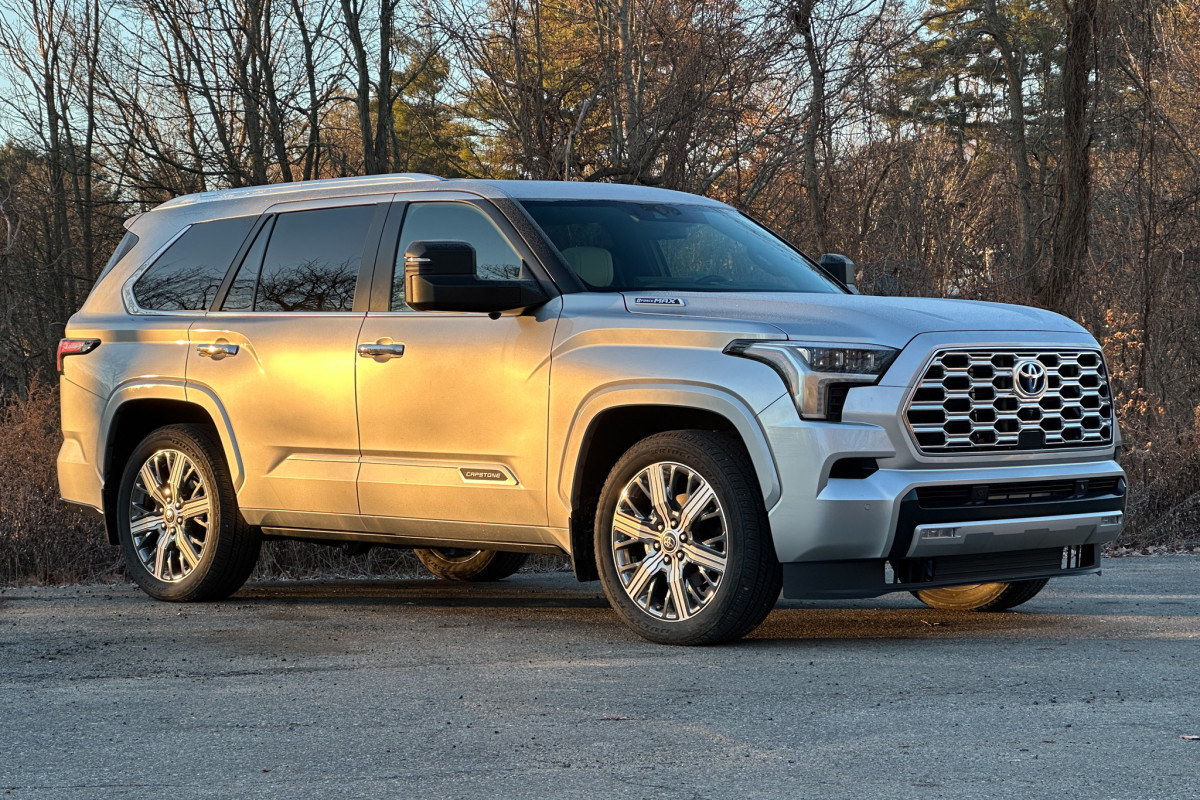
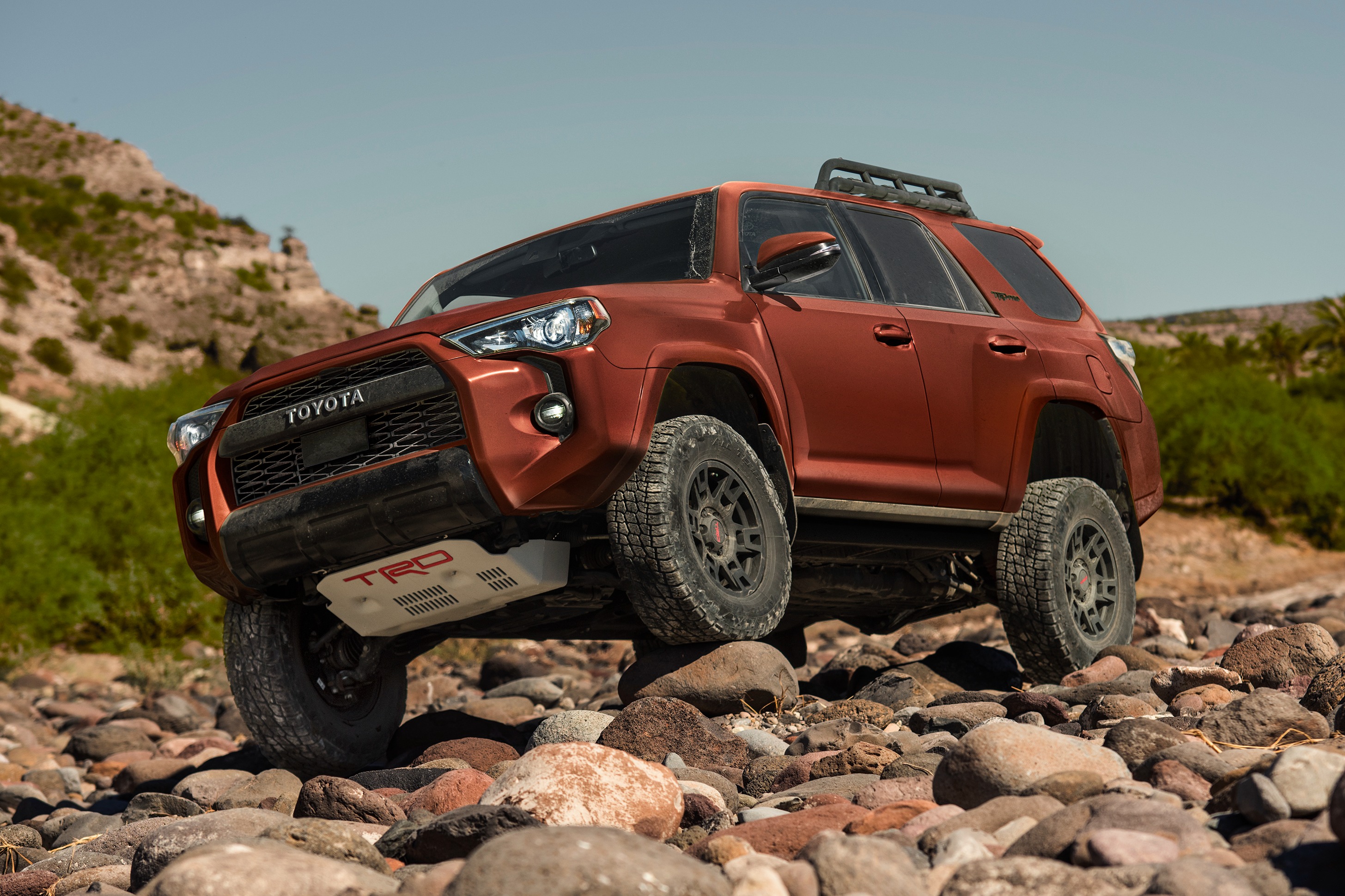
Overview | |
MSRP$65,725 | MSRP$42,270 |
Listings59 | Listings213 |
Ratings & Reviews | |
User Reviews | User Reviews |
Expert reviews | Expert reviews6.7 out of 10 |
Pros
Cons
| |
2026 Toyota Sequoia Reviews Summary | |
2026 Toyota 4Runner Reviews SummaryShoppers looking for an old-school SUV should be careful what they wish for. The Toyota 4Runner compromises passenger comfort and interior space to make it one of the better off-roaders on the market. It’s offered as a hybrid, but fuel economy is never as good as in typical crossover SUVs, which will be more comfortable and more affordable. That makes mainstream crossovers better choices for most. But for those who want adventure while carrying passengers, the 4Runner makes sense. Verdict: The 4Runner’s closest rivals are the Jeep Wrangler and Ford Bronco. Compared to them, the 4Runner can carry more passengers and offers better fuel economy thanks to an available hybrid powertrain. If adventure is a priority, the 4Runner is a great choice. But those who want a five- or seven-passenger SUV for daily family duty would be better off with a crossover. | |
No video found | No video found |
Popular Features & Specs | |
Engine3.4L 437 hp V6 Hybrid | Engine |
Drivetrain4X2 | Drivetrain |
Seating Capacity8 | Seating Capacity7 |
Horsepower437 hp @ 5200 rpm | Horsepower |
EV Battery Capacity1.9 kWh | EV Battery Capacity |
MPG City21 | MPG City |
MPG Highway24 | MPG Highway |
Engine | |
Engine Name3.4L 437 hp V6 Hybrid | Engine Name2.4L 278 hp I4 |
Torque583 lb-ft @ 2400 rpm | Torque317 lb-ft @ 1700 rpm |
Horsepower437 hp @ 5200 rpm | Horsepower278 hp @ 6000 rpm |
Drivetrain4X2 | Drivetrain4X2 |
Fuel Economy | |
EV Battery Capacity1.9 kWh | EV Battery Capacity |
MPG City21 | MPG City |
MPG Highway24 | MPG Highway |
Interior | |
Seating Capacity8 | Seating Capacity7 |
Key Features | |
Sunroof/MoonroofStandard | Sunroof/Moonroof |
Safety | |
Front Crash Overall | Front Crash Overall4 |
Side Crash Overall | Side Crash Overall5 |
Dimensions & Capacity | |
Cargo Space22.3 cu ft | Cargo Space48.4 cu ft |
Curb Weight5635 lbs | Curb Weight4455 lbs |
Height74.5 in | Height72.6 in |
Length208.1 in | Length194.9 in |
Width79.6 in | Width78.0 in |
Wheelbase122.0 in | Wheelbase112.2 in |
Maximum Payload1730 lbs | Maximum Payload895 lbs |
Number of doors4 | Number of doors4 |
Maximum Towing Capacity9500 lbs | Maximum Towing Capacity6000 lbs |
Standard Towing Capacity9500 lbs | Standard Towing Capacity6000 lbs |
Overview | ||
MSRP | $65,725 | $42,270 |
Listings | ||
Ratings & Reviews | ||
User reviews | ||
Expert reviews | 6.7 out of 10Read full review | |
Pros & cons | Pros
Cons
| |
Summary | Shoppers looking for an old-school SUV should be careful what they wish for. The Toyota 4Runner compromises passenger comfort and interior space to make it one of the better off-roaders on the market. It’s offered as a hybrid, but fuel economy is never as good as in typical crossover SUVs, which will be more comfortable and more affordable. That makes mainstream crossovers better choices for most. But for those who want adventure while carrying passengers, the 4Runner makes sense. Verdict: The 4Runner’s closest rivals are the Jeep Wrangler and Ford Bronco. Compared to them, the 4Runner can carry more passengers and offers better fuel economy thanks to an available hybrid powertrain. If adventure is a priority, the 4Runner is a great choice. But those who want a five- or seven-passenger SUV for daily family duty would be better off with a crossover. | |
Video | No video found | No video found |
Popular Features & Specs | ||
Engine | 3.4L 437 hp V6 Hybrid | |
Drivetrain | 4X2 | |
Seating Capacity | 8 | 7 |
Horsepower | 437 hp @ 5200 rpm | |
EV Battery Capacity | 1.9 kWh | |
MPG City | 21 | |
MPG Highway | 24 | |
Engine | ||
Engine Name | 3.4L 437 hp V6 Hybrid | 2.4L 278 hp I4 |
Torque | 583 lb-ft @ 2400 rpm | 317 lb-ft @ 1700 rpm |
Horsepower | 437 hp @ 5200 rpm | 278 hp @ 6000 rpm |
Drivetrain | 4X2 | 4X2 |
Fuel Economy | ||
EV Battery Capacity | 1.9 kWh | |
MPG City | 21 | |
MPG Highway | 24 | |
Interior | ||
Seating Capacity | 8 | 7 |
Key Features | ||
Sunroof/Moonroof | Standard | |
Safety | ||
Front Crash Overall | 4 | |
Side Crash Overall | 5 | |
Dimensions & Capacity | ||
Cargo Space | 22.3 cu ft | 48.4 cu ft |
Curb Weight | 5635 lbs | 4455 lbs |
Height | 74.5 in | 72.6 in |
Length | 208.1 in | 194.9 in |
Width | 79.6 in | 78.0 in |
Wheelbase | 122.0 in | 112.2 in |
Maximum Payload | 1730 lbs | 895 lbs |
Number of doors | 4 | 4 |
Maximum Towing Capacity | 9500 lbs | 6000 lbs |
Standard Towing Capacity | 9500 lbs | 6000 lbs |


By: CarGurus + AI
At CarGurus, our team of experienced automotive writers remain at the heart of our content operation, conducting hands-on car tests and writing insightful guides that are backed by years of industry experience. To complement this, we are harnessing AI to make our content offering more diverse and more helpful to shoppers than ever. To achieve this, our AI systems are based exclusively on CarGurus content, ratings and data, so that what we produce is both unique to CarGurus, and uniquely helpful to car shoppers.
