2026 Hyundai VENUE vs 2026 Toyota Sienna

Overview | |
Listings1240 | Listings611 |
Ratings & Reviews | |
User Reviews | User Reviews |
Expert reviews5.3 out of 10 | Expert reviews6.5 out of 10 |
Pros
Cons
| Pros
Cons
|
2026 Hyundai VENUE Reviews SummaryAutomakers have traditionally had a hard time making money on entry-level subcompact cars because they have low profit margins. But North America has largely moved away from cars to crossover SUVs — and higher prices. That allows car companies to offer an entry-level subcompact SUV for thousands more than a similar sedan or hatchback. Such is the case with the Hyundai Venue, which costs more than its predecessor, the subcompact Accent that was dropped in Canada after the 2020 model year. While the price is higher, the advantage for buyers is a vehicle that generally has more cargo space and is more practical. We recently drove the 2026 Hyundai Venue to find out if a subcompact crossover is a better buy than a cheaper subcompact car. Verdict: The Hyundai Venue sacrifices refinement for a price point that isn’t as low as a comparable subcompact car. We’d be tempted to spend a little more for a slightly larger compact car with more power, features, and refinement. | |
2026 Toyota Sienna Reviews SummaryWith power sliding side doors, three rows of comfortable seats, and plenty of expandable cargo room, the 2026 Sienna checks off the minivan must-haves — even though its maximum cargo room pales in comparison to other minivans. It offers standard hybrid power, too, accompanied by the best-in-class fuel economy for a minivan. There's even an available all-wheel-drive (AWD) system that adds extra traction in the winter. Verdict: The 2026 Toyota Sienna’s safety ratings are a concern, but rivals don’t offer significantly better overall performance in this area. So, if shoppers want a fuel-efficient minivan equipped with AWD, here it is. | |
No video found | No video found |
Popular Features & Specs | |
Seating Capacity5 | Seating Capacity8 |
EV Battery Capacity | EV Battery Capacity1.9 kWh |
Fuel Economy | |
EV Battery Capacity | EV Battery Capacity1.9 kWh |
Interior | |
Seating Capacity5 | Seating Capacity8 |
Safety | |
Front Crash Overall4 | Front Crash Overall4 |
Side Crash Overall5 | Side Crash Overall5 |
Dimensions & Capacity | |
Cargo Space530 L | Cargo Space949 L |
Curb Weight1185 kg | Curb Weight2091 kg |
Height1565 mm | Height1740 mm |
Length4041 mm | Length5174 mm |
Width1770 mm | Width1994 mm |
Wheelbase2520 mm | Wheelbase3061 mm |
Maximum Payload525 kg | Maximum Payload708 kg |
Number of doors4 | Number of doors4 |
Maximum Towing Capacity | Maximum Towing Capacity1588 kg |
Overview | ||
Listings | ||
Ratings & Reviews | ||
User reviews | ||
Expert reviews | 5.3 out of 10Read full review | 6.5 out of 10Read full review |
Pros & cons | Pros
Cons
| Pros
Cons
|
Summary | Automakers have traditionally had a hard time making money on entry-level subcompact cars because they have low profit margins. But North America has largely moved away from cars to crossover SUVs — and higher prices. That allows car companies to offer an entry-level subcompact SUV for thousands more than a similar sedan or hatchback. Such is the case with the Hyundai Venue, which costs more than its predecessor, the subcompact Accent that was dropped in Canada after the 2020 model year. While the price is higher, the advantage for buyers is a vehicle that generally has more cargo space and is more practical. We recently drove the 2026 Hyundai Venue to find out if a subcompact crossover is a better buy than a cheaper subcompact car. Verdict: The Hyundai Venue sacrifices refinement for a price point that isn’t as low as a comparable subcompact car. We’d be tempted to spend a little more for a slightly larger compact car with more power, features, and refinement. | With power sliding side doors, three rows of comfortable seats, and plenty of expandable cargo room, the 2026 Sienna checks off the minivan must-haves — even though its maximum cargo room pales in comparison to other minivans. It offers standard hybrid power, too, accompanied by the best-in-class fuel economy for a minivan. There's even an available all-wheel-drive (AWD) system that adds extra traction in the winter. Verdict: The 2026 Toyota Sienna’s safety ratings are a concern, but rivals don’t offer significantly better overall performance in this area. So, if shoppers want a fuel-efficient minivan equipped with AWD, here it is. |
Video | No video found | No video found |
Popular Features & Specs | ||
Seating Capacity | 5 | 8 |
EV Battery Capacity | 1.9 kWh | |
Fuel Economy | ||
EV Battery Capacity | 1.9 kWh | |
Interior | ||
Seating Capacity | 5 | 8 |
Safety | ||
Front Crash Overall | 4 | 4 |
Side Crash Overall | 5 | 5 |
Dimensions & Capacity | ||
Cargo Space | 530 L | 949 L |
Curb Weight | 1185 kg | 2091 kg |
Height | 1565 mm | 1740 mm |
Length | 4041 mm | 5174 mm |
Width | 1770 mm | 1994 mm |
Wheelbase | 2520 mm | 3061 mm |
Maximum Payload | 525 kg | 708 kg |
Number of doors | 4 | 4 |
Maximum Towing Capacity | 1588 kg | |
The 2026 Hyundai Venue was classified as a crossover SUV, though its design leaned more towards a tall hatchback. It featured only front-wheel drive and had a ground clearance of 17 centimetres, which was higher than a typical car but not as elevated as a standard crossover SUV. The Venue's design was compact and narrow, reminiscent of European runabouts. Its upright windshield and bluff nose gave it an SUV-like appearance, complemented by lower headlights, high-set daytime running lights, and roof rails. The Venue's interior was simple and functional, with a digital instrument cluster adding a modern touch, though the small touchscreen felt like an afterthought.
In contrast, the 2026 Toyota Sienna was available in several trims in Canada, including LE, XLE, XSE, and Limited, with prices ranging from $52,350 to $74,148. The Sienna's exterior colour options were limited to shades of white, black, grey, red, and blue. Inside, the Sienna offered more variety with Macadamia and Grey upholstery. However, the interior was marred by cheap plastic materials, and the shifter and glove compartment felt flimsy. Despite these drawbacks, the Sienna's driving experience was more akin to a crossover SUV, with a wide and low dashboard and a spacious centre console.
The 2026 Hyundai Venue was powered by a naturally aspirated 1.6-litre four-cylinder engine, producing a modest 121 horsepower and 113 pound-feet of torque. This power was delivered through a continuously variable transmission (CVT) to the front wheels, with no all-wheel drive option. The Venue's acceleration was sluggish, with a 0-100 km/h time between 8.5 and 8.8 seconds, but its lightweight of 1,251 kilograms helped it feel peppy in city traffic. However, highway driving revealed the limitations of its power, with the transmission struggling to provide quick acceleration. Handling was stable and direct, aided by its small size and low weight, though the ride could be jiggly on uneven surfaces.
The 2026 Toyota Sienna, on the other hand, was equipped with a hybrid powertrain consisting of a 2.5-litre four-cylinder gas engine, a nickel-metal hydride battery pack, and an electric motor. This setup delivered 245 horsepower, which was adequate for urban driving but lacked the power for confident highway passing or climbing steep grades. The Sienna's fuel efficiency was commendable, with an AWD model consuming 6.8 litres per 100 kilometres combined, though real-world testing showed slightly higher consumption. The Sienna's ride was smooth, and its handling predictable, but the driving experience was uninspiring. The brake pedal feel was a notable issue, requiring significant effort to modulate.
The 2026 Hyundai Venue offered cloth and synthetic leather seats with manual adjustments, providing decent comfort and support. Front seat heating was standard, but legroom was limited for taller occupants. The rear seat could accommodate average-sized adults, but space was tight for taller passengers. The Venue's cargo space was modest, with 528 litres available when the rear seats were folded flat. The interior featured hard black plastic surfaces, with limited soft-touch materials.
The 2026 Toyota Sienna excelled in practicality, with features like a four-zone climate control system and power sliding doors. The optional "super-long-slide" second-row captain's chairs provided comfort but limited third-row usability. The third-row seat offered decent space, though the small rear windows and dark interior made it feel cramped. The Sienna's cargo space was generous, with a deep storage well behind the third row and a maximum capacity of 2,860 litres. However, the second-row seats were not removable, limiting flexibility compared to other minivans.
The 2026 Hyundai Venue came with an 8-inch touchscreen for basic infotainment functions, including wireless Apple CarPlay and Android Auto. While it lacked features like navigation and SiriusXM satellite radio, it offered a wireless charging pad as standard. The audio system was a basic six-speaker unit, sufficient for casual listening but lacking in sound quality.
The 2026 Toyota Sienna featured an 8-inch infotainment touchscreen and a 7-inch partially digital instrument panel as standard, with larger screens available on higher trims. It included wireless Apple CarPlay and Android Auto, SiriusXM satellite radio, and multiple connected service plans. Higher trims offered a 12-speaker JBL premium sound system and additional features like an onboard vacuum and refrigerated box. The Toyota Audio Multimedia system had visibility issues in daylight, but the optional voice recognition system performed well.
The 2026 Hyundai Venue was equipped with a solid set of standard safety features, including forward collision warning, automatic emergency braking, lane keep assist, and a driver attention monitor. However, it lacked adaptive cruise control. The Venue received a four-star safety rating from the NHTSA and had mixed results from the IIHS, with some tests still pending.
The 2026 Toyota Sienna featured Toyota Safety Sense 2.0, offering a comprehensive suite of safety features such as adaptive cruise control, lane departure warning, and automatic emergency braking. It also included blind spot monitoring and rear cross-traffic alert. The Sienna's safety ratings were mixed, with a five-star overall rating from the NHTSA but lower scores in specific tests. It did not qualify for a Top Safety Pick award from the IIHS.
CarGurus highlights
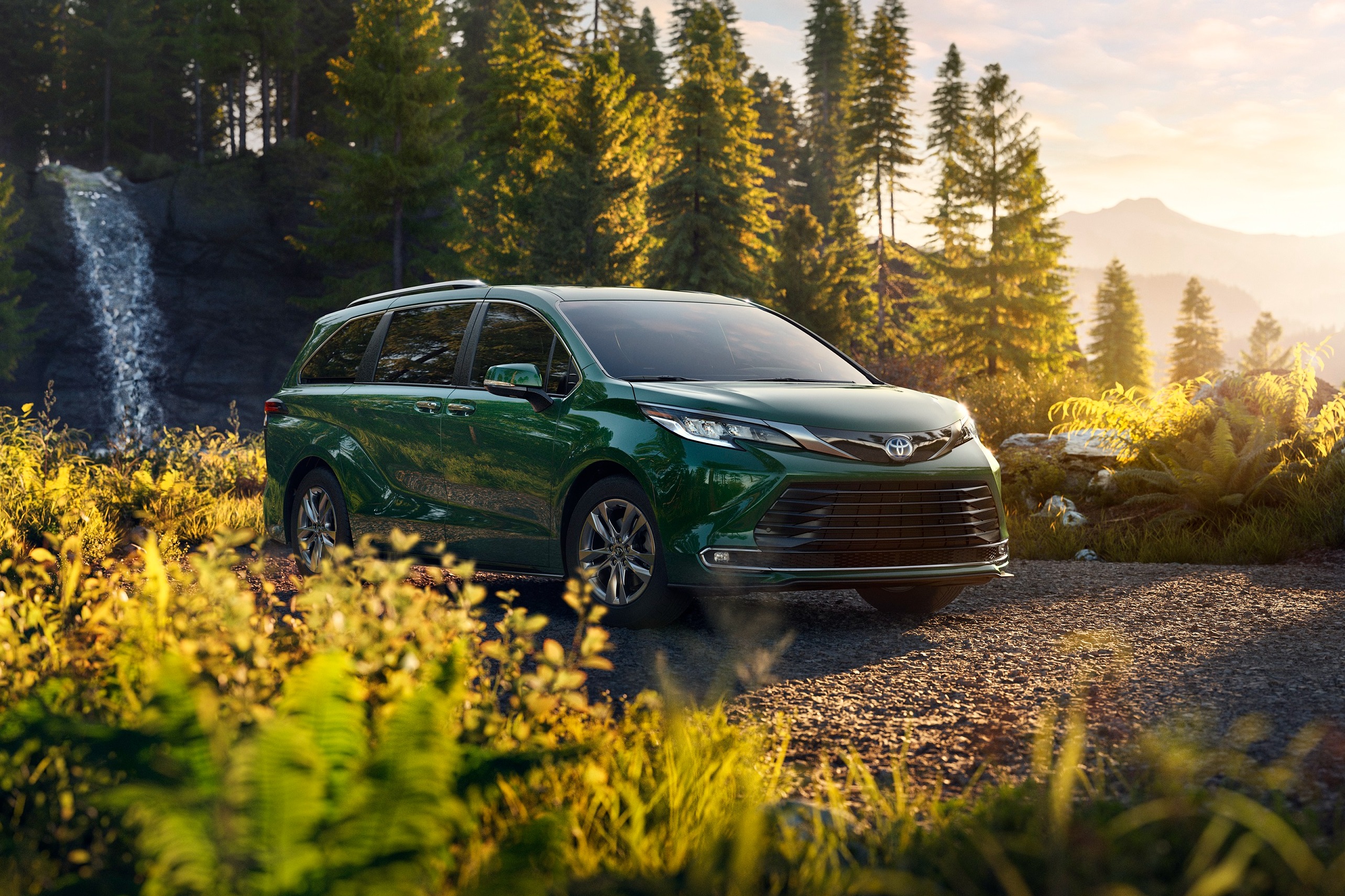
According to CarGurus experts, the overall rating for the 2026 Hyundai Venue is 5.3 out of 10, while the 2026 Toyota Sienna scores 6.5 out of 10. Based on these ratings, the Toyota Sienna is the recommended choice, offering better overall performance, practicality, and safety features for families seeking a versatile minivan.
Choose the 2026 Hyundai VENUE if:
- You prefer a compact and nimble vehicle for city driving.
- Budget-friendly pricing is a priority.
- You value standard wireless Apple CarPlay and Android Auto.


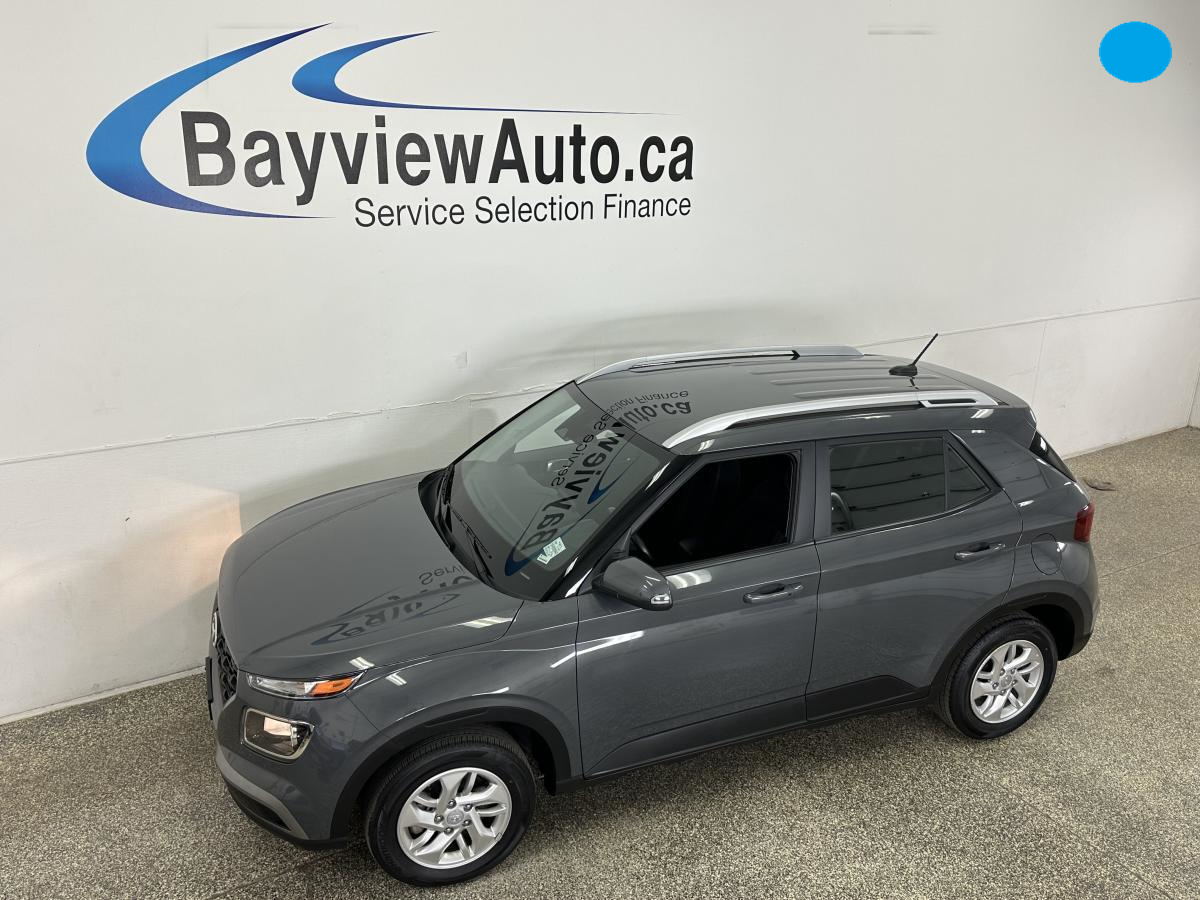


Choose the 2026 Toyota Sienna if:
- You need a spacious and practical vehicle for family use.
- Hybrid fuel efficiency is important to you.
- You want a comprehensive suite of safety features.


CarGurus highlights
According to CarGurus experts, the overall rating for the 2026 Hyundai Venue is 5.3 out of 10, while the 2026 Toyota Sienna scores 6.5 out of 10. Based on these ratings, the Toyota Sienna is the recommended choice, offering better overall performance, practicality, and safety features for families seeking a versatile minivan.
Choose the 2026 Hyundai VENUE if:
Shop Now- You prefer a compact and nimble vehicle for city driving.
- Budget-friendly pricing is a priority.
- You value standard wireless Apple CarPlay and Android Auto.
Choose the 2026 Toyota Sienna if:
Shop Now- You need a spacious and practical vehicle for family use.
- Hybrid fuel efficiency is important to you.
- You want a comprehensive suite of safety features.

By: CarGurus + AI
At CarGurus, our team of experienced automotive writers remain at the heart of our content operation, conducting hands-on car tests and writing insightful guides that are backed by years of industry experience. To complement this, we are harnessing AI to make our content offering more diverse and more helpful to shoppers than ever. To achieve this, our AI systems are based exclusively on CarGurus content, ratings and data, so that what we produce is both unique to CarGurus, and uniquely helpful to car shoppers.
