2020 Kia Forte vs 2021 Toyota Camry
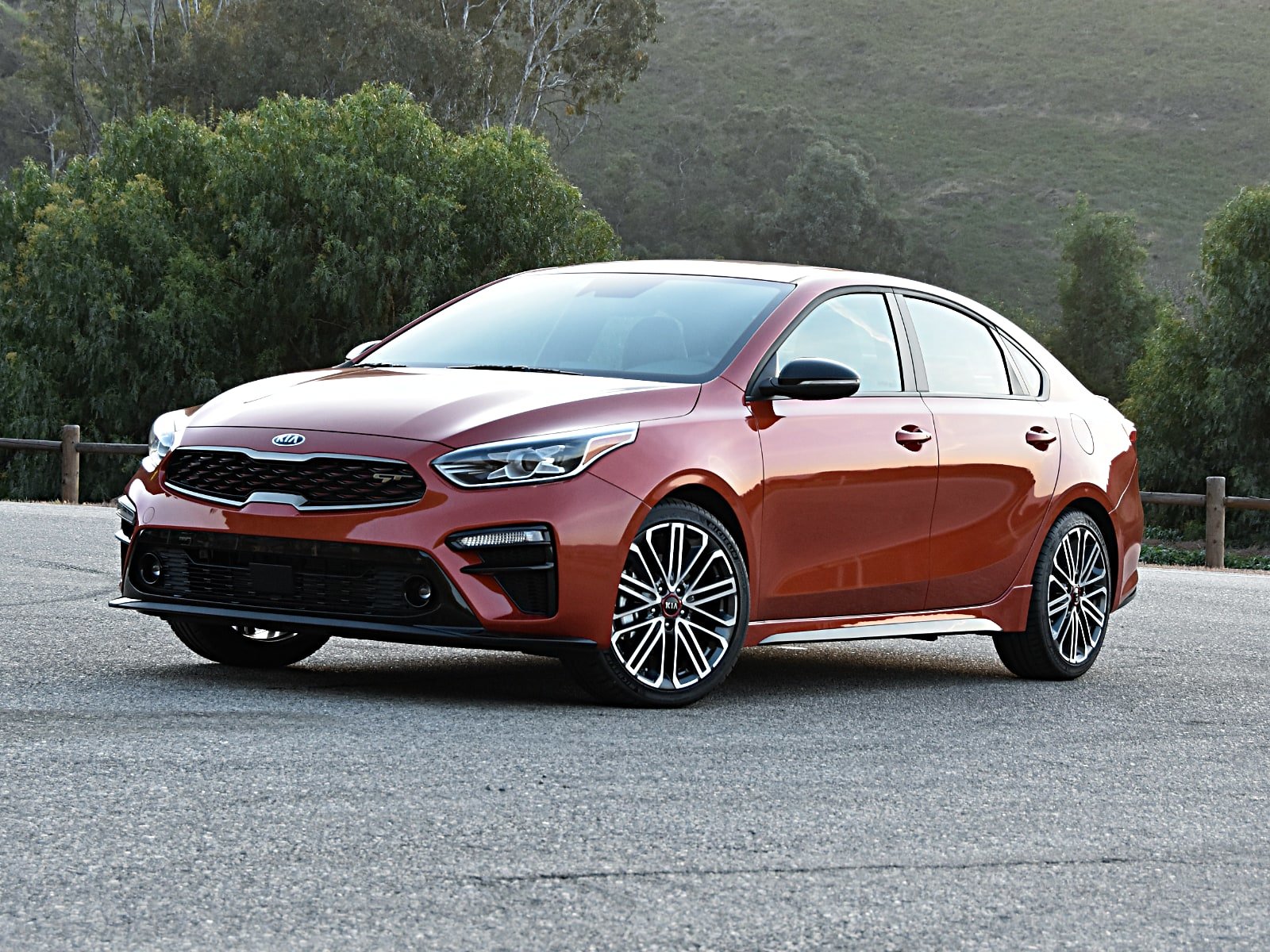
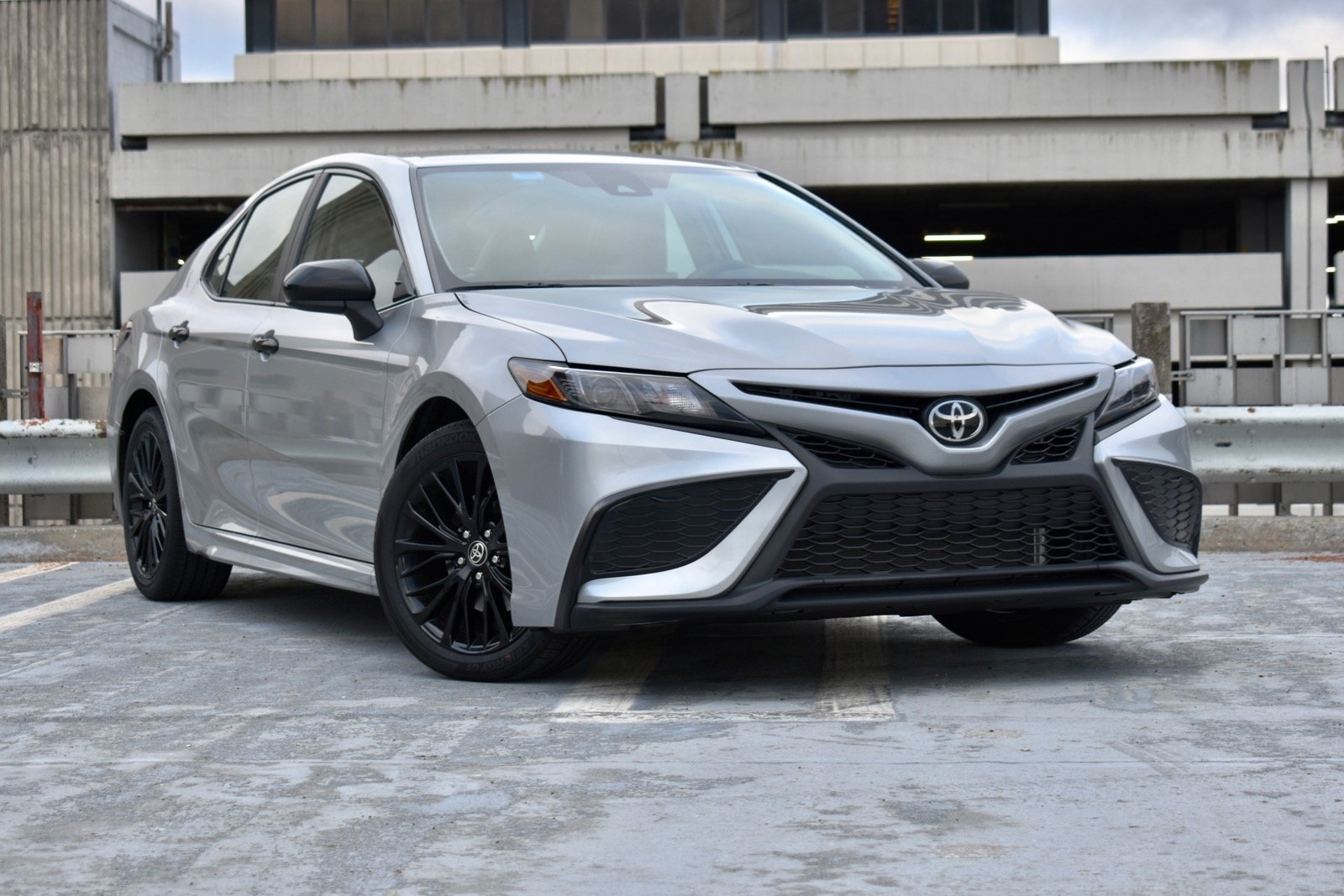
Overview | |
Listings97 | Listings32 |
Ratings & Reviews | |
User Reviews | User Reviews |
Expert reviews | Expert reviews7.8 out of 10 |
2020 Kia Forte Reviews Summary | |
2021 Toyota Camry Reviews SummaryThe Toyota Camry has long been many new-car buyers’ default choice—but not because it’s interesting. Reliability and practicality have traditionally been the Camry’s strengths, not sportiness or style. Toyota tried to change that for the 2018 model year, when the Camry was last redesigned. The current-generation Camry adopted more extroverted styling, and engineers tried to make the driving experience more exciting, too. While Toyota’s approach has changed, the Camry still competes against the same array of midsize sedans, including the Honda Accord, Hyundai Sonata, Mazda 6, Nissan Altima, Subaru Legacy, and Volkswagen Passat. Changes for the 2021 model year include subtle styling tweaks, new infotainment displays, an upgrade to the Toyota Safety Sense 2.5+ (TSS 2.5+) package of driver aids, and some changes to the dashboard trim. The Camry offers buyers more choices than many rivals, encompassing three powertrains (inline-four, V6, and hybrid), four trim levels (LE, SE, XSE, XLE), three packages available on select models (Upgrade, Nightshade Edition, and TRD) and the choice of front-wheel drive (FWD) or all-wheel drive (AWD). Our test car was an AWD Camry SE Nightshade Edition, positioned close to the middle of the lineup. | |
No video found | No video found |
Popular Features & Specs | |
Engine2.0L 147 hp I4 | Engine2.5L 203 hp I4 |
DrivetrainFWD | DrivetrainFWD |
Seating Capacity5 | Seating Capacity5 |
Horsepower147 hp @ 6200 rpm | Horsepower |
Fuel Economy (City)8.7 L(e)/100 km | Fuel Economy (City)8.4 L(e)/100 km |
Fuel Economy (Highway)6.4 L(e)/100 km | Fuel Economy (Highway)6.0 L(e)/100 km |
Engine | |
Engine Name2.0L 147 hp I4 | Engine Name2.5L 203 hp I4 |
Torque132 lb-ft @ 4500 rpm | Torque |
Horsepower147 hp @ 6200 rpm | Horsepower |
DrivetrainFWD | DrivetrainFWD |
Fuel Economy | |
Fuel Economy (City)8.7 L(e)/100 km | Fuel Economy (City)8.4 L(e)/100 km |
Fuel Economy (Highway)6.4 L(e)/100 km | Fuel Economy (Highway)6.0 L(e)/100 km |
Interior | |
Seating Capacity5 | Seating Capacity5 |
Safety | |
Front Crash Overall4 | Front Crash Overall5 |
Side Crash Overall5 | Side Crash Overall5 |
Dimensions & Capacity | |
Cargo Space433 L | Cargo Space428 L |
Curb Weight1317 kg | Curb Weight1501 kg |
Height1435 mm | Height1445 mm |
Length4641 mm | Length4879 mm |
Width1801 mm | Width1839 mm |
Wheelbase2700 mm | Wheelbase2824 mm |
Maximum Payload403 kg | Maximum Payload420 kg |
Number of doors4 | Number of doors4 |
Overview | ||
Listings | ||
Ratings & Reviews | ||
User reviews | ||
Expert reviews | 7.8 out of 10Read full review | |
Pros & cons | ||
Summary | The Toyota Camry has long been many new-car buyers’ default choice—but not because it’s interesting. Reliability and practicality have traditionally been the Camry’s strengths, not sportiness or style. Toyota tried to change that for the 2018 model year, when the Camry was last redesigned. The current-generation Camry adopted more extroverted styling, and engineers tried to make the driving experience more exciting, too. While Toyota’s approach has changed, the Camry still competes against the same array of midsize sedans, including the Honda Accord, Hyundai Sonata, Mazda 6, Nissan Altima, Subaru Legacy, and Volkswagen Passat. Changes for the 2021 model year include subtle styling tweaks, new infotainment displays, an upgrade to the Toyota Safety Sense 2.5+ (TSS 2.5+) package of driver aids, and some changes to the dashboard trim. The Camry offers buyers more choices than many rivals, encompassing three powertrains (inline-four, V6, and hybrid), four trim levels (LE, SE, XSE, XLE), three packages available on select models (Upgrade, Nightshade Edition, and TRD) and the choice of front-wheel drive (FWD) or all-wheel drive (AWD). Our test car was an AWD Camry SE Nightshade Edition, positioned close to the middle of the lineup. | |
Video | No video found | No video found |
Popular Features & Specs | ||
Engine | 2.0L 147 hp I4 | 2.5L 203 hp I4 |
Drivetrain | FWD | FWD |
Seating Capacity | 5 | 5 |
Horsepower | 147 hp @ 6200 rpm | |
Fuel Economy (City) | 8.7 L(e)/100 km | 8.4 L(e)/100 km |
Fuel Economy (Highway) | 6.4 L(e)/100 km | 6.0 L(e)/100 km |
Engine | ||
Engine Name | 2.0L 147 hp I4 | 2.5L 203 hp I4 |
Torque | 132 lb-ft @ 4500 rpm | |
Horsepower | 147 hp @ 6200 rpm | |
Drivetrain | FWD | FWD |
Fuel Economy | ||
Fuel Economy (City) | 8.7 L(e)/100 km | 8.4 L(e)/100 km |
Fuel Economy (Highway) | 6.4 L(e)/100 km | 6.0 L(e)/100 km |
Interior | ||
Seating Capacity | 5 | 5 |
Safety | ||
Front Crash Overall | 4 | 5 |
Side Crash Overall | 5 | 5 |
Dimensions & Capacity | ||
Cargo Space | 433 L | 428 L |
Curb Weight | 1317 kg | 1501 kg |
Height | 1435 mm | 1445 mm |
Length | 4641 mm | 4879 mm |
Width | 1801 mm | 1839 mm |
Wheelbase | 2700 mm | 2824 mm |
Maximum Payload | 403 kg | 420 kg |
Number of doors | 4 | 4 |
2020 Kia Forte for Sale


2021 Toyota Camry for Sale


By: CarGurus + AI
At CarGurus, our team of experienced automotive writers remain at the heart of our content operation, conducting hands-on car tests and writing insightful guides that are backed by years of industry experience. To complement this, we are harnessing AI to make our content offering more diverse and more helpful to shoppers than ever. To achieve this, our AI systems are based exclusively on CarGurus content, ratings and data, so that what we produce is both unique to CarGurus, and uniquely helpful to car shoppers.
