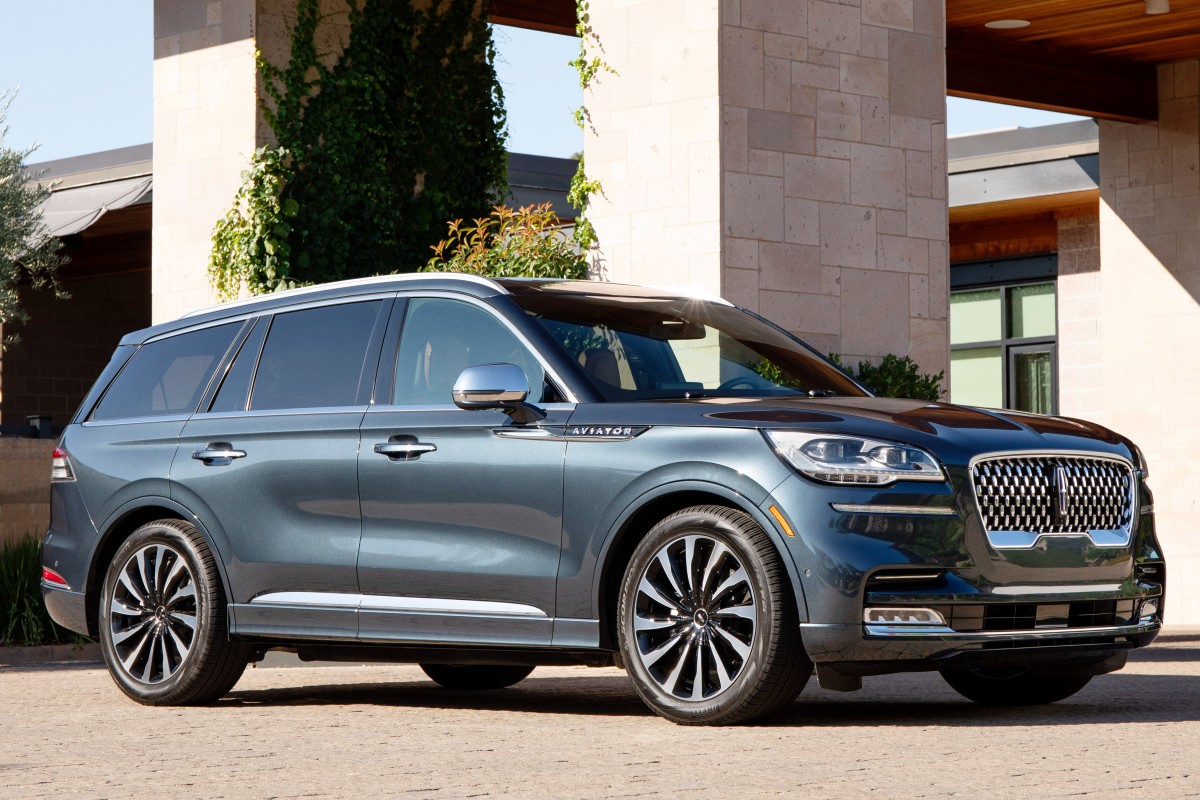
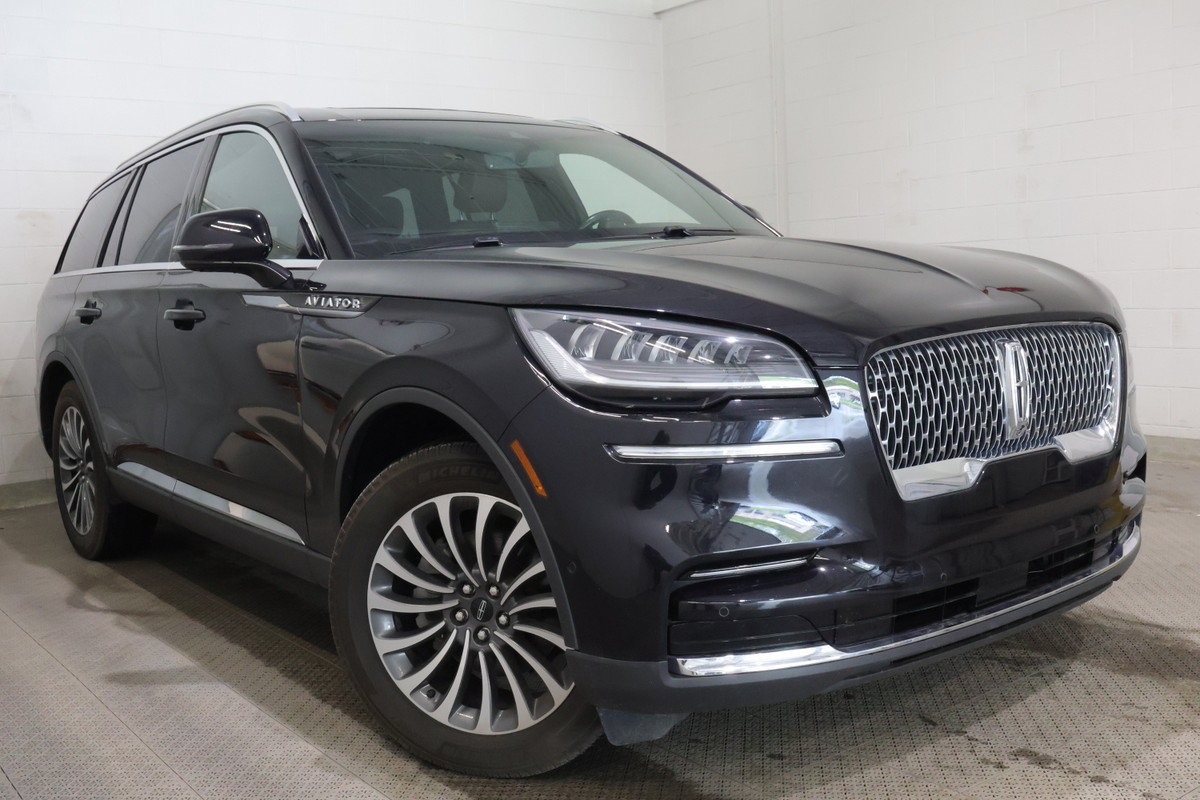
Lincoln Aviator vs Hyundai Ioniq 5

Overview | |
MSRP$57,830 | MSRP$35,000 |
Listings762 | Listings426 |
Ratings & Reviews | |
User Reviews | User Reviews |
Expert reviews7.8 out of 10 | Expert reviews |
Pros
Cons
| |
Reviews SummaryIn the midsize three-row luxury SUV segment, the 2025 Aviator embraces the mid-century modern cues of the past while delivering a calm, unhurried sanctuary for the present. Yet starting in 2025, this Lincoln simultaneously contains some of the most advanced technology in its segment. Fresh styling and new thematic packages are also available. However, the previously offered plug-in hybrid model has not been reintroduced to the lineup, leaving a twin-turbocharged V6 as the sole engine option. Verdict: Distinctive without resorting to polarization, the 2025 Lincoln Aviator is a compelling choice for people seeking a powerful, quiet, and comfortable luxury SUV. It’s been around since 2019, yet you can’t consider this Lincoln to be a relic thanks to its undeniable technological sophistication. | |
Reviews Summary | |
No video found | No video found |
Popular Features & Specs | |
Engine3.0L 400 hp V6 | Engine168 hp Electric |
Drive TrainRWD | Drive TrainRWD |
Seating Capacity7 | Seating Capacity5 |
EV Battery Capacity | EV Battery Capacity63 kWh |
MPG City18 | MPG City131 |
MPG Highway25 | MPG Highway100 |
Battery Charge Time (120V) | Battery Charge Time (120V)54 hours |
Battery Charge Time (240V) | Battery Charge Time (240V)5.7 hours |
Engine | |
Engine Name3.0L 400 hp V6 | Engine Name168 hp Electric |
Battery Charge Time (120V) | Battery Charge Time (120V)54 hours |
Battery Charge Time (240V) | Battery Charge Time (240V)5.7 hours |
DrivetrainRWD | DrivetrainRWD |
Fuel Economy | |
EV Battery Capacity | EV Battery Capacity63 kWh |
MPG City18 | MPG City131 |
MPG Highway25 | MPG Highway100 |
Interior | |
Seating Capacity7 | Seating Capacity5 |
Key Features | |
Navigation SystemStandard | Navigation SystemStandard |
Sunroof/MoonroofStandard | Sunroof/Moonroof |
Safety | |
Front Crash Overall5 | Front Crash Overall |
Side Crash Overall5 | Side Crash Overall |
Dimensions & Capacity | |
Cargo Space16.5 cu ft | Cargo Space26.3 cu ft |
Curb Weight4745 lbs | Curb Weight4145 lbs |
Height69.2 in | Height63.0 in |
Length199.7 in | Length183.3 in |
Width89.9 in | Width74.4 in |
Wheelbase119.1 in | Wheelbase118.1 in |
Maximum Payload1615 lbs | Maximum Payload1080 lbs |
Number of doors4 | Number of doors4 |
Maximum Towing Capacity5000 lbs | Maximum Towing Capacity |
Overview | ||
MSRP | $57,830 | $35,000 |
Listings | ||
Ratings & Reviews | ||
User reviews | ||
Expert reviews | 7.8 out of 10Read full review | |
Pros & cons | Pros
Cons
| |
Summary | In the midsize three-row luxury SUV segment, the 2025 Aviator embraces the mid-century modern cues of the past while delivering a calm, unhurried sanctuary for the present. Yet starting in 2025, this Lincoln simultaneously contains some of the most advanced technology in its segment. Fresh styling and new thematic packages are also available. However, the previously offered plug-in hybrid model has not been reintroduced to the lineup, leaving a twin-turbocharged V6 as the sole engine option. Verdict: Distinctive without resorting to polarization, the 2025 Lincoln Aviator is a compelling choice for people seeking a powerful, quiet, and comfortable luxury SUV. It’s been around since 2019, yet you can’t consider this Lincoln to be a relic thanks to its undeniable technological sophistication. | |
Video | No video found | No video found |
Popular Features & Specs | ||
Engine | 3.0L 400 hp V6 | 168 hp Electric |
Drive Train | RWD | RWD |
Seating Capacity | 7 | 5 |
EV Battery Capacity | 63 kWh | |
MPG City | 18 | 131 |
MPG Highway | 25 | 100 |
Battery Charge Time (120V) | 54 hours | |
Battery Charge Time (240V) | 5.7 hours | |
Engine | ||
Engine Name | 3.0L 400 hp V6 | 168 hp Electric |
Battery Charge Time (120V) | 54 hours | |
Battery Charge Time (240V) | 5.7 hours | |
Drivetrain | RWD | RWD |
Fuel Economy | ||
EV Battery Capacity | 63 kWh | |
MPG City | 18 | 131 |
MPG Highway | 25 | 100 |
Interior | ||
Seating Capacity | 7 | 5 |
Key Features | ||
Navigation System | Standard | Standard |
Sunroof/Moonroof | Standard | |
Safety | ||
Front Crash Overall | 5 | |
Side Crash Overall | 5 | |
Dimensions & Capacity | ||
Cargo Space | 16.5 cu ft | 26.3 cu ft |
Curb Weight | 4745 lbs | 4145 lbs |
Height | 69.2 in | 63.0 in |
Length | 199.7 in | 183.3 in |
Width | 89.9 in | 74.4 in |
Wheelbase | 119.1 in | 118.1 in |
Maximum Payload | 1615 lbs | 1080 lbs |
Number of doors | 4 | 4 |
Maximum Towing Capacity | 5000 lbs | |




By: CarGurus + AI
At CarGurus, our team of experienced automotive writers remain at the heart of our content operation, conducting hands-on car tests and writing insightful guides that are backed by years of industry experience. To complement this, we are harnessing AI to make our content offering more diverse and more helpful to shoppers than ever. To achieve this, our AI systems are based exclusively on CarGurus content, ratings and data, so that what we produce is both unique to CarGurus, and uniquely helpful to car shoppers.

