Hyundai Kona Electric vs Hyundai IONIQ 5

Overview | |
MSRP$32,875 | MSRP$35,000 |
Listings803 | Listings298 |
Ratings & Reviews | |
User Reviews | User Reviews |
Expert reviews8.3 out of 10 | Expert reviews8.0 out of 10 |
Pros
Cons
| Pros
Cons
|
Reviews SummaryIf you’re shopping for an electric vehicle, you might think all battery-powered options are priced out of reach. Heck, it’s tough to find a gas-powered vehicle that won’t break the bank, let alone one powered by the latest and greatest technology. That’s where the 2025 Hyundai Kona EV comes in. This second-generation subcompact crossover was redesigned for the 2024 model year and now comes with more features and value than before, all wrapped up in a sleek little package. Sure, there are others that might perform better, but if you’re cost-conscious and willing to settle for slightly slower acceleration, you’ll be rewarded with a competent and comfortable electric car. Verdict: The 2025 Hyundai Kona Electric goes big on value with fresh styling, myriad features, and an excellent starting price. | |
Reviews SummaryMany automakers have had a tough time launching electric vehicles. Teething problems have resulted in build quality issues, gremlins, and production delays. Hyundai, however, got it right from the start with the Ioniq 5. Not only did this compact crossover nail the basics, it has also struck a chord for its stylish looks, fast charging capability, good range, and practicality. Verdict: Five years into its run, the Ioniq 5 is still the electric vehicle we would recommend to most EV buyers. | |
No video found | No video found |
Popular Features & Specs | |
Engine133 hp Electric | Engine168 hp Electric |
DrivetrainFWD | DrivetrainRWD |
Seating Capacity5 | Seating Capacity5 |
EV Battery Capacity48.6 kWh | EV Battery Capacity63 kWh |
MPG City131 | MPG City131 |
MPG Highway105 | MPG Highway100 |
Battery Charge Time (120V)43 hours | Battery Charge Time (120V)54 hours |
Battery Charge Time (240V)5 hours | Battery Charge Time (240V)5.7 hours |
Engine | |
Engine Name133 hp Electric | Engine Name168 hp Electric |
Battery Charge Time (120V)43 hours | Battery Charge Time (120V)54 hours |
Battery Charge Time (240V)5 hours | Battery Charge Time (240V)5.7 hours |
DrivetrainFWD | DrivetrainRWD |
Fuel Economy | |
EV Battery Capacity48.6 kWh | EV Battery Capacity63 kWh |
MPG City131 | MPG City131 |
MPG Highway105 | MPG Highway100 |
Interior | |
Seating Capacity5 | Seating Capacity5 |
Key Features | |
Navigation SystemStandard | Navigation SystemStandard |
Safety | |
Front Crash Overall | Front Crash Overall4 |
Side Crash Overall | Side Crash Overall5 |
Dimensions & Capacity | |
Cargo Space25.5 cu ft | Cargo Space26.3 cu ft |
Curb Weight3571 lbs | Curb Weight4145 lbs |
Height62.0 in | Height63.0 in |
Length171.5 in | Length183.3 in |
Width71.9 in | Width74.4 in |
Wheelbase104.7 in | Wheelbase118.1 in |
Maximum Payload1081 lbs | Maximum Payload1080 lbs |
Number of doors4 | Number of doors4 |
Overview | ||
MSRP | $32,875 | $35,000 |
Listings | ||
Ratings & Reviews | ||
User reviews | ||
Expert reviews | 8.3 out of 10Read full review | 8.0 out of 10Read full review |
Pros & cons | Pros
Cons
| Pros
Cons
|
Summary | If you’re shopping for an electric vehicle, you might think all battery-powered options are priced out of reach. Heck, it’s tough to find a gas-powered vehicle that won’t break the bank, let alone one powered by the latest and greatest technology. That’s where the 2025 Hyundai Kona EV comes in. This second-generation subcompact crossover was redesigned for the 2024 model year and now comes with more features and value than before, all wrapped up in a sleek little package. Sure, there are others that might perform better, but if you’re cost-conscious and willing to settle for slightly slower acceleration, you’ll be rewarded with a competent and comfortable electric car. Verdict: The 2025 Hyundai Kona Electric goes big on value with fresh styling, myriad features, and an excellent starting price. | Many automakers have had a tough time launching electric vehicles. Teething problems have resulted in build quality issues, gremlins, and production delays. Hyundai, however, got it right from the start with the Ioniq 5. Not only did this compact crossover nail the basics, it has also struck a chord for its stylish looks, fast charging capability, good range, and practicality. Verdict: Five years into its run, the Ioniq 5 is still the electric vehicle we would recommend to most EV buyers. |
Video | No video found | No video found |
Popular Features & Specs | ||
Engine | 133 hp Electric | 168 hp Electric |
Drivetrain | FWD | RWD |
Seating Capacity | 5 | 5 |
EV Battery Capacity | 48.6 kWh | 63 kWh |
MPG City | 131 | 131 |
MPG Highway | 105 | 100 |
Battery Charge Time (120V) | 43 hours | 54 hours |
Battery Charge Time (240V) | 5 hours | 5.7 hours |
Engine | ||
Engine Name | 133 hp Electric | 168 hp Electric |
Battery Charge Time (120V) | 43 hours | 54 hours |
Battery Charge Time (240V) | 5 hours | 5.7 hours |
Drivetrain | FWD | RWD |
Fuel Economy | ||
EV Battery Capacity | 48.6 kWh | 63 kWh |
MPG City | 131 | 131 |
MPG Highway | 105 | 100 |
Interior | ||
Seating Capacity | 5 | 5 |
Key Features | ||
Navigation System | Standard | Standard |
Safety | ||
Front Crash Overall | 4 | |
Side Crash Overall | 5 | |
Dimensions & Capacity | ||
Cargo Space | 25.5 cu ft | 26.3 cu ft |
Curb Weight | 3571 lbs | 4145 lbs |
Height | 62.0 in | 63.0 in |
Length | 171.5 in | 183.3 in |
Width | 71.9 in | 74.4 in |
Wheelbase | 104.7 in | 118.1 in |
Maximum Payload | 1081 lbs | 1080 lbs |
Number of doors | 4 | 4 |
The 2025 Hyundai Kona Electric presented a futuristic design with its pixelated LED lighting and chiseled fenders, giving it a space-age art project vibe. It had grown in size compared to its predecessor, offering a more spacious and airy cabin. The interior featured a built-in shelf along the passenger side of the dash, adding to its modern appeal. In Canada, the Kona Electric was available in the Preferred trim, with additional packages like Trend, Ultimate, and N Line Ultimate, which allowed it to qualify for EV rebates. The N Line Ultimate package provided a sporty look with special 19-inch wheels and unique fasciae. The interior offered cloth seating as standard, with leatherette available in the Trend and Ultimate packages, while the N Line featured a faux-leather and Alcantara design. The cabin was finished with metallic-looking trim and a stylish three-spoke steering wheel, and the physical HVAC controls were appreciated for their ease of use.
The 2026 Hyundai Ioniq 5 combined the aesthetics of a 1980s hatchback with a modern crossover SUV, resulting in a unique and attractive design. Its profile was larger than typical hatchbacks, with angular lines and a character line that created a triangular shape. The front featured a visor slit housing rectangular headlights, while the rear had an integrated spoiler and darkened fascia. Inside, the Ioniq 5 was more utilitarian with a focus on technology. Cloth upholstery was standard, with synthetic leather available in the Ultimate Package. The interior offered a cold theme with black, grey, and teal-grey options. The tech included dual 12.3-inch screens and touch controls for the climate system, giving it a somewhat sterile look typical of modern EVs.

The 2025 Hyundai Kona Electric was equipped with a front-wheel-drive powertrain and a 64.8-kWh battery pack, delivering 201 hp and 291 lb-ft of torque. It offered a range of up to 420 kilometres per charge, though the N-Line Ultimate package reduced this to 370 kilometres due to its larger wheels. Despite its curb weight of up to 1,765 kilograms, the Kona Electric managed a 0-100 km/h time of around seven seconds. It was designed as a competent commuter with a comfortable ride, quiet cabin, and good handling. The regenerative braking system was adjustable via paddle shifters, allowing for one-pedal driving. The Kona's 400-volt electrical architecture meant DC fast-charging times were adequate, taking over 40 minutes to charge from 10 to 80 percent. The 11-kW onboard charger facilitated home charging in five to six hours.
The 2026 Hyundai Ioniq 5 offered a choice between a single-motor, rear-wheel-drive powertrain with 225 hp and 258 lb-ft of torque, and a dual-motor, all-wheel-drive powertrain with 320 hp and 446 lb-ft. The Ioniq 5 N performance model boasted up to 641 hp and 568 lb-ft of torque. The dual-motor powertrain provided robust power, achieving a 0-100 km/h time of 5.3 seconds. The regenerative braking system offered five settings, from freewheeling to one-pedal driving. The steering was direct but numb, and the handling was pleasant but not overly agile. The Ioniq 5's curb weight of around 2,000 kilograms contributed to some lean in corners.
The 2025 Hyundai Kona Electric's base Preferred trim was well-equipped with heated front seats, a heated steering wheel, dual-zone climate control, and more. The Trend package added features like a wireless charging pad and a wide sunroof, while the Ultimate package included ventilated front seats and a Bose premium sound system. The Kona EV offered 723 litres of cargo space behind the second row, expanding to 1,803 litres with the seats folded. The small frunk was suitable for carrying charging cables.
The 2026 Hyundai Ioniq 5 featured spacious front seats with an eight-way power-adjustable driver's seat as standard. The Ultimate Package added ventilated front seats, heated rear seats, and a "Relaxation" seat for the driver. The rear seat offered 1,002 millimetres of legroom, accommodating two adults comfortably. Cargo space was 745 litres with the rear seats up, expanding to 1,655 litres with the seats folded. The 24-litre front trunk provided additional storage, though overall cargo space was slightly smaller than average for compact crossovers.
The 2025 Hyundai Kona Electric came with dual 12.3-inch displays, offering clear and easy-to-use interfaces. The infotainment system included wireless Apple CarPlay and Android Auto, along with a native navigation system that predicted charging needs. The touchscreen was responsive, though it occasionally switched between modes during sunset. The Kona Electric featured four USB-C ports and vehicle-to-load capability for charging external devices. Hyundai's Digital Key was available on all but the base model.
The 2026 Hyundai Ioniq 5 featured a 12.3-inch digital instrument cluster and infotainment touchscreen under a single piece of glass. It included wireless Apple CarPlay and Android Auto, built-in navigation, and a wireless smartphone charger. The Ultimate Package added a Bose audio system and a head-up display. The MyHyundai app allowed for remote monitoring and control of various functions. The infotainment screen was user-friendly, with voice commands available for numerous functions.
The 2025 Hyundai Kona Electric was equipped with a comprehensive suite of driver-assistance features, including automatic emergency braking, blind-spot monitoring, and adaptive cruise control. The Ultimate and N Line Ultimate packages added parking aids and a Blind View Monitor. At the time of writing, the Kona EV had not been rated by the NHTSA or IIHS, though the gas version received a Top Safety Pick+ rating from the IIHS.
The 2026 Hyundai Ioniq 5 offered a robust list of standard safety features, such as blind spot monitoring, forward collision warning, and adaptive cruise control. The Ultimate Package added advanced features like a surround-view camera system and Highway Driving Assist 2. The Ioniq 5 earned a Top Safety Pick+ rating from the IIHS, though NHTSA ratings were unavailable at the time of writing.
CarGurus highlights
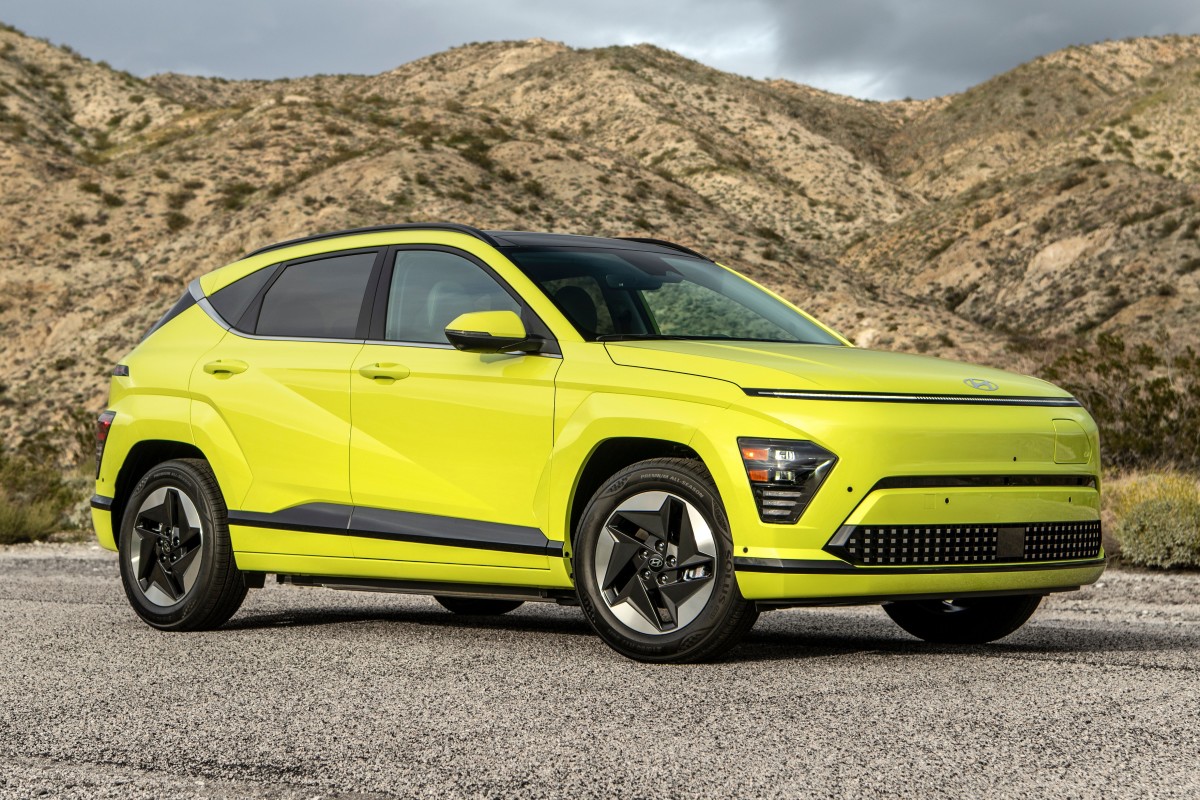
According to CarGurus experts, the overall rating for the 2025 Hyundai Kona Electric is 8.3 out of 10, while the 2026 Hyundai Ioniq 5 scores 8.0 out of 10. Based on these ratings, the 2025 Hyundai Kona Electric is recommended for its higher overall score, offering a balance of affordability, range, and features that make it an excellent choice for consumers seeking a reliable and practical electric vehicle.
Choose the 2025 Hyundai Kona Electric if:
- You prioritize a more affordable electric vehicle with a good range and comfortable ride.
- You appreciate a well-equipped base model with options for additional features through packages.
- You prefer a subcompact SUV with above-average cargo space.


Choose the 2026 Hyundai IONIQ 5 if:
- You desire a more powerful electric vehicle with quicker acceleration and multiple powertrain options.
- You value spacious interior accommodations and advanced technology features.
- You want a vehicle with a unique design that combines hatchback and crossover elements.


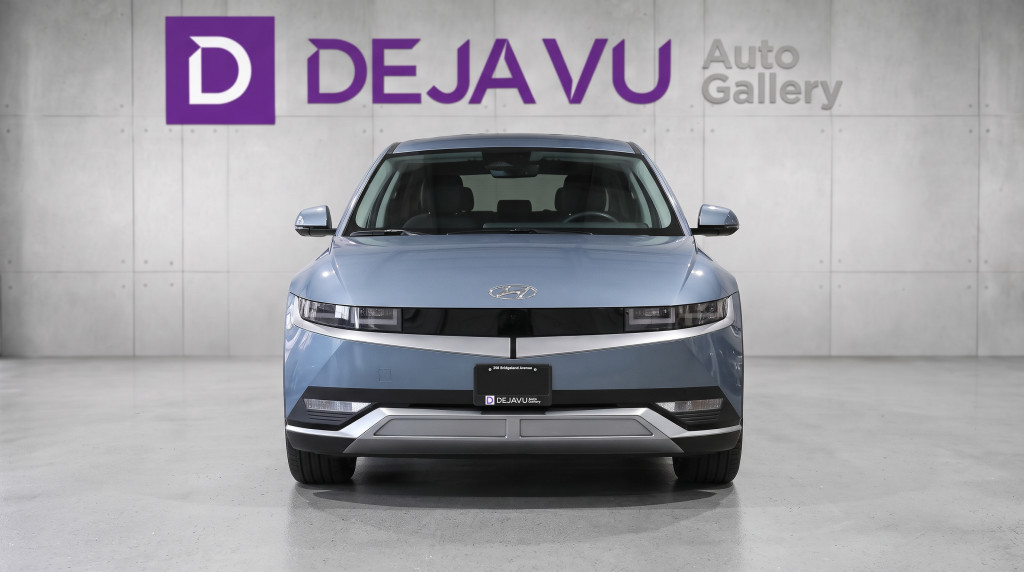


CarGurus highlights
According to CarGurus experts, the overall rating for the 2025 Hyundai Kona Electric is 8.3 out of 10, while the 2026 Hyundai Ioniq 5 scores 8.0 out of 10. Based on these ratings, the 2025 Hyundai Kona Electric is recommended for its higher overall score, offering a balance of affordability, range, and features that make it an excellent choice for consumers seeking a reliable and practical electric vehicle.
Choose the 2025 Hyundai Kona Electric if:
Shop Now- You prioritize a more affordable electric vehicle with a good range and comfortable ride.
- You appreciate a well-equipped base model with options for additional features through packages.
- You prefer a subcompact SUV with above-average cargo space.
Choose the 2026 Hyundai IONIQ 5 if:
Shop Now- You desire a more powerful electric vehicle with quicker acceleration and multiple powertrain options.
- You value spacious interior accommodations and advanced technology features.
- You want a vehicle with a unique design that combines hatchback and crossover elements.

By: CarGurus + AI
At CarGurus, our team of experienced automotive writers remain at the heart of our content operation, conducting hands-on car tests and writing insightful guides that are backed by years of industry experience. To complement this, we are harnessing AI to make our content offering more diverse and more helpful to shoppers than ever. To achieve this, our AI systems are based exclusively on CarGurus content, ratings and data, so that what we produce is both unique to CarGurus, and uniquely helpful to car shoppers.
