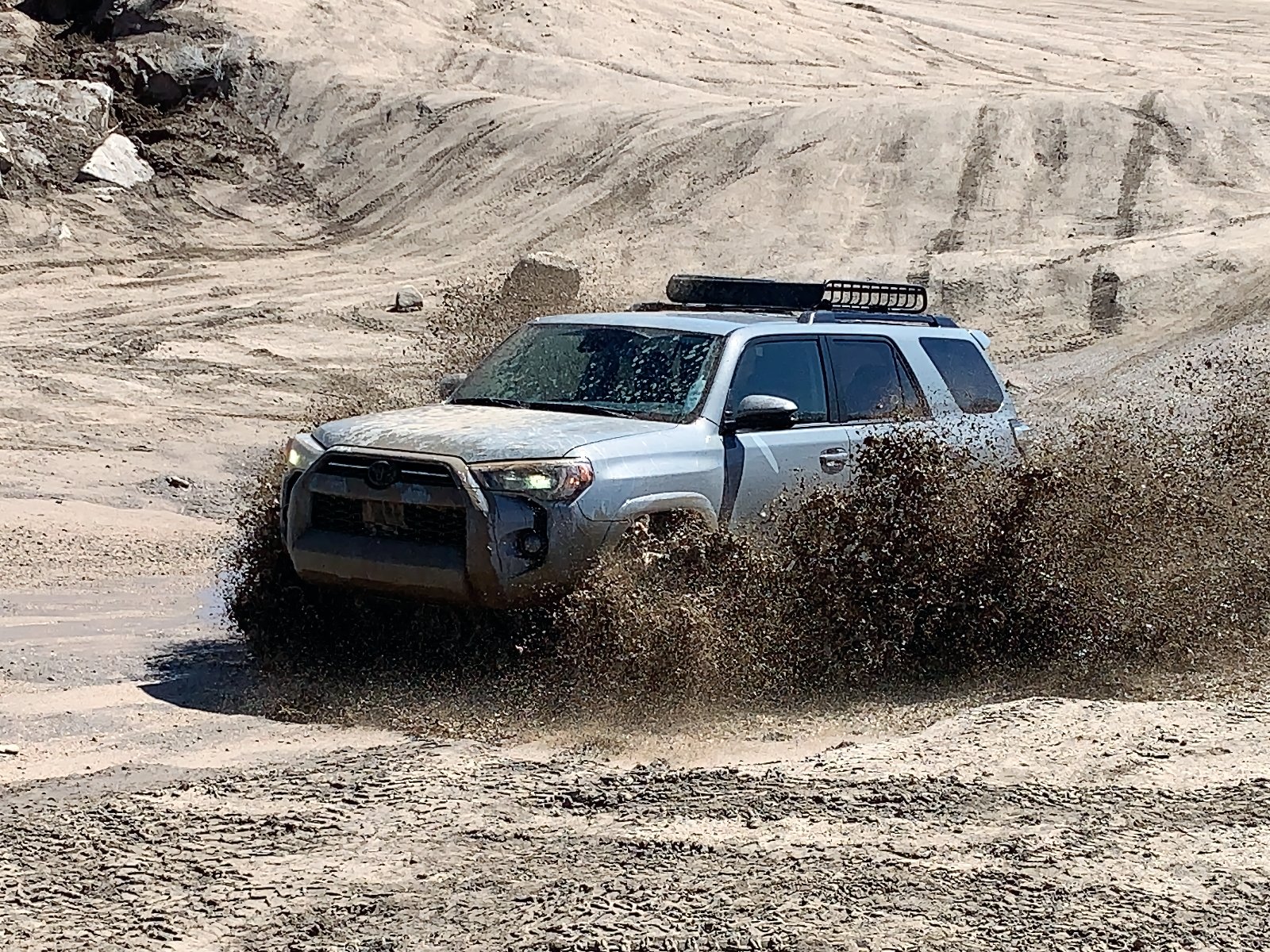
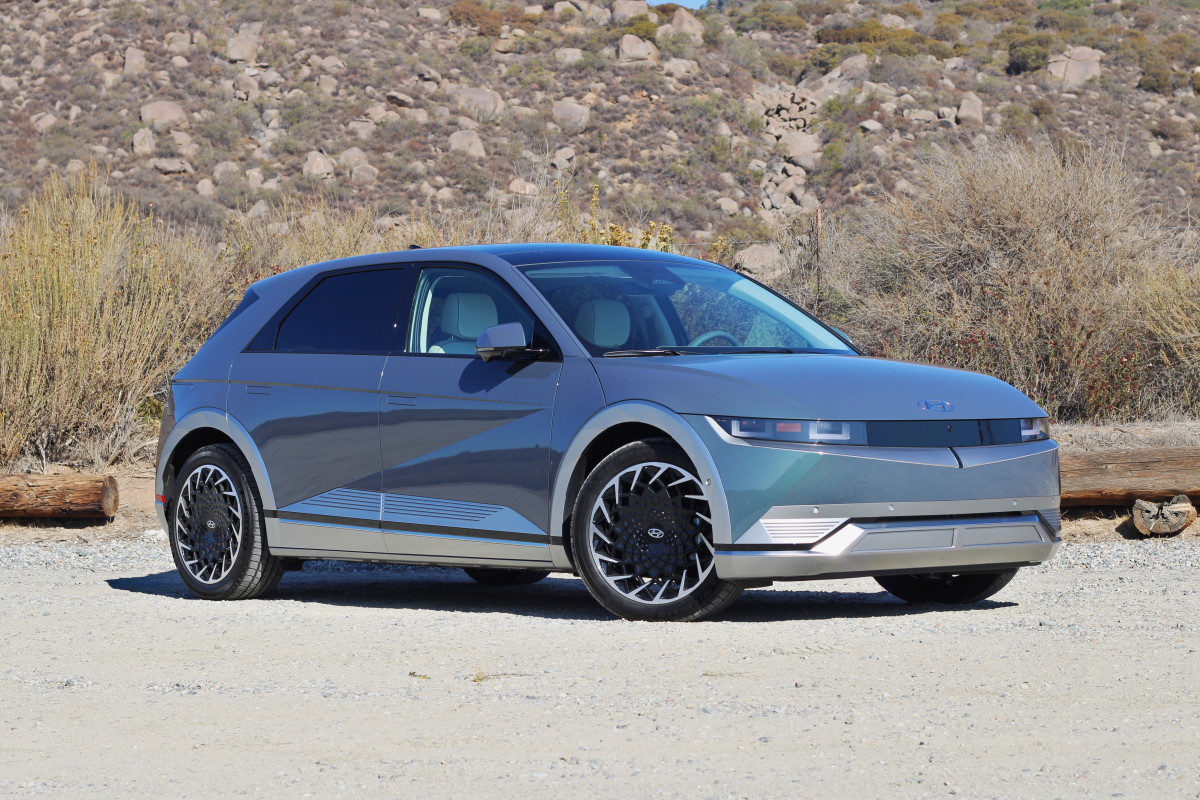
2021 Toyota 4Runner vs 2022 Hyundai Ioniq 5
Overview | |
MSRP$36,765 | MSRP$39,700 |
Listings96 | Listings36 |
Ratings & Reviews | |
User Reviews | User Reviews |
Expert reviews6.2 out of 10 | Expert reviews9.0 out of 10 |
2021 Toyota 4Runner Reviews SummaryDespite its design age, poor fuel efficiency, rough ride, iffy handling, and marginal safety ratings, the current-generation Toyota 4Runner remains a popular choice in a midsize SUV. Why? Its reputation for reliability and resale value, coupled with its undeniable utility, rugged image, and go-anywhere and do-anything capability, are the selling points. And if that's why you want a 2021 Toyota 4Runner, it won't disappoint you as long as you accept its shortcomings. | |
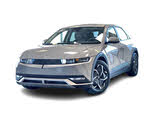
2022 Hyundai Ioniq 5 Reviews SummaryThe Hyundai Ioniq 5 is the automaker’s debut electric vehicle from its new sub-brand that focuses solely on battery electric-powered and eco-friendly mobility. The all-new Ioniq 5 is chock full of battery technology, smart car connectivity, advanced safety, and unique design all at a price point that appeals to the masses. | |
No video found | No video found |
Popular Features & Specs | |
Engine4.0L 270 hp V6 | Engine168 hp Electric |
Drive Train4X2 | Drive TrainRWD |
Seating Capacity7 | Seating Capacity5 |
Horsepower270 hp @ 5600 rpm | Horsepower |
EV Battery Capacity | EV Battery Capacity58 kWh |
MPG City16 | MPG City127 |
MPG Highway19 | MPG Highway94 |
Engine | |
Engine Name4.0L 270 hp V6 | Engine Name168 hp Electric |
Torque278 lb-ft @ 4400 rpm | Torque |
Horsepower270 hp @ 5600 rpm | Horsepower |
Drivetrain4X2 | DrivetrainRWD |
Fuel Economy | |
EV Battery Capacity | EV Battery Capacity58 kWh |
MPG City16 | MPG City127 |
MPG Highway19 | MPG Highway94 |
Interior | |
Seating Capacity7 | Seating Capacity5 |
Key Features | |
Navigation System | Navigation SystemStandard |
Safety | |
Front Crash Overall4 | Front Crash Overall4 |
Side Crash Overall5 | Side Crash Overall5 |
Dimensions & Capacity | |
Cargo Space47.2 cu ft | Cargo Space27.2 cu ft |
Curb Weight4400 lbs | Curb Weight4200 lbs |
Height71.5 in | Height63.0 in |
Length190.2 in | Length182.5 in |
Width75.8 in | Width74.4 in |
Wheelbase109.8 in | Wheelbase118.1 in |
Maximum Payload1700 lbs | Maximum Payload1157 lbs |
Number of doors4 | Number of doors4 |
Maximum Towing Capacity5000 lbs | Maximum Towing Capacity |
Standard Towing Capacity5000 lbs | Standard Towing Capacity |
Overview | ||
MSRP | $36,765 | $39,700 |
Listings | ||
Ratings & Reviews | ||
User reviews | ||
Expert reviews | 6.2 out of 10Read full review | 9.0 out of 10Read full review |
Pros & cons | ||
Summary | Despite its design age, poor fuel efficiency, rough ride, iffy handling, and marginal safety ratings, the current-generation Toyota 4Runner remains a popular choice in a midsize SUV. Why? Its reputation for reliability and resale value, coupled with its undeniable utility, rugged image, and go-anywhere and do-anything capability, are the selling points. And if that's why you want a 2021 Toyota 4Runner, it won't disappoint you as long as you accept its shortcomings. | The Hyundai Ioniq 5 is the automaker’s debut electric vehicle from its new sub-brand that focuses solely on battery electric-powered and eco-friendly mobility. The all-new Ioniq 5 is chock full of battery technology, smart car connectivity, advanced safety, and unique design all at a price point that appeals to the masses. |
Video | No video found | No video found |
Popular Features & Specs | ||
Engine | 4.0L 270 hp V6 | 168 hp Electric |
Drive Train | 4X2 | RWD |
Seating Capacity | 7 | 5 |
Horsepower | 270 hp @ 5600 rpm | |
EV Battery Capacity | 58 kWh | |
MPG City | 16 | 127 |
MPG Highway | 19 | 94 |
Engine | ||
Engine Name | 4.0L 270 hp V6 | 168 hp Electric |
Torque | 278 lb-ft @ 4400 rpm | |
Horsepower | 270 hp @ 5600 rpm | |
Drivetrain | 4X2 | RWD |
Fuel Economy | ||
EV Battery Capacity | 58 kWh | |
MPG City | 16 | 127 |
MPG Highway | 19 | 94 |
Interior | ||
Seating Capacity | 7 | 5 |
Key Features | ||
Navigation System | Standard | |
Safety | ||
Front Crash Overall | 4 | 4 |
Side Crash Overall | 5 | 5 |
Dimensions & Capacity | ||
Cargo Space | 47.2 cu ft | 27.2 cu ft |
Curb Weight | 4400 lbs | 4200 lbs |
Height | 71.5 in | 63.0 in |
Length | 190.2 in | 182.5 in |
Width | 75.8 in | 74.4 in |
Wheelbase | 109.8 in | 118.1 in |
Maximum Payload | 1700 lbs | 1157 lbs |
Number of doors | 4 | 4 |
Maximum Towing Capacity | 5000 lbs | |
Standard Towing Capacity | 5000 lbs | |
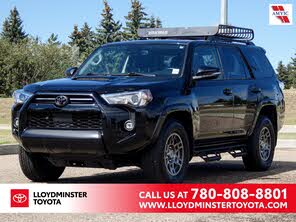
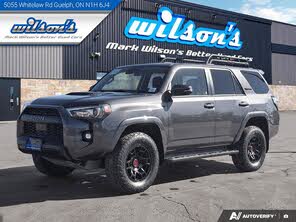
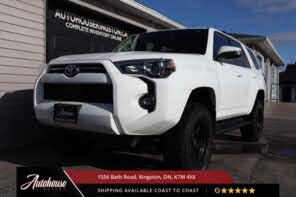
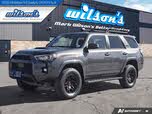
The 2021 Toyota 4Runner, despite its age, maintained a rugged charm that appealed to those seeking a durable and utilitarian vehicle. Its design, largely unchanged over the years, featured a two-box body with flared fenders and trapezoidal wheel arches, offering balanced proportions and timeless styling. While not conventionally attractive, the 4Runner's design was practical and functional, akin to a reliable tool that didn't require frequent updates. The interior, though dominated by hard plastics, was easy to clean and in line with the SUV's mission. The dashboard was old-school, with large knobs and buttons, emphasizing simplicity and durability.
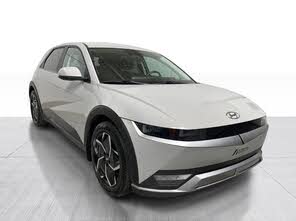
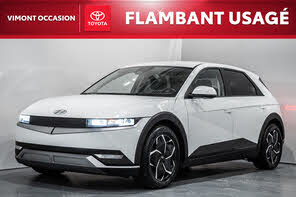
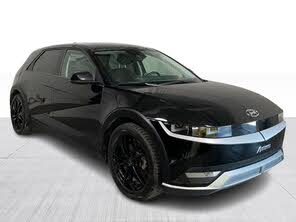
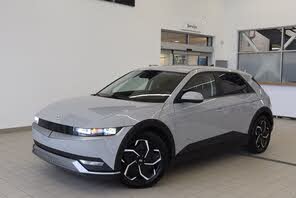
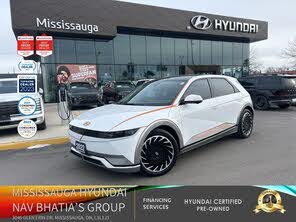
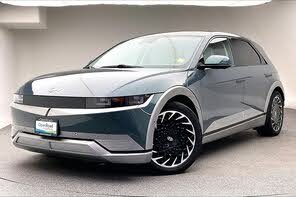
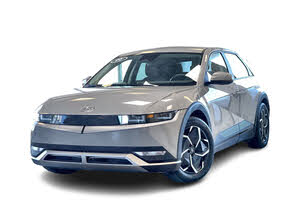
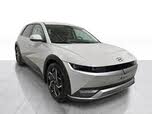
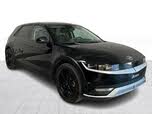
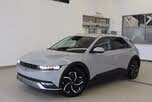
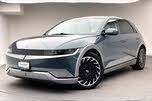
In contrast, the 2022 Hyundai Ioniq 5 was a fresh take on electrified mobility, representing Hyundai's new Ioniq sub-brand dedicated to EVs. Its exterior design was a mix of minimal character lines and intricate Parametric Pixel elements, giving it a concept car-like appearance. The interior, following a "Living Space" theme, was mellow and comfortable, with sustainable materials and a focus on relaxation. The Ioniq 5's cabin was designed for comfort, featuring a "Relaxation" mode for the driver's seat and a spacious, flat-floor layout. The use of recycled materials and bio-materials further emphasized its eco-friendly approach.


The 2021 Toyota 4Runner was equipped with a 4.0-litre V6 engine producing 270 horsepower and 278 pound-feet of torque, paired with a five-speed automatic transmission. It excelled off-road, thanks to features like A-Trac, a locking rear differential, Multi-Terrain Select, and Crawl Control, making it a formidable choice for backcountry adventures. However, on paved roads, the 4Runner felt slow and clunky, with heavy steering and brakes. Its fuel consumption was high, averaging 14.0 L/100 km, which limited its range to about 620 kilometres on a full tank.
The 2022 Hyundai Ioniq 5 offered a range of powertrains, with the base model featuring a 125-kW rear-mounted electric motor producing 168 horsepower and a range of 354 kilometres. The Preferred long-range variant had a 168-kW motor with 225 hp and a range of 488 kilometres. The AWD version boasted 320 hp and 446 lb-ft of torque, with a range of 414 km. The Ioniq 5's performance was middle-of-the-road for a midsize crossover, with four drive modes, including Sport, which added excitement but reduced range. Its regenerative braking system, adjustable via paddle shifters, added an engaging element to the driving experience.
The 2021 Toyota 4Runner offered a high seating position, which could be challenging for shorter individuals without running boards. Inside, it provided comfortable seating with ample legroom and good visibility. The cargo space was generous, with up to 1,337 litres behind the rear seats and 2,540 litres with them folded down. The 4Runner's interior was practical, with decent storage options and a big roof rack for additional cargo.
The 2022 Hyundai Ioniq 5, built on the Electric Global Modular Platform (E-GMP), maximized interior space with a long wheelbase. It offered a total interior volume of 3,786 litres, surpassing competitors like the Ford Mustang Mach-E and Volkswagen ID.4. The Ioniq 5's interior was designed for comfort, with a moveable centre console and a flat floor. The leatherette seats were supportive and comfortable, catering to a range of body types. The Ioniq 5 prioritized passenger comfort over cargo space, with 770 litres of rear cargo capacity.
The 2021 Toyota 4Runner's entry-level Trail grade was sparse in technology, featuring an 8-inch touchscreen infotainment system with Bluetooth, Apple CarPlay, Android Auto, and SiriusXM. It included a windshield wiper de-icer and a 120-volt AC power outlet in the cargo area. The infotainment system, though basic, was user-friendly with physical buttons and knobs.
The 2022 Hyundai Ioniq 5 was packed with advanced technology, including a high-voltage, energy-dense system with vehicle-to-load capabilities. It supported ultra-fast charging, reaching 80% battery capacity in 18 minutes. The Ioniq 5 featured a redesigned Blue Link app, Android Auto, Apple CarPlay, and over-the-air updates. Its 12.3-inch screens for the instrument cluster and infotainment system were elegant and anti-glare, ensuring clear visibility even with polarized sunglasses.
The 2021 Toyota 4Runner came with Toyota Safety Sense P (TSS-P), which included adaptive cruise control, forward-collision warning, automatic emergency braking, lane departure warning, and automatic high beams. However, it lacked blind-spot monitoring and rear cross-traffic warning. The 4Runner's safety ratings reflected its age, with a three-star rollover resistance rating from the NHTSA and a "Marginal" rating for driver protection in a small overlap frontal-impact collision from the IIHS.
The 2022 Hyundai Ioniq 5 featured Hyundai SmartSense, a suite of advanced driving assistance systems, including lane keeping assist, blind-spot monitoring, and forward collision avoidance. It also had Hyundai Highway Drive Assist I, a Level 2 semi-autonomous driving system with machine-learning adaptive cruise control. The Ioniq 5 offered a head-up display with augmented reality overlays, though it could be distracting. While crash-safety ratings were not yet available, Hyundai's track record suggested high marks were likely.
CarGurus highlights
According to CarGurus experts, the overall rating for the 2021 Toyota 4Runner is 6.2 out of 10, while the 2022 Hyundai Ioniq 5 scores 9.0 out of 10. Based on these ratings, the Hyundai Ioniq 5 is the recommended choice, offering a more modern, efficient, and technologically advanced driving experience.
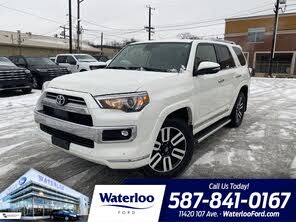
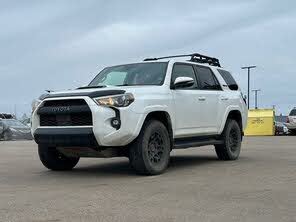
Choose the 2021 Toyota 4Runner if:
- You prioritize off-road capability and rugged durability.
- You need a vehicle with ample cargo space for outdoor adventures.
- You prefer a traditional SUV with a proven track record.





Choose the 2022 Hyundai Ioniq 5 if:
- You want a modern, eco-friendly vehicle with advanced technology.
- You value interior comfort and innovative design features.
- You seek a versatile EV with impressive charging capabilities.


CarGurus highlights
According to CarGurus experts, the overall rating for the 2021 Toyota 4Runner is 6.2 out of 10, while the 2022 Hyundai Ioniq 5 scores 9.0 out of 10. Based on these ratings, the Hyundai Ioniq 5 is the recommended choice, offering a more modern, efficient, and technologically advanced driving experience.
Choose the 2021 Toyota 4Runner if:
Shop Now- You prioritize off-road capability and rugged durability.
- You need a vehicle with ample cargo space for outdoor adventures.
- You prefer a traditional SUV with a proven track record.








Choose the 2022 Hyundai Ioniq 5 if:
Shop Now- You want a modern, eco-friendly vehicle with advanced technology.
- You value interior comfort and innovative design features.
- You seek a versatile EV with impressive charging capabilities.





By: CarGurus + AI
At CarGurus, our team of experienced automotive writers remain at the heart of our content operation, conducting hands-on car tests and writing insightful guides that are backed by years of industry experience. To complement this, we are harnessing AI to make our content offering more diverse and more helpful to shoppers than ever. To achieve this, our AI systems are based exclusively on CarGurus content, ratings and data, so that what we produce is both unique to CarGurus, and uniquely helpful to car shoppers.