Honda Odyssey vs Kia EV6
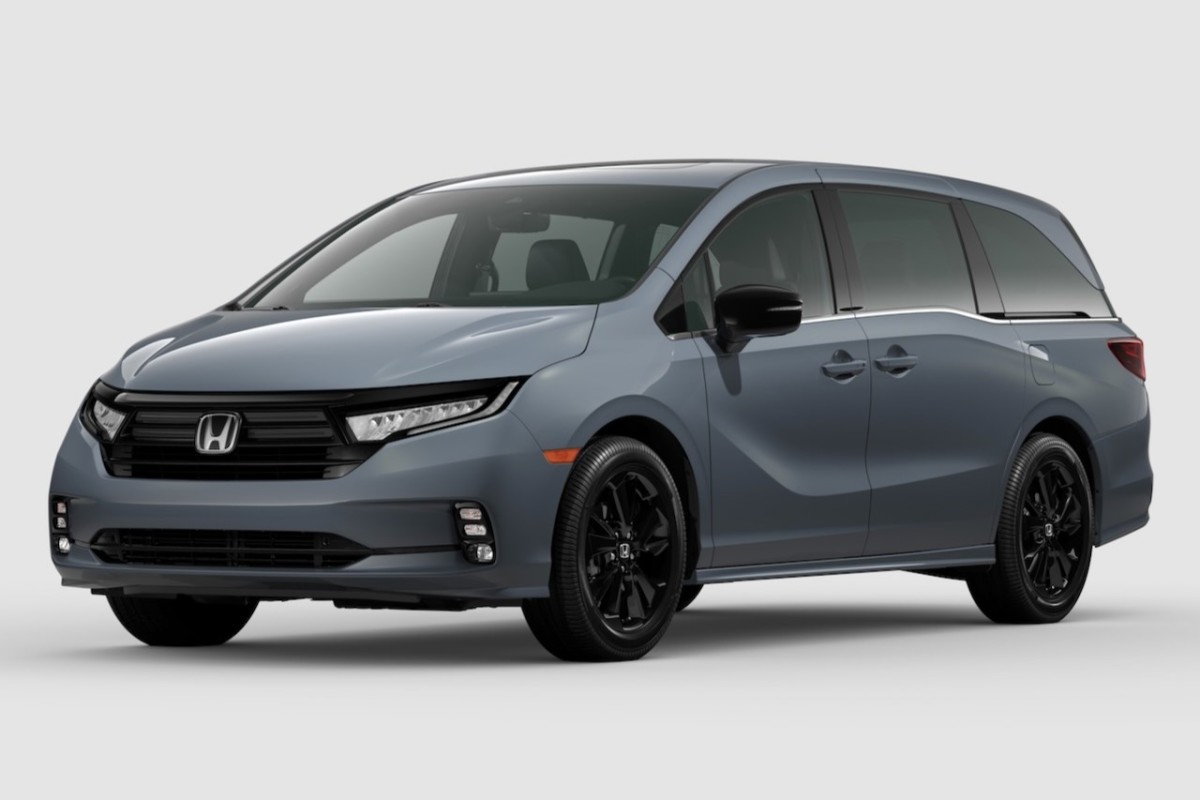
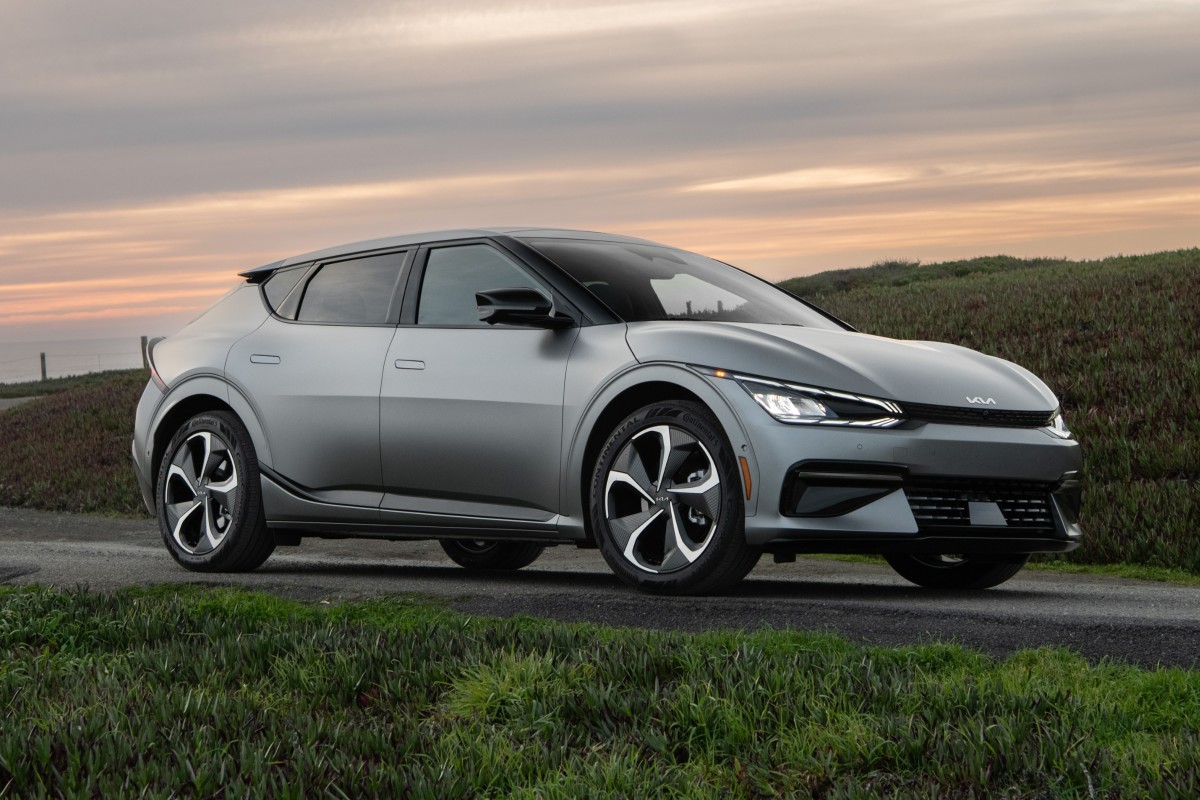
Overview | |
MSRP$42,220 | MSRP$42,900 |
Listings1441 | Listings72 |
Ratings & Reviews | |
User Reviews | User Reviews |
Expert reviews6.3 out of 10 | Expert reviews7.8 out of 10 |
Pros
Cons
| Pros
Cons
|
Reviews SummaryHonda hasn’t redesigned the Odyssey since 2018, but this minivan does get a few updates that will appeal to the Odyssey faithful. They include subtle styling changes, a new 7-inch digital driver display, an updated 9-inch touchscreen infotainment system, modernized USB-C charging ports, and an available smartphone charging pad. A new rear-seat entertainment system also arrives for 2025. While appreciated, these improvements don’t rescue the Odyssey from its increasingly uncompetitive position. Verdict: The 2025 Odyssey doesn’t offer a hybrid powertrain or an all-wheel-drive (AWD) option. The updated tech merely meets minimum standards and expectations. And in a new crash-test evaluation, Honda’s minivan earns a rare low rating. Certainly, the Odyssey remains comfortable, exceptionally practical, and enjoyable to drive. But it needs a redesign, and soon. | |
Reviews SummaryThe EV6 has an appealing design, a stylish and practical interior, and one of the most sophisticated EV platforms available at its price point. Additional hallmarks of the 2025 EV6 include commendable power, plenty of driving range, and quick recharging times. For this model year, Kia improves this electric crossover SUV with an exterior facelift, a revised interior, increased battery capacity, a new charging port, modified steering, frame enhancements to ensure safety, and next-generation infotainment technology. Verdict: Can the Kia EV6 survive the paused federal iZEV rebate? It deserves to because it’s one of the most appealing EV models available today. Aside from a few quirks associated with its onboard technology, there isn’t much wrong with the EV6 and plenty that’s right with it. | |
No video found | |
Popular Features & Specs | |
Engine3.5L 280 hp V6 | Engine167 hp Electric |
DrivetrainFWD | DrivetrainRWD |
Seating Capacity8 | Seating Capacity5 |
Horsepower280 hp @ 6000 rpm | Horsepower |
EV Battery Capacity | EV Battery Capacity63 kWh |
MPG City19 | MPG City128 |
MPG Highway28 | MPG Highway103 |
Battery Charge Time (120V) | Battery Charge Time (120V)54 hours |
Battery Charge Time (240V) | Battery Charge Time (240V)5.7 hours |
Engine | |
Engine Name3.5L 280 hp V6 | Engine Name167 hp Electric |
Torque262 lb-ft @ 4700 rpm | Torque |
Horsepower280 hp @ 6000 rpm | Horsepower |
Battery Charge Time (120V) | Battery Charge Time (120V)54 hours |
Battery Charge Time (240V) | Battery Charge Time (240V)5.7 hours |
DrivetrainFWD | DrivetrainRWD |
Fuel Economy | |
EV Battery Capacity | EV Battery Capacity63 kWh |
MPG City19 | MPG City128 |
MPG Highway28 | MPG Highway103 |
Interior | |
Seating Capacity8 | Seating Capacity5 |
Key Features | |
Navigation System | Navigation SystemStandard |
Sunroof/MoonroofStandard | Sunroof/Moonroof |
Safety | |
Front Crash Overall5 | Front Crash Overall5 |
Side Crash Overall5 | Side Crash Overall5 |
Dimensions & Capacity | |
Cargo Space32.8 cu ft | Cargo Space24.4 cu ft |
Curb Weight4526 lbs | Curb Weight4132 lbs |
Height69.6 in | Height60.8 in |
Length205.2 in | Length184.8 in |
Width78.5 in | Width74.0 in |
Wheelbase118.1 in | Wheelbase114.2 in |
Maximum Payload1493 lbs | Maximum Payload983 lbs |
Number of doors4 | Number of doors4 |
Maximum Towing Capacity3500 lbs | Maximum Towing Capacity |
Overview | ||
MSRP | $42,220 | $42,900 |
Listings | ||
Ratings & Reviews | ||
User reviews | ||
Expert reviews | 6.3 out of 10Read full review | 7.8 out of 10Read full review |
Pros & cons | Pros
Cons
| Pros
Cons
|
Summary | Honda hasn’t redesigned the Odyssey since 2018, but this minivan does get a few updates that will appeal to the Odyssey faithful. They include subtle styling changes, a new 7-inch digital driver display, an updated 9-inch touchscreen infotainment system, modernized USB-C charging ports, and an available smartphone charging pad. A new rear-seat entertainment system also arrives for 2025. While appreciated, these improvements don’t rescue the Odyssey from its increasingly uncompetitive position. Verdict: The 2025 Odyssey doesn’t offer a hybrid powertrain or an all-wheel-drive (AWD) option. The updated tech merely meets minimum standards and expectations. And in a new crash-test evaluation, Honda’s minivan earns a rare low rating. Certainly, the Odyssey remains comfortable, exceptionally practical, and enjoyable to drive. But it needs a redesign, and soon. | The EV6 has an appealing design, a stylish and practical interior, and one of the most sophisticated EV platforms available at its price point. Additional hallmarks of the 2025 EV6 include commendable power, plenty of driving range, and quick recharging times. For this model year, Kia improves this electric crossover SUV with an exterior facelift, a revised interior, increased battery capacity, a new charging port, modified steering, frame enhancements to ensure safety, and next-generation infotainment technology. Verdict: Can the Kia EV6 survive the paused federal iZEV rebate? It deserves to because it’s one of the most appealing EV models available today. Aside from a few quirks associated with its onboard technology, there isn’t much wrong with the EV6 and plenty that’s right with it. |
Video | No video found | |
Popular Features & Specs | ||
Engine | 3.5L 280 hp V6 | 167 hp Electric |
Drivetrain | FWD | RWD |
Seating Capacity | 8 | 5 |
Horsepower | 280 hp @ 6000 rpm | |
EV Battery Capacity | 63 kWh | |
MPG City | 19 | 128 |
MPG Highway | 28 | 103 |
Battery Charge Time (120V) | 54 hours | |
Battery Charge Time (240V) | 5.7 hours | |
Engine | ||
Engine Name | 3.5L 280 hp V6 | 167 hp Electric |
Torque | 262 lb-ft @ 4700 rpm | |
Horsepower | 280 hp @ 6000 rpm | |
Battery Charge Time (120V) | 54 hours | |
Battery Charge Time (240V) | 5.7 hours | |
Drivetrain | FWD | RWD |
Fuel Economy | ||
EV Battery Capacity | 63 kWh | |
MPG City | 19 | 128 |
MPG Highway | 28 | 103 |
Interior | ||
Seating Capacity | 8 | 5 |
Key Features | ||
Navigation System | Standard | |
Sunroof/Moonroof | Standard | |
Safety | ||
Front Crash Overall | 5 | 5 |
Side Crash Overall | 5 | 5 |
Dimensions & Capacity | ||
Cargo Space | 32.8 cu ft | 24.4 cu ft |
Curb Weight | 4526 lbs | 4132 lbs |
Height | 69.6 in | 60.8 in |
Length | 205.2 in | 184.8 in |
Width | 78.5 in | 74.0 in |
Wheelbase | 118.1 in | 114.2 in |
Maximum Payload | 1493 lbs | 983 lbs |
Number of doors | 4 | 4 |
Maximum Towing Capacity | 3500 lbs | |


By: CarGurus + AI
At CarGurus, our team of experienced automotive writers remain at the heart of our content operation, conducting hands-on car tests and writing insightful guides that are backed by years of industry experience. To complement this, we are harnessing AI to make our content offering more diverse and more helpful to shoppers than ever. To achieve this, our AI systems are based exclusively on CarGurus content, ratings and data, so that what we produce is both unique to CarGurus, and uniquely helpful to car shoppers.
