2025 Toyota Sienna vs 2024 BMW X5
Overview | |
MSRP$65,200 | MSRP$39,485 |
Listings83 | Listings121 |
Ratings & Reviews | |
User Reviews | User Reviews |
Expert reviews7.7 out of 10 | Expert reviews6.3 out of 10 |
Pros
Cons
| Pros
Cons
|
2024 BMW X5 Reviews SummaryOur test vehicle for this review was the X5 xDrive50e, the plug-in hybrid electric vehicle (PHEV) version of the X5 midsize SUV, but it’s just one of several X5 models you can buy. The xDrive40i features a satisfying turbocharged six-cylinder engine (with electric assist in the plug-in hybrid), while the M60i features a turbocharged V8 engine. Maximum performance is available in the comically fun X5 M Competition. Drive any of them, though, and it’s easy to understand why the X5 is one of BMW’s best-selling models. Verdict: Newer BMWs are losing what has always made this automaker’s cars and SUVs appealing to people who like to drive. Fortunately, the 2024 BMW X5 hasn’t succumbed to the trend. In xDrive50e specification, it remains a delight to drive while supplying about 63 kilometres of electric-only range before its gasoline-fueled turbo six turns on. | |
2025 Toyota Sienna Reviews SummaryIn addition to promising 6.6–6.8 litres per 100 kilometres in combined driving, the 2025 Sienna distinguishes itself in several ways. It offers an available all-wheel-drive (AWD) system for extra traction. And while its maximum cargo capacity measurement falls short of rivals, you never need to remove the second-row seats to use it. Verdict: Saving money on gas, making life simpler, and the option of AWD are all good things in a minivan. They make the Toyota Sienna worth considering if you’re also looking at cars such as the Chrysler Pacifica, Honda Odyssey, and Kia Carnival. | |
No video found | No video found |
Popular Features & Specs | |
Engine3.0L 375 hp I6 | Engine2.5L 245 hp I4 Hybrid |
DrivetrainRWD | DrivetrainFWD |
Seating Capacity5 | Seating Capacity8 |
Horsepower375 hp @ 5200 rpm | Horsepower |
EV Battery Capacity | EV Battery Capacity1.9 kWh |
MPG City23 | MPG City36 |
MPG Highway27 | MPG Highway36 |
Engine | |
Engine Name3.0L 375 hp I6 | Engine Name2.5L 245 hp I4 Hybrid |
Torque398 lb-ft @ 1850 rpm | Torque |
Horsepower375 hp @ 5200 rpm | Horsepower |
DrivetrainRWD | DrivetrainFWD |
Fuel Economy | |
EV Battery Capacity | EV Battery Capacity1.9 kWh |
MPG City23 | MPG City36 |
MPG Highway27 | MPG Highway36 |
Interior | |
Seating Capacity5 | Seating Capacity8 |
Key Features | |
Navigation SystemStandard | Navigation System |
Sunroof/MoonroofStandard | Sunroof/Moonroof |
Safety | |
Front Crash Overall4 | Front Crash Overall4 |
Side Crash Overall5 | Side Crash Overall5 |
Dimensions & Capacity | |
Cargo Space33.9 cu ft | Cargo Space33.5 cu ft |
Curb Weight4919 lbs | Curb Weight4610 lbs |
Height69.1 in | Height68.5 in |
Length194.2 in | Length203.7 in |
Width87.3 in | Width78.5 in |
Wheelbase117.1 in | Wheelbase120.5 in |
Maximum Payload1054 lbs | Maximum Payload1560 lbs |
Number of doors4 | Number of doors4 |
Maximum Towing Capacity7200 lbs | Maximum Towing Capacity3500 lbs |
Overview | ||
MSRP | $65,200 | $39,485 |
Listings | ||
Ratings & Reviews | ||
User reviews | ||
Expert reviews | 7.7 out of 10Read full review | 6.3 out of 10Read full review |
Pros & cons | Pros
Cons
| Pros
Cons
|
Summary | Our test vehicle for this review was the X5 xDrive50e, the plug-in hybrid electric vehicle (PHEV) version of the X5 midsize SUV, but it’s just one of several X5 models you can buy. The xDrive40i features a satisfying turbocharged six-cylinder engine (with electric assist in the plug-in hybrid), while the M60i features a turbocharged V8 engine. Maximum performance is available in the comically fun X5 M Competition. Drive any of them, though, and it’s easy to understand why the X5 is one of BMW’s best-selling models. Verdict: Newer BMWs are losing what has always made this automaker’s cars and SUVs appealing to people who like to drive. Fortunately, the 2024 BMW X5 hasn’t succumbed to the trend. In xDrive50e specification, it remains a delight to drive while supplying about 63 kilometres of electric-only range before its gasoline-fueled turbo six turns on. | In addition to promising 6.6–6.8 litres per 100 kilometres in combined driving, the 2025 Sienna distinguishes itself in several ways. It offers an available all-wheel-drive (AWD) system for extra traction. And while its maximum cargo capacity measurement falls short of rivals, you never need to remove the second-row seats to use it. Verdict: Saving money on gas, making life simpler, and the option of AWD are all good things in a minivan. They make the Toyota Sienna worth considering if you’re also looking at cars such as the Chrysler Pacifica, Honda Odyssey, and Kia Carnival. |
Video | No video found | No video found |
Popular Features & Specs | ||
Engine | 3.0L 375 hp I6 | 2.5L 245 hp I4 Hybrid |
Drivetrain | RWD | FWD |
Seating Capacity | 5 | 8 |
Horsepower | 375 hp @ 5200 rpm | |
EV Battery Capacity | 1.9 kWh | |
MPG City | 23 | 36 |
MPG Highway | 27 | 36 |
Engine | ||
Engine Name | 3.0L 375 hp I6 | 2.5L 245 hp I4 Hybrid |
Torque | 398 lb-ft @ 1850 rpm | |
Horsepower | 375 hp @ 5200 rpm | |
Drivetrain | RWD | FWD |
Fuel Economy | ||
EV Battery Capacity | 1.9 kWh | |
MPG City | 23 | 36 |
MPG Highway | 27 | 36 |
Interior | ||
Seating Capacity | 5 | 8 |
Key Features | ||
Navigation System | Standard | |
Sunroof/Moonroof | Standard | |
Safety | ||
Front Crash Overall | 4 | 4 |
Side Crash Overall | 5 | 5 |
Dimensions & Capacity | ||
Cargo Space | 33.9 cu ft | 33.5 cu ft |
Curb Weight | 4919 lbs | 4610 lbs |
Height | 69.1 in | 68.5 in |
Length | 194.2 in | 203.7 in |
Width | 87.3 in | 78.5 in |
Wheelbase | 117.1 in | 120.5 in |
Maximum Payload | 1054 lbs | 1560 lbs |
Number of doors | 4 | 4 |
Maximum Towing Capacity | 7200 lbs | 3500 lbs |
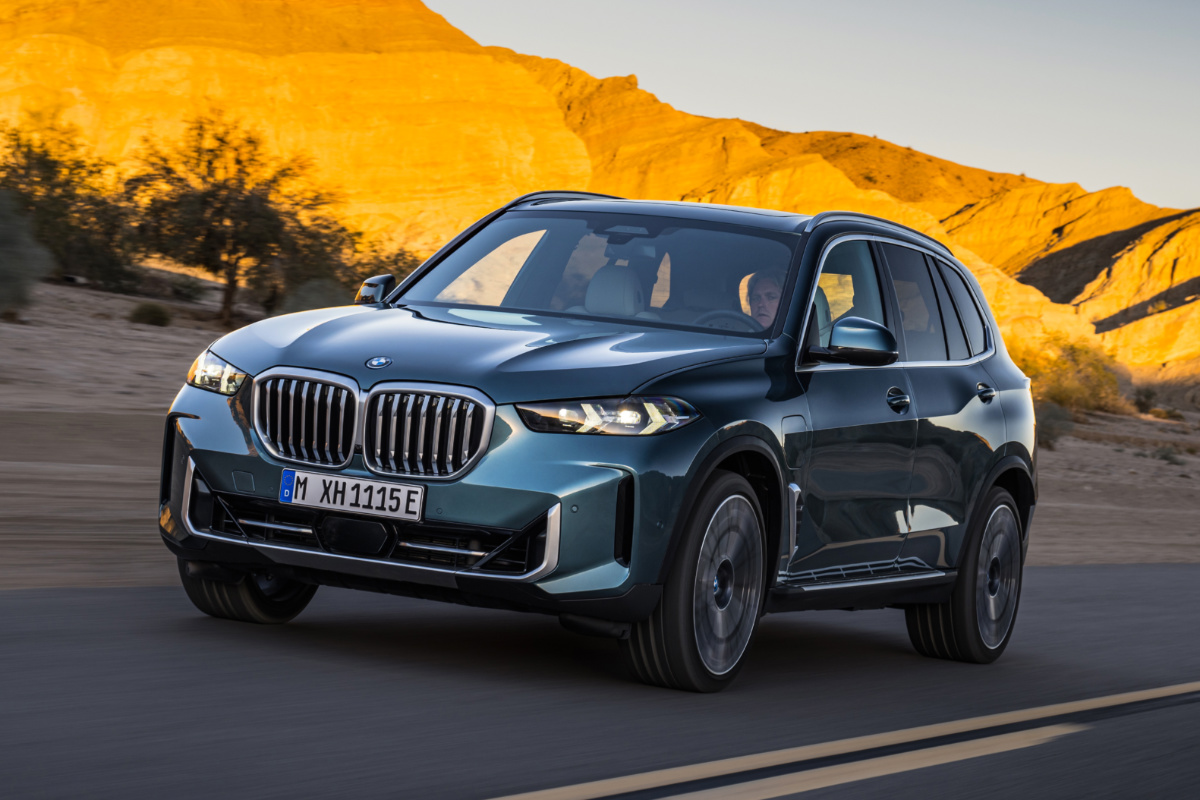
The 2024 BMW X5, last redesigned in 2019, maintained a timeless appeal, although the M Sport treatment was not universally appreciated, giving it a station wagon-like appearance. The test vehicle featured optional 21-inch “741M” wheels with staggered-width summer tires, which were considered a worthwhile upgrade despite the potential cost of tire replacement. The X5 offered a range of powertrains, including a turbocharged inline six-cylinder engine, a turbo-six PHEV powertrain, and a turbocharged V8 engine, with the high-performance X5 M Competition variant. The xDrive50e M Sport Pro specification test vehicle came with Brooklyn Grey paint, optional wheels, and all available equipment packages. The 2024 model received a light styling refresh, aligning it with other BMW models, and introduced the BMW Curved Display instrumentation and infotainment screen, modernizing the interior while retaining high-quality materials and construction.
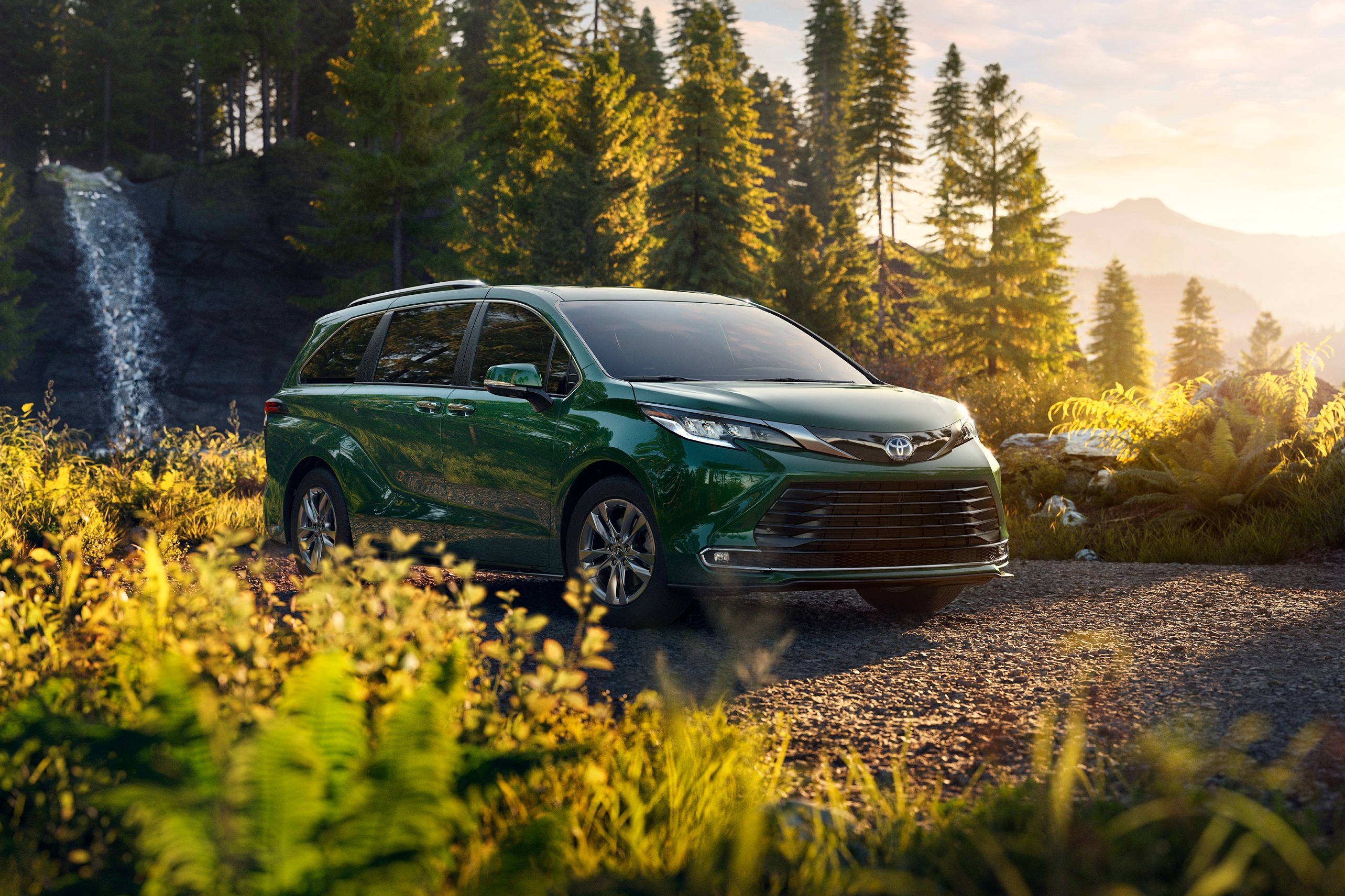
The 2025 Toyota Sienna, with its box-on-wheels design, aimed to maximize interior space, though its trapezoidal grille evoked comparisons to a hand vacuum. The Sienna featured upswept body lines, hidden sliding door tracks, and swollen rear fenders, with narrow taillights drawing a family resemblance to the Camry sedan. The Platinum package introduced new flower-petal wheel designs. Despite these efforts, the Sienna retained its minivan identity. The test vehicle, a top-of-the-line Limited with the Platinum package, was painted in Magnetic Grey and topped a Canadian lineup that included LE, XLE, and XSE trims. Prices ranged from $51,219 to $73,753, including destination charges and fees. The 2025 model updated the interior with a new woodgrain finish, though opinions on its aesthetics varied. Overall, the Sienna's interior was considered an improvement over previous iterations.

The 2024 BMW X5 xDrive50e PHEV featured new mild-hybrid six-cylinder and V8 engines, with a significant upgrade to its electric range and power output. It boasted a more powerful electric motor integrated into the eight-speed automatic transmission and a 19.2 kWh lithium-ion battery pack, doubling the maximum AC charging rate to 7.4 kW. The xDrive50e offered 63 km of electric-only driving, with a combined fuel consumption of 10.6 L/100 km. It produced 483 horsepower and 516 lb-ft of torque, accelerating to 96 km/h in 4.6 seconds. The PHEV was praised for its driving dynamics, with adaptive damping air suspension and excellent handling. It achieved an average fuel economy of 6.0 L/100 km during evaluation, making it a preferred choice for those seeking a balance of performance and efficiency.
The 2025 Toyota Sienna featured a hybrid powertrain with a 2.5-litre four-cylinder engine and a CVT, offering 245 horsepower. While not particularly powerful, the electric assist motor provided immediate torque, preventing the Sienna from feeling sluggish. The FWD model had a combined fuel consumption rating of 6.6 L/100 km, though the test vehicle averaged 8.9 L/100 km. The Sienna's handling was predictable but not particularly engaging, with a smooth and absorbent ride. The XSE trim offered a sport-tuned suspension for a slightly more dynamic driving experience. Overall, the Sienna prioritized comfort and practicality over performance.
The 2024 BMW X5 xDrive50e offered a spacious interior with room for five people and a cargo area that expanded from 937 litres to 2,016 litres with the rear seats folded. The split liftgate design provided a convenient seating area but required stretching to access deep cargo. The test vehicle featured Sensafin artificial leather upholstery, sport seats, and available 20-way power-adjustable front seats with heating and ventilation. Rear-seat passengers enjoyed comfort and a panoramic sunroof. The X5 no longer offered an optional third-row seat, requiring a step up to the BMW X7 for that feature.
The 2025 Toyota Sienna prioritized form and function, with power-adjustable, heated, and ventilated front seats in the Limited with Platinum package. The second-row captain's chairs with ottoman-style leg rests were popular with teenagers, and the third-row seat accommodated adults. The Sienna offered generous storage space, though finding secure places for large water bottles was challenging. The cargo area held 949 litres behind the third row, expanding to 2,129 litres with the third-row seats stowed. Maximum cargo capacity was 2,860 litres, less than rivals due to the non-removable second-row seats. The Sienna's design focused on practicality and ease of use.
The 2024 BMW X5 featured a BMW Curved Display with a 12.3-inch digital instrumentation panel and a 14.9-inch touchscreen infotainment system running BMW Operating System 8.5. It offered wireless Apple CarPlay and Android Auto, SiriusXM 360L, connected services, and over-the-air updates. The Intelligent Personal Assistant, however, struggled with voice recognition, leading to frustration. The available head-up display and augmented video function for navigation were praised for their effectiveness.
The 2025 Toyota Sienna's higher-spec models included a 12.3-inch digital instrumentation panel and a 12.3-inch touchscreen for the Toyota Audio Multimedia system. The Limited with Platinum package featured a four-zone climate control system, a 10-inch head-up display, and a camera-based digital rearview mirror. The TAM system offered connected services with varying subscription periods, and the digital assistant responded well to commands. The JBL premium audio system, however, produced excessive bass. The Sienna's technology package was comprehensive, with features like a digital rearview camera and surround-view camera enhancing convenience.
The 2024 BMW X5 offered the Highway Assistant hands-free driving assistance system, which worked well in specific conditions but could behave unpredictably in moderate traffic. The adaptive cruise control and lane-centring assistance performed well, though errant braking episodes were noted. The X5 received high ratings from the IIHS but missed an award due to lower headlight ratings. The NHTSA gave it a four-star overall crash-test rating.
The 2025 Toyota Sienna featured TSS 2.0, an older but preferred version of Toyota's safety suite. It included forward collision warning, automatic emergency braking, pedestrian detection, lane departure warning, lane-keeping assist, and adaptive cruise control. The Sienna added a new rear-seat reminder system for 2025. The NHTSA gave it a five-star overall rating, though it scored lower in frontal crash tests. The Sienna's safety features were effective, though vigilance was required in urban areas.
CarGurus highlights
According to CarGurus experts, the overall rating for the 2024 BMW X5 is 7.7 out of 10, while the 2025 Toyota Sienna scores 6.3 out of 10. Based on these ratings, the 2024 BMW X5 is the recommended choice for those seeking a luxury SUV with a balance of performance, technology, and comfort.
Choose the 2025 Toyota Sienna if:
- You need a practical and spacious minivan with seating for up to eight passengers.
- You appreciate a comprehensive technology package with connected services and a digital assistant.
- You prioritize safety features and a comfortable ride for family transportation.


Choose the 2024 BMW X5 if:
- You prioritize a blend of performance and efficiency with a powerful PHEV powertrain.
- You value a luxurious interior with advanced technology and comfort features.
- You seek a midsize luxury SUV with excellent driving dynamics and handling.


CarGurus highlights
According to CarGurus experts, the overall rating for the 2024 BMW X5 is 7.7 out of 10, while the 2025 Toyota Sienna scores 6.3 out of 10. Based on these ratings, the 2024 BMW X5 is the recommended choice for those seeking a luxury SUV with a balance of performance, technology, and comfort.
Choose the 2025 Toyota Sienna if:
Shop Now- You need a practical and spacious minivan with seating for up to eight passengers.
- You appreciate a comprehensive technology package with connected services and a digital assistant.
- You prioritize safety features and a comfortable ride for family transportation.
Choose the 2024 BMW X5 if:
Shop Now- You prioritize a blend of performance and efficiency with a powerful PHEV powertrain.
- You value a luxurious interior with advanced technology and comfort features.
- You seek a midsize luxury SUV with excellent driving dynamics and handling.

By: CarGurus + AI
At CarGurus, our team of experienced automotive writers remain at the heart of our content operation, conducting hands-on car tests and writing insightful guides that are backed by years of industry experience. To complement this, we are harnessing AI to make our content offering more diverse and more helpful to shoppers than ever. To achieve this, our AI systems are based exclusively on CarGurus content, ratings and data, so that what we produce is both unique to CarGurus, and uniquely helpful to car shoppers.
