2025 Hyundai Kona vs 2024 BMW X5
Overview | |
MSRP$65,200 | MSRP$24,550 |
Listings78 | Listings400 |
Ratings & Reviews | |
User Reviews | User Reviews |
Expert reviews7.7 out of 10 | Expert reviews8.0 out of 10 |
Pros
Cons
| Pros
Cons
|
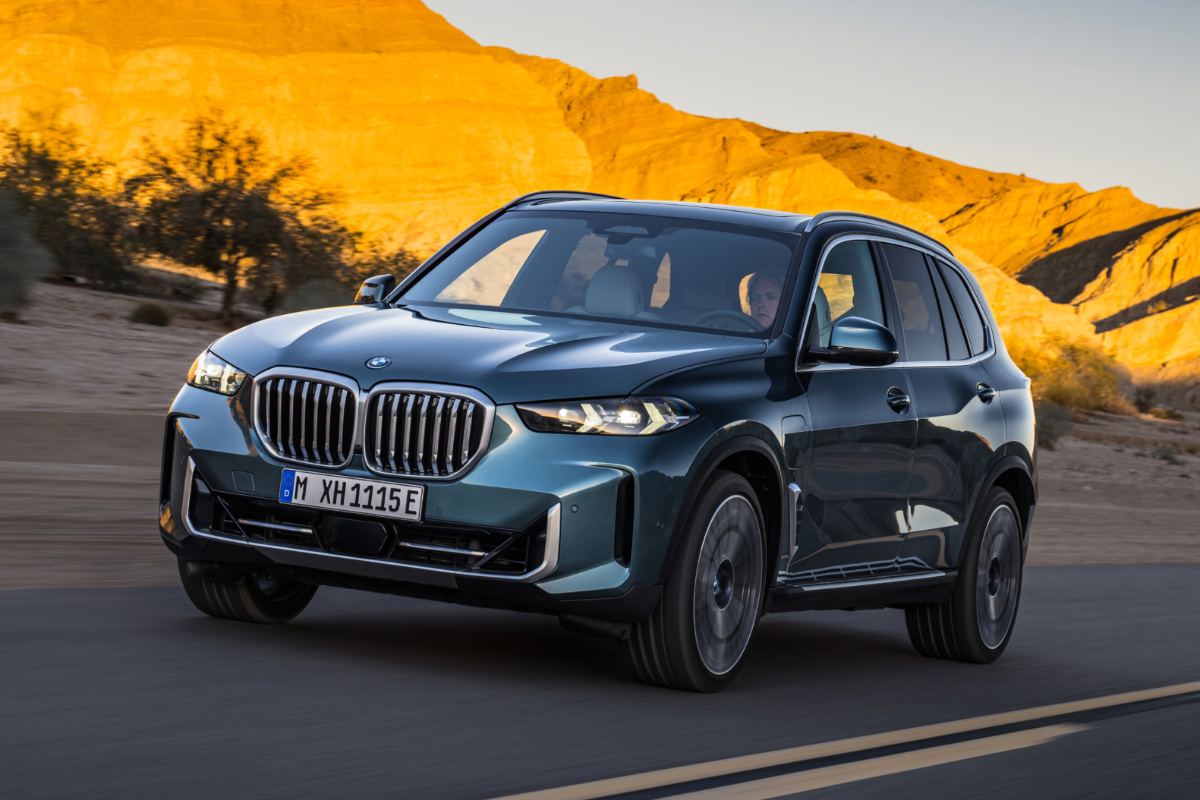
2024 BMW X5 Reviews SummaryOur test vehicle for this review was the X5 xDrive50e, the plug-in hybrid electric vehicle (PHEV) version of the X5 midsize SUV, but it’s just one of several X5 models you can buy. The xDrive40i features a satisfying turbocharged six-cylinder engine (with electric assist in the plug-in hybrid), while the M60i features a turbocharged V8 engine. Maximum performance is available in the comically fun X5 M Competition. Drive any of them, though, and it’s easy to understand why the X5 is one of BMW’s best-selling models. Verdict: Newer BMWs are losing what has always made this automaker’s cars and SUVs appealing to people who like to drive. Fortunately, the 2024 BMW X5 hasn’t succumbed to the trend. In xDrive50e specification, it remains a delight to drive while supplying about 63 kilometres of electric-only range before its gasoline-fueled turbo six turns on. | |
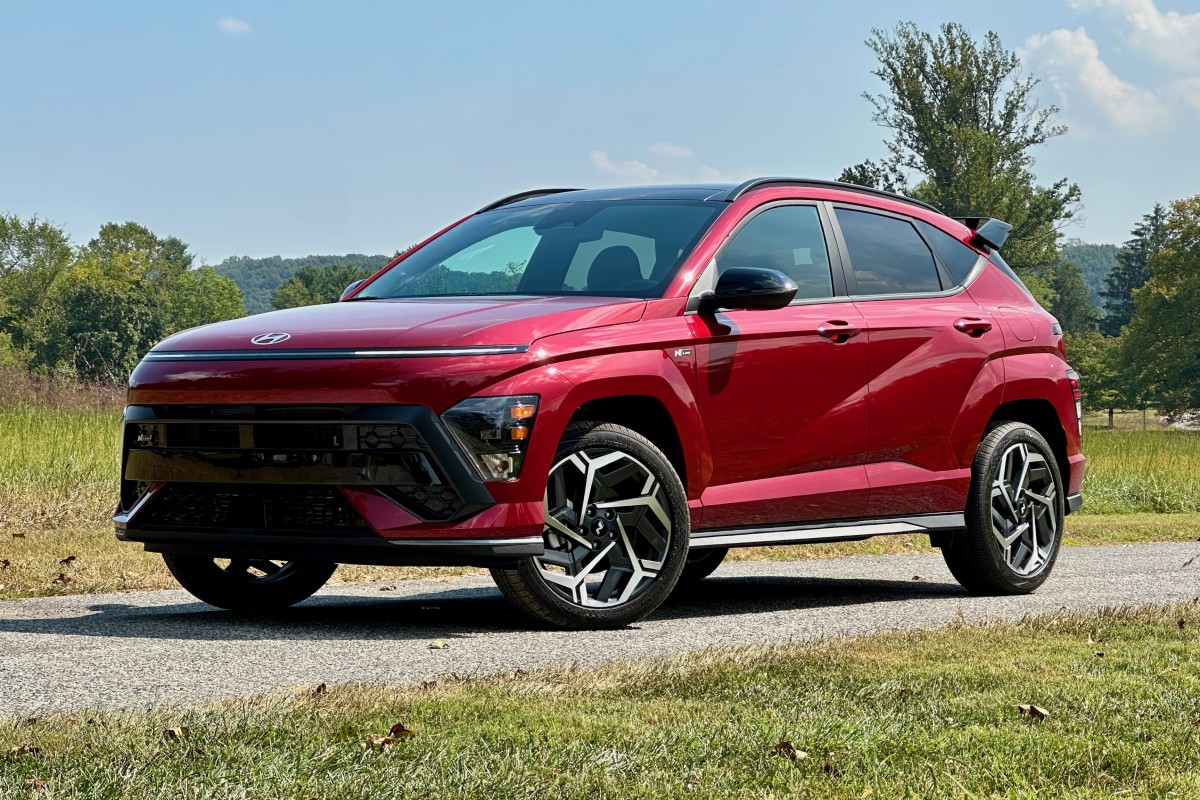
2025 Hyundai Kona Reviews SummaryThat there are no major changes for the 2025 Hyundai Kona is neither a surprise nor a bad thing. Not a surprise because this second-generation model only made its debut a year ago, making it too soon to expect any major updates. And not a bad thing because, frankly, the second-generation Kona was already a great subcompact SUV. Time does not stand still, though, particularly when it comes to crossovers, so it’s time to find out how the Kona performs one year on and whether it continues to deliver value in an increasingly busy part of the market. | |
No video found | |
Popular Features & Specs | |
Engine3.0L 375 hp I6 | Engine2.0L 147 hp I4 |
DrivetrainRWD | DrivetrainFWD |
Seating Capacity5 | Seating Capacity5 |
Horsepower375 hp @ 5200 rpm | Horsepower147 hp @ 6200 rpm |
MPG City23 | MPG City28 |
MPG Highway27 | MPG Highway35 |
Engine | |
Engine Name3.0L 375 hp I6 | Engine Name2.0L 147 hp I4 |
Torque398 lb-ft @ 1850 rpm | Torque132 lb-ft @ 4500 rpm |
Horsepower375 hp @ 5200 rpm | Horsepower147 hp @ 6200 rpm |
DrivetrainRWD | DrivetrainFWD |
Fuel Economy | |
MPG City23 | MPG City28 |
MPG Highway27 | MPG Highway35 |
Interior | |
Seating Capacity5 | Seating Capacity5 |
Key Features | |
Navigation SystemStandard | Navigation SystemStandard |
Sunroof/MoonroofStandard | Sunroof/Moonroof |
Safety | |
Front Crash Overall4 | Front Crash Overall4 |
Side Crash Overall5 | Side Crash Overall5 |
Dimensions & Capacity | |
Cargo Space33.9 cu ft | Cargo Space25.5 cu ft |
Curb Weight4919 lbs | Curb Weight3005 lbs |
Height69.1 in | Height62.2 in |
Length194.2 in | Length171.3 in |
Width87.3 in | Width71.9 in |
Wheelbase117.1 in | Wheelbase104.7 in |
Maximum Payload1054 lbs | Maximum Payload1085 lbs |
Number of doors4 | Number of doors4 |
Maximum Towing Capacity7200 lbs | Maximum Towing Capacity |
Overview | ||
MSRP | $65,200 | $24,550 |
Listings | ||
Ratings & Reviews | ||
User reviews | ||
Expert reviews | 7.7 out of 10Read full review | 8.0 out of 10Read full review |
Pros & cons | Pros
Cons
| Pros
Cons
|
Summary | Our test vehicle for this review was the X5 xDrive50e, the plug-in hybrid electric vehicle (PHEV) version of the X5 midsize SUV, but it’s just one of several X5 models you can buy. The xDrive40i features a satisfying turbocharged six-cylinder engine (with electric assist in the plug-in hybrid), while the M60i features a turbocharged V8 engine. Maximum performance is available in the comically fun X5 M Competition. Drive any of them, though, and it’s easy to understand why the X5 is one of BMW’s best-selling models. Verdict: Newer BMWs are losing what has always made this automaker’s cars and SUVs appealing to people who like to drive. Fortunately, the 2024 BMW X5 hasn’t succumbed to the trend. In xDrive50e specification, it remains a delight to drive while supplying about 63 kilometres of electric-only range before its gasoline-fueled turbo six turns on. | That there are no major changes for the 2025 Hyundai Kona is neither a surprise nor a bad thing. Not a surprise because this second-generation model only made its debut a year ago, making it too soon to expect any major updates. And not a bad thing because, frankly, the second-generation Kona was already a great subcompact SUV. Time does not stand still, though, particularly when it comes to crossovers, so it’s time to find out how the Kona performs one year on and whether it continues to deliver value in an increasingly busy part of the market. |
Video | No video found | |
Popular Features & Specs | ||
Engine | 3.0L 375 hp I6 | 2.0L 147 hp I4 |
Drivetrain | RWD | FWD |
Seating Capacity | 5 | 5 |
Horsepower | 375 hp @ 5200 rpm | 147 hp @ 6200 rpm |
MPG City | 23 | 28 |
MPG Highway | 27 | 35 |
Engine | ||
Engine Name | 3.0L 375 hp I6 | 2.0L 147 hp I4 |
Torque | 398 lb-ft @ 1850 rpm | 132 lb-ft @ 4500 rpm |
Horsepower | 375 hp @ 5200 rpm | 147 hp @ 6200 rpm |
Drivetrain | RWD | FWD |
Fuel Economy | ||
MPG City | 23 | 28 |
MPG Highway | 27 | 35 |
Interior | ||
Seating Capacity | 5 | 5 |
Key Features | ||
Navigation System | Standard | Standard |
Sunroof/Moonroof | Standard | |
Safety | ||
Front Crash Overall | 4 | 4 |
Side Crash Overall | 5 | 5 |
Dimensions & Capacity | ||
Cargo Space | 33.9 cu ft | 25.5 cu ft |
Curb Weight | 4919 lbs | 3005 lbs |
Height | 69.1 in | 62.2 in |
Length | 194.2 in | 171.3 in |
Width | 87.3 in | 71.9 in |
Wheelbase | 117.1 in | 104.7 in |
Maximum Payload | 1054 lbs | 1085 lbs |
Number of doors | 4 | 4 |
Maximum Towing Capacity | 7200 lbs | |
The 2024 BMW X5, last redesigned in 2019, maintained a timeless appeal, although the M Sport treatment was not universally appreciated, giving it a station wagon-like appearance. The test vehicle featured optional 21-inch “741M” wheels with staggered-width summer tires, which were considered a worthwhile upgrade despite the potential cost of tire replacement. The X5 offered a range of powertrains, including a turbocharged inline six-cylinder engine, a turbo-six PHEV powertrain, and a turbocharged V8 engine, with the high-performance X5 M Competition variant. The xDrive50e M Sport Pro specification test vehicle came with Brooklyn Grey paint, optional wheels, and all available equipment packages. The 2024 model received a light styling refresh, aligning it with other BMW models, and introduced the BMW Curved Display instrumentation and infotainment screen, modernizing the interior while retaining high-quality materials and construction.
The 2025 Hyundai Kona, visually unchanged from the 2024 model, retained a fresh and distinctive appearance in the crossover class. Its flush, single-piece grille and ultra-slim LED light bars gave even the gas-powered models a futuristic look. The Kona's increased size, about 15 centimetres longer than its predecessor, improved interior space and provided a more assertive stance. The Kona N Line featured a sportier design with body-coloured bumpers and cladding. Other trims, Essential and Preferred, offered progressively larger alloy wheels and standard LED lighting. The interior remained unchanged from 2024, providing a solid and airy feel with sufficient tech features. The Trend package added a sunroof and powered liftgate to the Preferred trim, while the N Line included these features as standard.

The 2024 BMW X5 introduced new mild-hybrid six-cylinder and V8 engines, with significant enhancements to the xDrive50e PHEV's electric range and power output. The PHEV featured a more powerful electric motor integrated into the eight-speed automatic transmission and a 19.2 kWh lithium-ion battery pack, doubling the maximum AC charging rate to 7.4 kW. The xDrive50e offered 63 kilometres of electric-only driving, with a combined fuel efficiency of 10.6 L/100 km. It produced 483 horsepower and 516 lb-ft of torque, accelerating to 96 km/h in 4.6 seconds. The PHEV was praised for its driving dynamics, adaptive damping air suspension, and excellent visibility. It excelled in both city and highway driving, achieving an average fuel economy of 6.0 L/100 km during evaluation.
The 2025 Hyundai Kona offered a choice between a 2.0-litre naturally aspirated four-cylinder engine with 147 horsepower and 132 lb-ft of torque, paired with an Intelligent Variable Transmission, and a more powerful 1.6-litre turbocharged four-cylinder engine with 190 horsepower and 195 lb-ft of torque, mated to an eight-speed automatic transmission. The turbo engine provided a broader torque band, enhancing performance. All-wheel drive was available on Essential and Preferred trims and standard on the N Line, offering a more sophisticated ride with a multi-link rear suspension. The Kona prioritized competence in ride and handling, with AWD models providing a more refined experience.
The 2024 BMW X5 excelled as a midsize luxury SUV, accommodating five passengers in two rows with a 937-litre cargo area, expandable to 2,016 litres with the rear seats folded. The split liftgate design offered a convenient seating area but required stretching to access deep cargo. The test vehicle featured Sensafin artificial leather upholstery, standard sport seats, and optional 20-way power-adjustable front seats with heating and ventilation. Four-zone automatic climate control, a heated steering wheel, and heated rear seats were available. The panoramic sunroof extended over the back seat, enhancing the view, while side window sunshades provided additional comfort.
The 2025 Hyundai Kona offered 723 litres of cargo capacity with rear seats in place, expanding to 1,803 litres when folded. Rear legroom measured 970 millimetres, with 972 mm of headroom, ensuring comfort for most passengers. The front seats provided a generous range of movement, complemented by a reach- and height-adjustable steering wheel. The drive selector's relocation created additional storage space, enhancing the sense of roominess. The Essential and Preferred trims featured cloth upholstery, with leatherette available in the Trend package and Alcantara sport seats in the N Line. Heated front seats were standard in Canada, with a heated steering wheel available in the Preferred trim. Dual-zone automatic climate control was included in the Preferred’s Trend package and the N Line trim.
The 2024 BMW X5 featured a BMW Curved Display, combining a 12.3-inch digital instrumentation panel with a 14.9-inch touchscreen infotainment system. The system ran BMW Operating System 8.5, offering wireless Apple CarPlay and Android Auto, SiriusXM 360L satellite radio, and over-the-air software updates. The Intelligent Personal Assistant, however, struggled with voice recognition, affecting its usability. The available head-up display effectively conveyed data, while the augmented video function for navigation provided a forward-facing camera view.
The 2025 Hyundai Kona included a 12.3-inch central touchscreen infotainment display across all trims, with wireless Android Auto and Apple CarPlay as standard. The Preferred trim with the Trend package and the N Line trim offered wireless smartphone charging and Hyundai’s digital key. The N Line featured a 12.3-inch digital instrument cluster, enhancing customization and cohesion. The N Line with the Ultimate package provided an eight-speaker Bose audio system and built-in navigation, while all trims included SiriusXM and Hyundai’s Bluelink connectivity for over-the-air updates.
The 2024 BMW X5 offered the Highway Assistant hands-free driving assistance system, requiring deliberate activation. It performed well in dense traffic and at higher speeds but occasionally engaged brakes unexpectedly. The adaptive cruise control and lane-centring assistance operated subtly, enhancing usability. The X5 received high ratings from the IIHS, though lower headlight ratings prevented an award. The NHTSA gave it a four-star overall crash-test rating.
The 2025 Hyundai Kona impressed with standard safety features, including Forward Collision-Avoidance Assist, Lane Keeping Assist, Blind-Spot Collision Warning, and more. The Preferred trim added enhanced Forward Collision-Avoidance Assist, while the N Line with the Ultimate package included advanced features like Highway Driving Assist. All Konas featured six airbags, electronic stability control, and a tire pressure monitoring system. The Kona earned a Top Safety Pick+ from the IIHS.
CarGurus highlights
According to CarGurus experts, the overall rating for the 2024 BMW X5 is 7.7 out of 10, while the 2025 Hyundai Kona scores 8.0 out of 10. Based on these ratings, the 2025 Hyundai Kona is recommended for its higher overall score, offering a compelling combination of design, safety, and value.
Choose the 2025 Hyundai Kona if:
- You seek a compact crossover with a futuristic design and ample cargo space.
- You want a vehicle with comprehensive standard safety features and high safety ratings.
- You prefer a more affordable option with efficient engine choices and available all-wheel drive.


Choose the 2024 BMW X5 if:
- You prioritize a luxury SUV with impressive driving dynamics and a refined interior.
- You value a plug-in hybrid option with substantial electric range and power.
- You appreciate advanced technology features, including a curved display and head-up display.


CarGurus highlights
According to CarGurus experts, the overall rating for the 2024 BMW X5 is 7.7 out of 10, while the 2025 Hyundai Kona scores 8.0 out of 10. Based on these ratings, the 2025 Hyundai Kona is recommended for its higher overall score, offering a compelling combination of design, safety, and value.
Choose the 2025 Hyundai Kona if:
Shop Now- You seek a compact crossover with a futuristic design and ample cargo space.
- You want a vehicle with comprehensive standard safety features and high safety ratings.
- You prefer a more affordable option with efficient engine choices and available all-wheel drive.
Choose the 2024 BMW X5 if:
Shop Now- You prioritize a luxury SUV with impressive driving dynamics and a refined interior.
- You value a plug-in hybrid option with substantial electric range and power.
- You appreciate advanced technology features, including a curved display and head-up display.

By: CarGurus + AI
At CarGurus, our team of experienced automotive writers remain at the heart of our content operation, conducting hands-on car tests and writing insightful guides that are backed by years of industry experience. To complement this, we are harnessing AI to make our content offering more diverse and more helpful to shoppers than ever. To achieve this, our AI systems are based exclusively on CarGurus content, ratings and data, so that what we produce is both unique to CarGurus, and uniquely helpful to car shoppers.
