Volvo XC60 vs Kia EV6
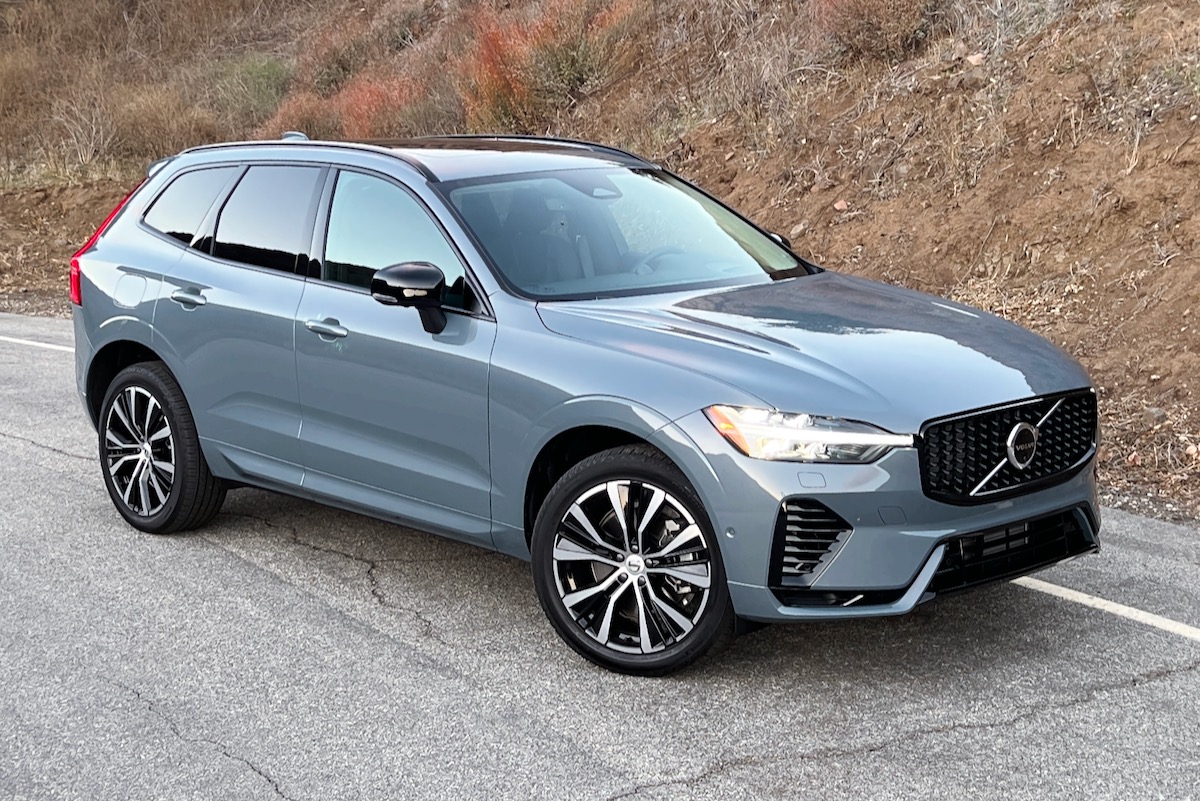
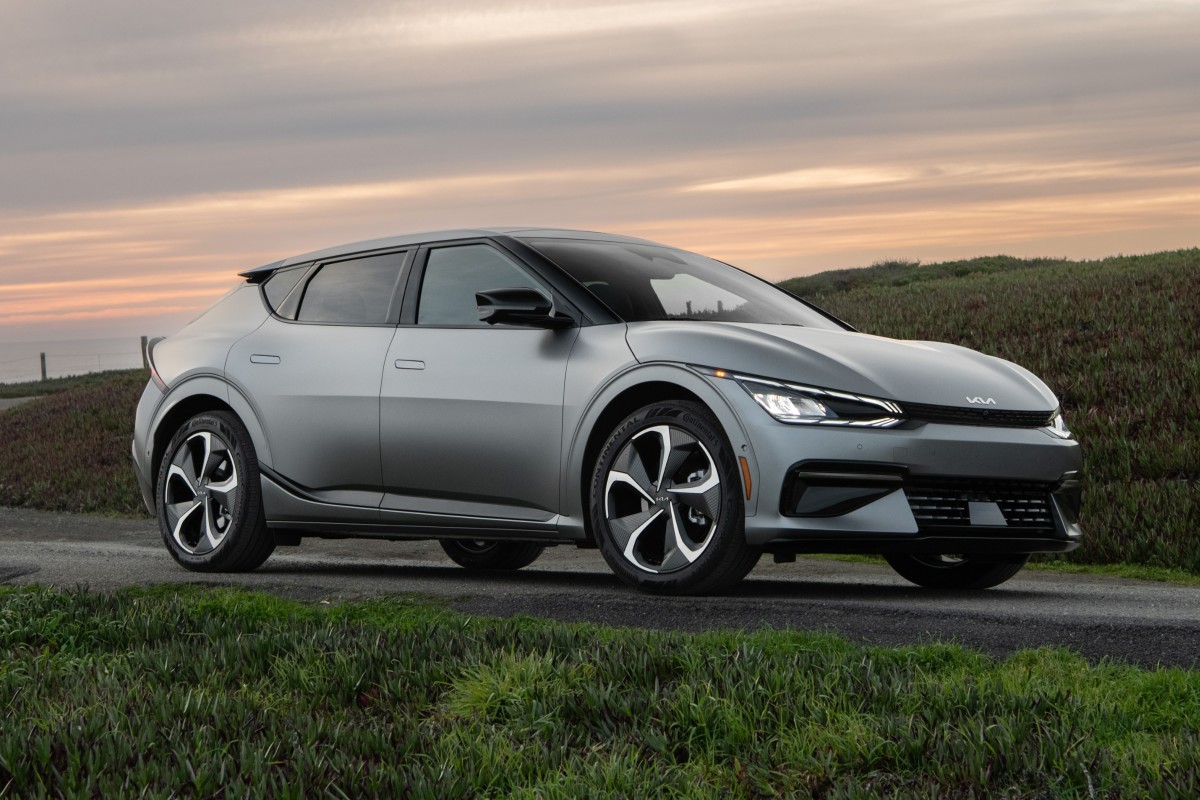
Overview | |
MSRP$43,450 | MSRP$40,900 |
Listings890 | Listings224 |
Ratings & Reviews | |
User Reviews | User Reviews |
Expert reviews8.0 out of 10 | Expert reviews7.7 out of 10 |
Pros
Cons
| |
Reviews SummaryPlug-in hybrid electric vehicles (PHEVs) are smart for certain consumers. They allow people to give electric vehicle ownership a try before diving into the deep end of the pool by acclimating people to nightly plug-ins and the benefits of electric-only driving. At the same time, they eliminate a phenomenon called “range anxiety,” which is the mild panic EV drivers may feel when their battery gets low. That’s because they also have a gasoline engine, and that means you can take a cross-country trip in one without ever needing to find a charging station. Talk about a win-win situation. And among luxury PHEVs, the 2023 Volvo XC60 Recharge is an appealing choice. But it certainly does not come cheap. | |
Reviews SummaryWe didn't expect them to go there. But the designers and engineers behind the 2022 Kia EV6 did—and deleted the template of their company's affordable, cost-conscious brand. This is an electric performance car that can genuinely compete with a Tesla Model 3 on everything from tech to style to acceleration to charging time. It's a masterclass of fresh thinking in a market segment dominated by rehashed ideas. And yet, it's hampered by the same major problems that, for decades, remain unresolved. The EV6 would be amazing with battery technology that hasn't yet been invented. For now, we'll tell you what the present life is like with this most unusual and exciting Kia in years. | |
No video found | |
Popular Features & Specs | |
Engine2.0L 247 hp I4 | Engine167 hp Electric |
Drive TrainFWD | Drive TrainRWD |
Seating Capacity5 | Seating Capacity5 |
Horsepower247 hp @ 5500 rpm | Horsepower |
EV Battery Capacity | EV Battery Capacity58 kWh |
MPG City23 | MPG City136 |
MPG Highway30 | MPG Highway100 |
Battery Charge Time (120V) | Battery Charge Time (120V)51 hours |
Engine | |
Engine Name2.0L 247 hp I4 | Engine Name167 hp Electric |
Torque258 lb-ft @ 1500 rpm | Torque |
Horsepower247 hp @ 5500 rpm | Horsepower |
Battery Charge Time (120V) | Battery Charge Time (120V)51 hours |
DrivetrainFWD | DrivetrainRWD |
Fuel Economy | |
EV Battery Capacity | EV Battery Capacity58 kWh |
MPG City23 | MPG City136 |
MPG Highway30 | MPG Highway100 |
Interior | |
Seating Capacity5 | Seating Capacity5 |
Key Features | |
Navigation SystemStandard | Navigation SystemStandard |
Sunroof/MoonroofStandard | Sunroof/Moonroof |
Safety | |
Front Crash Overall5 | Front Crash Overall5 |
Side Crash Overall5 | Side Crash Overall5 |
Dimensions & Capacity | |
Cargo Space17.1 cu ft | Cargo Space24.4 cu ft |
Curb Weight4023 lbs | Curb Weight4017 lbs |
Height65.4 in | Height60.8 in |
Length185.4 in | Length184.3 in |
Width83.3 in | Width74.0 in |
Wheelbase112.8 in | Wheelbase114.2 in |
Maximum Payload950 lbs | Maximum Payload987 lbs |
Number of doors4 | Number of doors4 |
Maximum Towing Capacity3500 lbs | Maximum Towing Capacity |
Overview | ||
MSRP | $43,450 | $40,900 |
Listings | ||
Ratings & Reviews | ||
User reviews | ||
Expert reviews | 8.0 out of 10Read full review | 7.7 out of 10Read full review |
Pros & cons | Pros
Cons
| |
Summary | Plug-in hybrid electric vehicles (PHEVs) are smart for certain consumers. They allow people to give electric vehicle ownership a try before diving into the deep end of the pool by acclimating people to nightly plug-ins and the benefits of electric-only driving. At the same time, they eliminate a phenomenon called “range anxiety,” which is the mild panic EV drivers may feel when their battery gets low. That’s because they also have a gasoline engine, and that means you can take a cross-country trip in one without ever needing to find a charging station. Talk about a win-win situation. And among luxury PHEVs, the 2023 Volvo XC60 Recharge is an appealing choice. But it certainly does not come cheap. | We didn't expect them to go there. But the designers and engineers behind the 2022 Kia EV6 did—and deleted the template of their company's affordable, cost-conscious brand. This is an electric performance car that can genuinely compete with a Tesla Model 3 on everything from tech to style to acceleration to charging time. It's a masterclass of fresh thinking in a market segment dominated by rehashed ideas. And yet, it's hampered by the same major problems that, for decades, remain unresolved. The EV6 would be amazing with battery technology that hasn't yet been invented. For now, we'll tell you what the present life is like with this most unusual and exciting Kia in years. |
Video | No video found | |
Popular Features & Specs | ||
Engine | 2.0L 247 hp I4 | 167 hp Electric |
Drive Train | FWD | RWD |
Seating Capacity | 5 | 5 |
Horsepower | 247 hp @ 5500 rpm | |
EV Battery Capacity | 58 kWh | |
MPG City | 23 | 136 |
MPG Highway | 30 | 100 |
Battery Charge Time (120V) | 51 hours | |
Engine | ||
Engine Name | 2.0L 247 hp I4 | 167 hp Electric |
Torque | 258 lb-ft @ 1500 rpm | |
Horsepower | 247 hp @ 5500 rpm | |
Battery Charge Time (120V) | 51 hours | |
Drivetrain | FWD | RWD |
Fuel Economy | ||
EV Battery Capacity | 58 kWh | |
MPG City | 23 | 136 |
MPG Highway | 30 | 100 |
Interior | ||
Seating Capacity | 5 | 5 |
Key Features | ||
Navigation System | Standard | Standard |
Sunroof/Moonroof | Standard | |
Safety | ||
Front Crash Overall | 5 | 5 |
Side Crash Overall | 5 | 5 |
Dimensions & Capacity | ||
Cargo Space | 17.1 cu ft | 24.4 cu ft |
Curb Weight | 4023 lbs | 4017 lbs |
Height | 65.4 in | 60.8 in |
Length | 185.4 in | 184.3 in |
Width | 83.3 in | 74.0 in |
Wheelbase | 112.8 in | 114.2 in |
Maximum Payload | 950 lbs | 987 lbs |
Number of doors | 4 | 4 |
Maximum Towing Capacity | 3500 lbs | |






By: CarGurus + AI
At CarGurus, our team of experienced automotive writers remain at the heart of our content operation, conducting hands-on car tests and writing insightful guides that are backed by years of industry experience. To complement this, we are harnessing AI to make our content offering more diverse and more helpful to shoppers than ever. To achieve this, our AI systems are based exclusively on CarGurus content, ratings and data, so that what we produce is both unique to CarGurus, and uniquely helpful to car shoppers.

