Volkswagen Taos vs Toyota bZ
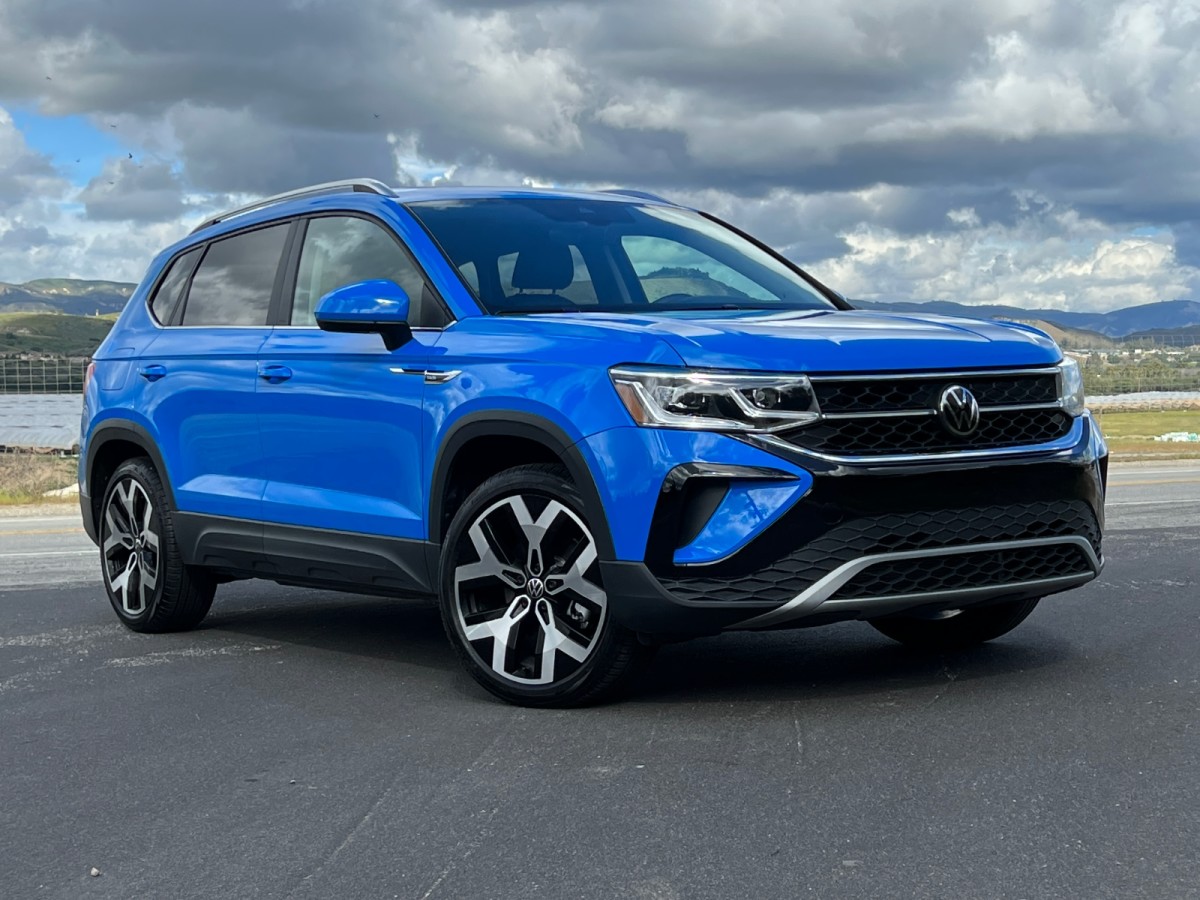
Overview | |
Years produced2022-Present | Years produced2026-Present |
MSRP$24,155 | MSRP$34,900 |
Listings2314 | Listings302 |
Ratings & Reviews | |
User Reviews | User Reviews |
Expert reviews6.3 out of 10 | Expert reviews6.5 out of 10 |
Pros
Cons
| |
Reviews SummaryOffering available all-wheel drive, a higher driving position, a roomy interior for four people, and plenty of utility, entry-level SUVs pay dividends in exchange for their higher price tags. Volkswagen introduced its new, most affordable crossover in 2022, and the 2023 Taos adds more standard safety features and equipment. Otherwise, aside from a lack of engine power and drivetrain refinement, it remains an appealing choice in the small SUV segment. | |
Reviews SummaryReaders are looking at the electric vehicle formerly known as the bZ4X. It wears a shorter name for 2026, but that’s not the big news. More power, up to 468 kilometres of range, a standard NACS charging port (with a CCS adapter), and Plug & Charge capability are all major improvements. Toyota has also tidied up the styling inside and out and added a larger infotainment screen. Verdict: With the refreshed 2026 bZ, Toyota has fixed the bZ4X’s most significant flaws, making this a genuinely competitive model at a comparatively affordable price. | |
No video found | No video found |
Popular Features & Specs | |
Engine1.5L 158 hp I4 | Engine168 hp Electric |
DrivetrainFWD | DrivetrainFWD |
Seating Capacity5 | Seating Capacity5 |
EV Battery Capacity | EV Battery Capacity57.7 kWh |
MPG City28 | MPG City143 |
MPG Highway36 | MPG Highway119 |
Battery Charge Time (240V) | Battery Charge Time (240V)6 hours |
Engine | |
Engine Name1.5L 158 hp I4 | Engine Name168 hp Electric |
Battery Charge Time (240V) | Battery Charge Time (240V)6 hours |
DrivetrainFWD | DrivetrainFWD |
Fuel Economy | |
EV Battery Capacity | EV Battery Capacity57.7 kWh |
MPG City28 | MPG City143 |
MPG Highway36 | MPG Highway119 |
Interior | |
Seating Capacity5 | Seating Capacity5 |
Key Features | |
Navigation System | Navigation SystemOptional |
Safety | |
Front Crash Overall4 | Front Crash Overall |
Side Crash Overall5 | Side Crash Overall |
Dimensions & Capacity | |
Cargo Space27.9 cu ft | Cargo Space27.7 cu ft |
Curb Weight3175 lbs | Curb Weight4057 lbs |
Height64.4 in | Height65.0 in |
Length175.8 in | Length184.6 in |
Width72.5 in | Width73.2 in |
Wheelbase105.9 in | Wheelbase112.2 in |
Maximum Payload937 lbs | Maximum Payload1045 lbs |
Number of doors4 | Number of doors4 |
Overview | ||
Years produced | 2022-Present | 2026-Present |
MSRP | $24,155 | $34,900 |
Listings | ||
Ratings & Reviews | ||
User reviews | ||
Expert reviews | 6.3 out of 10Read full review | 6.5 out of 10Read full review |
Pros & cons | Pros
Cons
| |
Summary | Offering available all-wheel drive, a higher driving position, a roomy interior for four people, and plenty of utility, entry-level SUVs pay dividends in exchange for their higher price tags. Volkswagen introduced its new, most affordable crossover in 2022, and the 2023 Taos adds more standard safety features and equipment. Otherwise, aside from a lack of engine power and drivetrain refinement, it remains an appealing choice in the small SUV segment. | Readers are looking at the electric vehicle formerly known as the bZ4X. It wears a shorter name for 2026, but that’s not the big news. More power, up to 468 kilometres of range, a standard NACS charging port (with a CCS adapter), and Plug & Charge capability are all major improvements. Toyota has also tidied up the styling inside and out and added a larger infotainment screen. Verdict: With the refreshed 2026 bZ, Toyota has fixed the bZ4X’s most significant flaws, making this a genuinely competitive model at a comparatively affordable price. |
Video | No video found | No video found |
Popular Features & Specs | ||
Engine | 1.5L 158 hp I4 | 168 hp Electric |
Drivetrain | FWD | FWD |
Seating Capacity | 5 | 5 |
EV Battery Capacity | 57.7 kWh | |
MPG City | 28 | 143 |
MPG Highway | 36 | 119 |
Battery Charge Time (240V) | 6 hours | |
Engine | ||
Engine Name | 1.5L 158 hp I4 | 168 hp Electric |
Battery Charge Time (240V) | 6 hours | |
Drivetrain | FWD | FWD |
Fuel Economy | ||
EV Battery Capacity | 57.7 kWh | |
MPG City | 28 | 143 |
MPG Highway | 36 | 119 |
Interior | ||
Seating Capacity | 5 | 5 |
Key Features | ||
Navigation System | Optional | |
Safety | ||
Front Crash Overall | 4 | |
Side Crash Overall | 5 | |
Dimensions & Capacity | ||
Cargo Space | 27.9 cu ft | 27.7 cu ft |
Curb Weight | 3175 lbs | 4057 lbs |
Height | 64.4 in | 65.0 in |
Length | 175.8 in | 184.6 in |
Width | 72.5 in | 73.2 in |
Wheelbase | 105.9 in | 112.2 in |
Maximum Payload | 937 lbs | 1045 lbs |
Number of doors | 4 | 4 |


By: CarGurus + AI
At CarGurus, our team of experienced automotive writers remain at the heart of our content operation, conducting hands-on car tests and writing insightful guides that are backed by years of industry experience. To complement this, we are harnessing AI to make our content offering more diverse and more helpful to shoppers than ever. To achieve this, our AI systems are based exclusively on CarGurus content, ratings and data, so that what we produce is both unique to CarGurus, and uniquely helpful to car shoppers.
