2025 Volkswagen Atlas vs 2024 Jeep Wrangler 4xe
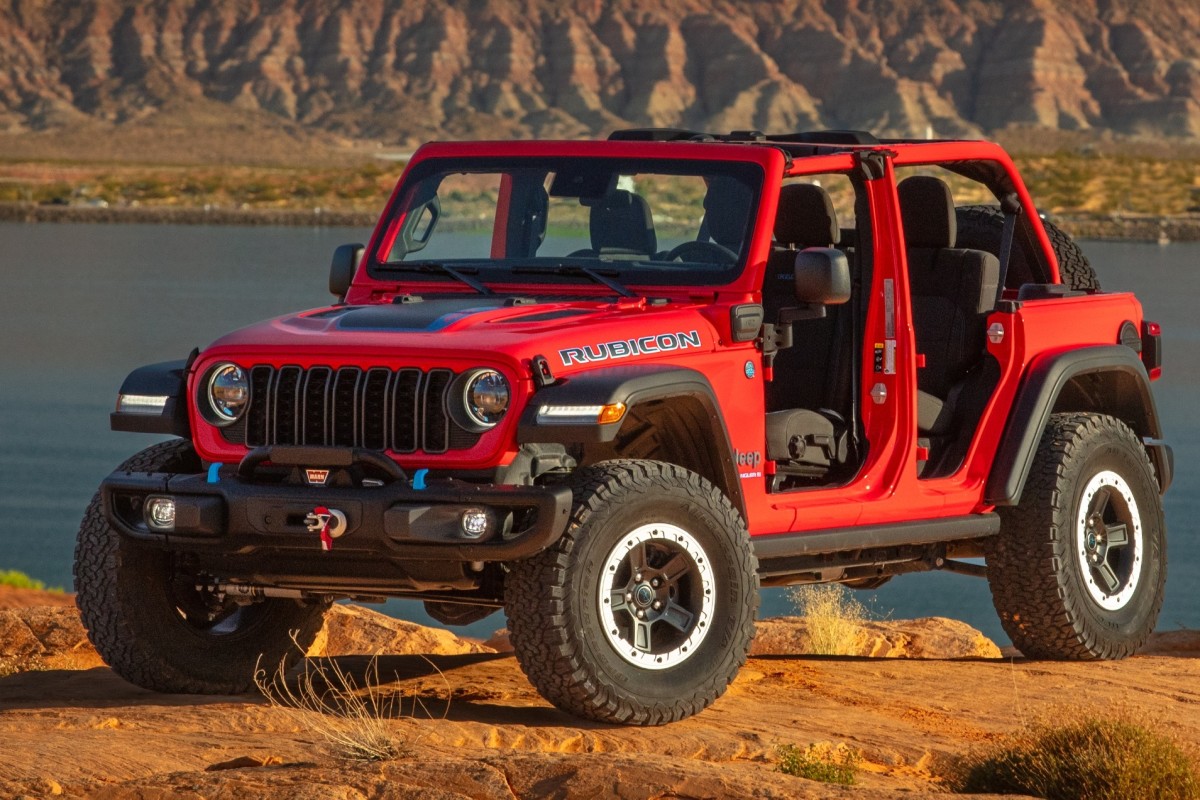
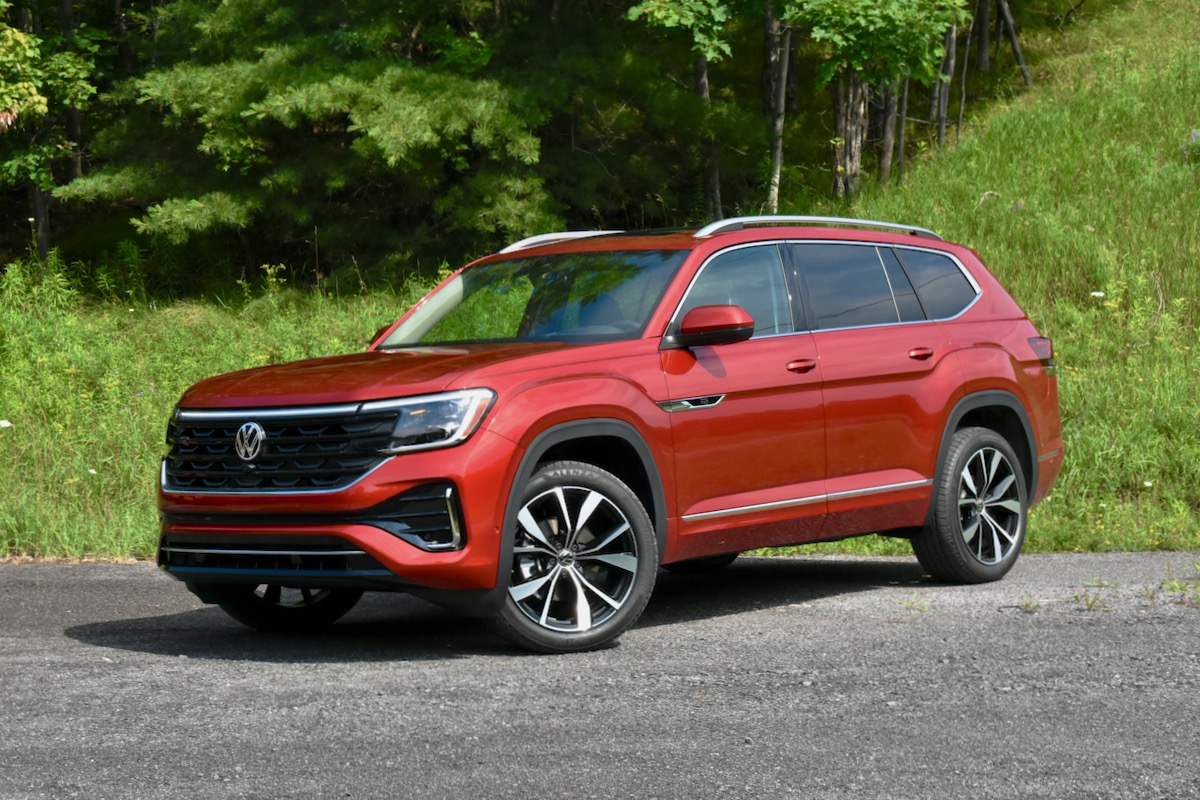
Overview | |
MSRP$50,695 | MSRP$38,200 |
Listings148 | Listings134 |
Ratings & Reviews | |
User Reviews | User Reviews |
Expert reviews | Expert reviews6.7 out of 10 |
Pros
Cons
| |
2024 Jeep Wrangler 4xe Reviews Summary | |
2025 Volkswagen Atlas Reviews SummaryThe 2025 Atlas is Volkswagen’s midsize, three-row crossover SUV. It debuted for the 2018 model year, designed specifically for North America and manufactured in VW’s Chattanooga, Tennessee, assembly plant. Over the years, it has received numerous updates to keep it fresh and technologically competitive, most recently for 2024 when styling, powertrain, and tech upgrades were introduced. The 2025 Atlas therefore arrives with only minor updates. Verdict: This family-sized SUV has more interior space than most rivals, making the 2025 VW Atlas a great choice if passenger and cargo room are high on your list of requirements. However, unimpressive fuel economy, dissatisfying ride quality, and a sometimes-infuriating infotainment interface could have you mapping out alternatives to an Atlas. | |
No video found | No video found |
Popular Features & Specs | |
Engine2.0L 375 hp I4 Hybrid | Engine2.0L 269 hp I4 |
Drive Train4X4 | Drive TrainFWD |
Seating Capacity5 | Seating Capacity7 |
Horsepower375 hp @ 5250 rpm | Horsepower |
EV Battery Capacity17.3 kWh | EV Battery Capacity |
MPG City20 | MPG City20 |
MPG Highway20 | MPG Highway26 |
Battery Charge Time (120V)17.5 hours | Battery Charge Time (120V) |
Battery Charge Time (240V)2.5 hours | Battery Charge Time (240V) |
Engine | |
Engine Name2.0L 375 hp I4 Hybrid | Engine Name2.0L 269 hp I4 |
Torque470 lb-ft @ 3000 rpm | Torque |
Horsepower375 hp @ 5250 rpm | Horsepower |
Battery Charge Time (120V)17.5 hours | Battery Charge Time (120V) |
Battery Charge Time (240V)2.5 hours | Battery Charge Time (240V) |
Drivetrain4X4 | DrivetrainFWD |
Fuel Economy | |
EV Battery Capacity17.3 kWh | EV Battery Capacity |
MPG City20 | MPG City20 |
MPG Highway20 | MPG Highway26 |
Interior | |
Seating Capacity5 | Seating Capacity7 |
Safety | |
Front Crash Overall | Front Crash Overall4 |
Side Crash Overall | Side Crash Overall5 |
Dimensions & Capacity | |
Cargo Space27.7 cu ft | Cargo Space20.6 cu ft |
Curb Weight5049 lbs | Curb Weight4343 lbs |
Height73.5 in | Height70.4 in |
Length188.4 in | Length200.7 in |
Width73.9 in | Width88.5 in |
Wheelbase118.4 in | Wheelbase117.3 in |
Maximum Payload1398 lbs | Maximum Payload1091 lbs |
Number of doors4 | Number of doors4 |
Maximum Towing Capacity3500 lbs | Maximum Towing Capacity2000 lbs |
Overview | ||
MSRP | $50,695 | $38,200 |
Listings | ||
Ratings & Reviews | ||
User reviews | ||
Expert reviews | 6.7 out of 10Read full review | |
Pros & cons | Pros
Cons
| |
Summary | The 2025 Atlas is Volkswagen’s midsize, three-row crossover SUV. It debuted for the 2018 model year, designed specifically for North America and manufactured in VW’s Chattanooga, Tennessee, assembly plant. Over the years, it has received numerous updates to keep it fresh and technologically competitive, most recently for 2024 when styling, powertrain, and tech upgrades were introduced. The 2025 Atlas therefore arrives with only minor updates. Verdict: This family-sized SUV has more interior space than most rivals, making the 2025 VW Atlas a great choice if passenger and cargo room are high on your list of requirements. However, unimpressive fuel economy, dissatisfying ride quality, and a sometimes-infuriating infotainment interface could have you mapping out alternatives to an Atlas. | |
Video | No video found | No video found |
Popular Features & Specs | ||
Engine | 2.0L 375 hp I4 Hybrid | 2.0L 269 hp I4 |
Drive Train | 4X4 | FWD |
Seating Capacity | 5 | 7 |
Horsepower | 375 hp @ 5250 rpm | |
EV Battery Capacity | 17.3 kWh | |
MPG City | 20 | 20 |
MPG Highway | 20 | 26 |
Battery Charge Time (120V) | 17.5 hours | |
Battery Charge Time (240V) | 2.5 hours | |
Engine | ||
Engine Name | 2.0L 375 hp I4 Hybrid | 2.0L 269 hp I4 |
Torque | 470 lb-ft @ 3000 rpm | |
Horsepower | 375 hp @ 5250 rpm | |
Battery Charge Time (120V) | 17.5 hours | |
Battery Charge Time (240V) | 2.5 hours | |
Drivetrain | 4X4 | FWD |
Fuel Economy | ||
EV Battery Capacity | 17.3 kWh | |
MPG City | 20 | 20 |
MPG Highway | 20 | 26 |
Interior | ||
Seating Capacity | 5 | 7 |
Safety | ||
Front Crash Overall | 4 | |
Side Crash Overall | 5 | |
Dimensions & Capacity | ||
Cargo Space | 27.7 cu ft | 20.6 cu ft |
Curb Weight | 5049 lbs | 4343 lbs |
Height | 73.5 in | 70.4 in |
Length | 188.4 in | 200.7 in |
Width | 73.9 in | 88.5 in |
Wheelbase | 118.4 in | 117.3 in |
Maximum Payload | 1398 lbs | 1091 lbs |
Number of doors | 4 | 4 |
Maximum Towing Capacity | 3500 lbs | 2000 lbs |


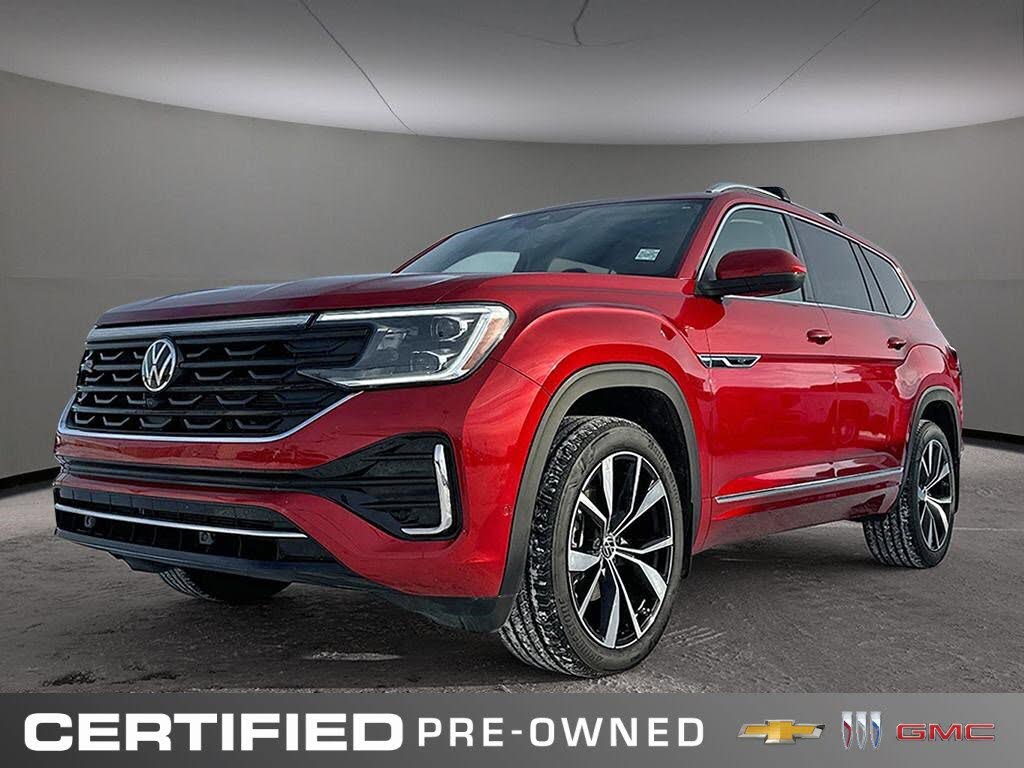


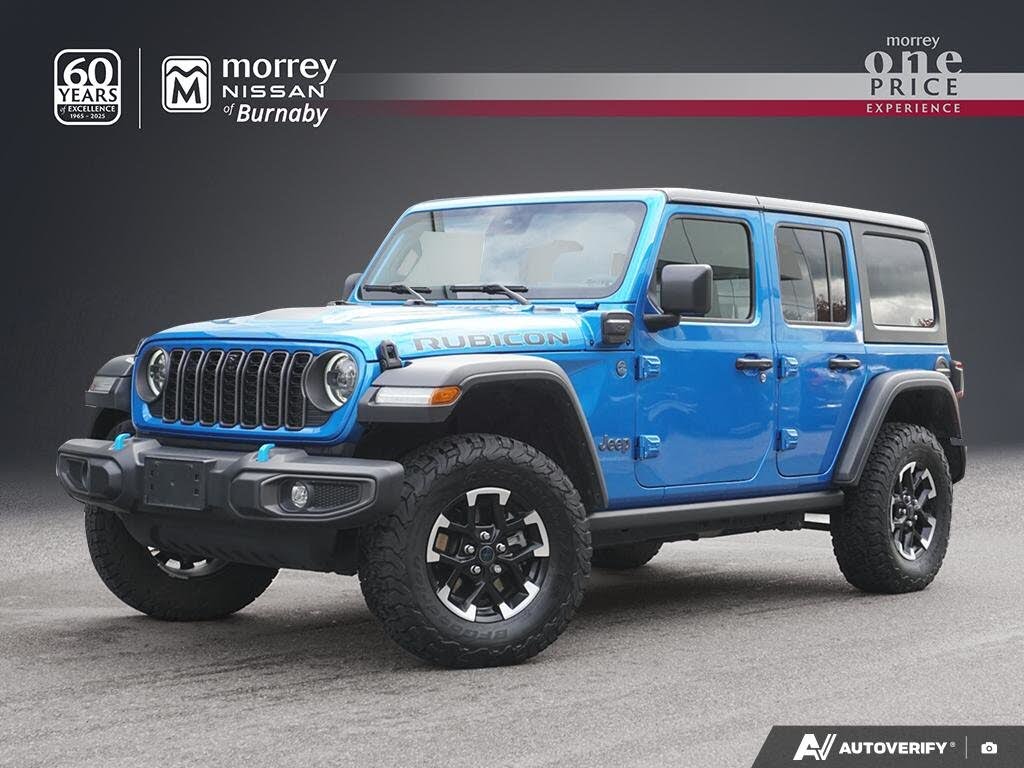


By: CarGurus + AI
At CarGurus, our team of experienced automotive writers remain at the heart of our content operation, conducting hands-on car tests and writing insightful guides that are backed by years of industry experience. To complement this, we are harnessing AI to make our content offering more diverse and more helpful to shoppers than ever. To achieve this, our AI systems are based exclusively on CarGurus content, ratings and data, so that what we produce is both unique to CarGurus, and uniquely helpful to car shoppers.

