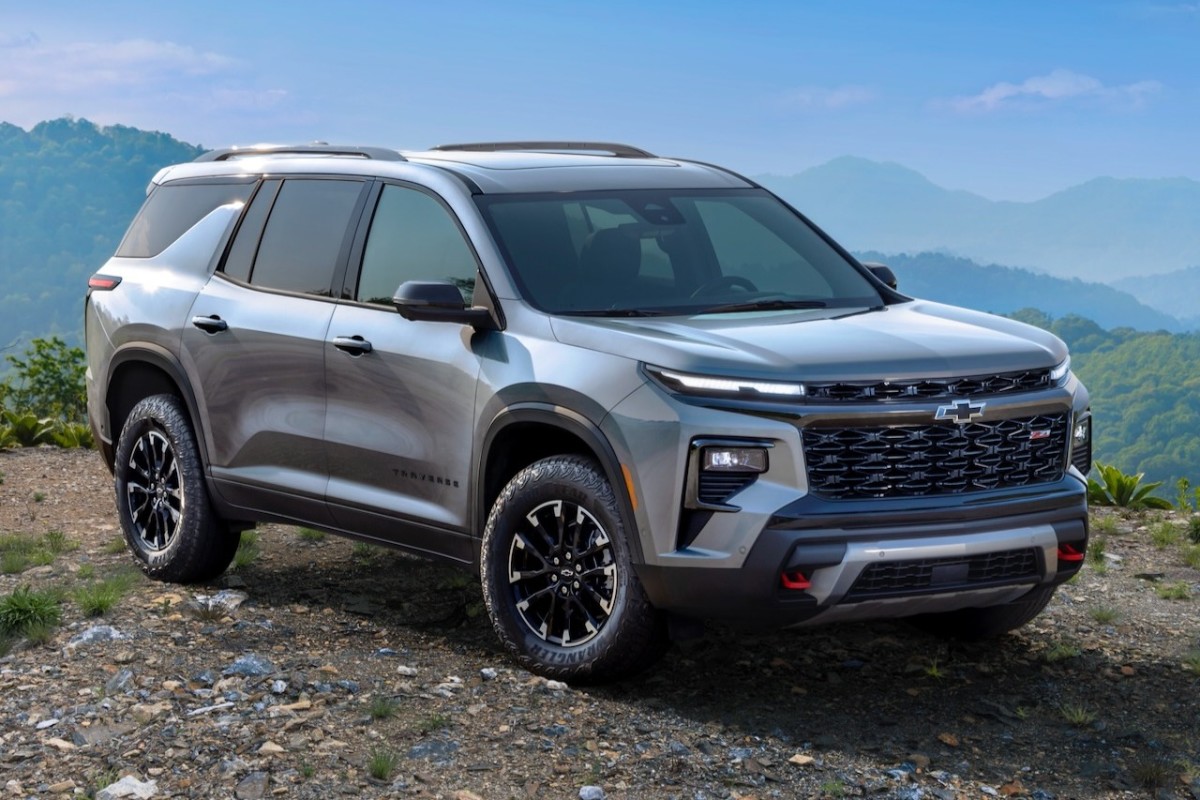
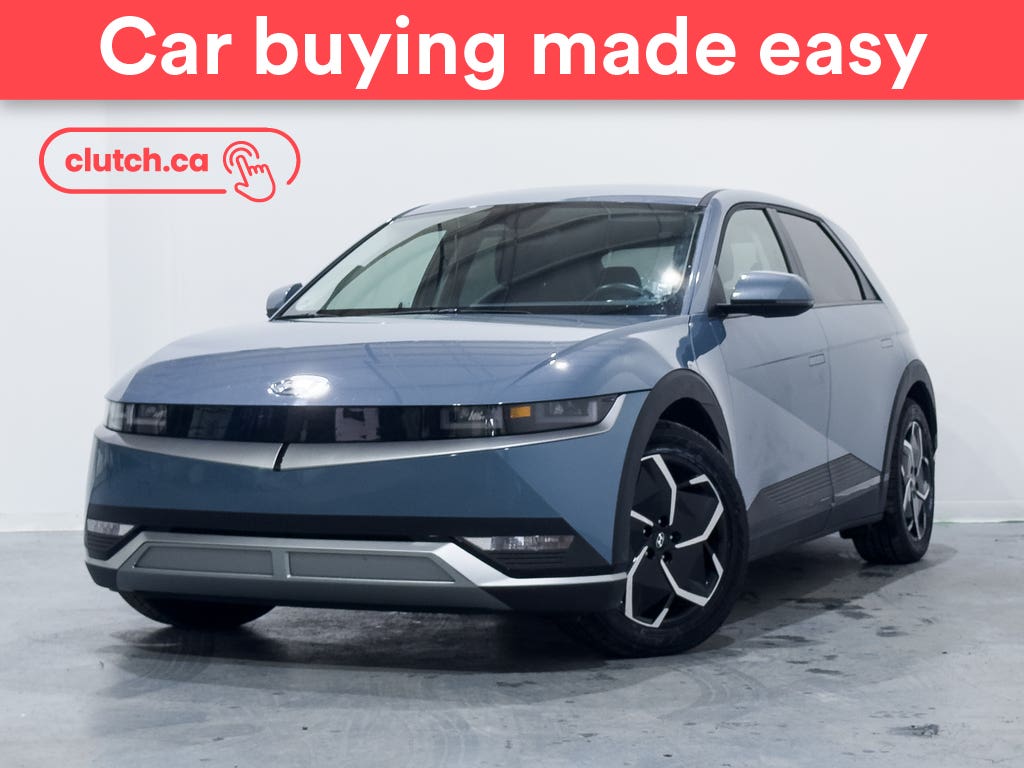
2025 Chevrolet Traverse vs 2024 Hyundai IONIQ 5

Overview | |
Listings45 | Listings64 |
Ratings & Reviews | |
User Reviews | User Reviews |
Expert reviews | Expert reviews7.2 out of 10 |
Pros
Cons
| |
2024 Hyundai IONIQ 5 Reviews Summary | |
2025 Chevrolet Traverse Reviews SummaryRedesigned in 2024, the 2025 Traverse gets a few additional changes. The formerly optional Trailering Package is now standard equipment — so it’s easier to take advantage of the Traverse’s 2,268-kilogram (5,000-pound) towing capacity — and a new Sun and Wheel Package is available. Those updates broaden this Chevy’s appeal but do not address perceived quality issues related to the powertrain and interior materials. Verdict: Chevy gets a lot of things right with the 2025 Traverse. However, there are head-scratchers related to quality and usability. From the unpleasant engine note and cheap interior plastics to the fussy wiper controls and aggravating third row folding process, the Traverse regularly draws unfavourable attention to itself. | |
No video found | |
Popular Features & Specs | |
Engine168 hp Electric | Engine2.5L 328 hp I4 |
DrivetrainRWD | DrivetrainFWD |
Seating Capacity5 | Seating Capacity8 |
Horsepower | Horsepower328 hp @ 5500 rpm |
EV Battery Capacity58 kWh | EV Battery Capacity |
Fuel Economy (City)1.9 L(e)/100 km | Fuel Economy (City)11.8 L(e)/100 km |
Fuel Economy (Highway)2.5 L(e)/100 km | Fuel Economy (Highway)8.7 L(e)/100 km |
Battery Charge Time (240V)6 hours | Battery Charge Time (240V) |
Engine | |
Engine Name168 hp Electric | Engine Name2.5L 328 hp I4 |
Torque | Torque326 lb-ft @ 3500 rpm |
Horsepower | Horsepower328 hp @ 5500 rpm |
Battery Charge Time (240V)6 hours | Battery Charge Time (240V) |
DrivetrainRWD | DrivetrainFWD |
Fuel Economy | |
EV Battery Capacity58 kWh | EV Battery Capacity |
Fuel Economy (City)1.9 L(e)/100 km | Fuel Economy (City)11.8 L(e)/100 km |
Fuel Economy (Highway)2.5 L(e)/100 km | Fuel Economy (Highway)8.7 L(e)/100 km |
Interior | |
Seating Capacity5 | Seating Capacity8 |
Key Features | |
Navigation SystemStandard | Navigation SystemStandard |
Safety | |
Front Crash Overall | Front Crash Overall5 |
Side Crash Overall5 | Side Crash Overall5 |
Dimensions & Capacity | |
Cargo Space770 L | Cargo Space648 L |
Curb Weight1800 kg | Curb Weight2043 kg |
Height1600 mm | Height1801 mm |
Length4636 mm | Length5194 mm |
Width1890 mm | Width2233 mm |
Wheelbase3000 mm | Wheelbase3073 mm |
Maximum Payload565 kg | Maximum Payload757 kg |
Number of doors4 | Number of doors4 |
Maximum Towing Capacity | Maximum Towing Capacity2268 kg |
Standard Towing Capacity | Standard Towing Capacity2268 kg |
Overview | ||
Listings | ||
Ratings & Reviews | ||
User reviews | ||
Expert reviews | 7.2 out of 10Read full review | |
Pros & cons | Pros
Cons
| |
Summary | Redesigned in 2024, the 2025 Traverse gets a few additional changes. The formerly optional Trailering Package is now standard equipment — so it’s easier to take advantage of the Traverse’s 2,268-kilogram (5,000-pound) towing capacity — and a new Sun and Wheel Package is available. Those updates broaden this Chevy’s appeal but do not address perceived quality issues related to the powertrain and interior materials. Verdict: Chevy gets a lot of things right with the 2025 Traverse. However, there are head-scratchers related to quality and usability. From the unpleasant engine note and cheap interior plastics to the fussy wiper controls and aggravating third row folding process, the Traverse regularly draws unfavourable attention to itself. | |
Video | No video found | |
Popular Features & Specs | ||
Engine | 168 hp Electric | 2.5L 328 hp I4 |
Drivetrain | RWD | FWD |
Seating Capacity | 5 | 8 |
Horsepower | 328 hp @ 5500 rpm | |
EV Battery Capacity | 58 kWh | |
Fuel Economy (City) | 1.9 L(e)/100 km | 11.8 L(e)/100 km |
Fuel Economy (Highway) | 2.5 L(e)/100 km | 8.7 L(e)/100 km |
Battery Charge Time (240V) | 6 hours | |
Engine | ||
Engine Name | 168 hp Electric | 2.5L 328 hp I4 |
Torque | 326 lb-ft @ 3500 rpm | |
Horsepower | 328 hp @ 5500 rpm | |
Battery Charge Time (240V) | 6 hours | |
Drivetrain | RWD | FWD |
Fuel Economy | ||
EV Battery Capacity | 58 kWh | |
Fuel Economy (City) | 1.9 L(e)/100 km | 11.8 L(e)/100 km |
Fuel Economy (Highway) | 2.5 L(e)/100 km | 8.7 L(e)/100 km |
Interior | ||
Seating Capacity | 5 | 8 |
Key Features | ||
Navigation System | Standard | Standard |
Safety | ||
Front Crash Overall | 5 | |
Side Crash Overall | 5 | 5 |
Dimensions & Capacity | ||
Cargo Space | 770 L | 648 L |
Curb Weight | 1800 kg | 2043 kg |
Height | 1600 mm | 1801 mm |
Length | 4636 mm | 5194 mm |
Width | 1890 mm | 2233 mm |
Wheelbase | 3000 mm | 3073 mm |
Maximum Payload | 565 kg | 757 kg |
Number of doors | 4 | 4 |
Maximum Towing Capacity | 2268 kg | |
Standard Towing Capacity | 2268 kg | |
2025 Chevrolet Traverse for Sale


2024 Hyundai IONIQ 5 for Sale




By: CarGurus + AI
At CarGurus, our team of experienced automotive writers remain at the heart of our content operation, conducting hands-on car tests and writing insightful guides that are backed by years of industry experience. To complement this, we are harnessing AI to make our content offering more diverse and more helpful to shoppers than ever. To achieve this, our AI systems are based exclusively on CarGurus content, ratings and data, so that what we produce is both unique to CarGurus, and uniquely helpful to car shoppers.
