Starting post-secondary school in Canada means juggling tuition, textbooks, rent, and groceries—so the last thing any student needs is a vehicle that drains their bank account. The right car for student life has to do a lot with a little: handle long commutes home for the holidays, swallow a dorm's worth of belongings during move-in week, deliver reliable performance through harsh Canadian winters, and keep fuel and insurance costs in check. Whether you're a first-year heading to class across a snowy campus or a grad student logging highway kilometres between jobs and lectures, value and versatility matter more than ever.
We've rounded up a mix of efficient compact sedans, capable crossovers, and even a few aspirational picks for students who want something special. From wallet-friendly commuters with the latest tech to rugged SUVs ready for weekend escapes, this list covers a range of budgets and lifestyles. Each pick has been evaluated for its real-world usability, ownership costs, safety credentials, and the deals you can actually find on CarGurus right now.
About this guide
The cars in this guide have been selected to represent the best options currently available. Our recommendations are the result of a unique three-part scoring system that takes into account real-world tests from our team of expert reviewers, ratings from real-life owners who live with these cars every day, and an analysis of market data from CarGurus to identify which models offer the highest percentage of good and great deals. This combined approach ensures our list highlights cars that are not only great to own but also good value to buy. For more information, scroll to the bottom of this page.
The Best Cars for Students in Canada 2026
CarGurus expert rating: 7.7 out of 10
CarGurus user rating: 4.3 out of 5
Percentage of good/great deals available on CarGurus: 30.8%
Overall CarGurus rating: 4.5 out of 5
| Pros |
Cons |
| Impressive tech for the price |
Lackluster performance |
| Comfortable zero-gravity seats |
Tight rear-seat legroom |
| Great value for money |
|
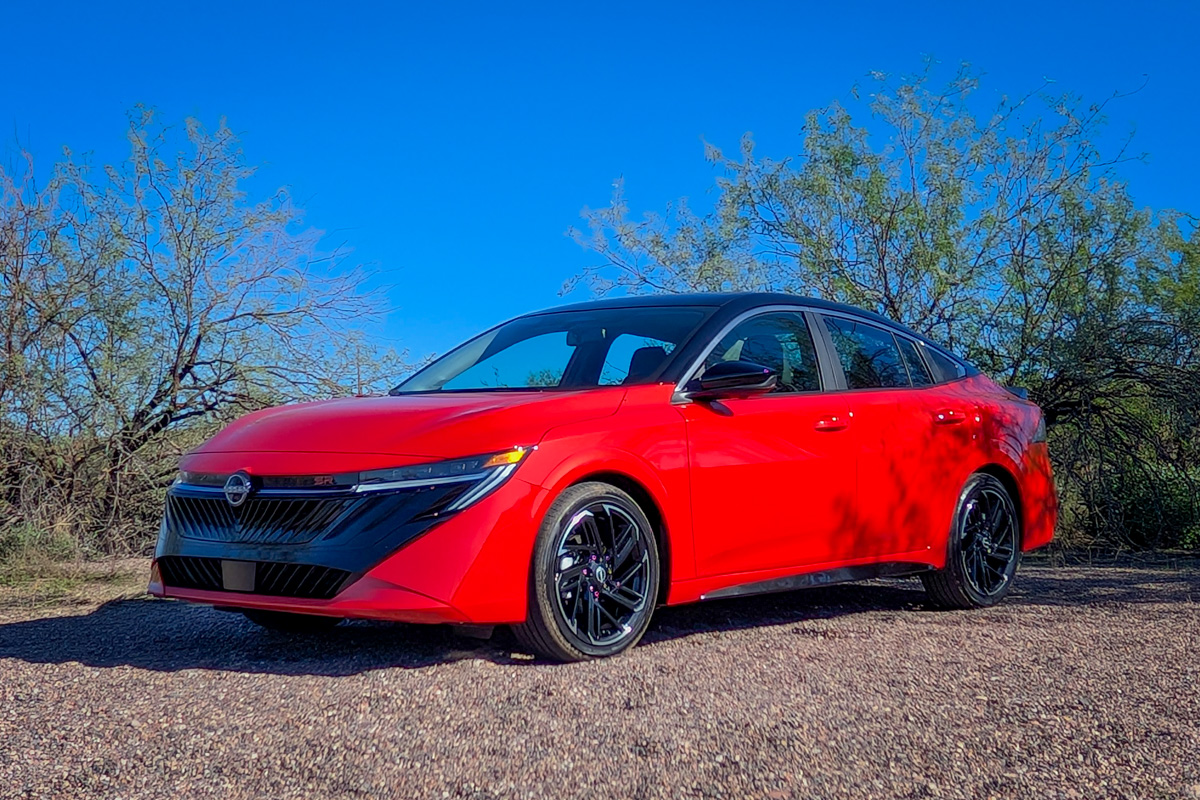
Topping our list, the Nissan Sentra makes a strong case for students who want premium features without the premium price tag. A standard 12.3-inch touchscreen with wireless smartphone integration anchors a surprisingly upscale cabin, and Nissan's signature zero-gravity front seats deliver the kind of comfort that makes long drives home for the holidays genuinely pleasant. A redesigned 405-litre trunk with a wider opening and lower load height handles textbooks, groceries, and dorm essentials with ease.
Power comes from a naturally aspirated 2.0-litre four-cylinder rated at 149 horsepower, paired with a continuously variable transmission. It's not quick, but it returns a frugal 7.1 L/100 km combined—an important figure when you're stretching every dollar between tuition payments. Nissan also includes its Safety Shield 360 suite as standard, bringing automatic emergency braking and blind spot intervention to a price point where those features are often optional.
The CarGurus Verdict: 'The 2026 Nissan Sentra is a stylish and safe compact sedan that delivers impressive technology at an attractive, affordable price. It's not the most thrilling car in its segment, but it nevertheless delivers premium, in-demand features.' - Matt Smith, CarGurus contributor
Read our full 2026 Nissan Sentra review
CarGurus expert rating: 6.5 out of 10
CarGurus user rating: 4.6 out of 5
Percentage of good/great deals available on CarGurus: 27.0%
Overall CarGurus rating: 4.4 out of 5
| Pros |
Cons |
| Available all-wheel drive |
Underwhelming base engine |
| Stylish design |
Cramped back seat |
| Fun to drive |
Outdated technology |
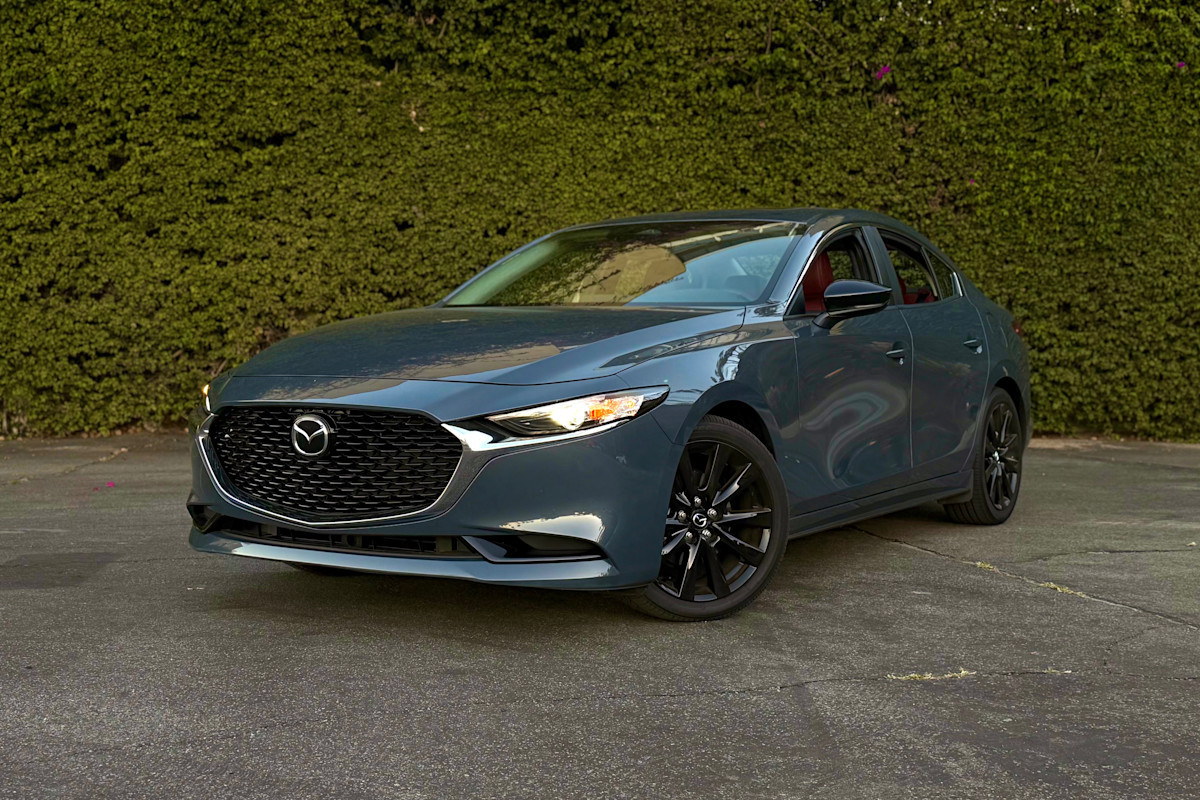
For students who care as much about how a car drives as how much it costs, the Mazda3 is one of the most rewarding compacts you can buy. Offered as either a sleek sedan or a more practical hatchback, it features an interior that genuinely rivals entry-level luxury cars thanks to soft-touch materials and excellent sound insulation. The sedan's 374-litre trunk handles a typical campus haul, while the hatchback opens up to 569 litres—useful when it's time to move into a new apartment.
The standard 2.5-litre four-cylinder makes 186 horsepower, giving the Mazda3 the kind of pep that makes highway merges and city driving genuinely enjoyable. What really sets it apart for Canadian buyers, though, is the available i-Activ all-wheel drive system—an unusual feature in this class that pays dividends when the snow starts flying. Fuel economy as low as 7.8 L/100 km combined in the base sedan helps keep the gas bill in check.
The CarGurus Verdict: 'The Mazda3 proves that small cars don't have to be boring. It brings style and athleticism to an otherwise boring class.' - Mark Takahashi, CarGurus contributor
Read our full 2026 Mazda MAZDA3 review

CarGurus expert rating: 7.0 out of 10
CarGurus user rating: 4.3 out of 5
Percentage of good/great deals available on CarGurus: 30.5%
Overall CarGurus rating: 4.4 out of 5
| Pros |
Cons |
| Comfortable |
Poor fuel economy |
| Impressive technology |
Noisy |
| Standard advanced safety features |
Stereo is lacking |
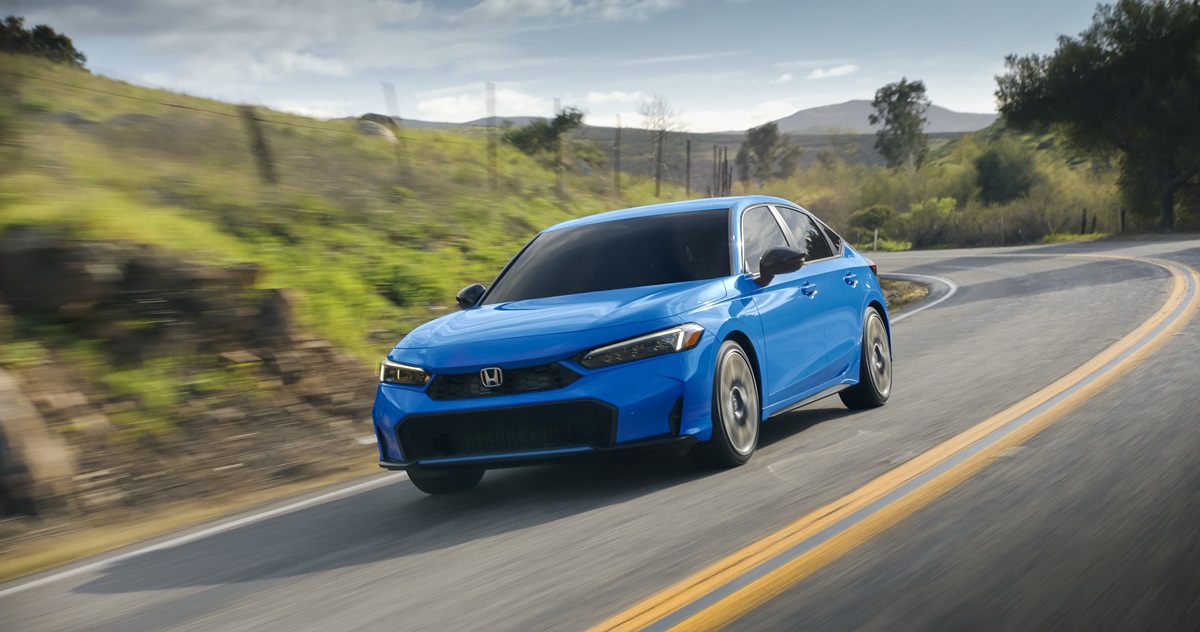
Few cars have a track record for dependability quite like the Toyota Corolla, which is exactly why it remains such an obvious choice for student life. The sedan offers 371 litres of trunk space for hauling weekend laundry and grocery runs, and the cabin's straightforward layout is easy to live with day in and day out. Parents will appreciate that Toyota Safety Sense 3.0 comes standard, bringing forward collision warning and adaptive cruise control to even the most basic trim.
A 2.0-litre four-cylinder engine produces 169 horsepower—more than enough for getting around town or merging onto the highway. Toyota's CVT uses a physical launch gear to give the Corolla a more natural feel off the line, and combined fuel economy of 6.7 to 6.8 L/100 km in the gas-only model means fewer trips to the pump when your bank balance is already running on fumes.
The CarGurus Verdict: 'The Toyota Corolla rightfully has a reputation for being boring. However, the current 12th-generation model is also more stylish, technologically advanced, and rewarding to drive than previous Corollas.' - Christian Wardlaw, CarGurus contributor
Read our full Toyota Corolla review
CarGurus expert rating: 7.7 out of 10
CarGurus user rating: 4.4 out of 5
Percentage of good/great deals available on CarGurus: 29.6%
Overall CarGurus rating: 4.4 out of 5
| Pros |
Cons |
| Stylish design |
All-wheel drive not available |
| Great handling |
Poor ergonomic design |
| Impressive technology |
Advanced safety features are not standard |
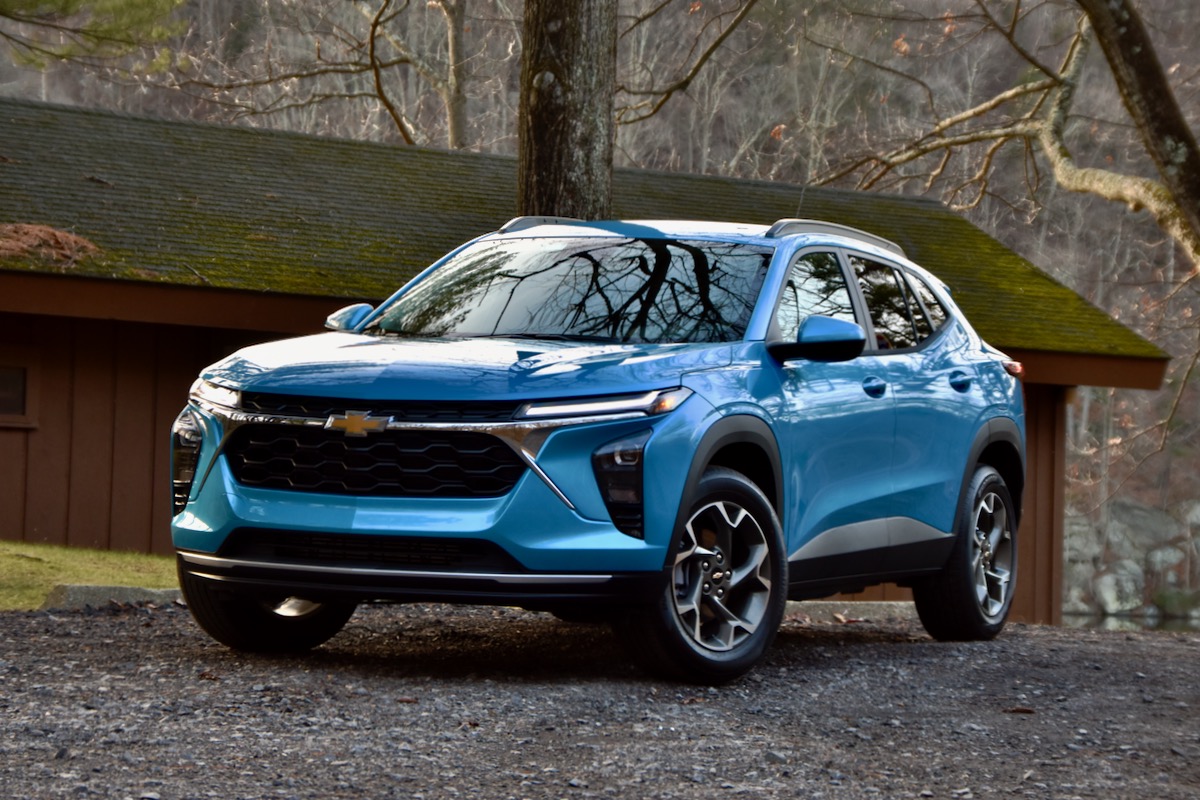
If you want the elevated seating position of a crossover without the elevated price, the Chevrolet Trax is hard to beat. It's the most affordable new vehicle in Chevy's Canadian lineup, but it doesn't feel like a penalty box—there's a stylish design, generous passenger room, and 725 litres of cargo space behind the rear seats (expanding to 1,532 litres when folded). Canadian models include heated front seats, a heated steering wheel, and heated side mirrors as standard, which makes January mornings a lot less brutal.
Motivation comes from a turbocharged 1.2-litre three-cylinder making 137 horsepower and 162 pound-feet of torque, sent through a six-speed automatic. There's no all-wheel-drive option, but the Trax compensates with nimble handling that's well suited to tight campus lots and downtown streets. Standard wireless Apple CarPlay and Android Auto keep things modern, and combined fuel economy of 8.1 L/100 km keeps fuel expenses in line with a student budget.
The CarGurus Verdict: 'Blending elements of compact cars and crossover SUVs, the Trax hits a sweet spot of utility and affordability. It's also pleasant to drive and offers impressive infotainment tech, but a lack of solid safety ratings and all-wheel drive are the trade-offs.' - Stephen Edelstein, CarGurus contributor
Read our full 2026 Chevrolet Trax review

CarGurus expert rating: 7.8 out of 10
CarGurus user rating: 5.0 out of 5
Percentage of good/great deals available on CarGurus: 19.4%
Overall CarGurus rating: 4.3 out of 5
| Pros |
Cons |
| Excellent cargo space |
Underwhelming powertrains |
| Impressive tech features |
|
| Affordable price |
|
The K4 is the freshest face on this list, replacing the long-running Kia Forte with a far more dramatic design and a substantially upgraded interior. Cargo capacity is a class-leading 413 litres—plenty of room for textbooks, hockey gear, and a duffle bag full of laundry to bring home for mom. Rear-seat passengers will appreciate the massive 964 millimetres of legroom, making the K4 a great option for the friend whose car always ends up getting volunteered for the road trip.
Power comes from a 2.0-litre four-cylinder producing 147 horsepower paired with a CVT, a combination that prioritizes efficiency over thrills. Where the K4 really shines is its tech, with a standard 12.3-inch touchscreen, wireless Apple CarPlay and Android Auto, and a generous spread of USB-C charging ports throughout the cabin. Solid safety ratings and a full suite of standard driver-assist features round out a compelling package.
The CarGurus Verdict: 'The Kia K4 is better than the outgoing Kia Forte. It offers more impressive tech, more standard safety features, more passenger space, and more cargo space.' - Matt Smith, CarGurus contributor
Read our full Kia K4 review

CarGurus expert rating: 5.3 out of 10
CarGurus user rating: 4.5 out of 5
Percentage of good/great deals available on CarGurus: 30.4%
Overall CarGurus rating: 4.3 out of 5
| Pros |
Cons |
| Fun to drive |
Noisy |
| Impressive off-roading capability |
Poor ride quality |
| Removable top and doors |
Poor value for money |
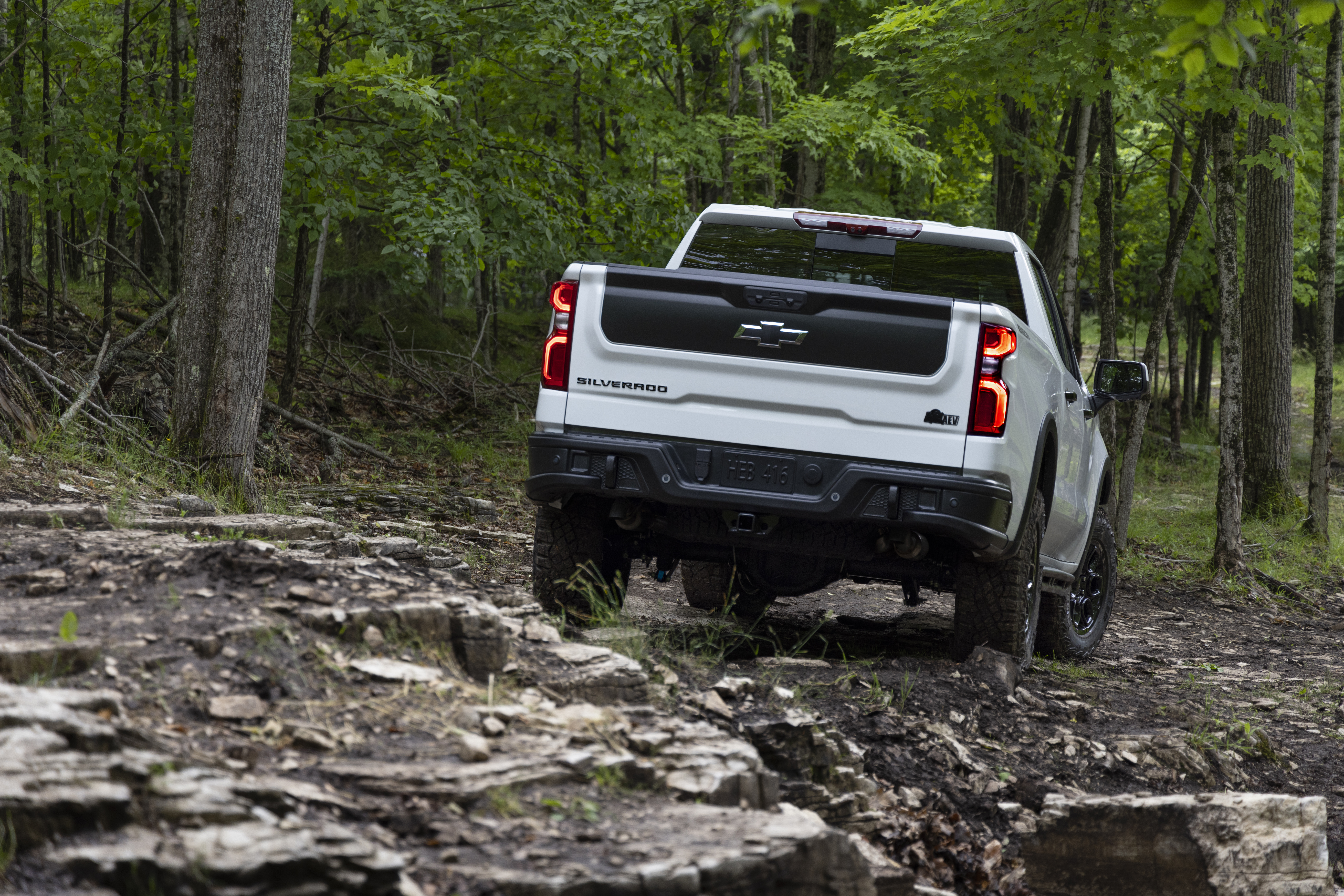
For the adventurous student whose weekends revolve around trailheads and ski hills, the Jeep Wrangler is a vehicle with genuine personality. Available in two-door or four-door configurations, it's just as comfortable rolling through campus as it is bombing down a forest service road. The four-door body provides 897 litres of cargo space behind the rear seats and a full 2,050 litres with them folded, making it surprisingly useful for move-in day. A 12.3-inch touchscreen with wireless Apple CarPlay and Android Auto comes standard.
Powertrain choices include a 3.6-litre V6 with a six-speed manual or an optional turbocharged 2.0-litre four-cylinder making 270 horsepower and 295 pound-feet of torque paired with an eight-speed automatic. That turbo four returns a slightly more reasonable 11.3 L/100 km combined in four-door form. Standard side curtain airbags and available blind-spot monitoring add a layer of modern safety to a vehicle that hasn't lost any of its character.
The CarGurus Verdict: 'Rough, raw, and unrefined, the Wrangler is made for adventure and getting dirty. This Jeep can be unpleasant to drive daily, yet we love it just the same.' - Christian Wardlaw, CarGurus contributor
Read our full Jeep Wrangler review

CarGurus expert rating: 7.8 out of 10
CarGurus user rating: 4.8 out of 5
Percentage of good/great deals available on CarGurus: 22.7%
Overall CarGurus rating: 4.3 out of 5
| Pros |
Cons |
| Fun to drive |
Potentially polarizing design |
| Plenty of cargo space |
Difficult entry/exit |
| Impressive technology |
Cramped back seat |
Yes, the BMW i4 is an indulgent pick for student life—but for grad students, MBA candidates, or those lucky enough to have generous family support, it's an EV that punches well above its weight on practicality. The sleek Gran Coupe body hides a hatchback, with a 283-litre trunk that expands considerably when you fold the 40/20/40-split rear seats. The base eDrive35 trim is also priced low enough to qualify for several provincial and territorial EV incentive programs, taking some of the sting out of the sticker price.
The eDrive40 delivers 335 horsepower from its electric motor, which translates to the kind of smooth, silent acceleration that makes every commute feel a bit special. Inside, the curved digital display housing BMW's iDrive 8.5 system is a centrepiece, and wireless Apple CarPlay and Android Auto are standard. The cabin is on the snug side, but it's well-built and quiet enough to make for a serene study sanctuary between classes.
The CarGurus Verdict: 'Whether you love it or hate it, there is no denying it is distinctive and excessive. Look past the styling, and you'll discover an outstanding EV.' - Christian Wardlaw, CarGurus contributor
Read our full BMW i4 review

CarGurus expert rating: 7.5 out of 10
CarGurus user rating: 4.6 out of 5
Percentage of good/great deals available on CarGurus: 28.0%
Overall CarGurus rating: 4.3 out of 5
| Pros |
Cons |
| Multiple body styles |
Poor fuel economy |
| Multiple powertrain options |
Poor handling (on pavement) |
| Fun to drive |
Poor visibility (to the rear) |
Another aspirational option, the Land Rover Defender makes the list for students who genuinely need serious capability—whether that means navigating remote rural campuses, tackling unmaintained mountain roads, or simply outrunning a Canadian blizzard. Available in 90, 110, and 130 body styles, it adapts to a wide range of needs. The standard turbocharged 3.0-litre inline-six puts out 395 horsepower, so highway passes are effortless. Inside, an industrial-themed cabin pairs durable materials with Land Rover's Pivi Pro infotainment on an 11.4-inch touchscreen, complete with wireless Apple CarPlay and Android Auto.
For students hauling everything from skis to a roommate's IKEA haul, the long-wheelbase 130 model offers 433 litres of cargo space behind the third row, expanding to a cavernous 2,520 litres with the rear seats folded. Standard safety tech includes automatic emergency braking, blind-spot monitoring, and lane keep assist. The trade-off is fuel economy—we observed 14.5 L/100 km in real-world testing, which can add up quickly when you're commuting on a part-time job's wages.
The CarGurus Verdict: 'There is a Land Rover Defender for almost anyone, and any of them can take you farther into the wilderness than you expect. They're rugged but refined, comfortable yet capable, and plenty of fun to drive.' - Christian Wardlaw, CarGurus contributor
Read our full Land Rover Defender review
Search for Land Rover Defender
See all

CarGurus expert rating: 6.5 out of 10
CarGurus user rating: 4.6 out of 5
Percentage of good/great deals available on CarGurus: 21.9%
Overall CarGurus rating: 4.2 out of 5
| Pros |
Cons |
| Multiple powertrain options |
Potentially polarizing design |
| Premium interior materials |
Lacks dynamic communication |
| Impressive technology |
Distracting steering wheel controls |
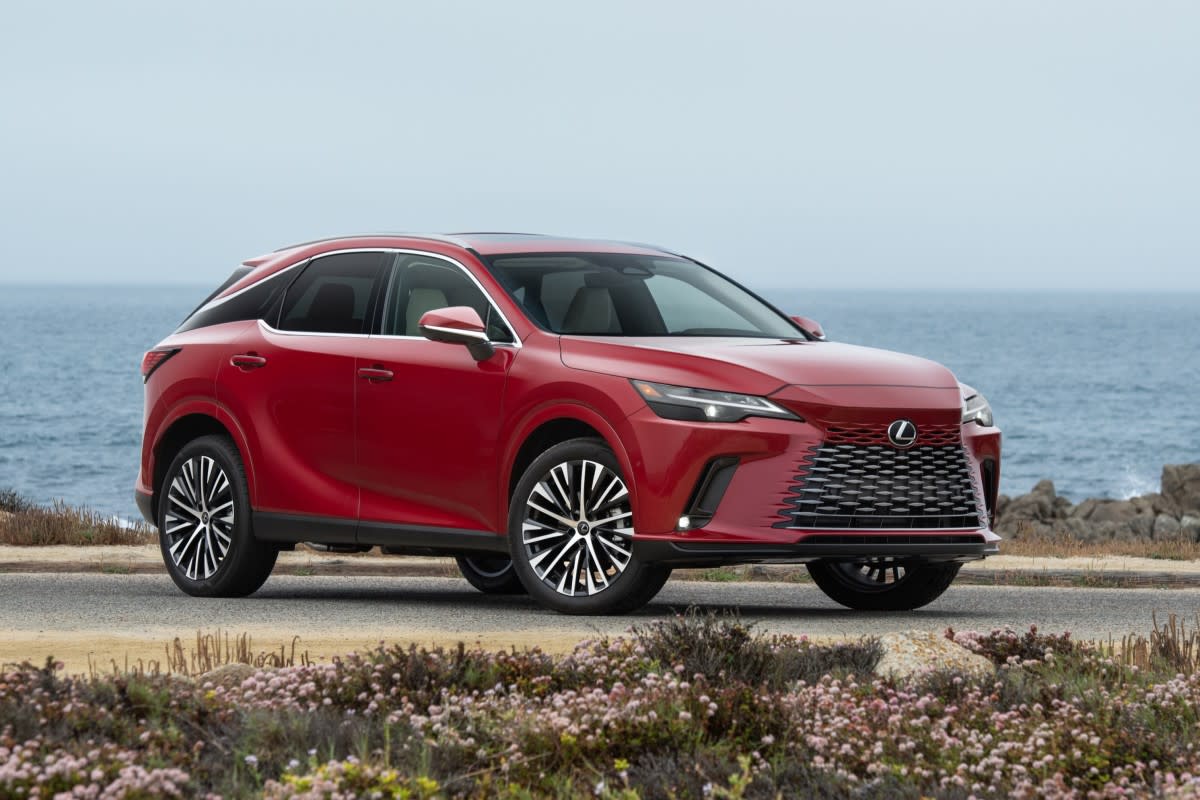
If your student lifestyle allows for a luxury SUV—or you're a professional grad student in need of something more substantial—the Lexus RX Hybrid pairs upscale comfort with the kind of fuel economy that won't bleed your budget dry. The base RX 350h sends 246 horsepower through a hybrid powertrain that returns a remarkable 6.5 L/100 km combined. Standard all-wheel drive provides confidence on slick winter mornings, and the cabin's hushed atmosphere is a welcome retreat after a long day on campus.
Practicality is genuinely impressive, with a hands-free power liftgate revealing 838 litres of cargo space behind the rear seats and 1,308 litres with them folded—more than enough for a full dorm-room moveout. The Lexus Safety System+ 3.0 suite is standard and includes automatic emergency braking and adaptive cruise control, which is reassuring on late drives back from the library.
The CarGurus Verdict: 'Though it lacks substantial competition in the luxury hybrid SUV segment, the Lexus RX Hybrid is worthy of consideration. With hybrid, performance hybrid, and plug-in hybrid (PHEV) powertrain choices, as well as a range of packages that cater to a variety of customer requirements, it checks a lot of boxes.' - Christian Wardlaw, CarGurus contributor
Read our full Lexus RX Hybrid review
CarGurus expert rating: 6.2 out of 10
CarGurus user rating: 5.0 out of 5
Percentage of good/great deals available on CarGurus: 27.4%
Overall CarGurus rating: 4.2 out of 5
| Pros |
Cons |
| Stylish design |
Inconsistent power delivery |
| Fuel-efficient |
Sluggish performance |
| Great warranty |
Interior materials feel cheap |
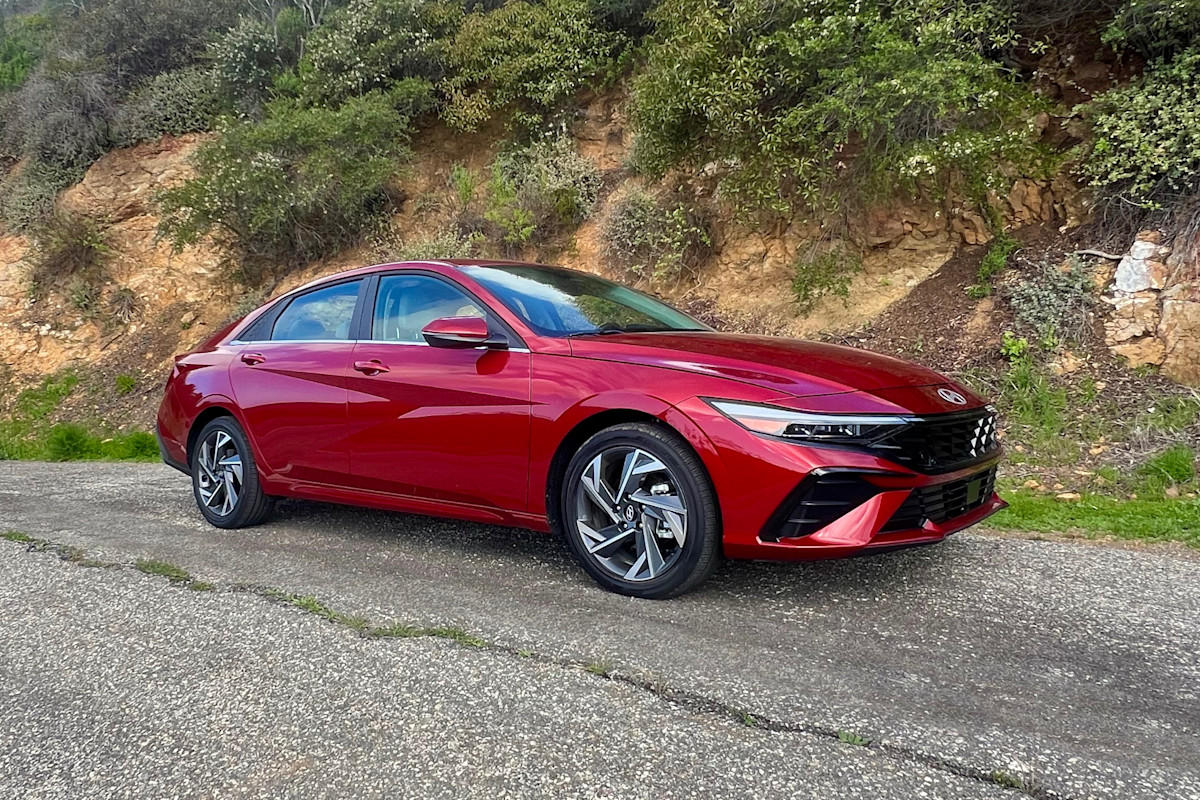
Rounding out our list, the Hyundai Elantra Hybrid is the fuel-economy champion of the bunch—an estimated 4.7 L/100 km combined means you could feasibly fill the tank at the start of a semester and still have gas left over at midterms. Its edgy, angular styling gives it more curb appeal than most compact sedans, and the cabin keeps things practical with physical climate controls that are easy to operate without taking your eyes off the road.
A 1.6-litre four-cylinder works with an electric motor for a combined 139 horsepower. It's not quick, but it's plenty for daily commuting. A 402-litre trunk handles backpacks, groceries, and gym bags, while standard safety tech includes blind-spot monitoring and automatic emergency braking. Hyundai's class-leading warranty—five years/100,000 km comprehensive and eight years/160,000 km on hybrid components—offers a level of long-term financial protection that's especially valuable when you're trying to keep surprise expenses out of your life.
The CarGurus Verdict: 'The Elantra Hybrid is a great value, but its unrefined hybrid powertrain and cheap-feeling interior have it following, rather than leading, the class.' - Mark Takahashi, CarGurus contributor
Read our full Hyundai Elantra Hybrid review
Search for Hyundai Elantra Hybrid
See all
FAQ
What's the most important factor when choosing a car as a student in Canada?
Total cost of ownership is usually the biggest consideration. That includes the purchase price, fuel costs, insurance, and expected maintenance. Fuel-efficient sedans like the Toyota Corolla, Nissan Sentra, and Hyundai Elantra Hybrid generally offer the lowest overall ownership costs, while reliability ratings should also factor in to avoid unexpected repair bills.
Do I really need all-wheel drive as a student in Canada?
Not necessarily. A front-wheel-drive vehicle with a good set of dedicated winter tires will handle most Canadian conditions just fine. That said, if you're in a region with severe winters or you'll be driving on rural or unploughed roads, all-wheel drive—like that available on the Mazda3—adds a useful margin of safety.
Is it better to buy new or used as a student?
It depends on your budget and financing situation. A new car offers full warranty coverage and the latest safety tech, but a lightly used vehicle—typically two to three years old—can offer significant savings since the steepest depreciation has already happened. CarGurus' deal ratings can help you spot good value in either category.
How much should I budget for car insurance as a young driver?
Insurance premiums vary widely by province, age, and driving history, but young drivers in Canada often pay $2,000 to $4,000 per year or more. Choosing a vehicle with strong safety ratings, lower horsepower, and a sensible price point—like a Corolla or Sentra—generally helps keep premiums in check.
Are hybrid cars worth it for students?
If you drive a lot, especially in stop-and-go city traffic, hybrids like the Hyundai Elantra Hybrid can pay back their slightly higher purchase price through fuel savings within a few years. They also typically have strong resale value, which helps when it's time to upgrade after graduation.
Should I consider an electric vehicle as a student?
EVs like the BMW i4 can make sense if you have reliable access to home or campus charging and you can take advantage of provincial incentives. Lower running costs are appealing, but the higher upfront price means EVs work best for students with longer ownership horizons or substantial financial support.
What Makes CarGurus Best Cars Guides Different?
Most car-buying websites publish lists of the best cars across a variety of categories, with recommendations driven primarily by editorial expertise. Here's what makes our best cars guides different: we combine the insights and verdicts of our team of car-testing experts with other factors that we know matter to buyers — real owner experiences and current market value.
Our expert reviewers come from some of North America and Canada's most trusted automotive publications, bringing hands-on experience testing vehicles. They put each car through its paces and create detailed reviews covering everything from form and function to performance and cost effectiveness.
But we don't stop there. We also analyze hundreds of thousands of used car listings on CarGurus.ca to track which models consistently offer the highest percentage of great deals relative to how many are listed for sale. Then we factor in user reviews and ratings gathered on CarGurus to hear from people who actually live with these cars every day. Our best cars algorithm combines expert ratings, user reviews, and the percentage of listings rated as good or great deals into a final Overall CarGurus Rating — a three-way approach that reveals not just which cars excel on paper, but which ones deliver real satisfaction and value when you're ready to buy.
The CarGurus market data in this guide was last updated in June 2026. Values were accurate at time of publication and should be used as a guide only.
Related Topics: