Kia Sedona vs Chrysler Pacifica Hybrid
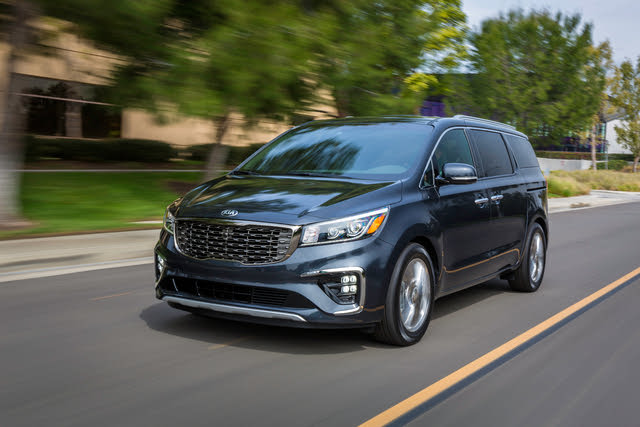
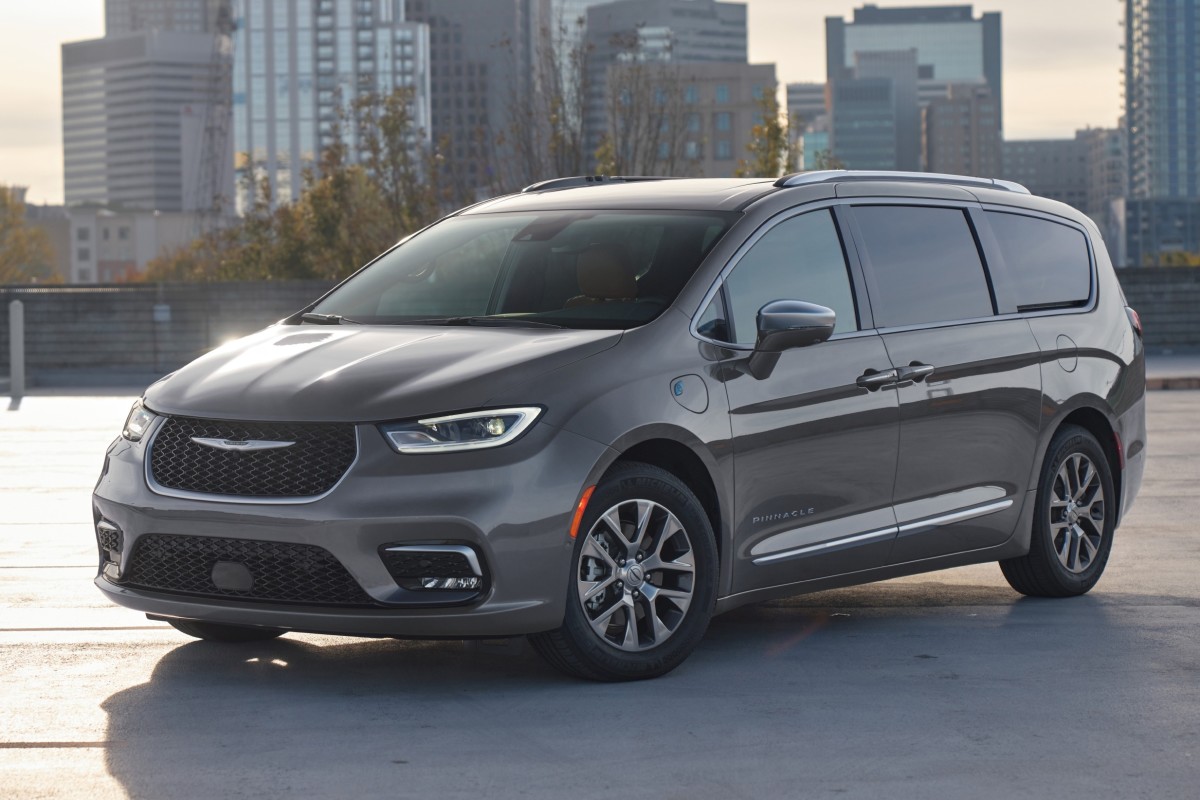
Overview | |
Years produced2002-2012 | Years produced2017-Present |
Listings157 | Listings144 |
Ratings & Reviews | |
User Reviews | User Reviews |
Expert reviews | Expert reviews7.8 out of 10 |
Pros
Cons
| |
Reviews Summary | |
Reviews SummaryThe Chrysler Pacifica Hybrid remains a great option for families who want the benefits of electrification without adopting a fully electric-vehicle lifestyle. Introduced for the 2017 model year and essentially unchanged for 2024, the Pacifica Hybrid is the only minivan available in Canada with a plug-in hybrid powertrain. That gives it an emissions advantage over the rival Honda Odyssey, Kia Carnival, and Toyota Sienna. Verdict: A plug-in hybrid powertrain enhances a well-executed minivan. The Pacifica Hybrid is a niche choice, but we like it. | |
No video found | No video found |
Popular Features & Specs | |
Engine3.3L 276 hp V6 | Engine3.6L 260 hp V6 Hybrid |
DrivetrainFWD | DrivetrainFWD |
Seating Capacity7 | Seating Capacity7 |
Horsepower276 hp @ 6000 rpm | Horsepower |
EV Battery Capacity | EV Battery Capacity16 kWh |
Fuel Economy (City)13.1 L(e)/100 km | Fuel Economy (City)2.7 L(e)/100 km |
Fuel Economy (Highway)9.8 L(e)/100 km | Fuel Economy (Highway)3.1 L(e)/100 km |
Battery Charge Time (120V) | Battery Charge Time (120V)14 hours |
Battery Charge Time (240V) | Battery Charge Time (240V)2 hours |
Engine | |
Engine Name3.3L 276 hp V6 | Engine Name3.6L 260 hp V6 Hybrid |
Torque248 lb-ft @ 5200 rpm | Torque |
Horsepower276 hp @ 6000 rpm | Horsepower |
Battery Charge Time (120V) | Battery Charge Time (120V)14 hours |
Battery Charge Time (240V) | Battery Charge Time (240V)2 hours |
DrivetrainFWD | DrivetrainFWD |
Fuel Economy | |
EV Battery Capacity | EV Battery Capacity16 kWh |
Fuel Economy (City)13.1 L(e)/100 km | Fuel Economy (City)2.7 L(e)/100 km |
Fuel Economy (Highway)9.8 L(e)/100 km | Fuel Economy (Highway)3.1 L(e)/100 km |
Interior | |
Leather Seats | Leather SeatsStandard |
Seating Capacity7 | Seating Capacity7 |
Key Features | |
Navigation System | Navigation SystemStandard |
Sunroof/Moonroof | Sunroof/MoonroofStandard |
Safety | |
Front Crash Overall5 | Front Crash Overall4 |
Side Crash Overall5 | Side Crash Overall5 |
Dimensions & Capacity | |
Cargo Space960 L | Cargo Space915 L |
Curb Weight2002 kg | Curb Weight2272 kg |
Height1740 mm | Height1775 mm |
Length5116 mm | Length5189 mm |
Width2268 mm | Width2296 mm |
Wheelbase3061 mm | Wheelbase3089 mm |
Maximum Payload | Maximum Payload585 kg |
Number of doors4 | Number of doors4 |
Maximum Towing Capacity1588 kg | Maximum Towing Capacity |
Standard Towing Capacity1588 kg | Standard Towing Capacity |
Overview | ||
Years produced | 2002-2012 | 2017-Present |
Listings | ||
Ratings & Reviews | ||
User reviews | ||
Expert reviews | 7.8 out of 10Read full review | |
Pros & cons | Pros
Cons
| |
Summary | The Chrysler Pacifica Hybrid remains a great option for families who want the benefits of electrification without adopting a fully electric-vehicle lifestyle. Introduced for the 2017 model year and essentially unchanged for 2024, the Pacifica Hybrid is the only minivan available in Canada with a plug-in hybrid powertrain. That gives it an emissions advantage over the rival Honda Odyssey, Kia Carnival, and Toyota Sienna. Verdict: A plug-in hybrid powertrain enhances a well-executed minivan. The Pacifica Hybrid is a niche choice, but we like it. | |
Video | No video found | No video found |
Popular Features & Specs | ||
Engine | 3.3L 276 hp V6 | 3.6L 260 hp V6 Hybrid |
Drivetrain | FWD | FWD |
Seating Capacity | 7 | 7 |
Horsepower | 276 hp @ 6000 rpm | |
EV Battery Capacity | 16 kWh | |
Fuel Economy (City) | 13.1 L(e)/100 km | 2.7 L(e)/100 km |
Fuel Economy (Highway) | 9.8 L(e)/100 km | 3.1 L(e)/100 km |
Battery Charge Time (120V) | 14 hours | |
Battery Charge Time (240V) | 2 hours | |
Engine | ||
Engine Name | 3.3L 276 hp V6 | 3.6L 260 hp V6 Hybrid |
Torque | 248 lb-ft @ 5200 rpm | |
Horsepower | 276 hp @ 6000 rpm | |
Battery Charge Time (120V) | 14 hours | |
Battery Charge Time (240V) | 2 hours | |
Drivetrain | FWD | FWD |
Fuel Economy | ||
EV Battery Capacity | 16 kWh | |
Fuel Economy (City) | 13.1 L(e)/100 km | 2.7 L(e)/100 km |
Fuel Economy (Highway) | 9.8 L(e)/100 km | 3.1 L(e)/100 km |
Interior | ||
Leather Seats | Standard | |
Seating Capacity | 7 | 7 |
Key Features | ||
Navigation System | Standard | |
Sunroof/Moonroof | Standard | |
Safety | ||
Front Crash Overall | 5 | 4 |
Side Crash Overall | 5 | 5 |
Dimensions & Capacity | ||
Cargo Space | 960 L | 915 L |
Curb Weight | 2002 kg | 2272 kg |
Height | 1740 mm | 1775 mm |
Length | 5116 mm | 5189 mm |
Width | 2268 mm | 2296 mm |
Wheelbase | 3061 mm | 3089 mm |
Maximum Payload | 585 kg | |
Number of doors | 4 | 4 |
Maximum Towing Capacity | 1588 kg | |
Standard Towing Capacity | 1588 kg | |
2016 Kia Sedona for Sale


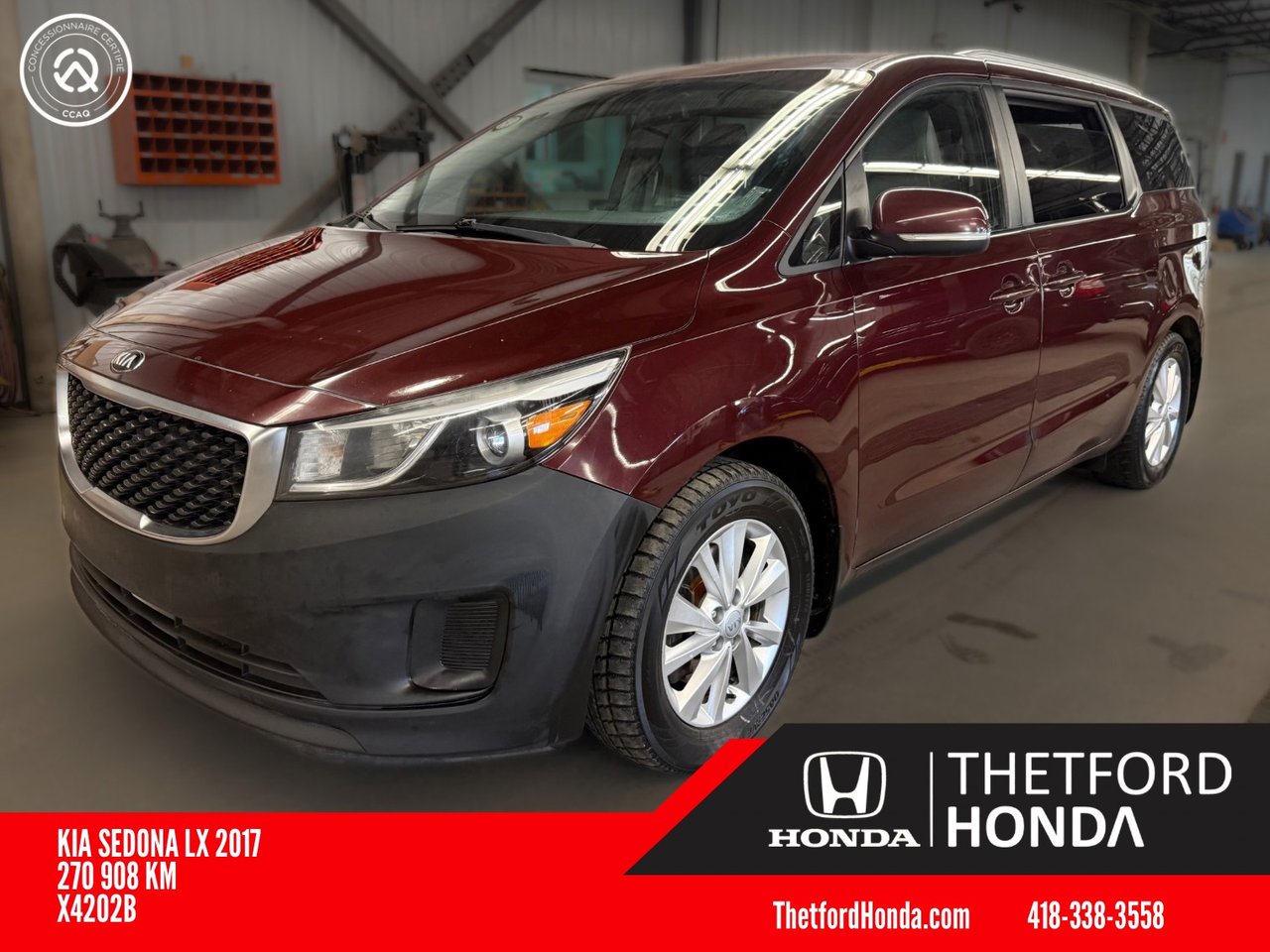


2024 Chrysler Pacifica Hybrid for Sale


By: CarGurus + AI
At CarGurus, our team of experienced automotive writers remain at the heart of our content operation, conducting hands-on car tests and writing insightful guides that are backed by years of industry experience. To complement this, we are harnessing AI to make our content offering more diverse and more helpful to shoppers than ever. To achieve this, our AI systems are based exclusively on CarGurus content, ratings and data, so that what we produce is both unique to CarGurus, and uniquely helpful to car shoppers.
