Kia Carnival vs Chevrolet Equinox EV
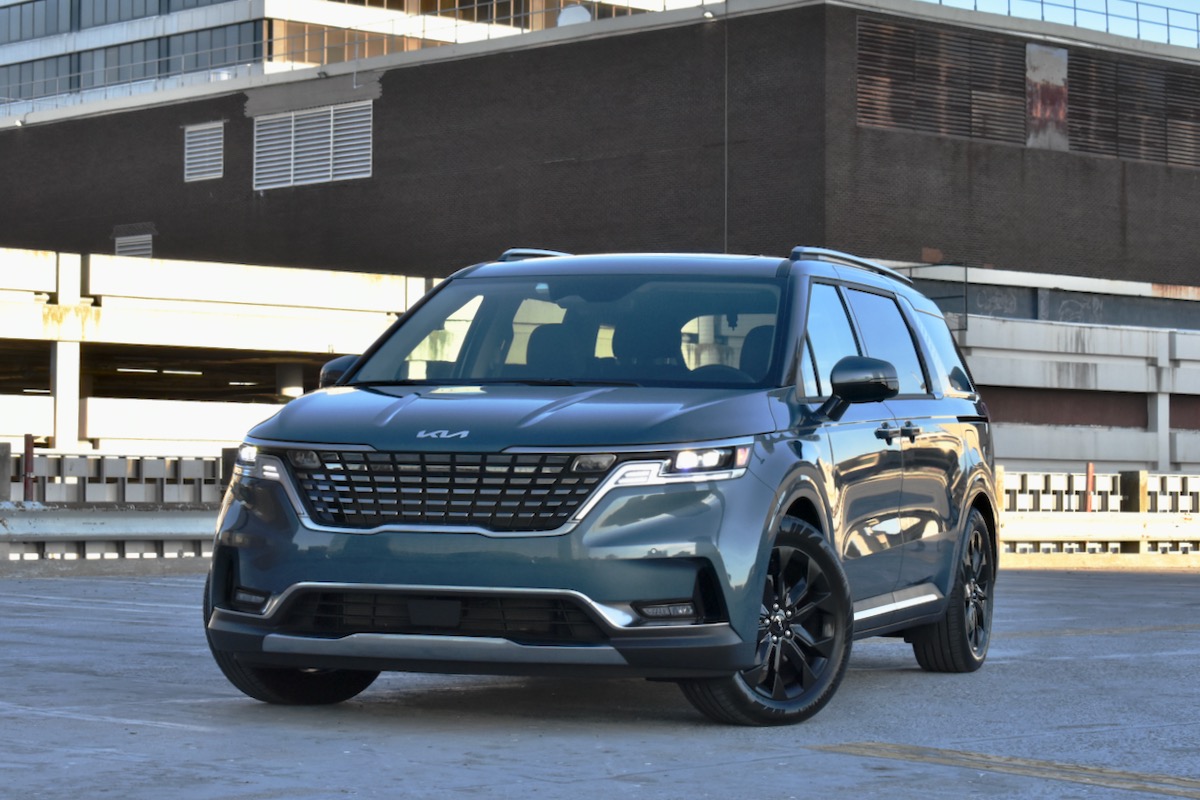
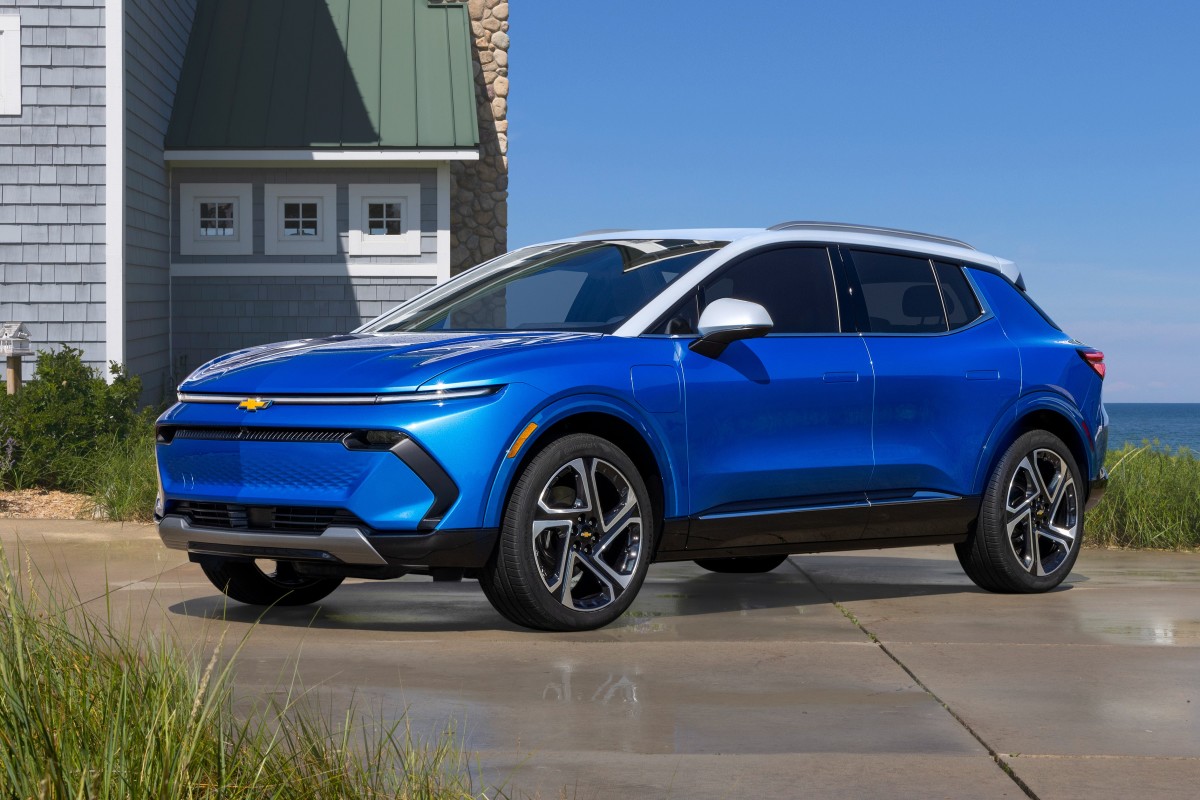
Overview | |
MSRP$33,600 | MSRP$33,600 |
Listings308 | Listings1439 |
Ratings & Reviews | |
User Reviews | User Reviews |
Expert reviews8.2 out of 10 | Expert reviews6.5 out of 10 |
Pros
Cons
| Pros
Cons
|
Reviews SummaryAhead of a 2025-model-year refresh, the 2024 Kia Carnival carries over unchanged as Kia’s entry into a small, but competitive, minivan segment that also includes the Chrysler Pacifica, Honda Odyssey, and Toyota Sienna. The Carnival offers a great driving experience and affordable starting price, but these upsides are tainted by a lack of all-wheel drive and mixed safety ratings. | |
Reviews SummaryWhile the Chevrolet Equinox EV may not have the performance or pizzazz of some other electric vehicles, it concentrates on what really matters: price and range. With an available 500 kilometres plus on a single charge and a bottom line that competes against non-electric SUVs, it brings EV ownership within reach for many shoppers who were previously left out. Verdict: The Equinox EV’s combination of an affordable price and generous range makes it a standout value among electric vehicles. | |
No video found | No video found |
Popular Features & Specs | |
Engine3.5L 290 hp V6 | Engine220 hp Electric |
Drive TrainFWD | Drive TrainFWD |
Seating Capacity7 | Seating Capacity5 |
Horsepower290 hp @ 6400 rpm | Horsepower |
EV Battery Capacity | EV Battery Capacity85 kWh |
MPG City19 | MPG City117 |
MPG Highway26 | MPG Highway100 |
Battery Charge Time (240V) | Battery Charge Time (240V)9.5 hours |
Engine | |
Engine Name3.5L 290 hp V6 | Engine Name220 hp Electric |
Torque262 lb-ft @ 5000 rpm | Torque |
Horsepower290 hp @ 6400 rpm | Horsepower |
Battery Charge Time (240V) | Battery Charge Time (240V)9.5 hours |
DrivetrainFWD | DrivetrainFWD |
Fuel Economy | |
EV Battery Capacity | EV Battery Capacity85 kWh |
MPG City19 | MPG City117 |
MPG Highway26 | MPG Highway100 |
Interior | |
Seating Capacity7 | Seating Capacity5 |
Key Features | |
Navigation System | Navigation SystemStandard |
Safety | |
Front Crash Overall | Front Crash Overall5 |
Side Crash Overall5 | Side Crash Overall5 |
Dimensions & Capacity | |
Cargo Space40.2 cu ft | Cargo Space26.4 cu ft |
Curb Weight4431 lbs | Curb Weight4950 lbs |
Height68.5 in | Height64.8 in |
Length203.0 in | Length190.6 in |
Width89.2 in | Width84.9 in |
Wheelbase121.7 in | Wheelbase116.3 in |
Maximum Payload1279 lbs | Maximum Payload1110 lbs |
Number of doors4 | Number of doors4 |
Maximum Towing Capacity3500 lbs | Maximum Towing Capacity1500 lbs |
Overview | ||
MSRP | $33,600 | $33,600 |
Listings | ||
Ratings & Reviews | ||
User reviews | ||
Expert reviews | 8.2 out of 10Read full review | 6.5 out of 10Read full review |
Pros & cons | Pros
Cons
| Pros
Cons
|
Summary | Ahead of a 2025-model-year refresh, the 2024 Kia Carnival carries over unchanged as Kia’s entry into a small, but competitive, minivan segment that also includes the Chrysler Pacifica, Honda Odyssey, and Toyota Sienna. The Carnival offers a great driving experience and affordable starting price, but these upsides are tainted by a lack of all-wheel drive and mixed safety ratings. | While the Chevrolet Equinox EV may not have the performance or pizzazz of some other electric vehicles, it concentrates on what really matters: price and range. With an available 500 kilometres plus on a single charge and a bottom line that competes against non-electric SUVs, it brings EV ownership within reach for many shoppers who were previously left out. Verdict: The Equinox EV’s combination of an affordable price and generous range makes it a standout value among electric vehicles. |
Video | No video found | No video found |
Popular Features & Specs | ||
Engine | 3.5L 290 hp V6 | 220 hp Electric |
Drive Train | FWD | FWD |
Seating Capacity | 7 | 5 |
Horsepower | 290 hp @ 6400 rpm | |
EV Battery Capacity | 85 kWh | |
MPG City | 19 | 117 |
MPG Highway | 26 | 100 |
Battery Charge Time (240V) | 9.5 hours | |
Engine | ||
Engine Name | 3.5L 290 hp V6 | 220 hp Electric |
Torque | 262 lb-ft @ 5000 rpm | |
Horsepower | 290 hp @ 6400 rpm | |
Battery Charge Time (240V) | 9.5 hours | |
Drivetrain | FWD | FWD |
Fuel Economy | ||
EV Battery Capacity | 85 kWh | |
MPG City | 19 | 117 |
MPG Highway | 26 | 100 |
Interior | ||
Seating Capacity | 7 | 5 |
Key Features | ||
Navigation System | Standard | |
Safety | ||
Front Crash Overall | 5 | |
Side Crash Overall | 5 | 5 |
Dimensions & Capacity | ||
Cargo Space | 40.2 cu ft | 26.4 cu ft |
Curb Weight | 4431 lbs | 4950 lbs |
Height | 68.5 in | 64.8 in |
Length | 203.0 in | 190.6 in |
Width | 89.2 in | 84.9 in |
Wheelbase | 121.7 in | 116.3 in |
Maximum Payload | 1279 lbs | 1110 lbs |
Number of doors | 4 | 4 |
Maximum Towing Capacity | 3500 lbs | 1500 lbs |






By: CarGurus + AI
At CarGurus, our team of experienced automotive writers remain at the heart of our content operation, conducting hands-on car tests and writing insightful guides that are backed by years of industry experience. To complement this, we are harnessing AI to make our content offering more diverse and more helpful to shoppers than ever. To achieve this, our AI systems are based exclusively on CarGurus content, ratings and data, so that what we produce is both unique to CarGurus, and uniquely helpful to car shoppers.

