2025 Honda Odyssey vs 2026 Toyota bZ
Overview | |
Listings80 | Listings47 |
Ratings & Reviews | |
User Reviews | User Reviews |
Expert reviews6.3 out of 10 | Expert reviews6.5 out of 10 |
Pros
Cons
| Pros
Cons
|
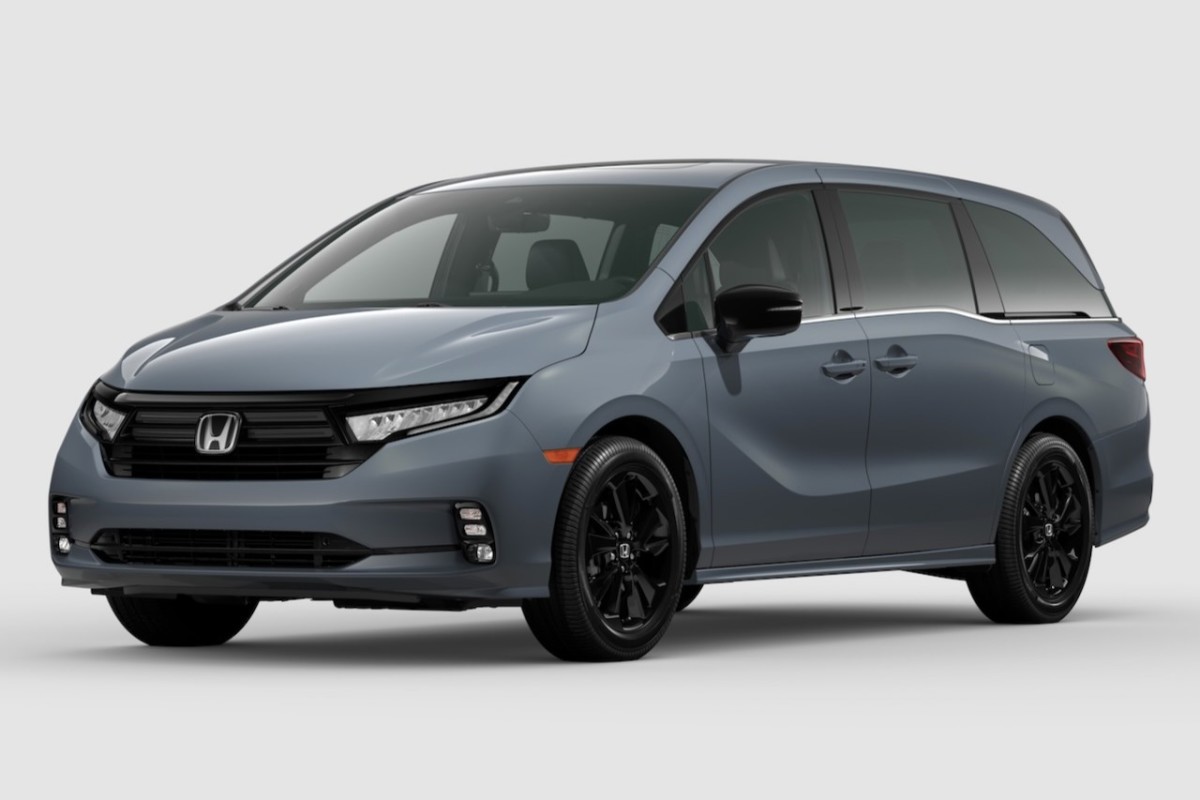
2025 Honda Odyssey Reviews SummaryHonda hasn’t redesigned the Odyssey since 2018, but this minivan does get a few updates that will appeal to the Odyssey faithful. They include subtle styling changes, a new 7-inch digital driver display, an updated 9-inch touchscreen infotainment system, modernized USB-C charging ports, and an available smartphone charging pad. A new rear-seat entertainment system also arrives for 2025. While appreciated, these improvements don’t rescue the Odyssey from its increasingly uncompetitive position. Verdict: The 2025 Odyssey doesn’t offer a hybrid powertrain or an all-wheel-drive (AWD) option. The updated tech merely meets minimum standards and expectations. And in a new crash-test evaluation, Honda’s minivan earns a rare low rating. Certainly, the Odyssey remains comfortable, exceptionally practical, and enjoyable to drive. But it needs a redesign, and soon. | |
2026 Toyota bZ Reviews SummaryReaders are looking at the electric vehicle formerly known as the bZ4X. It wears a shorter name for 2026, but that’s not the big news. More power, up to 468 kilometres of range, a standard NACS charging port (with a CCS adapter), and Plug & Charge capability are all major improvements. Toyota has also tidied up the styling inside and out and added a larger infotainment screen. Verdict: With the refreshed 2026 bZ, Toyota has fixed the bZ4X’s most significant flaws, making this a genuinely competitive model at a comparatively affordable price. | |
No video found | |
Popular Features & Specs | |
Engine3.5L 280 hp V6 | Engine168 hp Electric |
DrivetrainFWD | DrivetrainFWD |
Seating Capacity8 | Seating Capacity5 |
Horsepower280 hp @ 6000 rpm | Horsepower |
EV Battery Capacity | EV Battery Capacity57.7 kWh |
Fuel Economy (City)12.4 L(e)/100 km | Fuel Economy (City)1.6 L(e)/100 km |
Fuel Economy (Highway)8.4 L(e)/100 km | Fuel Economy (Highway)2.0 L(e)/100 km |
Battery Charge Time (240V) | Battery Charge Time (240V)6 hours |
Engine | |
Engine Name3.5L 280 hp V6 | Engine Name168 hp Electric |
Torque262 lb-ft @ 4700 rpm | Torque |
Horsepower280 hp @ 6000 rpm | Horsepower |
Battery Charge Time (240V) | Battery Charge Time (240V)6 hours |
DrivetrainFWD | DrivetrainFWD |
Fuel Economy | |
EV Battery Capacity | EV Battery Capacity57.7 kWh |
Fuel Economy (City)12.4 L(e)/100 km | Fuel Economy (City)1.6 L(e)/100 km |
Fuel Economy (Highway)8.4 L(e)/100 km | Fuel Economy (Highway)2.0 L(e)/100 km |
Interior | |
Seating Capacity8 | Seating Capacity5 |
Key Features | |
Navigation System | Navigation SystemOptional |
Sunroof/MoonroofStandard | Sunroof/Moonroof |
Safety | |
Front Crash Overall5 | Front Crash Overall4 |
Side Crash Overall5 | Side Crash Overall5 |
Dimensions & Capacity | |
Cargo Space929 L | Cargo Space784 L |
Curb Weight2053 kg | Curb Weight1840 kg |
Height1768 mm | Height1651 mm |
Length5212 mm | Length4689 mm |
Width1994 mm | Width1859 mm |
Wheelbase3000 mm | Wheelbase2850 mm |
Maximum Payload677 kg | Maximum Payload474 kg |
Number of doors4 | Number of doors4 |
Maximum Towing Capacity1588 kg | Maximum Towing Capacity |
Overview | ||
Listings | ||
Ratings & Reviews | ||
User reviews | ||
Expert reviews | 6.3 out of 10Read full review | 6.5 out of 10Read full review |
Pros & cons | Pros
Cons
| Pros
Cons
|
Summary | Honda hasn’t redesigned the Odyssey since 2018, but this minivan does get a few updates that will appeal to the Odyssey faithful. They include subtle styling changes, a new 7-inch digital driver display, an updated 9-inch touchscreen infotainment system, modernized USB-C charging ports, and an available smartphone charging pad. A new rear-seat entertainment system also arrives for 2025. While appreciated, these improvements don’t rescue the Odyssey from its increasingly uncompetitive position. Verdict: The 2025 Odyssey doesn’t offer a hybrid powertrain or an all-wheel-drive (AWD) option. The updated tech merely meets minimum standards and expectations. And in a new crash-test evaluation, Honda’s minivan earns a rare low rating. Certainly, the Odyssey remains comfortable, exceptionally practical, and enjoyable to drive. But it needs a redesign, and soon. | Readers are looking at the electric vehicle formerly known as the bZ4X. It wears a shorter name for 2026, but that’s not the big news. More power, up to 468 kilometres of range, a standard NACS charging port (with a CCS adapter), and Plug & Charge capability are all major improvements. Toyota has also tidied up the styling inside and out and added a larger infotainment screen. Verdict: With the refreshed 2026 bZ, Toyota has fixed the bZ4X’s most significant flaws, making this a genuinely competitive model at a comparatively affordable price. |
Video | No video found | |
Popular Features & Specs | ||
Engine | 3.5L 280 hp V6 | 168 hp Electric |
Drivetrain | FWD | FWD |
Seating Capacity | 8 | 5 |
Horsepower | 280 hp @ 6000 rpm | |
EV Battery Capacity | 57.7 kWh | |
Fuel Economy (City) | 12.4 L(e)/100 km | 1.6 L(e)/100 km |
Fuel Economy (Highway) | 8.4 L(e)/100 km | 2.0 L(e)/100 km |
Battery Charge Time (240V) | 6 hours | |
Engine | ||
Engine Name | 3.5L 280 hp V6 | 168 hp Electric |
Torque | 262 lb-ft @ 4700 rpm | |
Horsepower | 280 hp @ 6000 rpm | |
Battery Charge Time (240V) | 6 hours | |
Drivetrain | FWD | FWD |
Fuel Economy | ||
EV Battery Capacity | 57.7 kWh | |
Fuel Economy (City) | 12.4 L(e)/100 km | 1.6 L(e)/100 km |
Fuel Economy (Highway) | 8.4 L(e)/100 km | 2.0 L(e)/100 km |
Interior | ||
Seating Capacity | 8 | 5 |
Key Features | ||
Navigation System | Optional | |
Sunroof/Moonroof | Standard | |
Safety | ||
Front Crash Overall | 5 | 4 |
Side Crash Overall | 5 | 5 |
Dimensions & Capacity | ||
Cargo Space | 929 L | 784 L |
Curb Weight | 2053 kg | 1840 kg |
Height | 1768 mm | 1651 mm |
Length | 5212 mm | 4689 mm |
Width | 1994 mm | 1859 mm |
Wheelbase | 3000 mm | 2850 mm |
Maximum Payload | 677 kg | 474 kg |
Number of doors | 4 | 4 |
Maximum Towing Capacity | 1588 kg | |
The 2025 Honda Odyssey retained a familiar design lineage, echoing its predecessors with a style that felt as worn as a well-loved Dad joke. Its interior followed suit with a traditional layout of buttons and knobs, which, despite being old-school, were appreciated for their practicality and ease of use. The Odyssey was available in various trims in Canada, with the entry-level Sport trim offering a more affordable starting price. The U.S. Touring trim, although not available in Canada, showcased high-quality leather seats, maintaining Honda's reputation for interior craftsmanship.
In contrast, the 2026 Toyota bZ presented a more modern aesthetic, especially when opting for body-colour trim over the black overfender. The interior boasted a cleaner dashboard and centre console, enhancing the sense of quality and organization. The XLE trim featured fabric seats with an upscale pattern, and the larger centre touchscreen integrated climate controls, although the digital instrument cluster's placement and readability were less than ideal. The bZ's design improvements over its predecessor were evident, offering a more appealing visual package.
The 2025 Honda Odyssey was powered by a robust 3.5-litre V6 engine, delivering 280 horsepower and 262 pound-feet of torque through a 10-speed automatic transmission to the front wheels. Despite lacking AWD or hybrid options, the Odyssey offered a satisfying driving experience for a minivan, with a connected ride and nimble handling. Its fuel economy was rated at 10.6 L/100 km combined, though real-world tests showed varied results. The Odyssey excelled in comfort and responsiveness, making it a reliable choice for long road trips and city driving, despite the absence of a surround-view camera system.
The 2026 Toyota bZ offered a choice between single-motor FWD and dual-motor AWD configurations, with the latter providing a combined 338 horsepower. The FWD model, with a 57.7-kWh battery, delivered 168 horsepower and a range of 380 kilometres, while the AWD variant offered greater range and power. Charging options were versatile, with compatibility for Tesla Superchargers and various charging stations. The bZ's performance was generally agreeable, though the FWD model's traction control and steering left room for improvement. It excelled as a commuter vehicle, though its handling on winding roads was less impressive.
The 2025 Honda Odyssey excelled in maximizing interior space, accommodating up to eight passengers and offering 3,973 litres of cargo capacity. Its Magic Slide second-row seats provided versatile configurations, though they required removal for maximum cargo space. The Odyssey's third-row seating was spacious, and the cabin featured ample storage solutions. Standard features like power-adjustable seats and heated front seats added to the comfort, though taller drivers might find the seating position slightly cramped.
The 2026 Toyota bZ, built on an EV platform, offered easy access with its elevated ground clearance. The interior featured power-adjustable front seats, with the Limited trim adding ventilated seats and a radiant foot heater. Despite lacking a glove compartment, the bZ compensated with various storage solutions, including a large centre bin and wireless smartphone chargers. Rear passengers enjoyed ample legroom, though foot space was limited. The bZ provided 784 litres of cargo space, expandable to 1,611 litres with the rear seats folded, though the sloped rear window limited maximum capacity.
The 2025 Honda Odyssey received a technology update with a new 7-inch digital driver display and a 9-inch touchscreen infotainment system. While the system supported wireless Apple CarPlay and Android Auto, its graphics and voice recognition were outdated. The rear-seat entertainment system was cumbersome, requiring external devices for functionality. Despite these shortcomings, the Odyssey's tech offerings were functional, if not cutting-edge.
The 2026 Toyota bZ featured a 7-inch digital instrument cluster and a new 14-inch touchscreen infotainment display. While the infotainment system was generally user-friendly, it lacked a home screen for simultaneous data display and had readability issues in daylight. The system supported wireless smartphone integration and offered several connected service plans. The voice assistant performed well, enhancing the overall tech experience, though the instrument cluster's placement remained a drawback.
The 2025 Honda Odyssey came equipped with Honda Sensing, offering a suite of safety features including adaptive cruise control and lane-keeping assist. While generally effective, the system's lane-departure warning and adaptive cruise control could be improved. The Odyssey received high safety ratings from the NHTSA and performed well in most IIHS tests, except for a new evaluation where it scored poorly.
The 2026 Toyota bZ included Toyota Safety Sense 3.0, featuring advanced safety technologies like Proactive Driving Assist and adaptive cruise control. The Limited trim added Traffic Jam Assist and other semi-autonomous features. While the adaptive cruise control's performance was inconsistent, the bZ's safety features were comprehensive. However, its IIHS ratings were mixed, with poor headlight performance and acceptable crash test results.
CarGurus highlights
According to CarGurus experts, the overall rating for the 2025 Honda Odyssey is 6.3 out of 10, while the 2026 Toyota bZ scores 6.5 out of 10. Based on these ratings, the 2026 Toyota bZ is the recommended choice, offering a more modern design, advanced technology, and a comprehensive suite of safety features, making it a better option for those seeking an electric vehicle with contemporary amenities.
Choose the 2025 Honda Odyssey if:
- You need a spacious vehicle with versatile seating for up to eight passengers.
- You value a traditional interior layout with easy-to-use controls.
- You prioritize a comfortable and responsive driving experience for long trips.


Choose the 2026 Toyota bZ if:
- You prefer a modern design with advanced technology features.
- You want an electric vehicle with versatile charging options and good range.
- You appreciate comprehensive safety features and a comfortable ride for daily commuting.


CarGurus highlights
According to CarGurus experts, the overall rating for the 2025 Honda Odyssey is 6.3 out of 10, while the 2026 Toyota bZ scores 6.5 out of 10. Based on these ratings, the 2026 Toyota bZ is the recommended choice, offering a more modern design, advanced technology, and a comprehensive suite of safety features, making it a better option for those seeking an electric vehicle with contemporary amenities.
Choose the 2025 Honda Odyssey if:
Shop Now- You need a spacious vehicle with versatile seating for up to eight passengers.
- You value a traditional interior layout with easy-to-use controls.
- You prioritize a comfortable and responsive driving experience for long trips.
Choose the 2026 Toyota bZ if:
Shop Now- You prefer a modern design with advanced technology features.
- You want an electric vehicle with versatile charging options and good range.
- You appreciate comprehensive safety features and a comfortable ride for daily commuting.

By: CarGurus + AI
At CarGurus, our team of experienced automotive writers remain at the heart of our content operation, conducting hands-on car tests and writing insightful guides that are backed by years of industry experience. To complement this, we are harnessing AI to make our content offering more diverse and more helpful to shoppers than ever. To achieve this, our AI systems are based exclusively on CarGurus content, ratings and data, so that what we produce is both unique to CarGurus, and uniquely helpful to car shoppers.
