Toyota C-HR vs Hyundai Kona

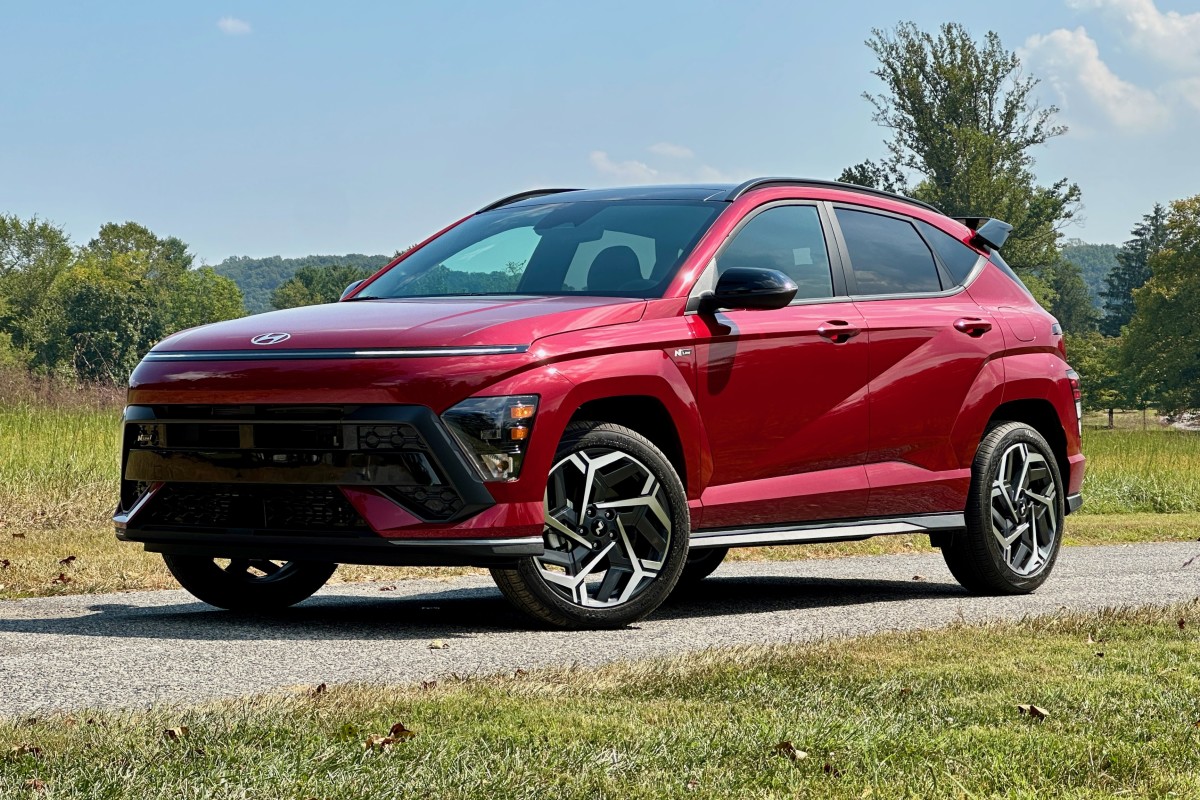
Overview | |
MSRP$37,000 | MSRP$25,500 |
Listings273 | Listings3914 |
Ratings & Reviews | |
User Reviews | User Reviews |
Expert reviews7.0 out of 10 | Expert reviews |
Pros
Cons
| |
Reviews SummaryToyota’s quirkiest model returns as a fully electric subcompact crossover that shares its platform and battery with the bZ Woodland but trades practicality for personality. With 338 horsepower, available all-wheel drive (AWD), and a starting price of $48,015 (including destination), the 2026 Toyota C-HR offers an entertaining drive at a reasonable price. Verdict: The 2026 Toyota C-HR won’t be the right fit for buyers who need lots of space, but it’s a genuinely fun electric crossover that doesn’t cost a fortune. If you’re an EV shopper who values driving enjoyment more than cargo capacity, the C-HR belongs on your shortlist. | |
Reviews Summary | |
No video found | |
Popular Features & Specs | |
Engine338 hp Electric | Engine2.0L 147 hp I4 |
DrivetrainAWD | DrivetrainFWD |
Seating Capacity5 | Seating Capacity5 |
Horsepower | Horsepower147 hp @ 6200 rpm |
EV Battery Capacity74.7 kWh | EV Battery Capacity |
MPG City127 | MPG City29 |
MPG Highway107 | MPG Highway34 |
Battery Charge Time (240V)8 hours | Battery Charge Time (240V) |
Engine | |
Engine Name338 hp Electric | Engine Name2.0L 147 hp I4 |
Torque | Torque132 lb-ft @ 4500 rpm |
Horsepower | Horsepower147 hp @ 6200 rpm |
Battery Charge Time (240V)8 hours | Battery Charge Time (240V) |
DrivetrainAWD | DrivetrainFWD |
Fuel Economy | |
EV Battery Capacity74.7 kWh | EV Battery Capacity |
MPG City127 | MPG City29 |
MPG Highway107 | MPG Highway34 |
Interior | |
Seating Capacity5 | Seating Capacity5 |
Key Features | |
Navigation SystemStandard | Navigation SystemStandard |
Safety | |
Front Crash Overall | Front Crash Overall4 |
Side Crash Overall | Side Crash Overall5 |
Dimensions & Capacity | |
Cargo Space25.3 cu ft | Cargo Space25.5 cu ft |
Curb Weight4322 lbs | Curb Weight3005 lbs |
Height63.8 in | Height62.2 in |
Length177.9 in | Length171.3 in |
Width73.6 in | Width71.9 in |
Wheelbase108.3 in | Wheelbase104.7 in |
Maximum Payload1045 lbs | Maximum Payload1085 lbs |
Number of doors4 | Number of doors4 |
Overview | ||
MSRP | $37,000 | $25,500 |
Listings | ||
Ratings & Reviews | ||
User reviews | ||
Expert reviews | 7.0 out of 10Read full review | |
Pros & cons | Pros
Cons
| |
Summary | Toyota’s quirkiest model returns as a fully electric subcompact crossover that shares its platform and battery with the bZ Woodland but trades practicality for personality. With 338 horsepower, available all-wheel drive (AWD), and a starting price of $48,015 (including destination), the 2026 Toyota C-HR offers an entertaining drive at a reasonable price. Verdict: The 2026 Toyota C-HR won’t be the right fit for buyers who need lots of space, but it’s a genuinely fun electric crossover that doesn’t cost a fortune. If you’re an EV shopper who values driving enjoyment more than cargo capacity, the C-HR belongs on your shortlist. | |
Video | No video found | |
Popular Features & Specs | ||
Engine | 338 hp Electric | 2.0L 147 hp I4 |
Drivetrain | AWD | FWD |
Seating Capacity | 5 | 5 |
Horsepower | 147 hp @ 6200 rpm | |
EV Battery Capacity | 74.7 kWh | |
MPG City | 127 | 29 |
MPG Highway | 107 | 34 |
Battery Charge Time (240V) | 8 hours | |
Engine | ||
Engine Name | 338 hp Electric | 2.0L 147 hp I4 |
Torque | 132 lb-ft @ 4500 rpm | |
Horsepower | 147 hp @ 6200 rpm | |
Battery Charge Time (240V) | 8 hours | |
Drivetrain | AWD | FWD |
Fuel Economy | ||
EV Battery Capacity | 74.7 kWh | |
MPG City | 127 | 29 |
MPG Highway | 107 | 34 |
Interior | ||
Seating Capacity | 5 | 5 |
Key Features | ||
Navigation System | Standard | Standard |
Safety | ||
Front Crash Overall | 4 | |
Side Crash Overall | 5 | |
Dimensions & Capacity | ||
Cargo Space | 25.3 cu ft | 25.5 cu ft |
Curb Weight | 4322 lbs | 3005 lbs |
Height | 63.8 in | 62.2 in |
Length | 177.9 in | 171.3 in |
Width | 73.6 in | 71.9 in |
Wheelbase | 108.3 in | 104.7 in |
Maximum Payload | 1045 lbs | 1085 lbs |
Number of doors | 4 | 4 |


By: CarGurus + AI
At CarGurus, our team of experienced automotive writers remain at the heart of our content operation, conducting hands-on car tests and writing insightful guides that are backed by years of industry experience. To complement this, we are harnessing AI to make our content offering more diverse and more helpful to shoppers than ever. To achieve this, our AI systems are based exclusively on CarGurus content, ratings and data, so that what we produce is both unique to CarGurus, and uniquely helpful to car shoppers.
