Mercedes-Benz S-Class vs Toyota Avalon
Overview | |
Listings264 | Listings20 |
Ratings & Reviews | |
User Reviews | User Reviews |
Expert reviews8.7 out of 10 | Expert reviews6.0 out of 10 |
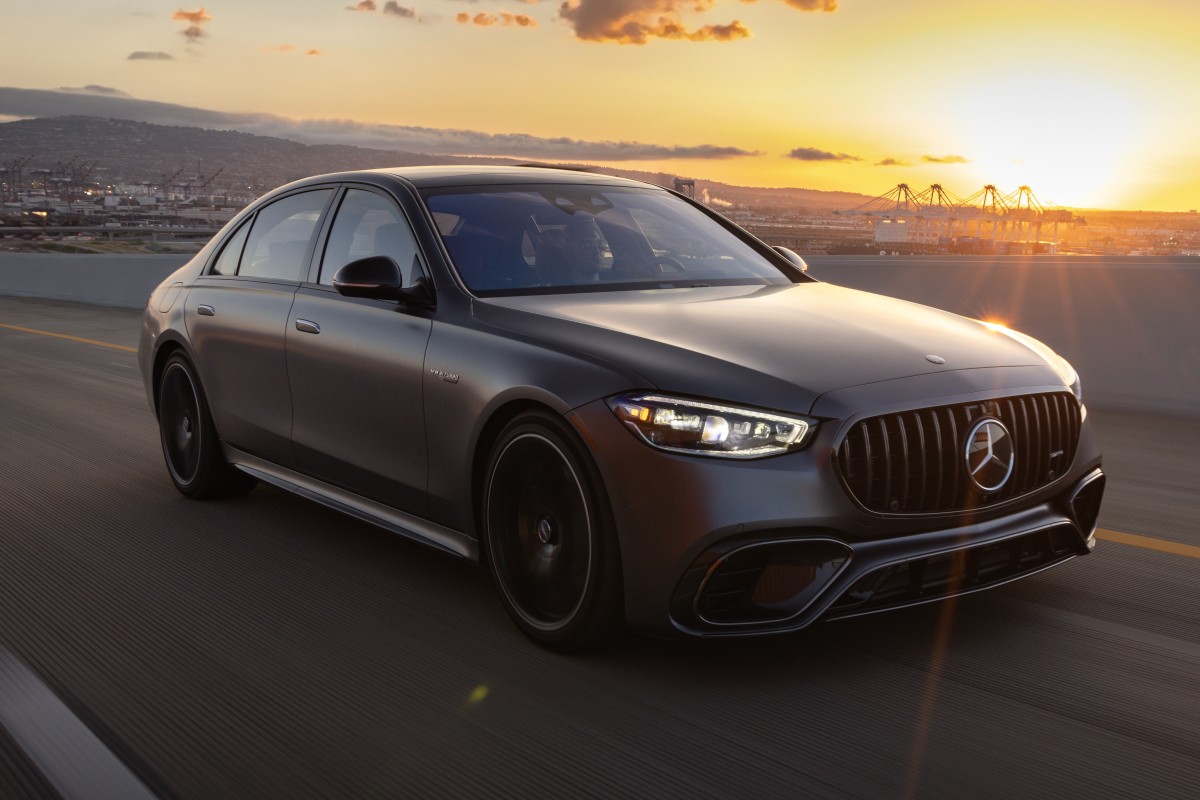
Reviews SummaryThe 2022 Mercedes-Benz S-Class is a full-size four-door luxury sedan with a 48-volt mild hybrid system as part of its gasoline-electric powertrain, including a turbocharged 3.0-litre inline-6-cylinder gas engine (S500) or twin-turbo 4.0-litre V8 (S580), with EQ Boost, a nine-speed automatic transmission, and all-wheel drive (AWD). The S500 starts at $123,500; the S580 starts at $139,900. Natural Resources Canada estimates the S500 can achieve fuel consumption as low as 11.4 litres per 100 kilometres city/8.0 highway/9.9 combined, while the S580 is rated at 14.3 L/100 km city/9.5 highway/12.2 combined. | |
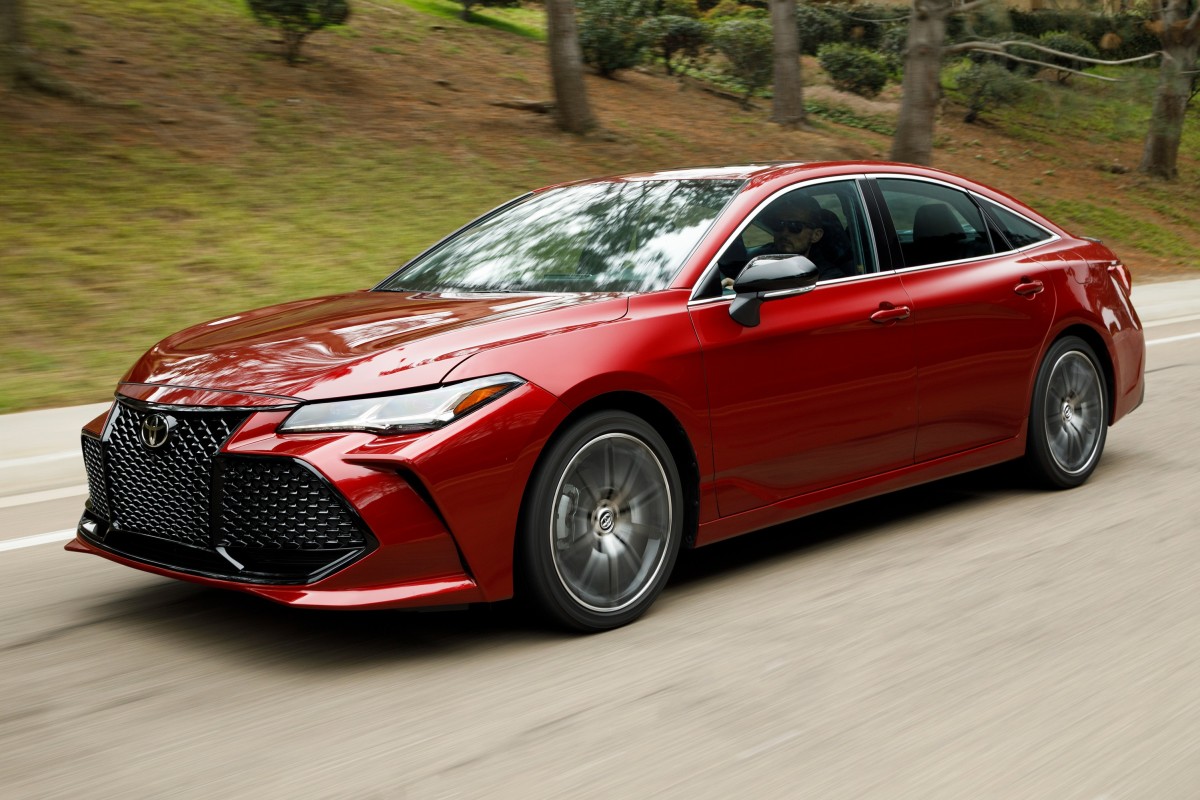
Reviews SummaryThe 2021 Toyota Avalon serves a simple function. It bridges the price gap between the Toyota Camry and the Lexus ES. In fact, the Avalon and the Lexus are essentially the same cars, the latter offering a greater degree of refinement and a more appealing design. Otherwise, there isn’t a reason for the Avalon to exist in a world gone mad for SUVs. And that’s especially true when a certified pre-owned Lexus ES that’s just a year or two old costs less than the new Toyota. | |
No video found | |
Popular Features & Specs | |
Engine3.0L 429 hp I6 | Engine2.5L 205 hp I4 |
DrivetrainAWD | DrivetrainAWD |
Seating Capacity5 | Seating Capacity5 |
Horsepower429 hp @ 6100 rpm | Horsepower205 hp @ 6600 rpm |
Fuel Economy (City)11.2 L(e)/100 km | Fuel Economy (City)9.4 L(e)/100 km |
Fuel Economy (Highway)7.8 L(e)/100 km | Fuel Economy (Highway)6.9 L(e)/100 km |
Engine | |
Engine Name3.0L 429 hp I6 | Engine Name2.5L 205 hp I4 |
Torque384 lb-ft @ 1800 rpm | Torque185 lb-ft @ 5000 rpm |
Horsepower429 hp @ 6100 rpm | Horsepower205 hp @ 6600 rpm |
DrivetrainAWD | DrivetrainAWD |
Fuel Economy | |
Fuel Economy (City)11.2 L(e)/100 km | Fuel Economy (City)9.4 L(e)/100 km |
Fuel Economy (Highway)7.8 L(e)/100 km | Fuel Economy (Highway)6.9 L(e)/100 km |
Interior | |
Leather SeatsOptional | Leather Seats |
Seating Capacity5 | Seating Capacity5 |
Key Features | |
Navigation SystemOptional | Navigation System |
Sunroof/MoonroofOptional | Sunroof/Moonroof |
Safety | |
Front Crash Overall | Front Crash Overall4 |
Side Crash Overall | Side Crash Overall5 |
Dimensions & Capacity | |
Cargo Space365 L | Cargo Space456 L |
Curb Weight2150 kg | Curb Weight1624 kg |
Height1504 mm | Height1440 mm |
Length5288 mm | Length4976 mm |
Width2108 mm | Width1849 mm |
Wheelbase3216 mm | Wheelbase2870 mm |
Maximum Payload629 kg | Maximum Payload426 kg |
Number of doors4 | Number of doors4 |
Overview | ||
Listings | ||
Ratings & Reviews | ||
User reviews | ||
Expert reviews | 8.7 out of 10Read full review | 6.0 out of 10Read full review |
Pros & cons | ||
Summary | The 2022 Mercedes-Benz S-Class is a full-size four-door luxury sedan with a 48-volt mild hybrid system as part of its gasoline-electric powertrain, including a turbocharged 3.0-litre inline-6-cylinder gas engine (S500) or twin-turbo 4.0-litre V8 (S580), with EQ Boost, a nine-speed automatic transmission, and all-wheel drive (AWD). The S500 starts at $123,500; the S580 starts at $139,900. Natural Resources Canada estimates the S500 can achieve fuel consumption as low as 11.4 litres per 100 kilometres city/8.0 highway/9.9 combined, while the S580 is rated at 14.3 L/100 km city/9.5 highway/12.2 combined. | The 2021 Toyota Avalon serves a simple function. It bridges the price gap between the Toyota Camry and the Lexus ES. In fact, the Avalon and the Lexus are essentially the same cars, the latter offering a greater degree of refinement and a more appealing design. Otherwise, there isn’t a reason for the Avalon to exist in a world gone mad for SUVs. And that’s especially true when a certified pre-owned Lexus ES that’s just a year or two old costs less than the new Toyota. |
Video | No video found | |
Popular Features & Specs | ||
Engine | 3.0L 429 hp I6 | 2.5L 205 hp I4 |
Drivetrain | AWD | AWD |
Seating Capacity | 5 | 5 |
Horsepower | 429 hp @ 6100 rpm | 205 hp @ 6600 rpm |
Fuel Economy (City) | 11.2 L(e)/100 km | 9.4 L(e)/100 km |
Fuel Economy (Highway) | 7.8 L(e)/100 km | 6.9 L(e)/100 km |
Engine | ||
Engine Name | 3.0L 429 hp I6 | 2.5L 205 hp I4 |
Torque | 384 lb-ft @ 1800 rpm | 185 lb-ft @ 5000 rpm |
Horsepower | 429 hp @ 6100 rpm | 205 hp @ 6600 rpm |
Drivetrain | AWD | AWD |
Fuel Economy | ||
Fuel Economy (City) | 11.2 L(e)/100 km | 9.4 L(e)/100 km |
Fuel Economy (Highway) | 7.8 L(e)/100 km | 6.9 L(e)/100 km |
Interior | ||
Leather Seats | Optional | |
Seating Capacity | 5 | 5 |
Key Features | ||
Navigation System | Optional | |
Sunroof/Moonroof | Optional | |
Safety | ||
Front Crash Overall | 4 | |
Side Crash Overall | 5 | |
Dimensions & Capacity | ||
Cargo Space | 365 L | 456 L |
Curb Weight | 2150 kg | 1624 kg |
Height | 1504 mm | 1440 mm |
Length | 5288 mm | 4976 mm |
Width | 2108 mm | 1849 mm |
Wheelbase | 3216 mm | 2870 mm |
Maximum Payload | 629 kg | 426 kg |
Number of doors | 4 | 4 |
2021 Toyota Avalon for Sale


2022 Mercedes-Benz S-Class for Sale


By: CarGurus + AI
At CarGurus, our team of experienced automotive writers remain at the heart of our content operation, conducting hands-on car tests and writing insightful guides that are backed by years of industry experience. To complement this, we are harnessing AI to make our content offering more diverse and more helpful to shoppers than ever. To achieve this, our AI systems are based exclusively on CarGurus content, ratings and data, so that what we produce is both unique to CarGurus, and uniquely helpful to car shoppers.
Popular vehicle comparisons
Toyota Avalon vs Honda Accord CoupeToyota Avalon vs Toyota Camry SolaraMercedes-Benz S-Class vs Hyundai Sonata HybridMercedes-Benz S-Class vs Genesis G70Toyota Avalon vs Toyota MR2 SpyderToyota Avalon vs Toyota MiraiMercedes-Benz S-Class vs Lincoln Town CarNissan Maxima vs Toyota AvalonMercedes-Benz S-Class vs Mercedes-Benz AMG GTMercedes-Benz S-Class vs Maybach 62Toyota Avalon vs Toyota HighlanderMercedes-Benz S-Class vs Genesis G90Toyota Avalon vs Toyota CamryMercedes-Benz S-Class vs Cadillac CT5Mercedes-Benz S-Class vs Mercedes-Benz GLSMercedes-Benz S-Class vs Lexus LSToyota Avalon vs Honda AccordMercedes-Benz S-Class vs Kia K4Audi A6 vs Mercedes-Benz S-ClassMercedes-Benz S-Class vs Mercedes-Benz CLSChrysler 300 vs Toyota AvalonMercedes-Benz S-Class vs BMW 7 SeriesAudi A8 vs Mercedes-Benz S-ClassToyota Avalon vs Lexus LS
2024 Mercedes-Benz S-Class vs 2024 BMW 7 Series2024 Mercedes-Benz S-Class vs 2024 Cadillac CT52024 Mercedes-Benz E-Class vs 2024 Mercedes-Benz S-Class2023 Mercedes-Benz S-Class vs 2024 Mercedes-Benz E-Class2023 Mercedes-Benz E-Class vs 2023 Mercedes-Benz S-Class2023 Cadillac CT5 vs 2024 Mercedes-Benz S-Class2023 BMW 7 Series vs 2024 Mercedes-Benz S-Class2023 Mercedes-Benz S-Class vs 2024 Cadillac CT52023 BMW 7 Series vs 2023 Mercedes-Benz S-Class2023 Mercedes-Benz E-Class vs 2024 Mercedes-Benz S-Class2023 Mercedes-Benz S-Class vs 2024 BMW 7 Series2023 Cadillac CT5 vs 2023 Mercedes-Benz S-Class2022 Mercedes-Benz S-Class vs 2023 Cadillac CT52022 Mercedes-Benz E-Class vs 2023 Mercedes-Benz S-Class2022 Mercedes-Benz S-Class vs 2023 BMW 7 Series2022 Mercedes-Benz E-Class vs 2022 Mercedes-Benz S-Class2022 Mercedes-Benz S-Class vs 2023 Mercedes-Benz E-Class
