Canadian drivers have an enormous appetite for SUVs, and it's easy to understand why. From compact crossovers that sip fuel through city traffic to spacious three-row haulers built for hockey tournaments and cottage runs, the SUV format has become the default family vehicle from coast to coast. For 2026, the segment is more competitive than ever, with hybrid powertrains becoming increasingly common, technology continuing to evolve, and design taking bolder turns than we've seen in years.
We've put together a list of the top 10 SUVs in Canada for 2026. The vehicles below span a range of sizes, price points, and powertrain choices, but they all share one thing: they've earned their spots based on a balance of expert review scores, real owner feedback, and the kind of value that translates to good deals in the marketplace. Whether fuel efficiency, third-row space, luxury appointments, or all-weather capability are priorities, there's something here worth a closer look.
About this guide
The cars in this guide have been selected to represent the best options currently available. Our recommendations are the result of a unique three-part scoring system that takes into account real-world tests from our team of expert reviewers, ratings from real-life owners who live with these cars every day, and an analysis of market data from CarGurus to identify which models offer the highest percentage of good and great deals. This combined approach ensures our list highlights cars that are not only great to own but also good value to buy. For more information, scroll to the bottom of this page.
The Top 10 SUVs in Canada for 2026
CarGurus expert rating: 7.7 out of 10
CarGurus user rating: 4.5 out of 5
Percentage of good/great deals available on CarGurus: 29.3%
Overall CarGurus rating: 4.5 out of 5
| Pros |
Cons |
| Multiple trims and styles |
Confusing trim levels |
| Standard hybrid |
Size hasn't kept up with rivals |
| Updated tech |
|
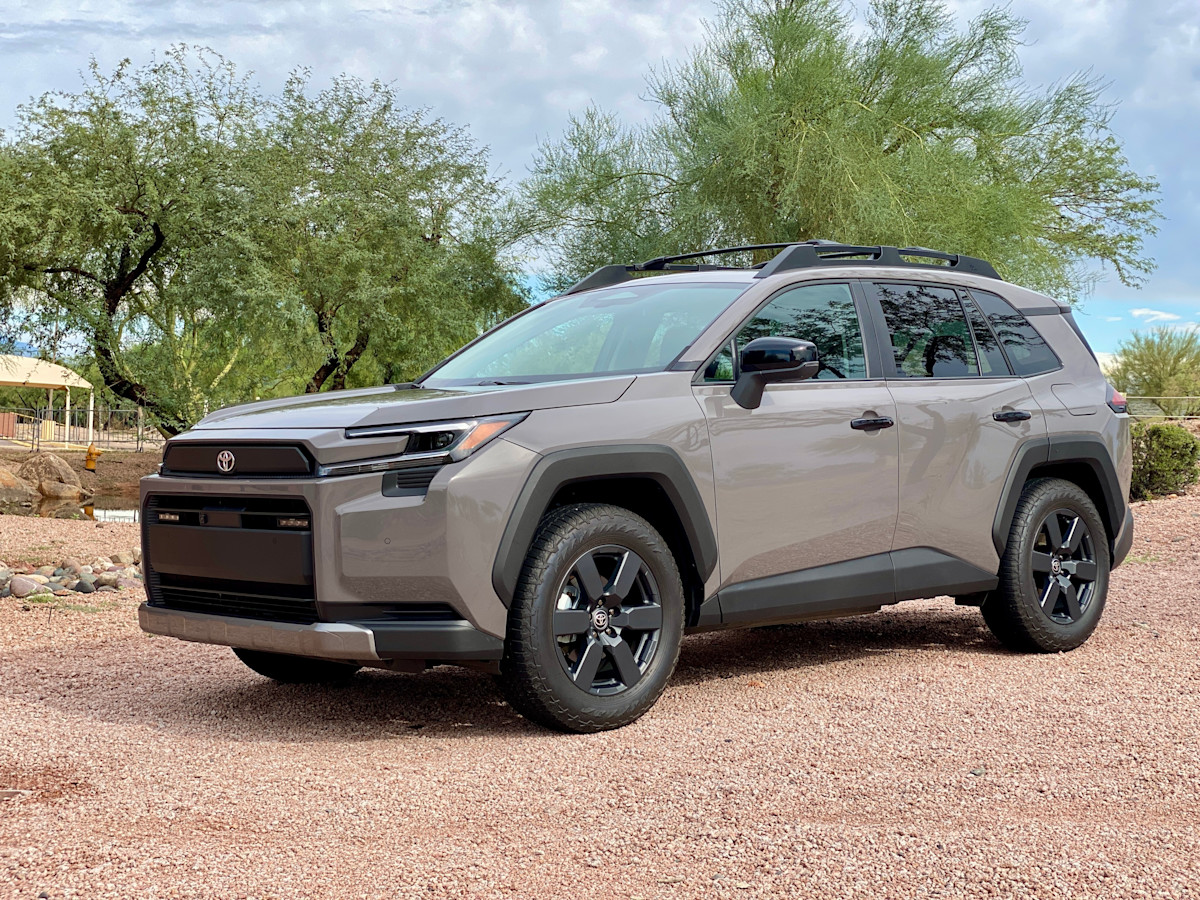
Canada's best-selling SUV enters its sixth generation with a bolder, blockier silhouette and—perhaps most significantly—a hybrid powertrain as standard equipment across the lineup. The redesigned Toyota RAV4 manages to keep its tidy footprint while making smarter use of interior space, offering clever storage cubbies and a generous 1,070 litres of cargo room behind the rear seats. Drop the 60/40-split second row and that figure swells to 1,994 litres, which is more than enough for a Costco run or a weekend's worth of camping gear. A new 12.3-inch digital instrument cluster joins an upgraded touchscreen, finally bringing the cabin's tech in line with newer competitors.
The standard hybrid setup pairs a 2.5-litre four-cylinder with three electric motors for a combined 236 horsepower, channelled through a smooth CVT and standard all-wheel drive. Off-the-line response is noticeably quicker than a typical small-displacement turbo, and fuel economy can dip as low as 5.5 L/100 km combined in base LE trim. Add to that a stiffer structure and a suspension that does an admirable job of soaking up Canada's frost-heaved pavement, and buyers have a daily driver that's genuinely pleasant to live with.
The CarGurus Verdict: "In the Toyota RAV4, the good gets better. It offers fuel efficiency as low as 5.5 L/100 km combined along with more standard features, a quicker operating system, and improvements across the board to bolster its bestselling position." - Robert Duffer, CarGurus contributor
Read our full Toyota RAV4 review
CarGurus expert rating: 7.7 out of 10
CarGurus user rating: 4.8 out of 5
Percentage of good/great deals available on CarGurus: 32%
Overall CarGurus rating: 4.5 out of 5
| Pros |
Cons |
| Great ride quality |
Underwhelming off-road chops |
| Efficient hybrid powertrain |
No SiriusXM radio |
| Easy-to-use technology |
Limited tech features |
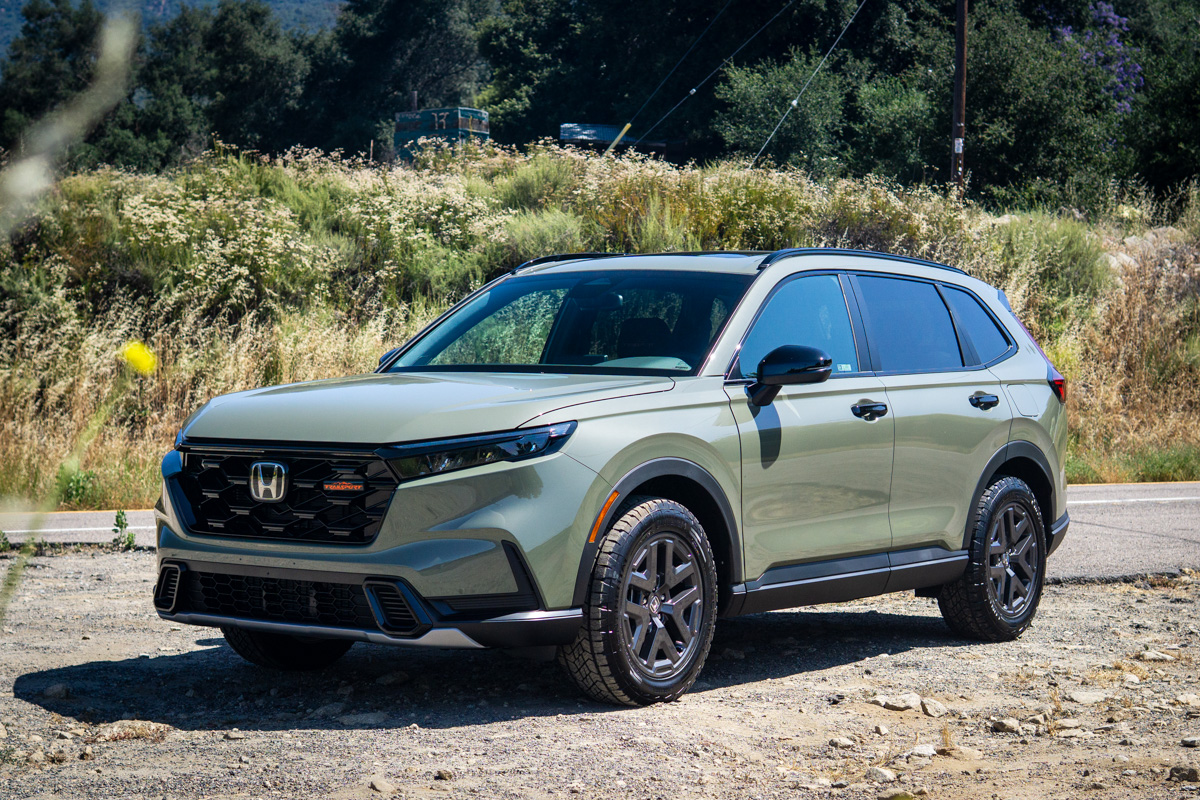
The Honda CR-V Hybrid has long been a benchmark for compact crossover refinement, and the 2026 model only sharpens that reputation. Inside are soft, supportive seats, plentiful legroom for both rows, and a 1,028-litre cargo hold behind the rear bench that expands to 2,030 litres when folded. The cabin layout favours simplicity over flash, with intuitive controls that don't bury essential functions inside a touchscreen menu—a small but increasingly rare touch in this segment.
Under the hood, Honda's two-motor hybrid system works in concert with a 2.0-litre Atkinson-cycle four-cylinder to produce 204 horsepower and a healthy 247 lb-ft of torque. The result is seamless low-speed urgency and a combined fuel economy figure of just 6.4 L/100 km on most trims. For 2026, the standard all-wheel-drive system gets a meaningful upgrade, now capable of sending up to 50% of available torque to the rear axle for better grip on slick climbs and snow-packed driveways.
The CarGurus Verdict: "The CR-V is one of the best compact crossovers on the market, and the hybrid powertrain only makes it better." - Matt Smith, CarGurus Head of Content
Read our full Honda CR-V Hybrid review
Search for Honda CR-V Hybrid
See all
CarGurus expert rating: 6.5 out of 10
CarGurus user rating: 4.8 out of 5
Percentage of good/great deals available on CarGurus: 33.3%
Overall CarGurus rating: 4.5 out of 5
| Pros |
Cons |
| Crisp exterior and interior design that leads the compact SUV segment |
Underpowered engine feels even more sluggish with the added weight of this redesign |
| Standard AWD, a generous safety suite, and low starting price make it a strong value |
No hybrid option until 2027, so expect poor fuel economy |
| Noticeably improved rear passenger space and cargo room |
Aging six-speed automatic can't match the refinement of competitors' eight-speed transmissions |
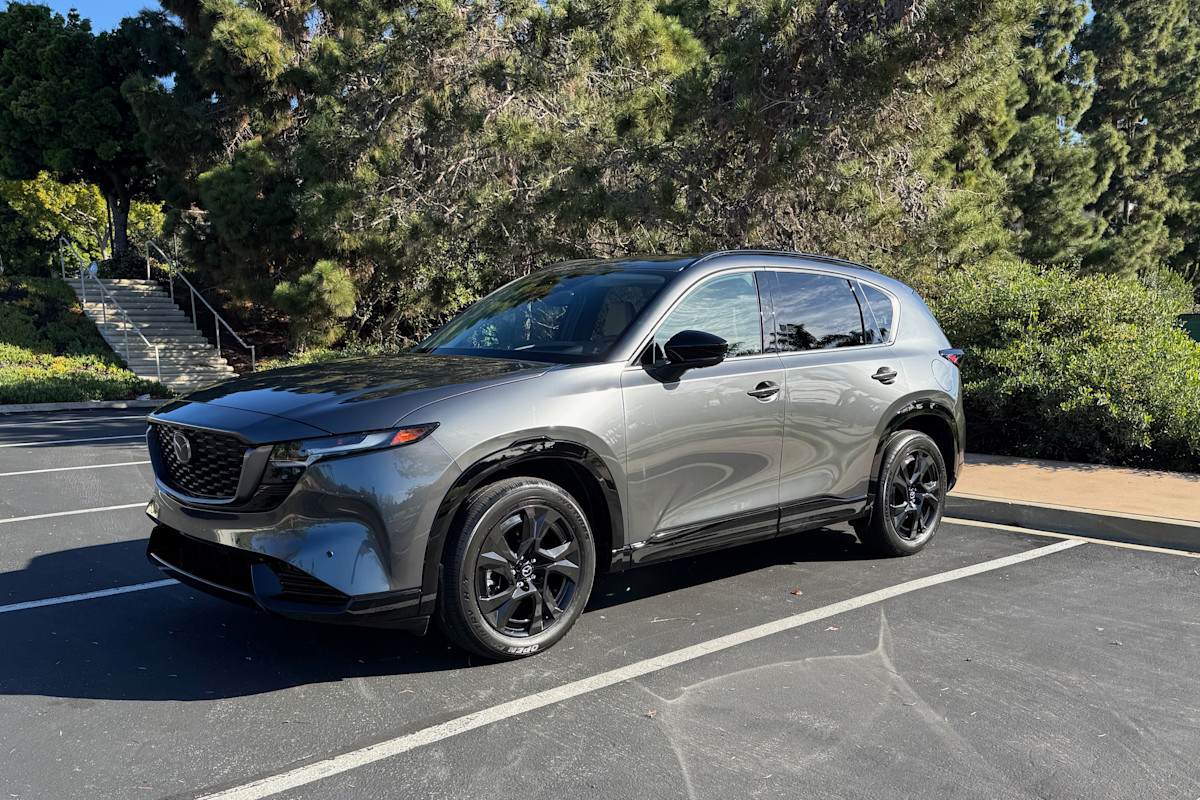
If looks alone could sell a vehicle, the redesigned Mazda CX-5 would be sold out. The 2026 model stretches longer and wider than its predecessor, and the proportions translate to a cabin that finally answers the chief complaint about the outgoing version: tight rear-seat accommodation. Knee clearance gets a notable bump, headroom now leads the class, and cargo capacity climbs to 954 litres behind the second row—or 1,882 litres with the rear bench folded down. Combine that with Mazda's signature attention to material quality, and buyers have one of the most premium-feeling cabins in the mainstream compact crossover segment.
Mechanically, things haven't progressed quite as far. The carryover 2.5-litre naturally aspirated four-cylinder produces 187 horsepower and 186 lb-ft of torque, paired with a six-speed automatic and standard all-wheel drive. With the new model's added heft, acceleration feels relaxed at best, and the dated gearbox can't quite keep pace with the eight- and nine-speed units offered by rivals. The silver lining? Mazda's chassis tuning remains a segment standout, delivering precise steering and a planted, composed feel that makes back roads more rewarding than they have any right to be.
The CarGurus Verdict: "The CX-5 is one of the best-looking and best-equipped compact crossovers you can buy, but its sluggish and thirsty powertrain and odd interior quibbles hold it back from greatness. Buyers who prioritize style, interior quality, and value will love it; those who want efficiency or performance should wait for the hybrid in 2027." - David Undercoffler, CarGurus Head of Consumer Insights
Read our full Mazda CX-5 review
CarGurus expert rating: 7.2 out of 10
CarGurus user rating: 4.5 out of 5
Percentage of good/great deals available on CarGurus: 30.1%
Overall CarGurus rating: 4.5 out of 5
| Pros |
Cons |
| Stylish design |
Fairly pedestrian performance |
| Great safety ratings |
X-Pro's underwhelming value proposition |
| Impressive technology |
|
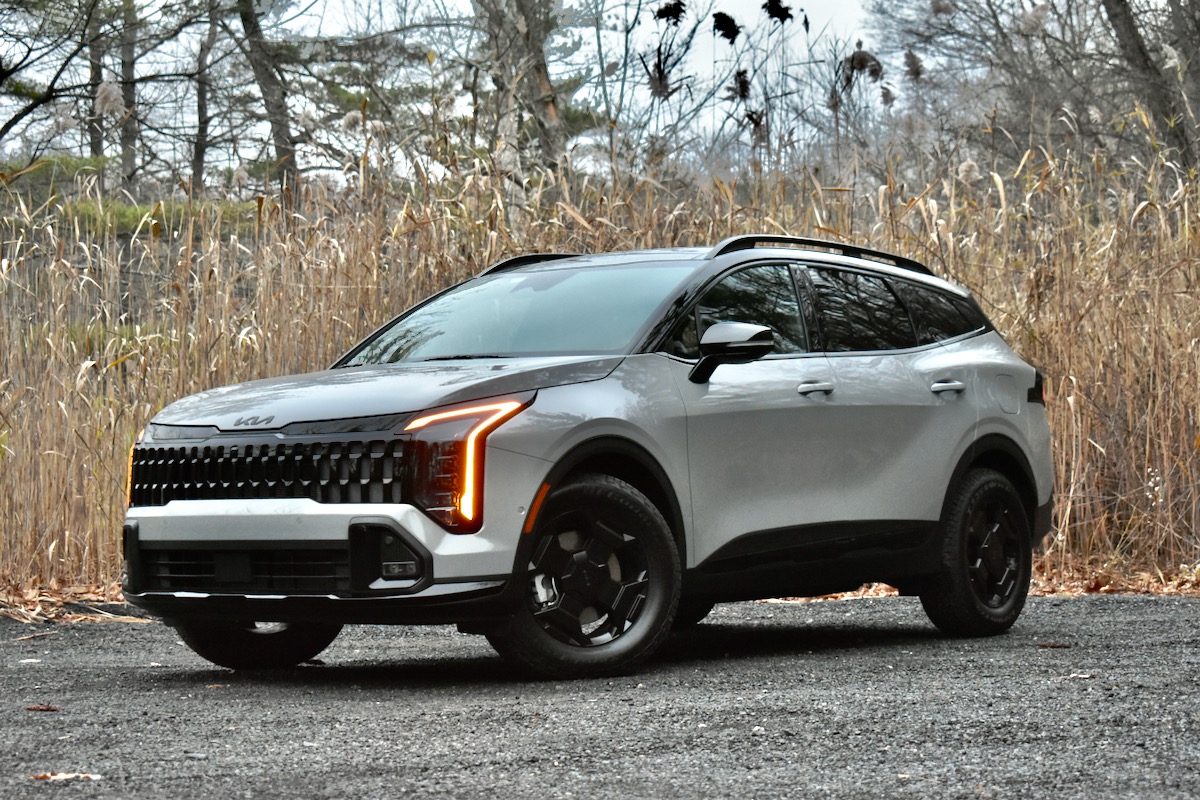
Kia continues to lean into bold design with its refreshed Sportage, which now wears a wider grille and slim vertical headlights for a more truck-like presence. The styling pays dividends inside, too. A generous 2,755-mm wheelbase frees up rear-seat legroom that bests most of the segment, and the dual-level cargo floor allows for up to 2,098 litres of usable space when measured behind the front row—handy for everything from IKEA hauls to multi-day road trips.
Powertrain choices are broad, with conventional gas, hybrid, and plug-in hybrid options all on the table. The base 2.5-litre four-cylinder makes 187 horsepower and 178 lb-ft of torque, while the hybrid bumps output to 232 hp and the plug-in hybrid stretches that to 268 hp—all available with all-wheel drive. The hybrid is the sweet spot for most Canadian buyers, posting a combined 6.7 L/100 km that should keep fuel costs in check.
The CarGurus Verdict: "The refreshed Sportage arrives with the competent execution we've come to expect from Kia." - Stephen Edelstein, CarGurus contributor
Read our full Kia Sportage review

CarGurus expert rating: 6.8 out of 10
CarGurus user rating: 4.6 out of 5
Percentage of good/great deals available on CarGurus: 31.4%
Overall CarGurus rating: 4.4 out of 5
| Pros |
Cons |
| Multiple powertrain options |
Design not to all tastes |
| Impressive technology |
Not as spacious as some rivals |
| Great warranty |
Expensive in top trims |
Hyundai took a swing-for-the-fences approach with the redesigned Santa Fe, ditching curves for sharp, boxy lines and a wide-opening tailgate that gives it the silhouette of something far more rugged than its mechanical roots. The extended wheelbase opens up the cabin to accommodate up to seven passengers, while the unusually wide rear hatch makes loading awkward items such as strollers, bikes, or pet crates considerably easier. Cargo capacity measures 1,148 litres with the third row folded and grows to 2,267 litres with the second row down.
The standard powertrain is a 2.5-litre turbocharged four-cylinder good for 277 horsepower and 311 lb-ft of torque, mated to an eight-speed dual-clutch automatic and standard all-wheel drive. A hybrid variant is also available, combining a 1.6-litre turbo four with an electric motor to produce 231 hp and noticeably better fuel economy. Inside, a standard 12.3-inch touchscreen with wireless Apple CarPlay and Android Auto anchors the tech experience, and the cabin's lounge-like layout—complete with dual wireless chargers and abundant storage—gives the Santa Fe a distinct character compared to its more conservative rivals.
The CarGurus Verdict: "The Hyundai Santa Fe is a mid-size crossover that fashionable families will love. Though, those with more traditional tastes might find it all a bit too much." - Emme Hall, CarGurus contributor
Read our full Hyundai Santa Fe review

CarGurus expert rating: 8.8 out of 10
CarGurus user rating: 4.6 out of 5
Percentage of good/great deals available on CarGurus: 21.9%
Overall CarGurus rating: 4.4 out of 5
| Pros |
Cons |
| Multiple powertrain options |
Potentially polarizing design |
| Premium interior materials |
Lacks dynamic communication |
| Impressive technology |
Distracting steering wheel controls |
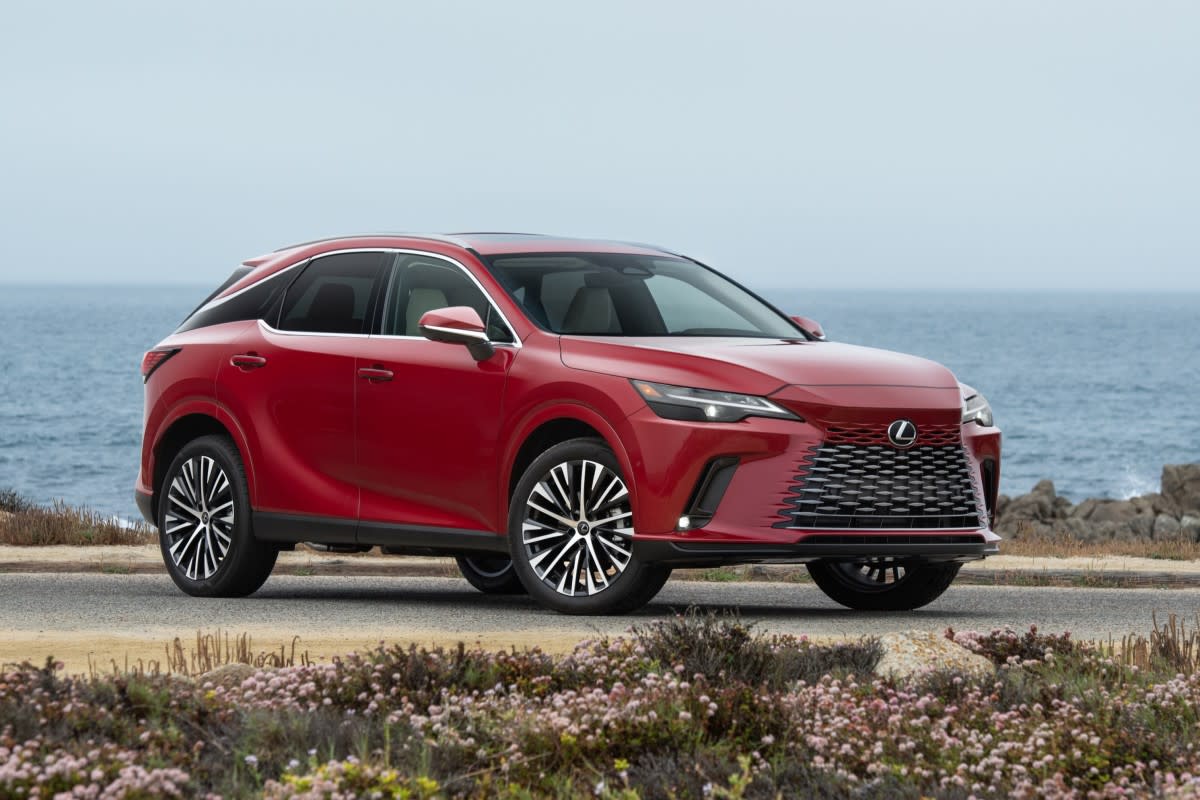
The Lexus RX Hybrid is one of the few mainstream luxury two-row SUVs with a fully electrified lineup, and remains a benchmark for serene, comfortable cruising. The cabin is whisper-quiet at speed, the materials are uniformly upscale, and second-row passengers are treated to genuine adult-sized accommodations. An available hands-free power tailgate reveals 838 litres of cargo room behind the second row, which expands to 1,308 litres when those seats are folded.
Lexus offers three distinct hybrid powertrains, allowing buyers to dial in exactly the kind of RX they want. The RX 350h is the efficiency play, with 246 horsepower and standard all-wheel drive. The performance-oriented RX 500h ups the ante with a turbocharged hybrid making 366 horsepower, sport-tuned adaptive damping, and the Direct4 AWD system that actively manages torque distribution. For drivers who want the option of running purely on electricity around town, the RX 450h+ plug-in hybrid delivers 304 horsepower and an estimated 60 kilometres of electric-only range.
The CarGurus Verdict: "Though it lacks substantial competition in the luxury hybrid SUV segment, the Lexus RX Hybrid is worthy of consideration. With hybrid, performance hybrid, and plug-in hybrid powertrain choices, it checks a lot of boxes." - Christian Wardlaw, CarGurus contributor
Read our full Lexus RX Hybrid review
CarGurus expert rating: 7.3 out of 10
CarGurus user rating: 4.4 out of 5
Percentage of good/great deals available on CarGurus: 30.8%
Overall CarGurus rating: 4.4 out of 5
| Pros |
Cons |
| Very spacious and easy to access all rows |
Sluggish powertrain |
| Useful and easy infotainment |
Mediocre efficiency |
| Impressive materials on upper trims |
Rock Creek trim is all bark and no bite |
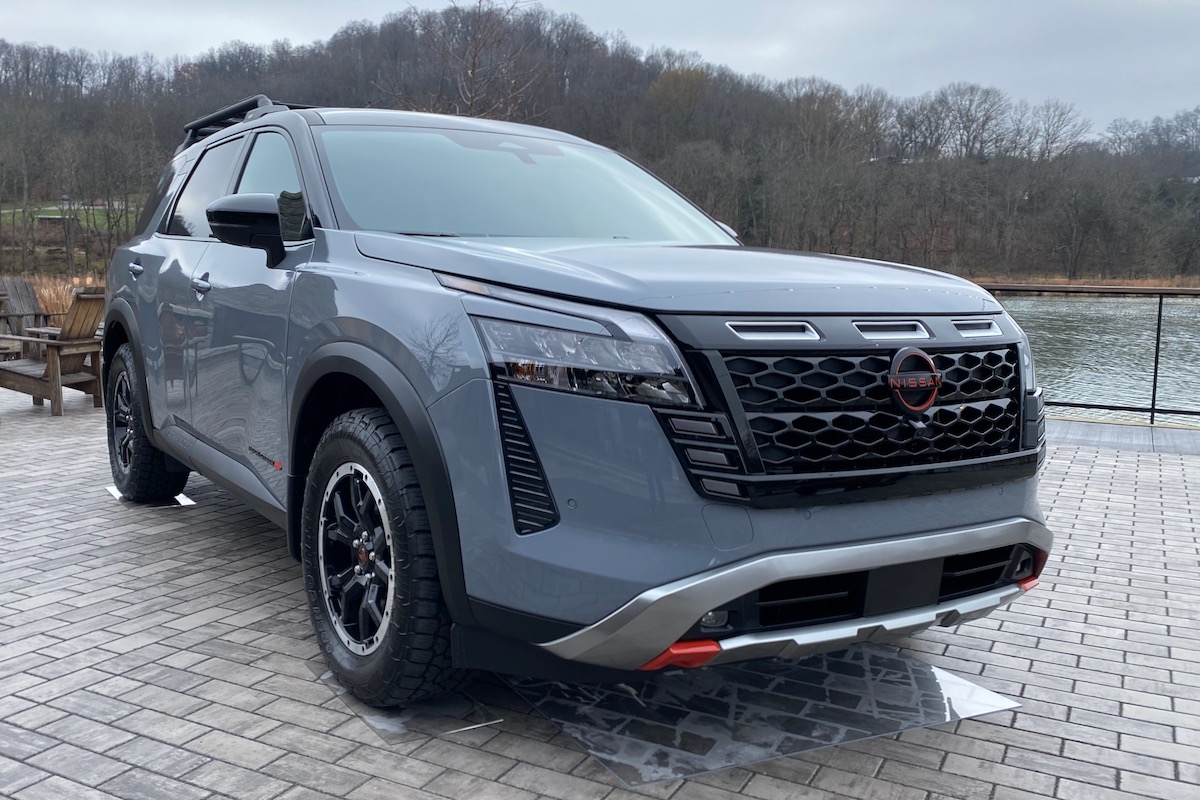
Families needing room for up to eight will find a lot to like in the Nissan Pathfinder, particularly when it comes to third-row access. Nissan's clever Latch and Glide second-row system tilts and slides even with a child seat still installed—a small detail that becomes a daily blessing for those who've wrestled with a forward-facing convertible. Cargo room measures 470 litres behind the third row and balloons to 2,279 litres with both rear rows stowed.
Powering the Pathfinder is a 3.5-litre V6 making 284 horsepower and 259 lb-ft of torque, paired with a nine-speed automatic and standard all-wheel drive. It's a straightforward, naturally aspirated setup that prioritizes durability over fireworks. For 2026, Nissan upgraded the technology with a standard 12.3-inch touchscreen, wireless Apple CarPlay and Android Auto, and the production debut of Qi2 next-generation wireless device charging—a useful upgrade for anyone tired of fiddling with cables in the centre console.
The CarGurus Verdict: "The Pathfinder is a good choice for value, interior quality, and space, but rivals from Toyota, Hyundai, and Kia push the dials even further at a similar price." - Clifford Atiyeh, CarGurus contributor
Read our full Nissan Pathfinder review
Search for Nissan Pathfinder
See all

CarGurus expert rating: 6.2 out of 10
CarGurus user rating: 4.8 out of 5
Percentage of good/great deals available on CarGurus: 31.9%
Overall CarGurus rating: 4.3 out of 5
| Pros |
Cons |
| Multiple powertrain options |
XRT trim loses luxury features |
| Great ride quality |
Fuel economy lags behind top rivals |
| Spacious |
|
The redesigned 2026 Hyundai Palisade secures its spot among the top SUVs in Canada by offering a premium, family-friendly experience with bold new styling and a highly refined interior. This three-row SUV provides exceptional versatility for Canadian families, featuring comfortable seating for up to eight passengers and high-quality materials that rival luxury competitors. Cargo capacity is generous, offering 540 litres of space behind the third row, which expands to 1,310 litres with the third row folded flat, and a maximum of 2,455 litres behind the front seats, ensuring plenty of room for hockey gear, groceries, or road trip luggage.
Under the hood, the standard Palisade is powered by a smooth 3.5-litre V6 engine delivering 287 horsepower and 260 pound-feet of torque, paired with an eight-speed automatic transmission and standard all-wheel drive to confidently tackle Canadian winters. For those seeking better fuel efficiency, a new hybrid powertrain is available, combining a 2.5-litre turbocharged four-cylinder engine with two electric motors for a robust total system output of 329 horsepower. The Palisade delivers a composed and isolated ride over rough roads, and the new XRT Pro trim adds extra ground clearance and all-terrain tires for families looking to venture off the beaten path.
The CarGurus Verdict: "The Hyundai Palisade is an improvement over the model it replaces in every meaningful way. Consider it a top choice if you’re in the market for a comfortable three-row SUV with space for the whole family." - Jeremy Korzeniewski, CarGurus contributor
Read our full Hyundai Palisade review

CarGurus expert rating: 6.8 out of 10
CarGurus user rating: 5.0 out of 5
Percentage of good/great deals available on CarGurus: 15.7%
Overall CarGurus rating: 4.2 out of 5
| Pros |
Cons |
| Spacious third row |
Uninspired styling |
| Standard advanced safety features |
Some technology only available with a subscription |
| Multiple powertrain options |
|
Hockey bags, growing kids, and the occasional carpool full of teenagers all add up to a strong case for the Toyota Grand Highlander, which slots between the regular Highlander and the truck-based Sequoia in Toyota's lineup. The third row is the standout feature, offering roughly 15 centimetres of additional legroom over the standard Highlander—enough to make it genuinely usable for adults, not just kids. Behind that third row sits 586 litres of cargo space, and folding both rear rows flat opens up a cavernous 2,761 litres. A power liftgate is standard.
Buyers can choose from three powertrains, all with standard all-wheel drive. The entry point is a turbocharged 2.4-litre four-cylinder rated at 265 horsepower. From there, the standard hybrid delivers 7.0 L/100 km combined, while the Hybrid Max—available on the top Platinum trim—mates the turbo engine to an electric motor for 362 horsepower and a 2,268-kilogram towing capacity. Whether fuel efficiency, towing capability, or simply seating seven or eight in comfort are priorities, there's a version of the Grand Highlander to match.
The CarGurus Verdict: "Despite a few small foibles, the Toyota Grand Highlander is perfect for active families who need a bit of extra space and comfort." - Emme Hall, CarGurus contributor
Read our full Toyota Grand Highlander review
Search for Toyota Grand Highlander
See all

CarGurus expert rating: 7.3 out of 10
CarGurus user rating: 4.3 out of 5
Percentage of good/great deals available on CarGurus: 32.0%
Overall CarGurus rating: 4.2 out of 5
| Pros |
Cons |
| Stylish design |
Underwhelming base engine |
| Premium interior materials |
Noisy |
| Great safety ratings |
Unintuitive technology |
The Mazda CX-90 stands out in the Canadian midsize SUV segment by offering a distinctly premium experience with its elegant design and upscale interior. Available with a standard turbocharged 3.3-litre inline-six engine producing 280 horsepower and 332 pound-feet of torque, or a high-output version delivering up to 340 horsepower, it provides robust performance paired with standard all-wheel drive. For eco-conscious buyers, a plug-in hybrid variant offers 42 kilometres of electric-only range. Inside, the cabin boasts high-quality materials like available Nappa leather, though cargo capacity is slightly smaller than some rivals, offering 451 litres behind the third row and up to 2,129 litres with all rear seats folded.
Safety is a major highlight for the CX-90, earning top marks including an IIHS Top Safety Pick+ rating, making it an exceptionally secure choice for families. It comes generously equipped with standard driver assistance features such as automatic emergency braking, blind-spot monitors, and adaptive cruise control. While the native infotainment system relies on a rotary controller rather than a touchscreen for everyday functions, the inclusion of wireless Apple CarPlay and Android Auto ensures seamless smartphone integration. With its engaging driving dynamics and sophisticated styling, the CX-90 delivers a luxury-like feel at a mainstream price point.
The CarGurus Verdict: "Can the CX-90’s elegant design, premium interior, unusual powertrains, enjoyable driving dynamics, and impressive safety ratings ensure competitiveness in a family-size SUV segment? With more attention to detail and better technology, this Mazda SUV could lead instead of follow." - Christian Wardlaw, CarGurus contributor
Read our full Mazda CX-90 review
FAQ
What is the best-selling SUV in Canada?
The Toyota RAV4 has consistently been Canada's best-selling SUV for years, and the redesigned 2026 model—now sold exclusively as a hybrid—is poised to extend that streak with improved efficiency, updated technology, and refreshed styling.
Are hybrid SUVs worth it in Canada?
For most Canadian drivers, yes. Hybrid SUVs deliver meaningful fuel savings in stop-and-go city driving, where electric power can handle most low-speed duties, and many—such as the Toyota RAV4 and Honda CR-V Hybrid—now come standard with all-wheel drive that's well suited to Canadian winters.
Which SUV has the most cargo space?
Among the SUVs on this list, the Toyota Grand Highlander leads with up to 2,761 litres of cargo volume when both rear rows are folded down, making it an excellent option for families who haul a lot of gear.
Do all of these SUVs come with all-wheel drive?
Most do, and several—including the Toyota RAV4, the Honda CR-V Hybrid, the Toyota Grand Highlander, and the Lexus RX Hybrid—offer all-wheel drive as standard equipment across the lineup. Others, such as the Kia Sportage and the Hyundai Santa Fe, make AWD available on most or all trims.
What's the most fuel-efficient SUV on this list?
The 2026 Toyota RAV4 takes the efficiency crown, with the LE trim rated as low as 5.5 L/100 km combined thanks to its standard hybrid powertrain. The Honda CR-V Hybrid is a close runner-up at 6.4 L/100 km combined.
Which SUV is best for families needing a third row?
For families that genuinely use the third row, the Toyota Grand Highlander, the Hyundai Santa Fe, and the Nissan Pathfinder are all strong choices. The Grand Highlander offers the most third-row space, while the Pathfinder's Latch and Glide second-row system makes accessing the back seats especially easy with child seats installed.
What Makes CarGurus Best Cars Guides Different?
Most car-buying websites publish lists of the best cars across a variety of categories, with recommendations driven primarily by editorial expertise. Here's what makes our best cars guides different: we combine the insights and verdicts of our team of car-testing experts with other factors that we know matter to buyers—real owner experiences and current market value.
Our expert reviewers come from some of North America and Canada's most trusted automotive publications, bringing hands-on experience testing vehicles. They put each car through its paces and create detailed reviews covering everything from form and function to performance and cost effectiveness.
But we don't stop there. We also analyze hundreds of thousands of used car listings on CarGurus.ca to track which models consistently offer the highest percentage of great deals relative to how many are listed for sale. Then we factor in user reviews and ratings gathered on CarGurus to hear from people who actually live with these cars every day. Our best cars algorithm combines expert ratings, user reviews, and the percentage of listings rated as good or great deals into a final Overall CarGurus Rating—a three-way approach that reveals not just which cars excel on paper, but which ones deliver real satisfaction and value when you're ready to buy.
The CarGurus market data in this guide was last updated in June 2026. Values were accurate at time of publication and should be used as a guide only.
Related Topics: