For drivers who don’t feel ready to make the leap to battery electric vehicles (BEVs), plug-in hybrid electric vehicles (PHEVs) can be the ideal solution. A plug-in hybrid vehicle has an all-electric range that’s shorter than an EV's but long enough for daily commuting, and it has a gas engine in reserve for longer road trips without recharging to eliminate range anxiety. Regenerative braking helps gather energy for the rechargeable battery to improve efficiency.
Unlike the larger batteries in EVs, PHEV batteries can usually be charged overnight by plugging the car into a household outlet. This eliminates the need to install a higher-voltage outlet and purchase a home charging station (although if you choose to do this, your PHEV will recharge even faster).
Plug-in hybrids provide obvious fuel efficiency benefits, and that’s how most automakers apply them. However, adding electrification to an already powerful engine also brings significant performance improvements, such as instant torque and even higher overall horsepower and torque figures. As a result, some luxury automakers have begun putting PHEV powertrains into their high-performance models, including BMW, Mercedes-Benz, and ultra-luxury brands such as Bentley, Lamborghini, and Ferrari.
The potential downside is that reliability experts such as J.D. Power and Consumer Reports say plug-in hybrids are the least reliable type of powertrain. They have more components than conventional hybrids, EVs, or standalone internal combustion engines, which means there are more things to go wrong. Most automakers provide a transferrable eight-year/160,000-kilometre warranty on hybrid batteries, and some offer similar warranties for other hybrid components. It’s worth looking into this before you buy, regardless of whether you’re shopping for a new or a used car.
In this article, we’ve outlined the best plug-in hybrids in Canada for 2026 and 2027. This list includes cars and SUVs, some of which are budget and family-friendly, while others are true high-performance sports cars. Some PHEVs qualify for rebates through the Government of Canada’s Electric Vehicle Affordability Program. We’ve highlighted this in the descriptions below where applicable.
Of course, you’ll only see the fuel economy benefits of a PHEV if you plug it in regularly to take advantage of its electric driving range. If you can’t or won’t plug in your vehicle regularly, a conventional hybrid (HEV) or gasoline car may be a better solution. Take a look at our lists of the most fuel-efficient cars in Canada and the most fuel-efficient SUVs in Canada to see whether those options may be a better fit.
Prices below include manufacturer’s suggested retail price (MSRP) and destination charges but exclude dealer fees, options, and sales taxes. While current at the time of writing, prices are subject to change.
The Best Plug-in Hybrids in Canada for 2026 and 2027
- BMW M5
- Hyundai Tucson Plug-in
- Kia Sorento PHEV
- Lexus RX 450h+
- Mazda CX-90 Plug-in Hybrid
- Mercedes-AMG E 53 Hybrid
- Mercedes-AMG GLC 63 S E Performance
- Mitsubishi Outlander PHEV
- Toyota RAV4 Plug-in Hybrid
- Toyota Prius Plug-in Hybrid
- Volvo XC90 T8

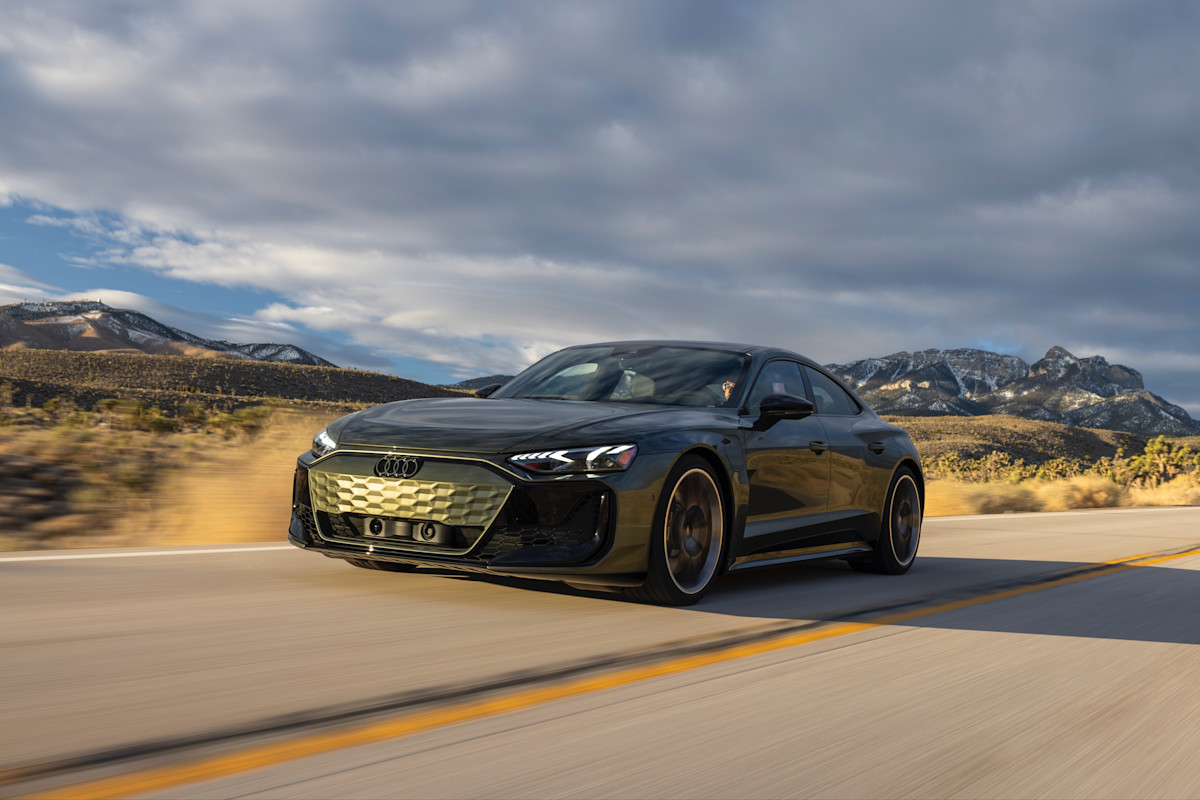
BMW M5
Call it heresy to electrify the venerable BMW M5 if you like, but the result is one of the most powerful performance sedans the German automaker has ever built.
In its plug-in hybrid format, the current-generation BMW M5 delivers 717 horsepower and 738 lb-ft of torque from its 4.4-litre twin-turbocharged V8 engine and electric motor. What’s even better is it’s available in both sedan and wagon formats in North America for the first time, the latter known as the M5 Touring. With the sedan, you’re looking at a 0–100 km/h time of 3.5 seconds, while the wagon can do the sprint in 3.6 seconds.
The sedan offers 47 kilometres of electric autonomy, while the wagon delivers 40 km. Once the battery is drained, fuel economy in hybrid mode is rated at 16.4 L/100 km combined and 17.5 L/100 km combined respectively. The M5 Touring is the one to choose if you regularly need to move belongings, as it has up to 1,630 litres of cargo space with the rear seats folded.
Canadian pricing for the 2026 BMW M5 sedan starts at $145,855 for the sedan (not including the federal luxury tax, which applies to the portion of the purchase price above $100,000) and $150,855 for the M5 Touring.
If something with fewer performance credentials will do the job, the BMW 550e xDrive is another option. Here, a 3.0-litre turbocharged inline-six-cylinder engine and an electric motor deliver plenty of power at a combined 483 horsepower and 516 lb-ft of torque. With the 19.4-kWh battery, the BMW 550e has 55 km of electric-only range and averages 9.5 L/100 km combined when the battery is empty and the powertrain is operating in hybrid mode. Pricing for the 2026 BMW 550e xDrive starts at $89,855 in Canada.
There’s also the BMW X5 PHEV for those shopping for a midsize crossover, which is due to start a new generation with the 2027 model year. And at the ultraluxury end of the SUV line-up, the BMW XM Label is a PHEV with 738 hp and 738 lb-ft of torque, an electric range of 48 km, and a pre-luxury tax price of $222,995.
Hyundai Tucson Plug-in
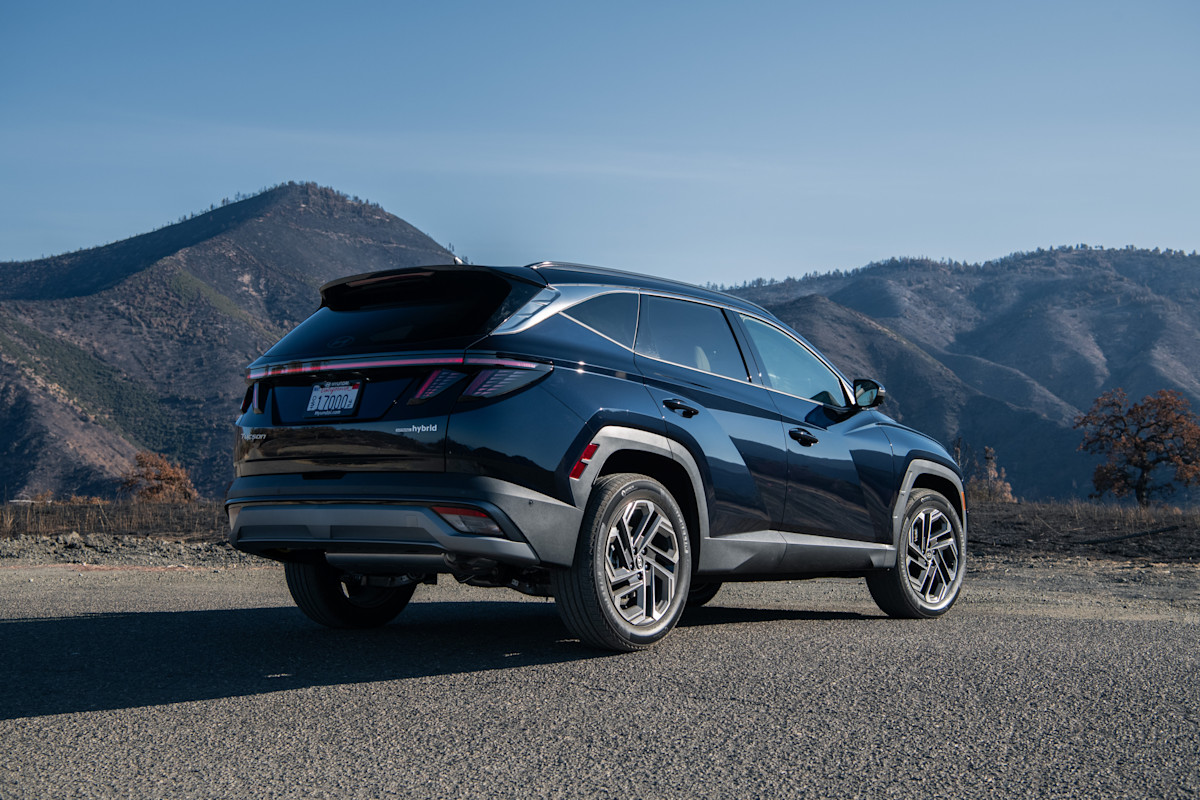
Originally launched with the rest of the fourth-generation Hyundai Tucson for the 2022 model year, the Hyundai Tucson Plug-in has endured as the only PHEV in the brand’s current line-up.
Under the hood, a 1.6-litre four-cylinder engine combines with a 72-kW electric motor for a total system output of 268 hp and 271 lb-ft of torque. With the 13.8-kWh lithium-ion battery, the Tucson Plug-in has 51 kilometres of all-electric range. Unlike some mainstream hybrid and plug-in hybrid vehicles, the Tucson Plug-in comes with a six-speed automatic transmission instead of a continuously variable transmission (CVT) plus mechanical all-wheel drive (AWD). Despite these less efficient elements, it still manages to average 6.7 L/100 km combined when operating without a charge.
The Tucson’s plug-in hybrid powertrain is available only with the top Ultimate trim, giving the 2026 Hyundai Tucson Plug-in Hybrid a Canadian starting price of $58,651. This is too expensive to qualify for EVAP rebates, which are capped at $50,000 when the vehicle is not assembled in Canada.
A new generation of Hyundai Tucson is expected for the 2027 model year. Whether a PHEV is part of the plan, and for North America in particular, has not yet been revealed.
Kia Sorento PHEV
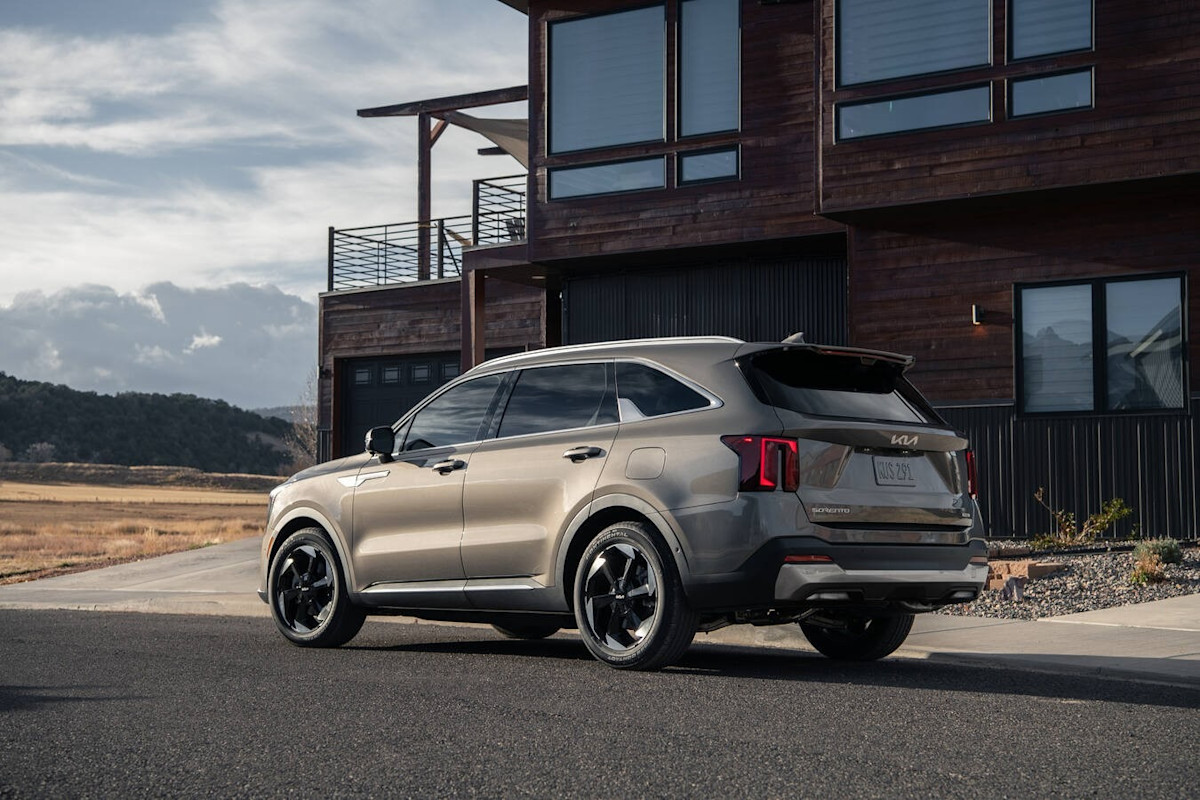
The Kia Sorento PHEV is a good choice for those who want a vehicle capable of electric-only commuting and a third row only for occasional use.
Like other Hyundai and Kia plug-in hybrids, the Sorento uses a 1.6-litre four-cylinder engine combined with a 72-kW electric motor, along with a six-speed automatic transmission and mechanical AWD. Here, this powertrain produces 268 hp and 270 lb-ft of torque. From the 13.8-kWh battery, the Sorento PHEV delivers 55 km of electric-only driving range. Once the battery is empty, it achieves 6.9 L/100 km combined in hybrid mode.
Kia offers the Sorento PHEV in three different trims, all of which include Apple CarPlay and Android Auto, a six-speaker audio system, and driver-assistance features such as adaptive cruise control, blind spot monitors, lane-keep assist, forward-collision avoidance assist, parking sensors, and a rear-occupant alert.
In Canada, the 2026 Kia Sorento PHEV starts at $50,830 including the destination charge. This allows the base LX trim to qualify for the EVAP rebate, which deducted up to $2,500 more off the purchase price at the time of writing.
If you’d prefer a smaller vehicle, the Kia Sportage PHEV is a compact SUV that uses the same powertrain as the Sorento. It has a total power output of 268 hp and 271 lb-ft of torque, an all-electric range of 53 km, and a hybrid mode fuel consumption rate of 6.6 L/100 km combined. Offered in three grades, the 2027 Kia Sportage PHEV starts in Canada at $48,830. Both the EX and EX Premium trims qualify for the EVAP rebate.

Lexus RX 450h+
While the Lexus RX premium midsize SUV has been a feature on Canadian roads for decades, its plug-in hybrid variant is a relatively new addition. Launched as the Lexus RX 450h+ for the 2024 model year, it features a 2.5-litre four-cylinder engine, an electronically controlled CVT, and an electric motor mounted on the rear axle for electronically controlled AWD.
Total system output for the RX 450h+ is 304 hp, giving this five-seat crossover a 0–100 km/h time of 6.5 seconds. Rated by Natural Resources Canada (NRCan) for an all-electric range of 61 kilometres, the RX 450h+ uses 6.7 L/100 km combined after the battery is depleted. If you install a Level 2 charging station at home, it can be fully charged in two and a half hours.
Notable standard features include adaptive high-beam assist, a 14-inch touchscreen infotainment system with wireless Apple CarPlay and Android Auto, three-zone climate control, heated and ventilated front seats, a heated steering wheel, a radiant front-row knee heater, and the Lexus Safety System+ 3.0 suite of driver assistance features.
The 2026 Lexus RX 450h+ is available in two configurations, Ultra Premium and Executive, with a starting price of $80,700.
A compact plug-in hybrid SUV is also available from Toyota’s luxury brand in the form of the Lexus NX 450h+. Like the RX 450h+, its 2.5-litre four-cylinder engine and hybrid drive system produce a total of 304 hp. It’s rated for 60 km of electric range and burns 6.9 L/100 km combined in hybrid mode. The 2026 Lexus NX 450h+ is available in five configurations in Canada and has a starting price of $62,195.
Note that although the Lexus RX and Lexus NX are assembled in Canada in both gas-only and hybrid formats, the RX 450h+ and NX 450h+ plug-in hybrids are imported from Japan. These vehicles therefore don’t qualify for the EVAP rebate as they are priced above $50,000 and are not built in Canada.
Mazda CX-90 Plug-in Hybrid
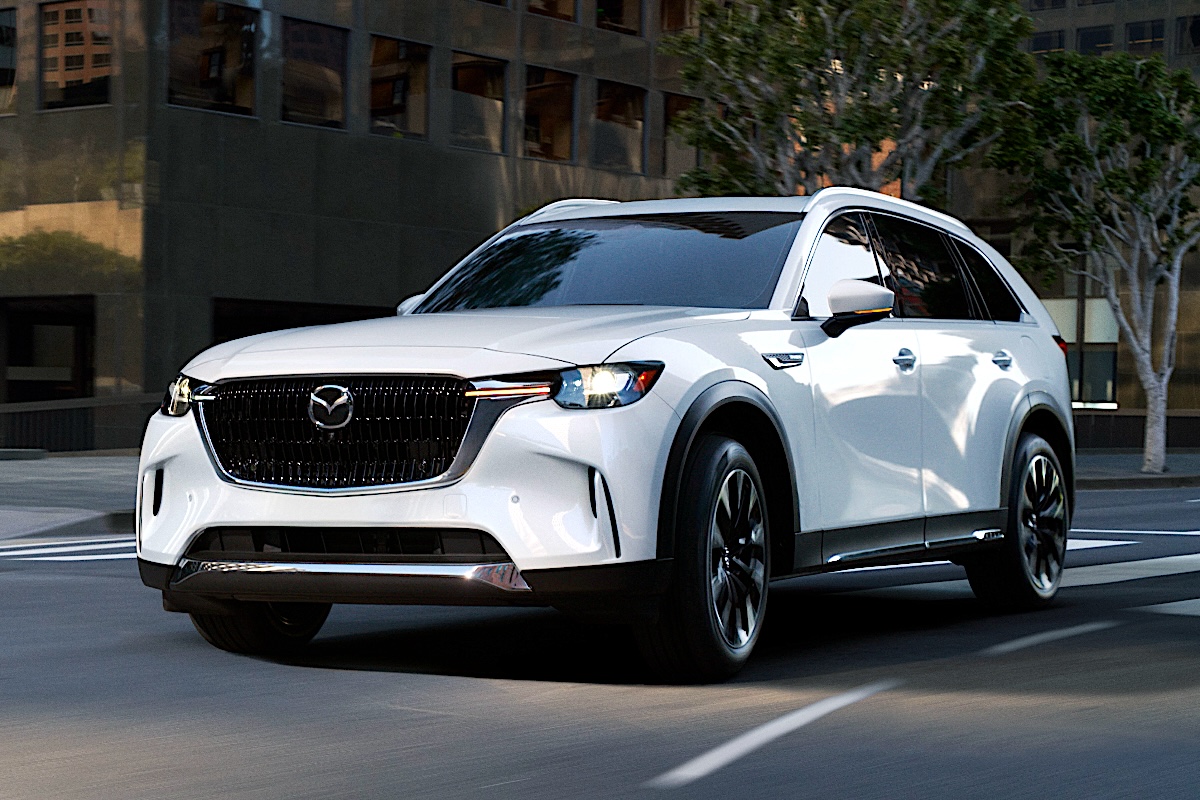
Mazda got into the family-sized three-row SUV game when it launched the Mazda CX-90 in 2024, which immediately became the biggest SUV the automaker has ever made. While the gas-powered version comes with two six-cylinder engine options, the plug-in hybrid version has a 2.5-litre four-cylinder matched with an eight-speed automatic transmission and standard AWD. It combined with an electric motor to produce up to 323 hp and 369 lb-ft of torque combined with 93-octane fuel (or 319 hp and 369 lb-ft with 87-octane fuel).
The CX-90 PHEV is rated for 43 km of range with a full battery and averages 9.2 L/100 km combined once the battery is drained. Reviewers have noted the engine’s 189/185 hp and 192/184 lb-ft feels and sounds underpowered when operating on its own. Cargo volume is 423 litres behind the third-row seats, 1,113 litres behind the second-row seats, and 2,101 litres behind the front-row seats.
In Canada, the 2026 Mazda CX-90 is available in four trims, including a Signature grade that’s new for 2026. Pricing starts at $52,194 for the base GS trim which, with an MSRP below $50,000, qualifies for the federal EVAP rebate.
If you like the look of the Mazda CX-90 but don’t need a third row, the 2026 Mazda CX-70 is essentially the same vehicle in two-row configuration. It’s more efficient at 51 kilometres of electric range and a hybrid mode combined fuel consumption of 9.0 L/100 km. Pricing starts in Canada at $51,194, and like its larger sibling, the base CX-70 GS-SC qualifies for the EVAP rebate.
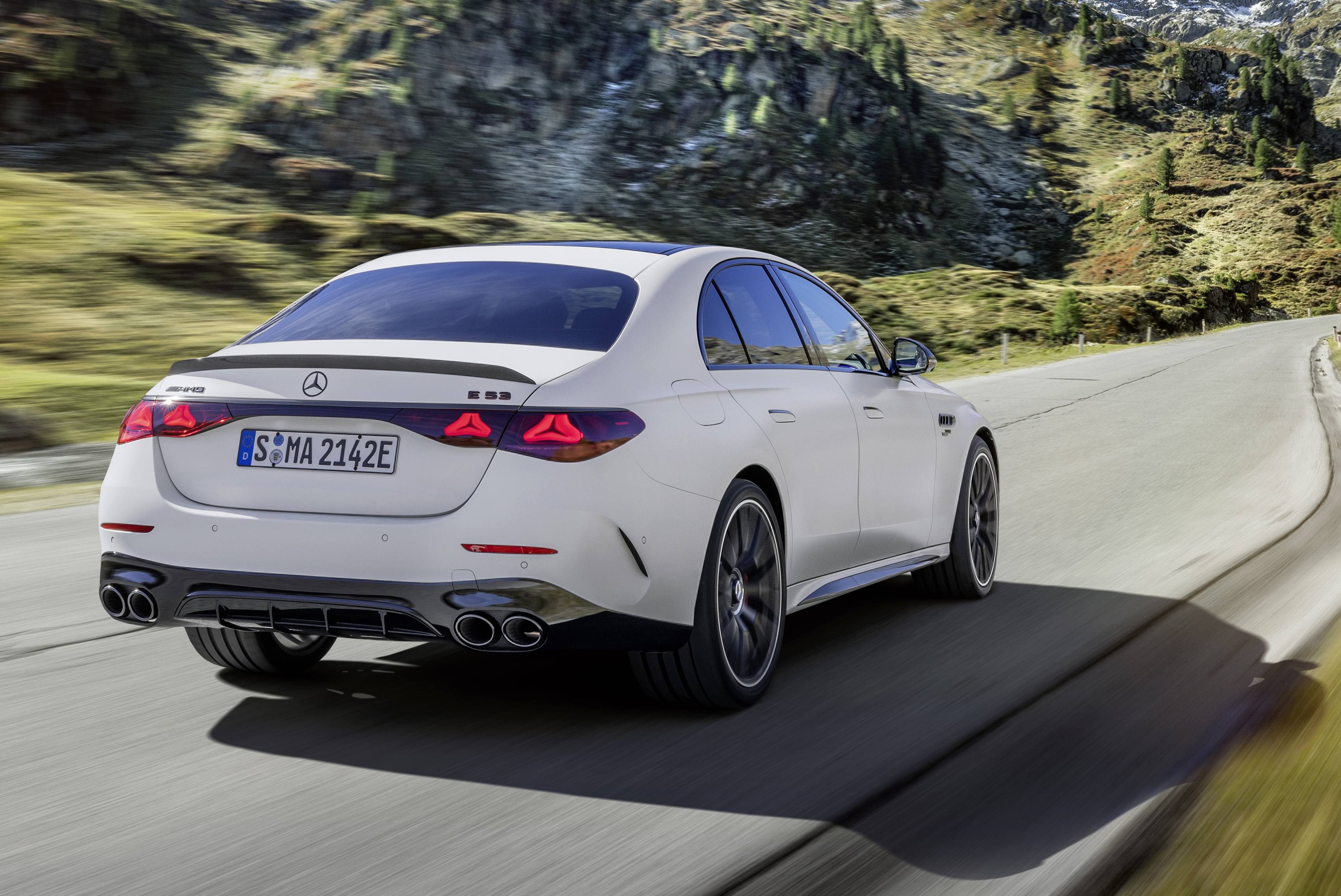
Mercedes-AMG E 53 Hybrid
While the Mercedes-AMG E 53 Hybrid isn’t quite as high-powered as the BMW M5, it’s a compelling offering that also comes in both sedan and wagon formats. Both versions employ a 3.0-litre turbo inline-six-cylinder engine and a 120-kW electric motor to generate 577 hp and 553 lb-ft of torque. This produces 0–100 km/h times of 4.0 seconds for the sedan and 3.9 seconds for the wagon along with fuel efficiency figures of 10.0 and 10.5 L/100 km combined respectively in hybrid mode.
Where the Mercedes-Benz offerings stand out is in their range. With a charged battery, the AMG E 53 Hybrid sedan delivers 71 kilometres of all-electric range from its 28.6 kWh battery, while the wagon provides 66 kilometres of range. These figures give the E 53 Hybrid a balance between plenty of power and higher than average electric driving capability.
Pricing starts in Canada at $110,695 for the 2026 Mercedes-Benz AMG E 53 Hybrid sedan and $113,895 for the 2026 Mercedes-Benz AMG E 53 Hybrid wagon. Both prices include destination charges but not fees or the estimated federal luxury tax, which applies to the portion of the purchase price above $100,000.
The Mercedes-Benz AMG S 63 E Performance that debuted last year is no longer available as of 2026, but you can still buy the even more powerful Mercedes-AMG GT 63 S E Performance. This four-door coupe comes with the brand’s classic, hand-built AMG 4.0-litre V8 biturbo engine, matched with a 150-kW electric motor at the rear axle for a massive combined power output of 831 hp and 1,084 lb-ft of torque. But at 16 km of range and 13.3 L/100 km combined in hybrid mode, it’s not quite as useful as far as fuel efficiency is concerned. Pricing starts at $226,445, including delivery but before fees and the federal luxury tax.
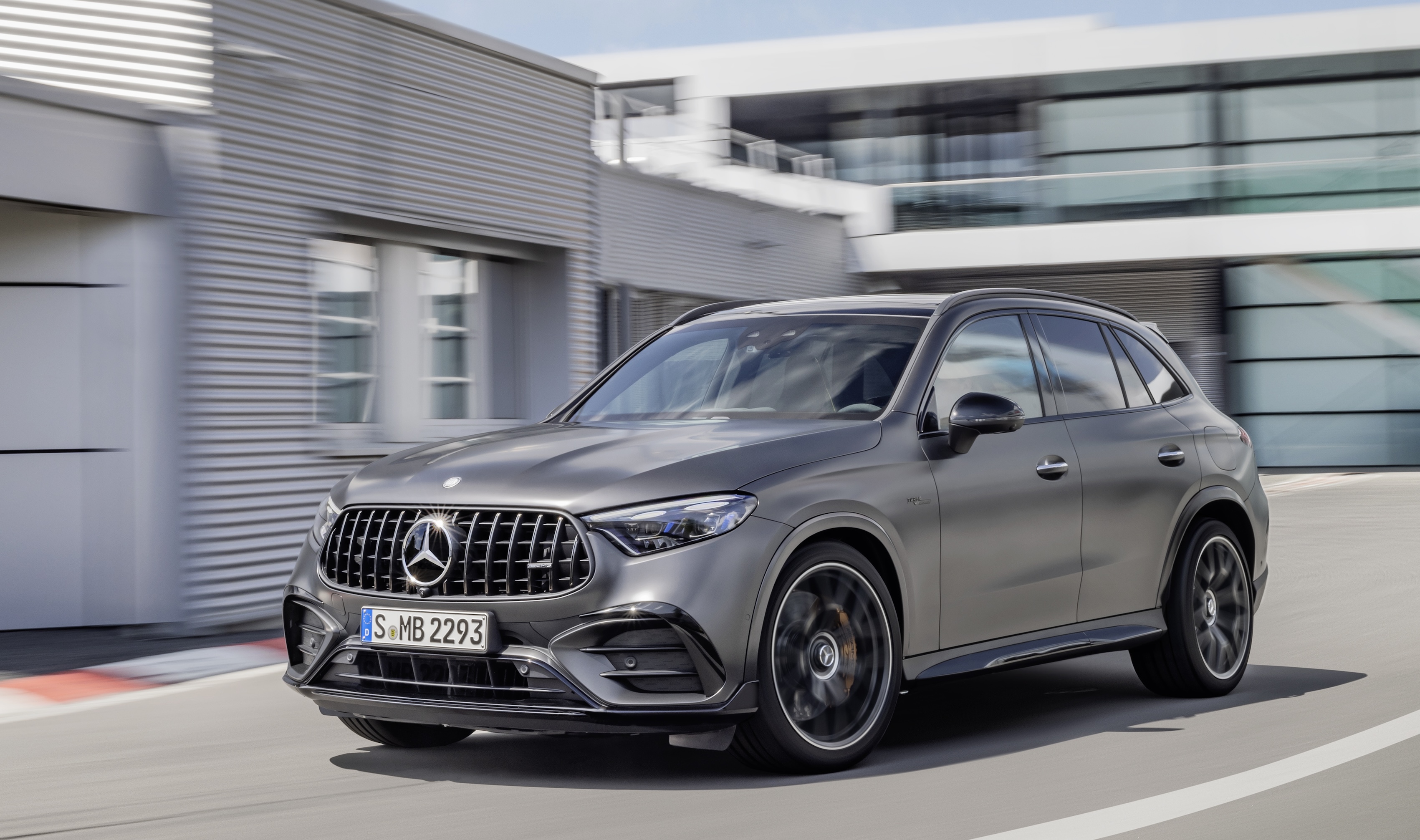
Mercedes-AMG GLC 63 S E Performance
Per capita, Canada is one of the top markets for the Mercedes-Benz AMG sub-brand in the world. Given our preference for compact SUVs, it’s therefore no surprise that the most powerful version of the Mercedes-Benz entry into this segment, the Mercedes-AMG GLC 63 S E Performance, is sold here in both standard and coupe formats.
Both versions come with a handcrafted 2.0-litre turbocharged four-cylinder engine paired with a 150-kW electric motor at the rear axle. Together, these produce 671 hp and 752 lb-ft of torque, which deliver a 0 to 100 km/h time of 3.5 seconds. The emphasis is very much on performance here, as the 4.9-kWh battery provides just 14 km of electric autonomy. Once that’s drained, both versions of the GLC 63 PHEV average 11.9 L/100 km combined.
The main differences between the GLC SUV and the GLC Coupe are the roof line, which is more sloped in the latter and therefore reduces cargo space and rear headroom. In the GLC Coupe, these figures are 390 litres behind the rear seats and 972 mm in the second row respectively, while the GLC SUV provides 470 litres and 1,077 mm.
Pricing in Canada for the 2026 Mercedes-AMG GLC 63 S E Performance starts at $116,550 for the SUV and $122,300 for the coupe, not including the federal luxury tax.
Mercedes offers two more SUVs for drivers seeking efficiency over speed. The 2026 Mercedes-Benz GLC 350e also comes with a 2.0-litre four-cylinder and hybrid drive, which in this case produces 313 hp and 406 lb-ft of torque. It delivers 87 km of electric range and averages 9.5 L/100 km once the battery is depleted. Pricing starts in Canada at $71,950. If you’d prefer your three-starred plug-in hybrid as a midsize SUV, the 2026 Mercedes-Benz GLE 450e also uses a 2.0-litre turbo four to deliver 381 hp and 479 lb-ft, with a 79-km range and 10.6 L/100 km combined in hybrid mode. The GLE 450e starts at $97,450 in Canada.

Mitsubishi Outlander PHEV
Since the Mitsubishi Outlander PHEV hit the Canadian market, it’s been both a top seller for the brand and a consistent best-seller among plug-in hybrids. For 2026, the plug-in hybrid received the same refresh that was applied to the gas version in 2025, which includes improved suspension, updated styling, better sound deadening, and revised technology including a newly standard 12.3-inch infotainment system.
As part of its 2026 refresh, the Outlander PHEV also receives a larger battery pack that increases its range to 72 km—an 18% improvement over the previous version. In hybrid mode, the Outlander PHEV averages 8.6 L/100 km combined. Unlike most plug-in hybrids, the Outlander PHEV comes with a Level 3 charging port for use at fast public charging stations. A 2.4-litre four-cylinder engine and two electric motors combined to generate 248 horsepower, which is sent through a CVT to Mitsubishi’s Super All-Wheel Control (S-AWC) AWD with torque vectoring as standard.
The Mitsubishi Outlander is the only compact SUV in North America that still comes with a third row. As such, this space is very tight, and most owners will prefer to think of it as a two-row SUV with a third row in reserve for emergencies. Cargo space is acceptable, though, with 362 litres behind the third row, 872 litres behind the second row, and up to 1,832 litres behind the front seatbacks.
Pricing for the 2026 Mitsubishi Outlander PHEV in Canada starts at $52,123. While seven trims are available, only the base ES trim is priced to qualify for the federal EVAP rebate. Mitsubishi Motors Canada offers a 10-year/160,000-kilometre powertrain warranty, the longest available in our market.
The 2026 Nissan Rogue PHEV is essentially the same vehicle but rebadged thanks to the Renault-Nissan-Mitsubishi Alliance. If you prefer the styling of the Nissan or can’t find an Outlander PHEV near you, you’ll find the Rogue PHEV available exclusively in Platinum trim starting at $60,793 (a $10,000 cashback incentive was available at the time of writing, which brought the price to within the threshold for the EVAP rebate). Nissan Canada offers a five-year/100,000-kilometre powertrain warranty.
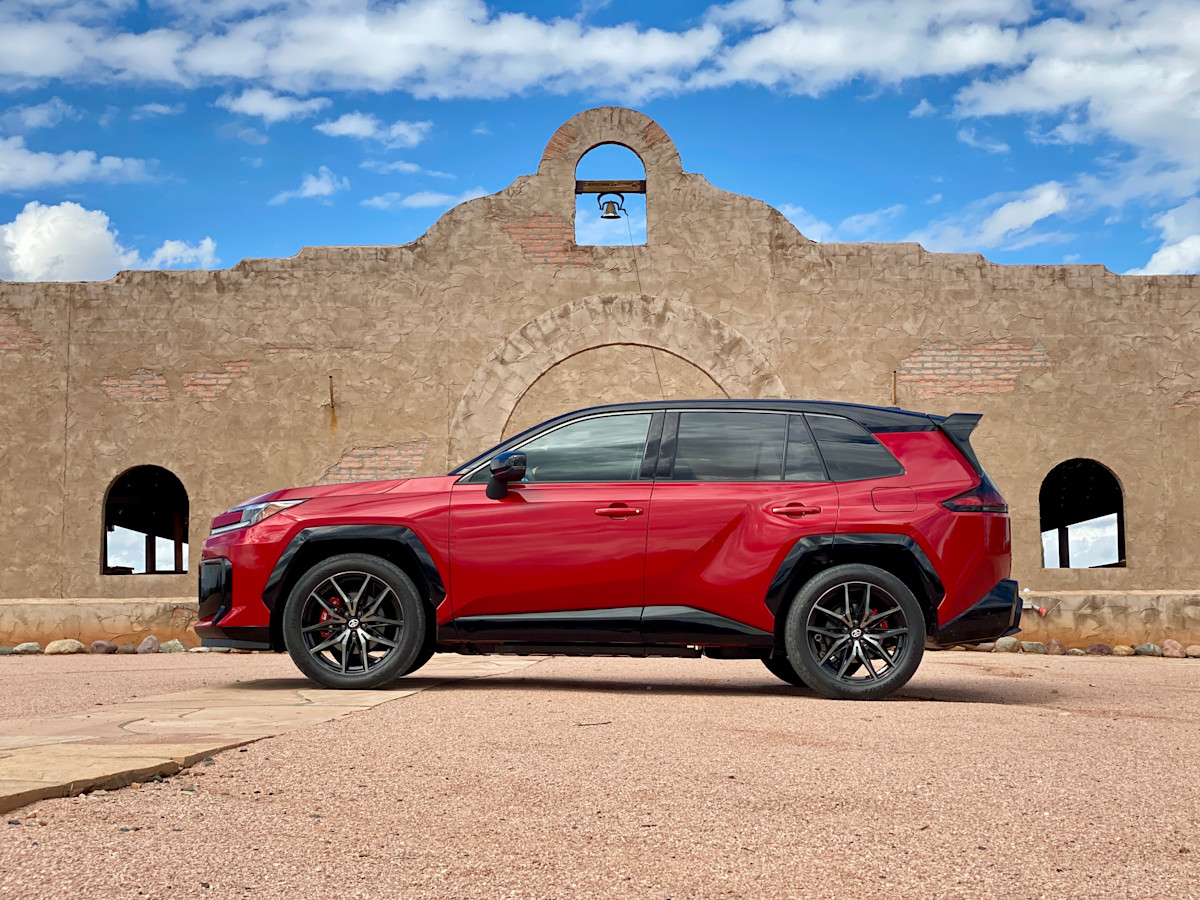
Toyota RAV4 Plug-in Hybrid
With the launch of the sixth-generation Toyota RAV4 for the 2026 model year, the brand also introduced an improved Toyota RAV4 Plug-in Hybrid—formerly badged Toyota RAV4 Prime—as the sportier option with more power and range. This position is bolstered by the new GR Sport trim, a first for Toyota’s compact SUV.
The 2026 RAV4 Plug-in Hybrid adopts the standard RAV4’s 2.5-litre inline four-cylinder engine and adds a 22.7-kwh battery pack for an estimated range of 79 km in the GR Sport trim, 85 km in the XSE, and 89 km in the SE. These are the longest ranges among PHEVs from mainstream brands, and only the Mercedes-Benz GLC 350e and GLE 450e compete on the premium side. In hybrid mode, the RAV4 Plug-in averages between 5.7 and 6.4 L/100 km depending on trim.
Its combined power output of 324 hp makes the PHEV version the most powerful RAV4 ever made. An electronically controlled CVT and eAWD are standard. All three grades have a standard 12.3-inch digital instrument cluster and 10.5-inch touchscreen, while a larger 12.9-inch infotainment screen is available.
In Canada, the 2026 Toyota RAV4 Plug-in Hybrid starts at $50,680 and the base SE trim is priced to qualify for the EVAP rebate for PHEVs. However, like the Lexus RX and NX PHEVs, the RAV4 Plug-in Hybrid is subject to the EVAP’s $50,000 price cap because, unlike other RAV4s, the PHEV is not assembled in Canada and is instead imported from Japan.

Toyota Prius Plug-in Hybrid
To this day, the fifth-generation Toyota Prius continues to stand out as a vivid departure from all versions that came before it. It’s small, sleek, and sporty—essentially the opposite of the stereotypical econoboxes that came before it.
In PHEV form, the 13.6-kilowatt-hour battery pack in the Toyota Prius Plug-In Hybrid (formerly called the Toyota Prius Prime) provides 72 km of all-electric driving range in SE trim and 64 km in XSE. When the battery is drained, these versions respectively average 4.7 and 5.0 L/100 km combined. A 2.0-litre four-cylinder engine and a pair of electric motors deliver 220 hp, sent through an electronically controlled CVT to front-wheel drive (FWD), as opposed to the AWD offered in the standard Prius hybrid.
The standard Toyota Safety Sense 3.0 suite of driver-assistance features includes forward collision warning with pedestrian and cyclist detection, automatic emergency braking, lane-departure warning with steering assist, adaptive cruise control, and high-beam assist. Blind spot monitors, rear cross-traffic alert, and traffic-sign recognition are also standard.
Pricing for the 2027 Toyota Prius Plug-in Hybrid starts in Canada at $42,940. All trims are priced to be eligible for the federal EVAP rebate.

Volvo XC90 T8
The second-generation Volvo XC90 may not look 10 years old, but it did indeed make its debut for the 2016 model year. The brand originally made plans to shelve it when the all-electric EX90 launched, but shifting consumer demands caused a reversal of that decision. As a result, the XC90 was refreshed for the 2025 model year and looks as timeless as ever.
A 2.0-litre four-cylinder, both turbocharged and supercharged, is matched with a 107-kW electric motor mounted at the rear axle for standard electric all-wheel drive (AWD). Together, their combined power output equals 455 horsepower and 523 pound-feet of torque. An eight-speed automatic transmission rounds out the powertrain.
With an 18.8-kWh battery, the Volvo XC90 T8 has an electric driving range of 53 kilometres. Once this is depleted, it averages 8.9 L/100 km combined. The XC90’s available real wood interior finishes, crystal shifter, and minimalist interior and exterior design have helped it to age very gracefully. There are some subtle signs of its age, though, such as the portrait-oriented touchscreen infotainment system and wired Apple CarPlay and Android Auto. Cargo space leaves some to be desired at maximums of 298 litres behind the third row, 976 litres behind the second row, and 1,976 litres behind the first row.
In Canada, the 2027 Volvo XC90 T8 is offered in Ultra and Ultra Black Edition formats with pricing starting at $99,600.
Volvo also offers a compact plug-in hybrid SUV in the 2027 Volvo XC60 T8. It uses the same powertrain configuration and has 401 hp and 494 lb-ft of torque, a 56-km range, and a hybrid mode fuel consumption average of 5.6 L/100 km. Pricing in Canada starts at $87,100.