Those who buy a new battery electric vehicle (BEV) or plug-in hybrid electric vehicle (PHEV) in Canada can access EV rebates and pay a lower price. The federal government offers rebates of up to $5,000 on certain EVs and PHEVs. At the time of writing, two of Canada’s 13 provinces and territories offered additional incentives that could be stacked with the federal rebates for additional savings.
We explain how the federal and provincial/territorial EV rebates work, which vehicles qualify for EV rebates in Canada, and how to access them.
EV Rebates in Canada in 2026
- How Does the Federal Government’s Electric Vehicle Affordability Program (EVAP) Work?
- Accessing Provincial and Territorial EV Rebates
- How to Access EV Rebates When Buying a New EV in Canada
- Frequently Asked Questions (FAQs):
How Does the Federal Government’s Electric Vehicle Affordability Program (EVAP) Work?
Canada’s Electric Vehicle Affordability Program (EVAP) came into effect in February 2026. It replaces the federal government’s iZEV (Incentive for Zero-Emission Vehicles) rebate program, which launched in May 2019 and was paused in March 2025.
The EVAP rebate system is more restrictive than the iZEV program. To qualify, a vehicle must be:
-
a battery electric vehicle (BEV) or hydrogen fuel cell electric vehicle (FCEV) with no gas engine, or a plug-in hybrid vehicle (PHEV) with both an engine and a long-range battery
-
a new vehicle that has never been registered and is being purchased from the automaker or an authorized dealership
-
sold at a final transaction price of $50,000 or less, including options or packages but not including destination charges or dealership fees (except for Canadian-built EVs, which have no transaction limit under EVAP)
-
assembled in Canada or in a country that has a free trade agreement with Canada
China does not have a free trade agreement with Canada, which means Chinese EVs will not qualify for federal EV rebates.
Qualifying BEVs and FCEVs can receive rebates of up to $5,000 off the after-tax purchase price, while PHEVs are eligible for rebates of up to $2,500.
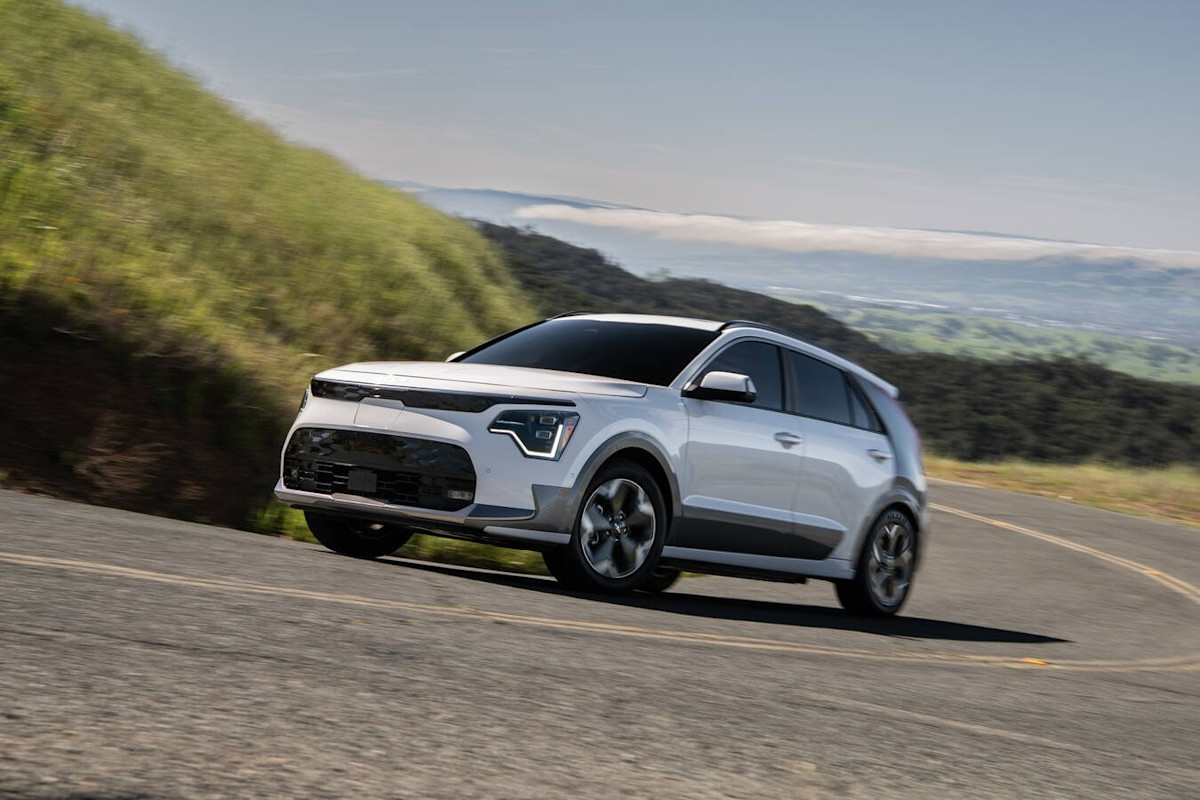
Transport Canada publishes a list of the vehicles that qualify for EVAP EV rebates. Affordable EVs such as the Fiat 500e, the Chevrolet Bolt, the Chevrolet Equinox EV, the Ford Mustang Mach-E, the Hyundai Kona EV, the Kia EV4 and EV5, the Kia Niro EV and Niro PHEV, the Nissan Leaf, and the Toyota RAV4 Plug-in can receive the latest federal EV rebates in Canada, among others. The Dodge Charger EV and the Chrysler Pacifica PHEV also qualify for EVAP rebates—and because they’re built in Canada, they qualify for the discount regardless of their final transaction value.
Unless it is assembled in Canada, a vehicle will not qualify for the rebate if the final transaction price is more than $50,000 before fees, even if it appears on this list. Also, you may be able to access EVAP rebates even if the car you want is not on this list. If you can negotiate a before-fees sale price of less than $50,000 for an EV that meets all the eligibility criteria, you can receive the federal EV rebate even if the car is not listed.
The EVAP EV rebate program has received $2.275 billion in funding from the federal government that will be available for five years. The program will wind down either on February 16, 2031, or when its funding is depleted, whichever comes first.

Accessing Provincial and Territorial EV Rebates
At the time of writing, provincial incentives for EVs were available in Quebec and Manitoba. There are no longer additional rebates available in British Columbia, Alberta, Saskatchewan, Ontario, New Brunswick, Nova Scotia, Prince Edward Island, Newfoundland and Labrador, the Yukon, Northwest Territories, or Nunavut. However, residents of these jurisdictions can still access the federal EVAP rebates. Some provinces and territories also continue to offer EV charger rebates for homes and businesses as well as fleet electrification incentives.
EV Rebates in Quebec
After its original provincial EV incentive program ran out of funding, Quebec reopened its rebate program in April 2025 for both new and used EVs. This new structure decreases the incentive amount each year.
As of 2026, buyers of new BEVs and FCEVs now receive rebates of up to $2,000, while plug-in hybrid buyers are eligible for up to $1,000 and electric motorcycles can claim $500. Used BEVs also qualify for a $1,000 rebate. However, these rebates are stackable, which means if you purchase a vehicle that also qualifies for the federal EVAP rebate, you can receive up to $7,000 off the vehicle’s advertised price.
Vehicles must have a manufacturer’s suggested retail price (MSRP) of $65,000 or less to qualify. Quebec offers rebates on a broader selection of vehicles than the federal EVAP system. The Quebec provincial EV rebate will be phased out as of January 1, 2027.
EV Rebates in Manitoba
Manitoba’s EV rebate structure is the most generous provincial program left in Canada. Buyers can claim a $4,000 rebate on a new BEV or PHEV or $2,500 on a used EV of either type that’s four years old or less. Leased vehicles also qualify for up to $4,000 in incentives. Tesla vehicles and EVs assembled in China do not qualify for Manitoba’s provincial EV rebates.
Any qualifying EV with an MSRP of $70,000 or less can be claimed regardless of whether the car is new or used. The car must remain registered in Manitoba for at least 12 consecutive months. Unlike other rebates administered at the dealership level, Manitoba’s EV rebates are distributed by mailed cheque within 60 days of submitting the application. The rebate can only be claimed once per person or per organization for the duration of the program.
Manitoba’s provincial EV rebate program was originally scheduled to end on March 31, 2026. It has since been extended, but details of timings were not available at the time of writing.
Manitoba includes more vehicles in its provincial EV rebate program than the federal EVAP system. However, these rebates are stackable, meaning if you purchase a vehicle that also qualifies for EVAP, you can receive up to $9,000 off the vehicle’s advertised price.

How to Access EV Rebates When Buying a New EV in Canada
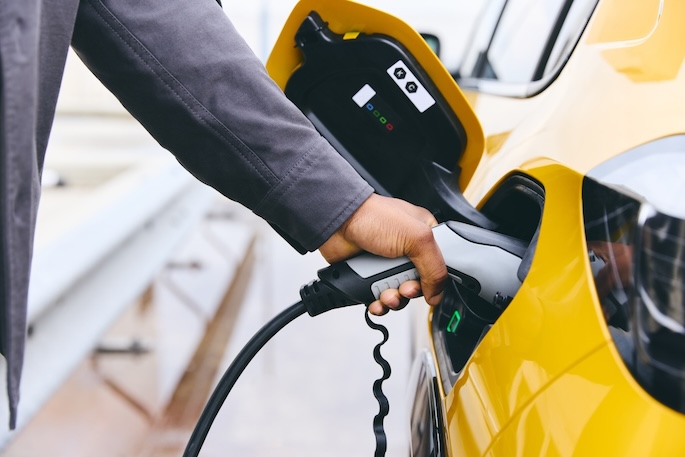
It’s easy to receive the federal EVAP rebate in Canada. When you purchase a new vehicle from an authorized dealer, the salesperson takes care of the paperwork for you and applies the EV rebate to the after-tax purchase price on the spot. This means you’ll see the discount right away, and you can apply it to any financing or qualified lease you’ve arranged for the vehicle.

Frequently Asked Questions (FAQs)
Does Canada have an EV rebate?
Yes, Canada has a program at the federal level that provides EV rebates called the Electric Vehicle Affordability Program (EVAP). Manitoba and Quebec also offer EV rebates that can be stacked on top of the federal rebate.
What is the EV tax credit for Canada?
Canada does not offer tax credits for individuals who purchase EVs. Instead, rebates are offered that reduce the price of an EV or PHEV at the time of purchase.
Is Ontario getting an EV rebate?
There are no indications that the Ontario government plans to reinstate its provincial EV rebate program. However, as with all Canadians, Ontario residents qualify for the federal EVAP incentives of up to $5,000.
How long will EV rebates last in Canada?
The federal government’s EVAP rebate system is scheduled to end on February 16, 2031, or whenever the program’s funding runs out, whichever is sooner.
Who can apply for the EV rebate?
All Canadians qualify for federal incentives for electric vehicles as long as the purchase meets the program’s qualification requirements. Residents of Quebec and Manitoba also qualify to apply for the provincial rebates in those provinces.