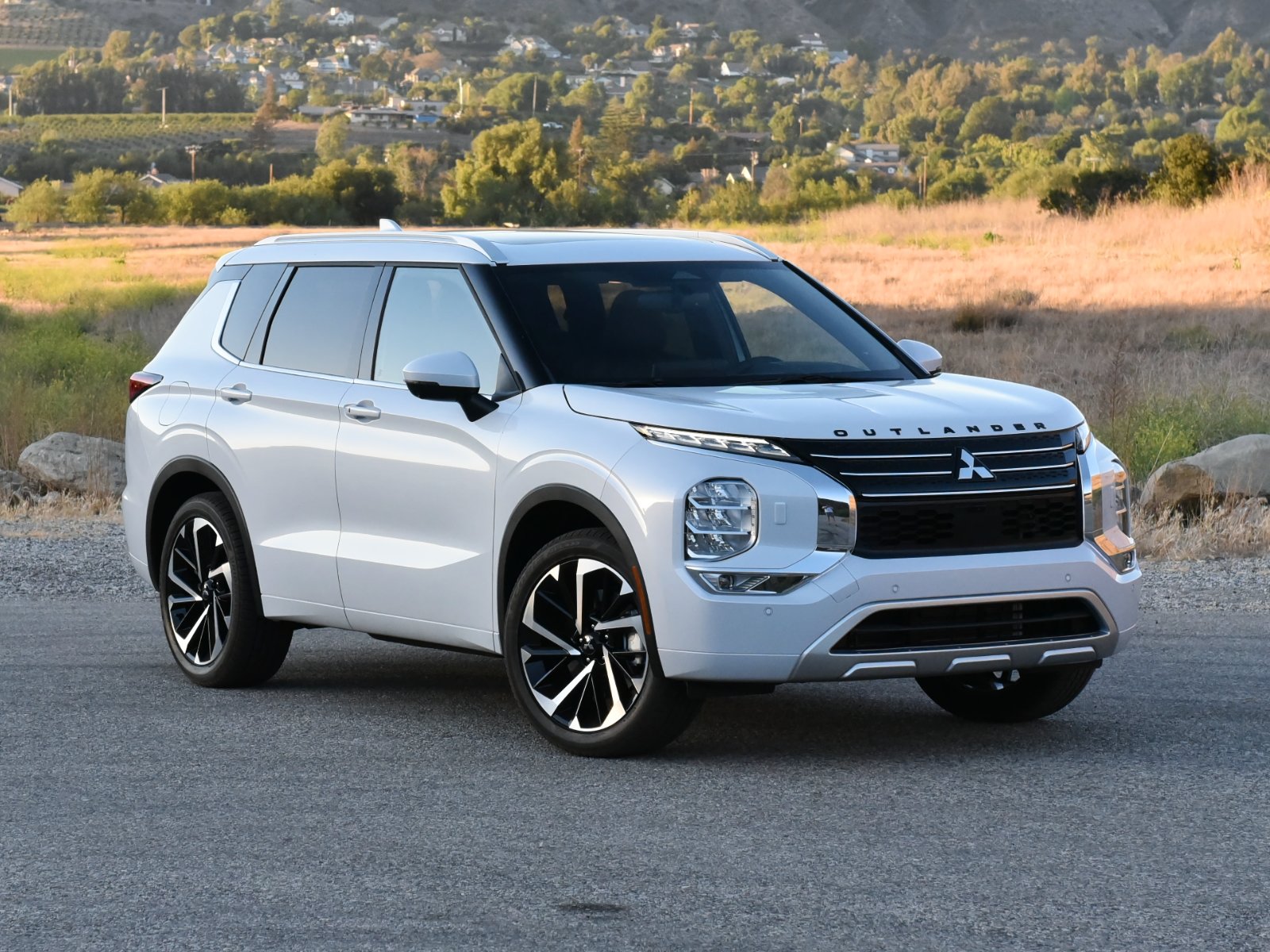
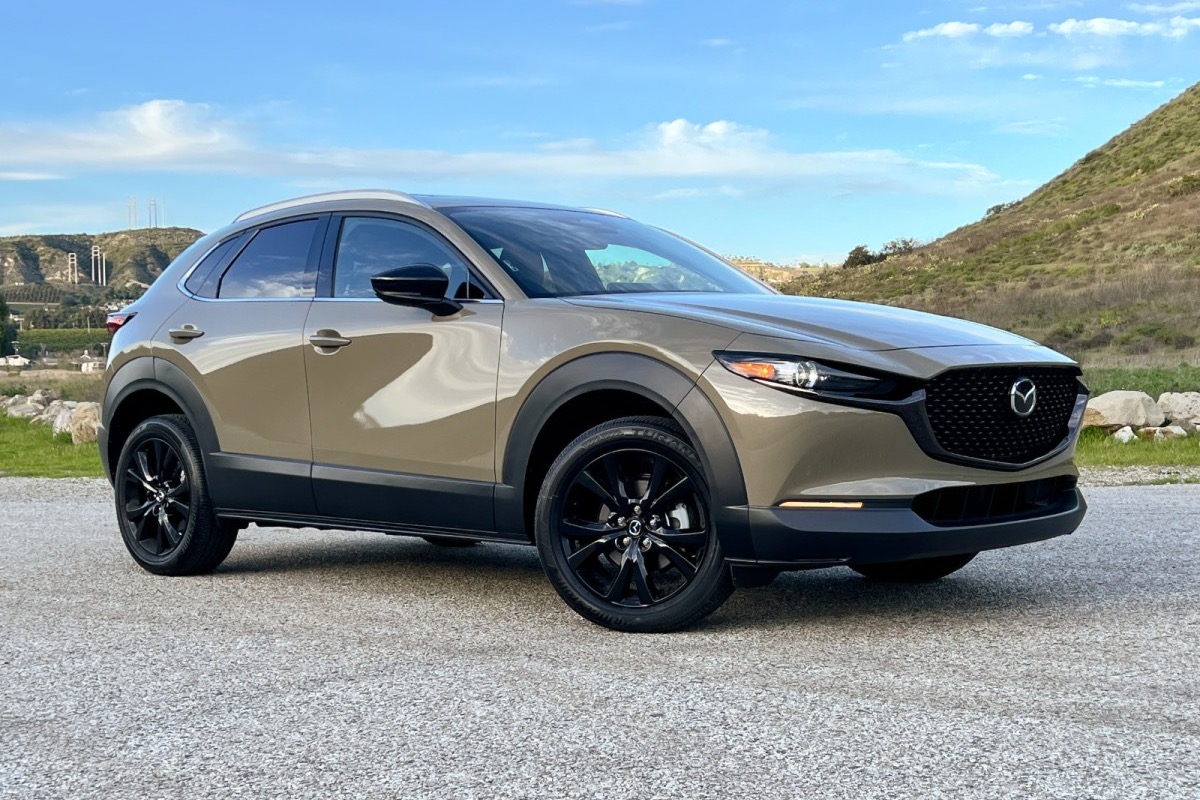
The Mitsubishi RVR is one of the longest-running models in the subcompact crossover class, having been introduced for the 2011 model year. It hasn’t changed much in that time and remains one of the most affordable options in the sector, undercutting rivals such as the Kia Seltos, Hyundai Kona, Subaru Crosstrek, and Toyota Corolla Cross. It’s never been especially cutting-edge, and the RVR’s lackluster power output and plasticky interior let it down, but later examples benefit from the industry’s longest powertrain warranty and good reliability.
While some sources say there are two generations of the RVR, Mitsubishi itself states that there is just one continuous generation with two major facelifts. The platform and mechanicals are essentially the same as when the vehicle was introduced in 2011. While this is an unusually long lifecycle, the benefit is that most of the bugs have been worked out.
Buyers who want Apple CarPlay and Android Auto should check the details. Support for these useful features started to appear in 2018.
For those in the market for an AWD subcompact SUV and who want a good deal, the Mitsubishi RVR with its solid post-2020 reliability record is a decent place to start. Our buying guide looks at how the model has evolved over time, the best and worst versions to buy, and how much shoppers can expect to pay.
Mitsubishi RVR: Cost, Reliability, and the Best Years to Buy
Frequently Asked Questions
Which Mitsubishi RVR years are the best?
The Mitsubishi RVR from the 2017 model year onwards has fewer recalls and consumer complaints than earlier models. While the RVR now feels dated due to its unusually long production run, the benefit is that most reliability issues have been sorted out. We recommend looking at post-2018 models because they have next to no recalls and include modern tech such as Apple CarPlay and Android Auto. These cars will also be covered by Mitsubishi Motors Canada’s transferable 10-year/160,000-kilometre powertrain warranty.
What are the worst RVR years?
The 2015 Mitsubishi RVR has the most consumer complaints of any model year by far, though 2016 is a close second. CarComplaints.com calls 2013 the worst year due to electrical problems. Anything before 2017 is generally best avoided.
Is a used Mitsubishi RVR a good deal?
The Mitsubishi RVR generally has weak resale values, which is good news for those looking for an affordable option but not so good at trade-in time. On balance, we’d consider it a good deal. Some used examples from the 2020 model year are approaching half the price of the original MSRP. Solid deals can still be had for 2023 models, with the average price ringing in at about $20,000 when original prices ranged from $25,000 to $35,600.
Mitsubishi RVR Pros and Cons
Pros:
- Standard all-wheel drive
- Easy to park and drive
- Affordable
Cons:
- Cheap interior materials
- Rough ride
- Weak engine
Mitsubishi RVR Generations
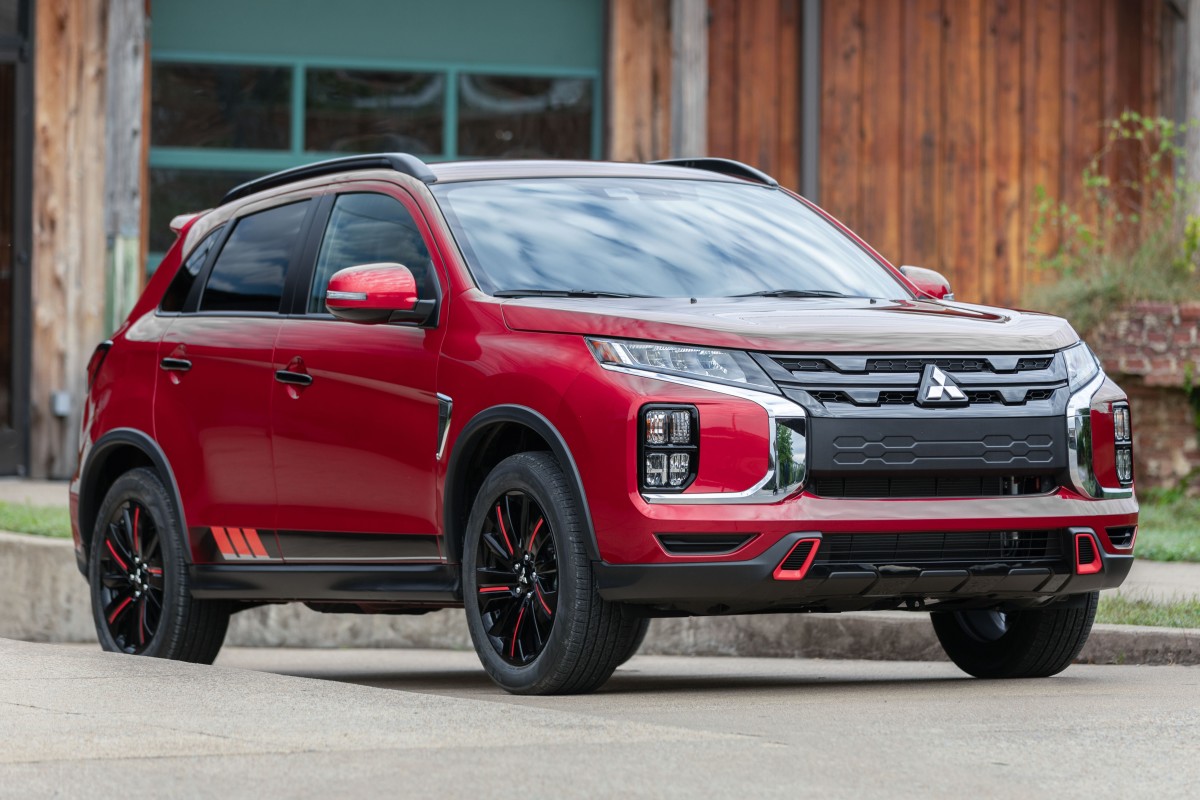
Mitsubishi RVR First Generation (2011–Present)
The Mitsubishi RVR became a part of the emerging subcompact crossover segment when it was introduced in North America for 2011. It provided a sedan-like ride but added utility with hatchback access, a higher ride height, and available all-wheel drive (which Mitsubishi calls All-Wheel Control). The RVR has a shortened version of the platform used in the Outlander and is known as the Outlander Sport in the United States and the ASX in other markets. The focus for this new model was fuel efficiency and affordability.
At launch, it was equipped with a 148-horsepower 2.0-litre four-cylinder engine paired with a standard five-speed manual or an optional continuously variable transmission (CVT), while the CVT was the default with available AWD. There were just two trims: SE and GT.
Standard features on the SE included cloth seats, heated front seats, heated side mirrors, cruise control, a tilt/telescoping steering wheel, fog lights and a four-speaker audio system. Standard features for the GT included rain-sensing wipers, automatic climate control, automatic xenon headlights, a nine-speaker Rockford Fosgate sound system, and a panoramic glass roof.
An optional GT Premium package was added for the GT trim in 2012 that included leather upholstery, a power-adjustable driver’s seat, a lane guidance system, hard drive-based navigation, a rearview camera, and an auto-dimming rearview mirror. The wheel and wheel cover designs and the upholstery were also updated.
The RVR got a minor facelift in 2013 with new front and rear bumpers, a revised rear suspension, a recalibrated CVT, and improved sound insulation. The GT Premium package was eliminated (but returned in 2014), and a new SE trim was added to the middle of the lineup.
For 2016, Mitsubishi introduced a new powertrain to address complaints about the RVR's lack of performance. This new engine was a 168-hp 2.4-litre four-cylinder and was available exclusively with the CVT and AWD. It was equipped on the new SE Limited trim as well as the top-tier GT trim. A more significant facelift took place that added a “Dynamic Shield” front end, which featured a new grille and bumpers and brought the RVR into line with Mitsubishi's larger SUVs. Standard wheel-arch moldings and LED turn signal indicators for the door mirrors gave a more rugged appearance, while the interior benefited from a new steering wheel and revised HVAC controls.
In 2017, a single-year Black Edition trim was added between the SE Limited and GT using the 2.4-litre engine. Apple CarPlay and Android Auto were rolled out in 2018, and the manual transmission was discontinued.
The next major refresh was in 2020 with an entirely new front end featuring a much sharper appearance, while fresh rear bumper and taillight designs brushed up the rear. Trims were revised to ES, SE, SEL, Limited Edition, and GT. Additional standard features included automatic climate control, an 8-inch touchscreen audio display, and LED headlights. Since then, the only changes to the RVR have been minor name and equipment shuffles across trim levels.
Shoppers will find a wide range of prices for a used Mitsubishi RVR because of the length of its production run. In a nationwide search, we saw prices range from $4,000 for a high-kilometre 2011 unit to $35,000 for a like-new 2025 GT.
There are some good deals at less than $10,000 for the 2011 to 2015 model years before the first refresh. Prices are around $11,000 for cars built between 2016 and 2019 before the second refresh, while our sweet spot of between 2020 and 2023 has a range of about $14,000 to $26,000. Buyers should be able to find clean, low-kilometre options at around the $20,000 price point.
Related Topics