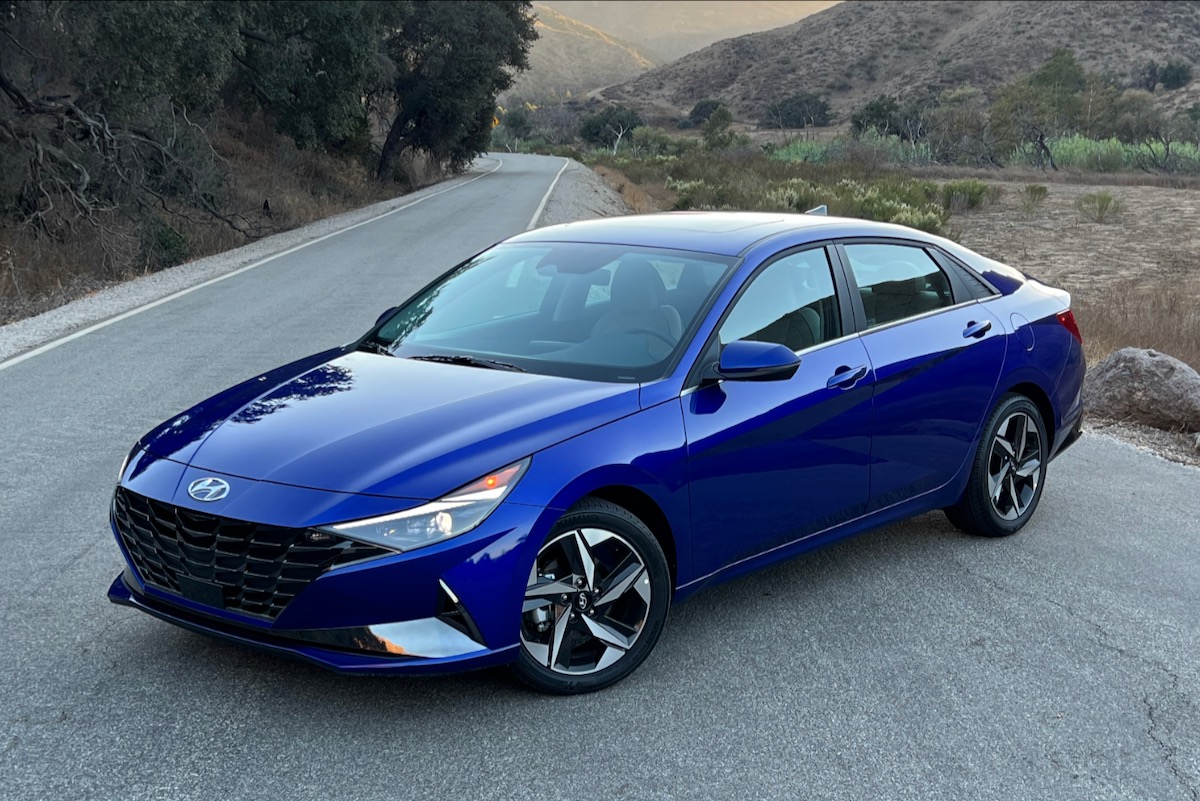
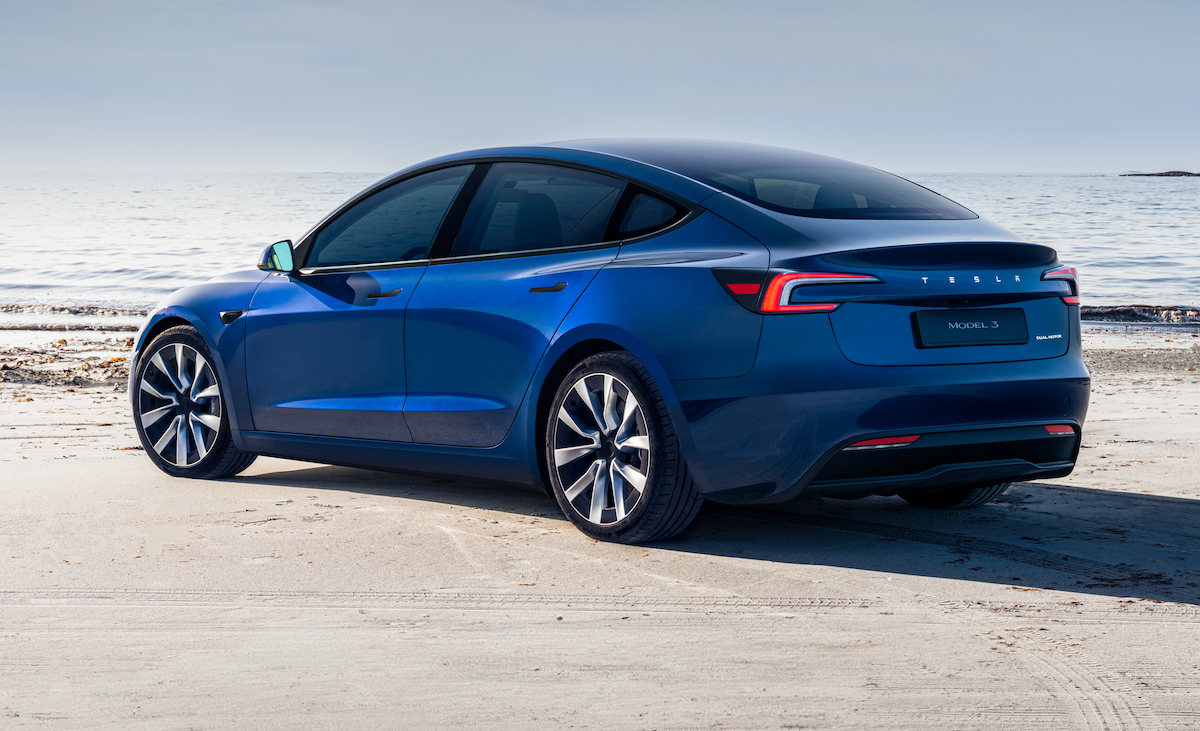
The Hyundai Ioniq 6 is a midsize electric sedan with a quirky fastback design and an interesting mix of mainstream affordability and available premium features. Introduced for the 2023 model year, its direct competitors include the BMW i4, Tesla Model 3, and Polestar 2, as well as the related Hyundai Ioniq 5 and Kia EV6. Because the Ioniq 6 is a sedan, it has a higher rate of depreciation than its crossover counterparts, which can make it a really good used buy.
At the time the Ioniq 6 was launched, it stood out as a non-luxury vehicle that offered up to 581 kilometres of all-electric range and ultra-fast charging. The single model generation available has a generally good reliability record, but one thing to watch out for with used models is an Integrated Charging Control Unit (ICCU) failure that’s covered by a recall that applies to all three model years.
While the Hyundai Ioniq 6 was discontinued in the United States after the 2025 model year, the automaker does plan to continue offering this model in Canada. However, the refreshed version was delayed, meaning there’s a gap for the 2026 model year, but it’s expected to arrive for 2027. At the same time, a new high-performance Ioniq 6 N model will land featuring similar upgrades to the related Ioniq 5 N.
Our Hyundai Ioniq 6 buying guide covers the history and specs of the single generation available to date with advice on how much shoppers can expect to pay for one and which are the best and worst versions to buy.
Hyundai Ioniq 6 Buying Guide: Cost, Reliability, and the Best Years to Buy
Frequently Asked Questions
Which Hyundai Ioniq 6 years are the best?
With just three model years to choose from as of this writing, we'd steer buyers toward the final one, which is 2025. Owner satisfaction is high for all three model years, and consumer complaints are fairly low. But 2025 gets the highest predictive reliability score from Consumer Reports, and it's also the year with the fewest recalls and complaints logged on the U.S. National Highway Traffic Safety Administration (NHTSA) website. In addition to having worked out early software bugs, a 2025 Ioniq 6 should still be covered by Hyundai’s original warranty.
Which Hyundai Ioniq 6 years are the worst?
We don’t think shoppers can really go wrong with any year of the Hyundai Ioniq 6, but the initial 2023 model year is the worst for problems, as is to be expected of a comparatively new model. This is the year that has the most consumer complaints according to the NHTSA website, and it gets one of the lower predictive reliability scores from Consumer Reports. This model year also had some infotainment glitches on early builds and, as with other model years, is subject to the ICCU failure recall.
Is a used Hyundai Ioniq 6 a good deal?
On price alone, a used Hyundai Ioniq 6 is a very good deal considering the original prices in Canada ranged between $55,000 and $65,000. According to CarGurus.ca pricing data, the average used price is now about $40,000. That means it's possible to buy a nearly new vehicle with modern tech, fast charging times, and excellent interior space for roughly 25% to 40% off the original MSRP.
Pros and Cons
Pros:
- Great handling
- Impressive electric range
- Comfortable
Cons:
- Polarizing design
- Not much cargo space
- Small front trunk
Hyundai Ioniq 6 Generations
Hyundai Ioniq 6 First Generation (2023-2025)
When the Hyundai Ioniq 6 launched in North America as a 2023 model, it became the second vehicle in Hyundai’s Ioniq EV sub-brand. Underneath, it used the same basic platform as the Hyundai Ioniq 5 and the Kia EV6. It had a range of up to 581 kilometres at launch, which at the time was one of the longest Natural Resources Canada-estimated maximum ranges available from a non-luxury automaker.
At launch, the Ioniq 6 offered a single battery pack in Canada by skipping the standard-range 53 kWh unit and making the long-range 77.4 kWh battery standard. It could be paired with either rear-wheel drive or all-wheel drive (AWD), delivering 225 hp and 320 hp and ranges of up to 581 kilometres or 509 kilometres respectively.
Throughout its three-year lifespan, the Ioniq 6 was sold in a single trim in Canada, Preferred in RWD or AWD format with the latter offering an optional Ultimate package. In 2024, the RWD version was available with the Ultimate package as well.
Standard features in Canada included LED headlights and taillights, heated power side mirrors, heated front seats, a heated steering wheel, a power-adjustable driver’s seat, dual-zone automatic climate control, ambient lighting, dual 12.3-inch display screens, wired Apple CarPlay and Android Auto, navigation, and a six-speaker audio system. A vehicle-to-load (V2L) capability was available that allowed buyers to power electric devices using the car’s battery pack along with a power sunroof, ventilated front seats, a surround-view camera system, a Bose premium audio system, and more.
Since this single generation only spans three years so far, changes for each year are relatively minor and boil down to packaging and trim adjustments.
From the get-go, the Ioniq 6 included a lot of standard safety features including automatic emergency braking, blind spot monitoring, rear cross-traffic alert, lane keep assist, adaptive cruise control, and high beam assist. Available features included a blind-spot monitor display and remote smart park assist. It is no surprise, then, that every model year gets an Insurance Institute for Highway Safety (IIHS) Top Safety Pick+ designation and a five-out-of-five overall rating from the U.S. National Highway Traffic Safety Administration (NHTSA).
Several of the known issues are the subject of recalls, and that includes the ICCU failures, seat belt anchors that may detach in a crash, and charging port doors that may come off while driving. These three recalls affect all model years. Ensuring that these recalls have been properly completed is key when buying used and can be done via a VIN check. With regard to the ICCU failures, it’s worth noting there is a small subset of owners reporting a repeat failure after at least one repair.
Another recall affects only 2024 model year cars and concerns differential gear bolts that may not have been correctly tightened. Other reported faults include infotainment freezes, navigation glitches, charging schedule problems, and similar software bugs. These primarily affect 2023 and some early 2024 models.
According to CarGurus.ca pricing data, the average price of a used Hyundai Ioniq 6 in Canada is about $40,000. Both the 2023 and 2024 models average $30,000 to $36,000, while 2025 models average roughly $40,000 to $46,000.
Related Topics