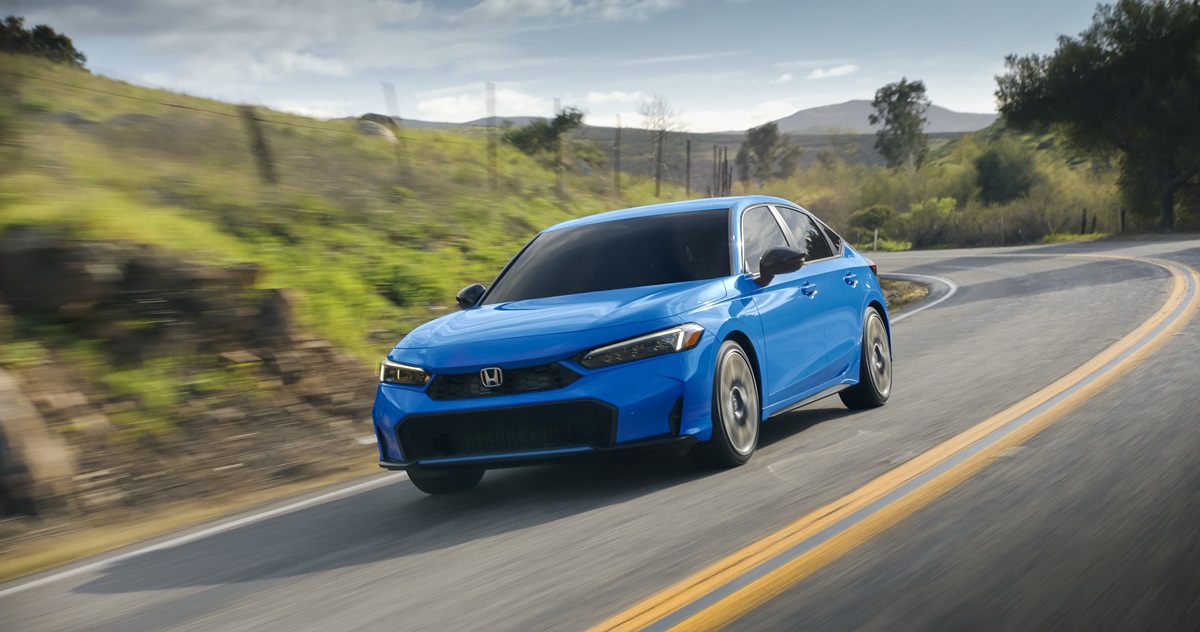
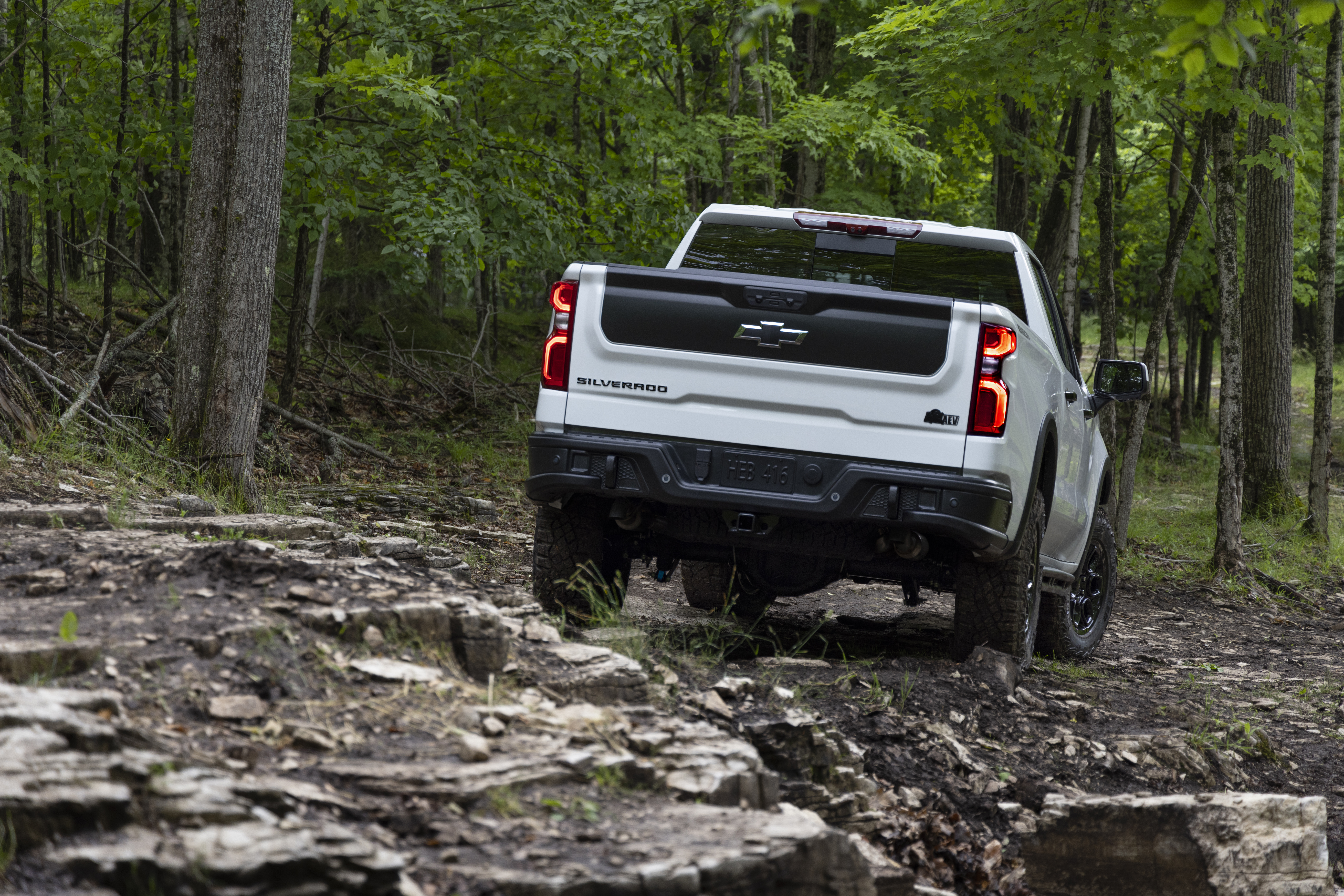
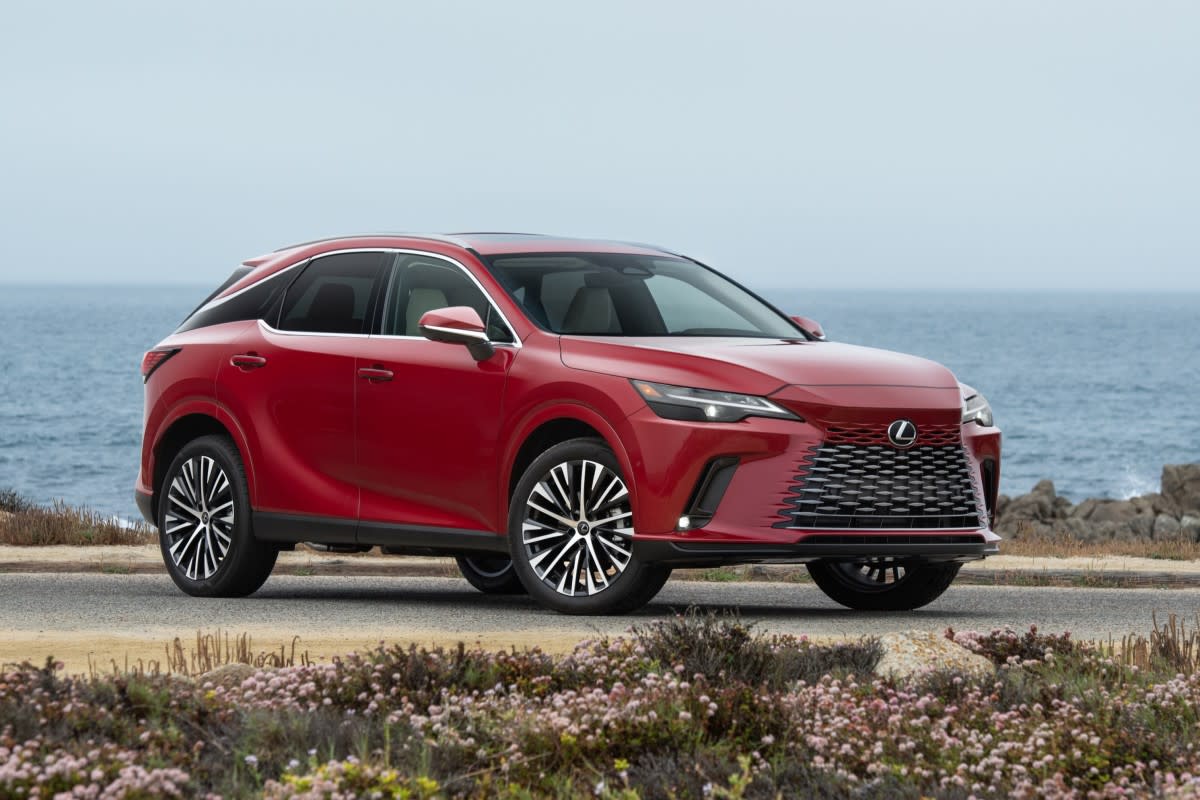
The end of the internal combustion era is reshaping what enthusiasts consider collectible. As automakers pivot toward electrification and once-iconic nameplates wind down, a select group of current vehicles is already generating the kind of buzz that signals future classic status. Whether it's the swan song of a beloved coupe, the introduction of groundbreaking hybrid technology, or simply a driving experience that captures the magic of a bygone era, these cars are positioned to appreciate in value and significance.
For Canadian buyers, the timing has never been better to invest in a piece of automotive history. From naturally aspirated roadsters and manual-transmission sports cars to track-ready EVs and electrified supercars, the vehicles on this list represent diverse paths to collectability. We've ranked them by their overall CarGurus rating to help shoppers identify which future classics offer the best blend of performance, ownership experience, and value in the current market.
About this guide
The cars in this guide have been selected to represent the best options currently available. Our recommendations are the result of a unique three-part scoring system that takes into account real-world tests from our team of expert reviewers, ratings from real-life owners who live with these cars every day, and an analysis of market data from CarGurus to identify which models offer the highest percentage of good and great deals. This combined approach ensures our list highlights cars that are not only great to own but also good value to buy. For more information, scroll to the bottom of this page.
10 Future Classic Cars to Buy in Canada in 2026

CarGurus expert rating: 9.0 out of 10
CarGurus user rating: 4.8 out of 5
Percentage of good/great deals available on CarGurus: 37.5%
Overall CarGurus rating: 4.4 out of 5
| Pros |
Cons |
| Fast |
Expensive |
| Fun to drive |
Hit-and-miss tech |
| Four-passenger seating |
Cramped back seat |
Few cars can balance daily usability with track-day ferocity quite like the BMW M4, and that combination is precisely what makes it a lock for future classic status in Canada. Offered in both coupe and convertible body styles, the M4 keeps the enthusiast flame burning bright with a standard six-speed manual gearbox in the base coupe, sending 473 horsepower from its twin-turbocharged 3.0-litre inline-six to the rear wheels. Step up to the Competition xDrive variants and output climbs to 523 hp, with the M-tuned all-wheel-drive system enabling a 0-100 km/h sprint of just 3.5 seconds.
The M4 also makes a strong case as a usable performance machine, with seating for four and up to 385 litres of trunk space. An almost overwhelming degree of customization lets drivers dial in everything from powertrain response to steering weight and adaptive M suspension behaviour, transforming the car from a relaxed cruiser to a corner-carving weapon at the press of a button. Combine that with the unmistakable presence of those oversized kidney grilles, the Live Cockpit Professional interface, and the prestige of the M badge, and it makes for a modern BMW that's already on the radar of savvy collectors.
The CarGurus Verdict: "Top up or down, driven in epic traffic or on epic roads, the M4 remains one of the best-driving BMWs money can buy. Comfortable when you want it, track-ready when you need it, and able to seat four people while carrying a decent amount of cargo, the M4 is a terrific all-around automobile." - Christian Wardlaw, CarGurus contributor
Read our full BMW M4 review
CarGurus expert rating: 7.3 out of 10
CarGurus user rating: 4.7 out of 5
Percentage of good/great deals available on CarGurus: 29.5%
Overall CarGurus rating: 4.3 out of 5
| Pros |
Cons |
| Excellent overall performance |
Wind buffeting on the highway |
| Comfortable, simplistic interior |
Slightly confusing tech |
| Solid daily usability |
No more manual transmission for the base model |
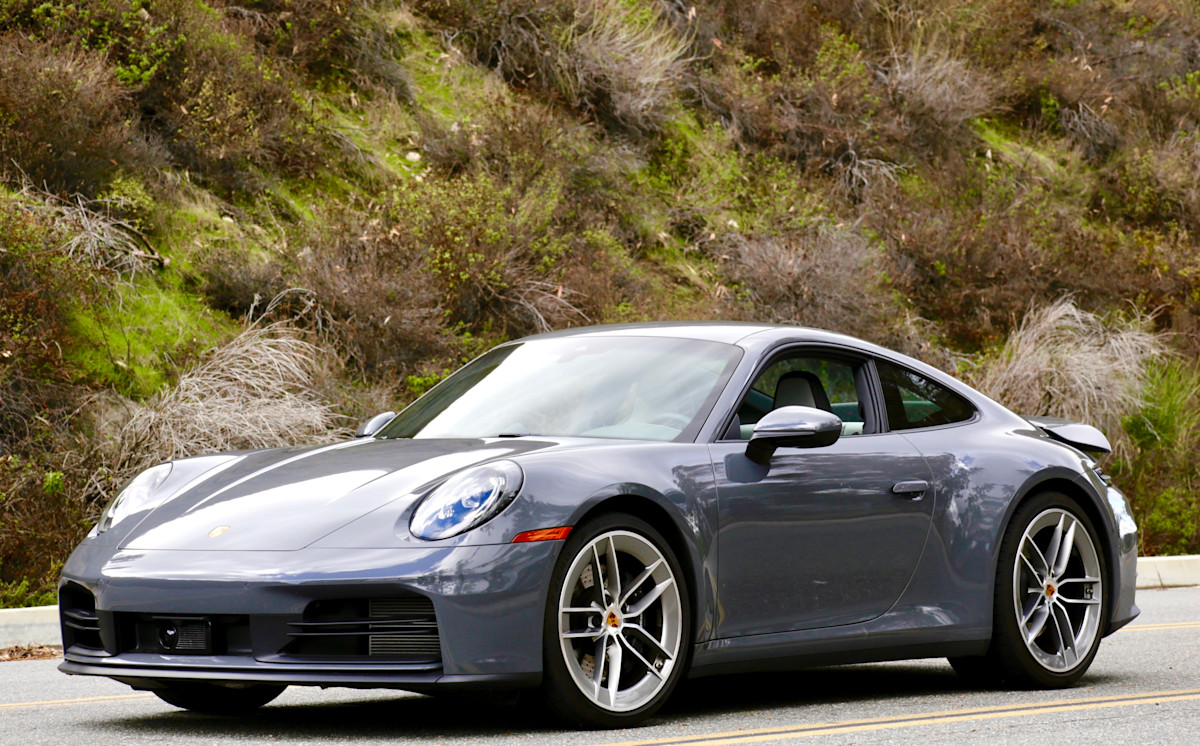
The Porsche 911 has been a benchmark for sports car excellence for more than six decades, and the latest 992.2-generation Carrera continues to refine the formula in subtle but meaningful ways. As one of the last pure internal combustion 911s before broader electrification reshapes Stuttgart's lineup, this version is already drawing attention from forward-looking collectors. Standard Matrix Design LED headlights, wider rear haunches, and an evolved silhouette honour the iconic rear-engine layout, while the cabin pairs a brilliant driving position with a fully digital 12.6-inch instrument cluster. The 132-litre frunk is modest, but it's enough for a weekend bag or a grocery run between spirited drives.
Power comes from a 3.0-litre twin-turbocharged flat-six producing 389 horsepower and 332 pound-feet of torque, channelled exclusively through an eight-speed PDK dual-clutch transmission. The result is a 0-100 km/h sprint of 4.1 seconds and the kind of steering precision and chassis response for which the 911 has been celebrated since the 1960s. Add the optional sport exhaust for that unmistakable flat-six soundtrack, and the result is a car that delivers genuine driving joy whether its tackling Canadian backroads or simply commuting.
The CarGurus Verdict: "Between its thrilling performance, excellent ride, great usability, and handsome looks, it's hard to fault the latest-generation Porsche 911 Carrera." - Peter Nelson, CarGurus contributor
Read our full Porsche 911 review

CarGurus expert rating: 6.5 out of 10
CarGurus user rating: 4.8 out of 5
Percentage of good/great deals available on CarGurus: 27.1%
Overall CarGurus rating: 4.2 out of 5
| Pros |
Cons |
| Brutal acceleration |
Potentially polarizing design |
| Impressive dynamics |
Focused ride quality |
| Jekyll & Hyde persona |
Too quiet |
This is a pivotal moment for one of motoring's most storied super sedans. The BMW M5 has gone plug-in hybrid for the first time, pairing a 4.4-litre twin-turbocharged V8 with an electric motor for a combined 717 horsepower and 738 pound-feet of torque. The result? A 0-100 km/h time of just 3.5 seconds, along with up to 43 kilometres of all-electric driving for quiet commutes. Standard xDrive all-wheel drive ensures that monumental output can actually be deployed on slippery Canadian roads, while drive modes can toggle between silent EV cruising and full-fury attack.
Inside, the M5 leans heavily on tech, with a sweeping single display housing the iDrive 8.5 infotainment system and ambient lighting that shifts based on driving mode. Despite the addition of a hybrid battery, the sedan still offers 530 litres of trunk space, making it surprisingly practical for road trips and family duties. The polarizing exterior, the vault-like build quality, and the unprecedented hybrid powertrain all but guarantee that this generation will be remembered as a landmark chapter in M division history—exactly the kind of car that earns future classic status.
The CarGurus Verdict: "The new BMW M5 boasts impressive speed, agility, and daily usability. But for the shopper who wants a sedan capable of doing a bit of everything, the M5 delivers in excess." - Peter Nelson, CarGurus contributor
Read our full BMW M5 review

CarGurus expert rating: 7.2 out of 10
CarGurus user rating: 4.7 out of 5
Percentage of good/great deals available on CarGurus: 21.4%
Overall CarGurus rating: 4.2 out of 5
| Pros |
Cons |
| Fun to drive |
Polarizing design |
| Great handling |
Not much cargo space |
| Manual transmission available |
Outdated technology |
The current model year marks the final chapter for the MkV Toyota GR Supra, and that closing-credits status alone renders it a future classic worth grabbing before dealer inventory dries up. The manual transmission variant is especially desirable, offering an analogue, deeply engaging driving experience that's increasingly hard to find in modern performance cars. The BMW-sourced 3.0-litre turbocharged inline-six delivers 382 horsepower and 368 pound-feet of torque to the rear wheels, and whether paired with the six-speed manual or the eight-speed automatic, it produces blistering acceleration and razor-sharp handling.
Toyota is sending the GR Supra off in style with a MkV Final Edition that adds aerodynamic tweaks, larger Brembo brakes, and sportier suspension tuning for even more focused dynamics. The driver-centric cockpit borrows freely from BMW's parts catalogue, which means solid build quality and intuitive controls, though the infotainment system is starting to show its age. Cargo space tops out at a modest 289 litres (10.2 cubic feet) and there are only two seats, but practicality has never been the point. As a farewell to a nameplate that traces its lineage back to the 1970s, this is one send-off that's destined for collector garages.
The CarGurus Verdict: "While it can be argued that the 2026 Toyota GR Supra is one of the more homely sports cars to look at, its driving experience tells a different story. It tracks faithfully along the path you lay out with the precise steering, and when pushed to or just past the edge, the nose and tail are balanced to maintain control." - Mark Takahashi, CarGurus contributor
Read our full Toyota GR Supra review

CarGurus expert rating: 7.5 out of 10
CarGurus user rating: 4.8 out of 5
Percentage of good/great deals available on CarGurus: 24.3%
Overall CarGurus rating: 4.2 out of 5
| Pros |
Cons |
| Fun to drive |
Unintuitive technology |
| Great handling |
Not much cargo space |
| Stylish design |
Limited interior space |
The Mazda MX-5 Miata has been a driving enthusiast's darling since 1989, and its fourth generation continues to deliver the kind of pure, lightweight roadster experience that's all but extinct in today's market. Rear-wheel drive, near-perfect weight distribution, and a standard limited-slip differential on most trims combine to make every drive an event, whether drivers choose the traditional soft top or the retractable fastback (RF). Cargo space is admittedly tiny—130 litres in the soft top, 127 in the RF—but storing luggage was never high on the Miata's priority list.
Every example is powered by a naturally aspirated 2.0-litre four-cylinder producing 181 horsepower and 151 pound-feet of torque. Paired with one of the most satisfying six-speed manual gearboxes in the business, the powertrain feels perfectly matched to the chassis. Mazda's Kinetic Posture Control subtly applies brake pressure during hard cornering to limit body roll, keeping the car planted on twisty back roads. Combine timeless styling with engaging dynamics and one of the most accessible price tags in the sports car segment, and the MX-5 is a future classic that's easy to recommend—and even easier to fall in love with.
The CarGurus Verdict: "The Mazda MX-5 is a roadster that rewards drivers with precise handling that's only made better when the top is down and the tunes are cranked." - Emme Hall, CarGurus contributor
Read our full Mazda MX-5 Miata review
CarGurus expert rating: 7.3 out of 10
CarGurus user rating: 4.6 out of 5
Percentage of good/great deals available on CarGurus: 45.7%
Overall CarGurus rating: 4.2 out of 5
| Pros |
Cons |
| Stylish design |
Dissatisfying steering |
| Powerful engine |
Uncomfortable seats |
| Manual transmission available |
Outdated technology |
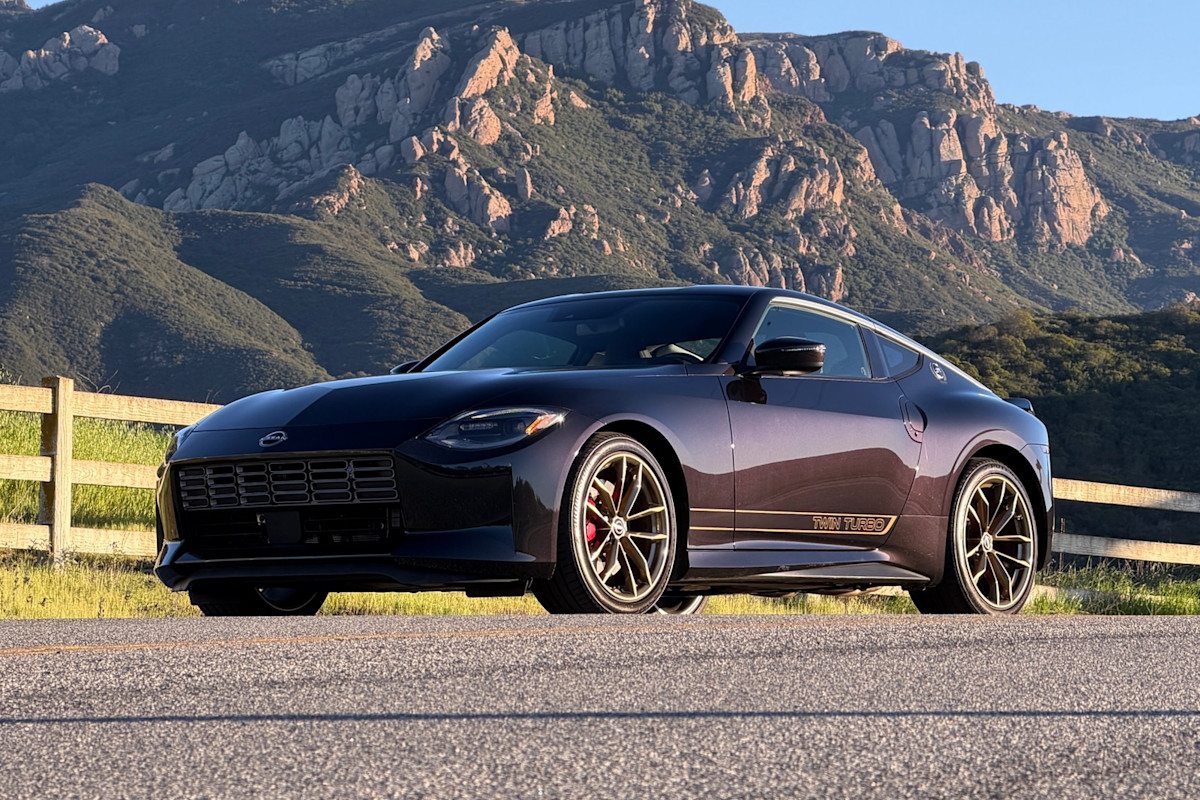
Revived as a clear homage to the legendary Datsun 240Z, the Nissan Z combines retro-inspired styling with thoroughly modern performance—a recipe that has future classic written all over it. The two-seat liftback layout and rear-wheel-drive configuration honour the original's purist intent, while a twin-turbocharged 3.0-litre V6 delivers 400 horsepower and 350 pound-feet of torque. Opt for the track-focused Nismo variant and those numbers climb to 420 hp and 384 lb-ft. An available six-speed manual gearbox with SynchroRev Match keeps the driving experience refreshingly old-school.
The driver-focused cockpit features three dash-top gauges that nod directly to the Z's heritage, creating a sense of continuity with decades of iconic predecessors. While the car can feel a bit raw on tight canyon roads, that authenticity is precisely what enthusiasts will appreciate down the road. The 241-litre trunk is large enough for a weekend's worth of gear, making it more usable than some rivals. With other sports coupes such as the Supra winding down, the Z stands out as one of the few remaining high-horsepower, traditional sports cars on the market—and a strong contender for collector status.
The CarGurus Verdict: "There's an authenticity here that doesn't apply to the BMW-based GR Supra, an air of exclusivity that the common Mustang can't match, and prodigious power that leaves the MX-5, the BRZ, and the GR 86 choking on clouds of burnt rubber. It might be an unruly little beast, but the Nissan Z deserves more love, attention, and respect than it gets." - Christian Wardlaw, CarGurus contributor
Read our full Nissan Z review
CarGurus expert rating: 8.8 out of 10
CarGurus user rating: 0.0 out of 5
Percentage of good/great deals available on CarGurus: 0.0%
Overall CarGurus rating: 3.7 out of 5
| Pros |
Cons |
| Great handling |
Poor fuel economy |
| Easy-to-use technology |
Steep price increase over a base Corvette |
| Impressive performance |
Less-engaging driving experience |
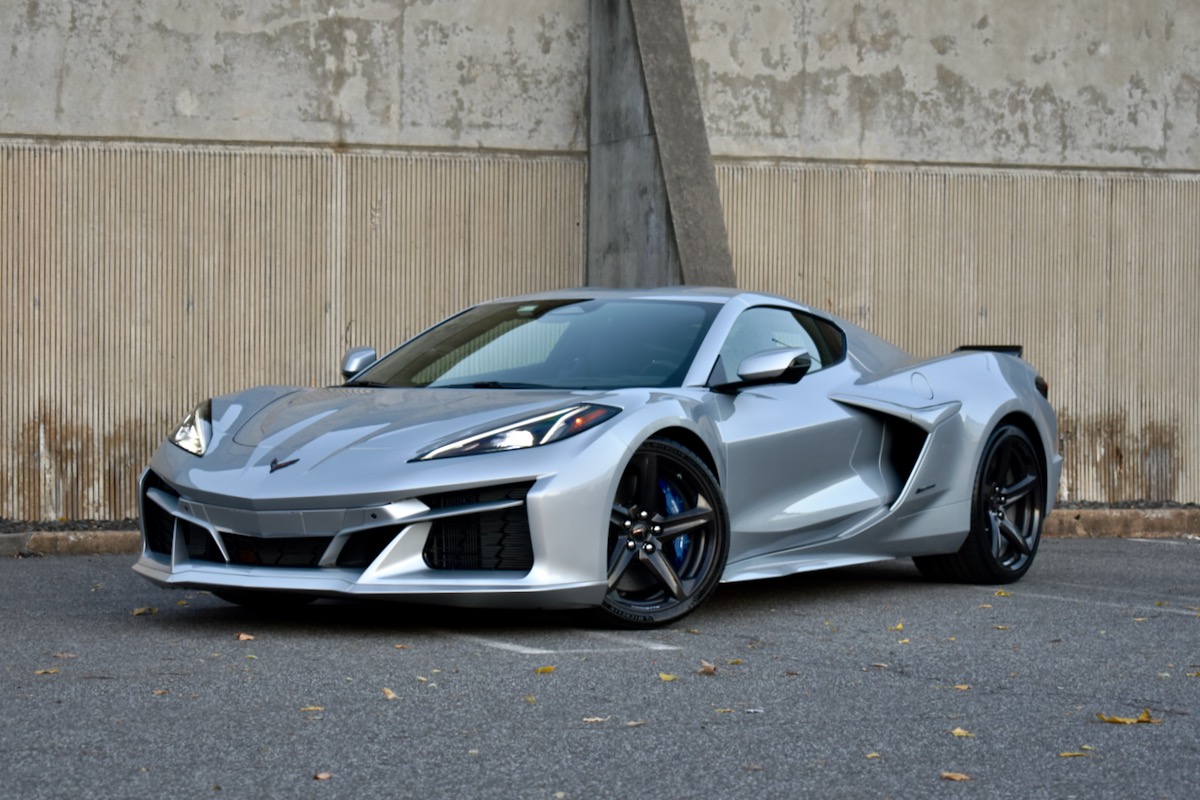
History tends to remember "firsts," and the Chevrolet Corvette E-Ray is loaded with them: it's the first Corvette to feature an electrified powertrain and the first with all-wheel drive. That alone is enough to put it on every collector's radar, but the performance numbers seal the deal. A 6.2-litre V8 works in concert with an electric front-axle motor to produce a combined 655 horsepower and a 0-100 km/h sprint of just 2.5 seconds. Despite that supercar-rivalling pace, the mid-engine layout still allows for 356 litres of total cargo space split between front and rear trunks, making it surprisingly usable for a vehicle of its caliber.
For Canadian drivers, the addition of standard all-wheel drive transforms the Corvette into a genuine year-round proposition. Instant electric torque off the line, standard Magnetic Ride Control dampers, and carbon-ceramic brakes deliver remarkable composure on both winding roads and daily commutes. The cabin features a redesigned wraparound digital display and premium materials that elevate the grand-touring experience well beyond previous generations. The Z06's widebody stance gives the E-Ray serious visual presence to match its place in Corvette lore, and as the auto industry barrels toward full electrification, this hybrid Corvette will stand as a unique transitional moment worth preserving.
The CarGurus Verdict: "The E-Ray hybrid gains some performance over the already-impressive Corvette Stingray, but it loses some personality." - Stephen Edelstein, CarGurus contributor
Read our full Chevrolet Corvette E-Ray review
Search for Chevrolet Corvette E-Ray
See all

CarGurus expert rating: 7.7 out of 10
CarGurus user rating: 0.0 out of 5
Percentage of good/great deals available on CarGurus: 0.0%
Overall CarGurus rating: 3.6 out of 5
| Pros |
Cons |
| Powerful engine |
Not much cargo space |
| Fun to drive |
Poor value for money |
| Great handling |
|
What makes the Audi RS 3 such a strong candidate for future classic status comes down to one wonderfully unusual ingredient: its turbocharged 2.5-litre five-cylinder engine. With its distinctive warbling exhaust note and 394 horsepower paired with 369 pound-feet of torque, it's a configuration with no direct rival in the compact performance sedan segment—and it's almost certainly an endangered species. A quick-shifting seven-speed dual-clutch transmission and Audi's quattro all-wheel-drive system enable a 0-100 km/h time of 3.8 seconds, making this one of the quickest and the most accessible sports sedans around.
Sophisticated chassis hardware sets the RS 3 apart from typical hot hatches and sport sedans, including an RS Torque Splitter that mitigates understeer and makes corner exits genuinely thrilling. Despite the track-ready credentials, it remains a four-door sedan with a 235-litre trunk and enough rear-seat room for regular daily use. With its closest competitor, the Mercedes-AMG CLA 45 S, exiting the market, the RS 3 stands largely alone—an in-demand driver's car with a soundtrack and powertrain that may never return.
The CarGurus Verdict: "With its closest rival, the Mercedes-AMG CLA 45 S, on the way out, the RS 3 is in a class of its own. It combines four-door practicality, sports-car-rivalling performance, and an interior worthy of the Audi name." - Stephen Edelstein, CarGurus contributor
Read our full Audi RS 3 review
CarGurus expert rating: 7.8 out of 10
CarGurus user rating: 0.0 out of 5
Percentage of good/great deals available on CarGurus: 0.0%
Overall CarGurus rating: 3.6 out of 5
| Pros |
Cons |
| Fun to drive |
Unimpressive electric range |
| Great handling |
Poor value for money |
| Wireless Apple CarPlay/Android Auto |
Not as much fun to drive at normal speeds |
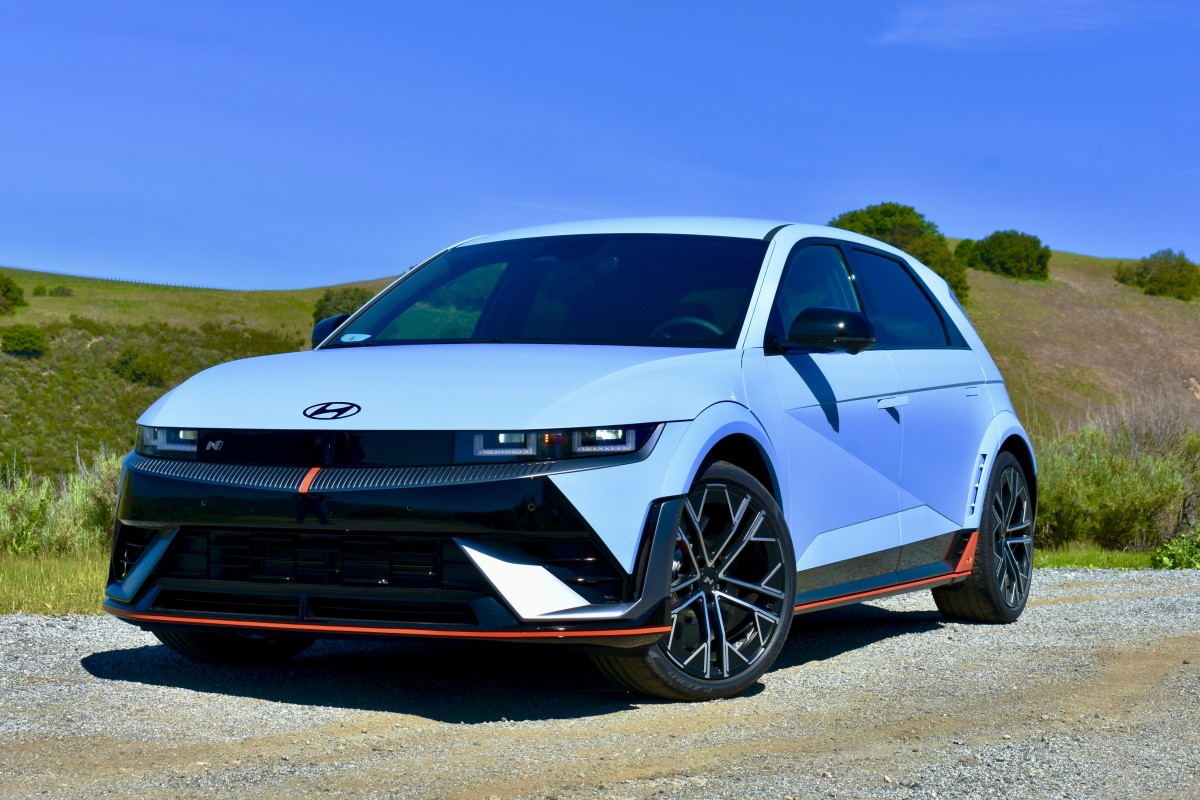
As Hyundai's first electric vehicle developed by its N performance sub-brand, the Ioniq 5 N is a pivotal model that signals where high-performance driving is headed. That trailblazer status is exactly why collectors are paying attention. The track-ready EV packs a dual-motor all-wheel-drive system producing 601 horsepower and 546 pound-feet of torque, with a temporary boost mode unlocking 641 horsepower for maximum-attack acceleration. A stiffer body shell, retuned suspension, and wider Pirelli P Zero tires combine to deliver levels of engagement that rival traditional combustion sports cars.
Despite the track focus, the Ioniq 5 N retains the practicality that made the standard car popular. It offers 740 litres of cargo space behind the rear seats and 1,680 litres with the 60/40 split-folding row down. The cabin features heavily bolstered front sport seats wrapped in Alcantara and synthetic leather, plus a 12.3-inch touchscreen with standard wireless Apple CarPlay and Android Auto. Range comes in at 356 kilometres, which trails non-N variants, but 350-kW DC fast charging from 10% to 80% in just 18 minutes keeps the inconvenience minimal. As a first-of-its-kind performance EV, this Hyundai is exactly the sort of car future generations will look back on as a turning point.
The CarGurus Verdict: "The Ioniq 5 N is a true track-capable performance car that just happens to be electric." - Stephen Edelstein, CarGurus contributor
Read our full Hyundai Ioniq 5 N review
Search for Hyundai Ioniq 5 N
See all
FAQ
What makes a car a "future classic"?
A future classic is a vehicle that's currently in production or recently available but already showing signs of becoming highly collectible down the road. Common indicators include limited production runs, the end of a long-running nameplate, unique or soon-to-be-obsolete powertrains (such as naturally aspirated engines, manual transmissions, or characterful five- and six-cylinder layouts), strong enthusiast followings, and meaningful technological or design milestones.
Are future classic cars a good investment in Canada?
Future classics can appreciate in value, but shouldn't be viewed purely as investments. Market conditions, mileage, condition, originality, and demand all play significant roles in long-term value. The best approach is to buy a car you genuinely enjoy driving and view any appreciation is a bonus. Limited-production models and final-edition variants typically have the strongest collector appeal.
Should I buy a manual transmission for collector value?
Generally, yes. Manual transmissions are rapidly disappearing from the automotive market, especially in performance cars. Models such as the Toyota GR Supra, the BMW M4, the Mazda MX-5 Miata, and the Nissan Z all offer manual options that tend to command stronger long-term values than their automatic counterparts, particularly as the gearbox becomes rarer.
How do I protect a future classic during Canadian winters?
If you plan to drive your future classic year-round, invest in quality winter tires, apply rust protection treatments, and wash the underbody regularly to remove road salt. Many collectors choose to store their future and existing classics over winter in a climate-controlled garage with a battery tender, a fuel stabilizer, and proper tire pressure to preserve condition and value.
Are electric vehicles like the Ioniq 5 N and Corvette E-Ray really future classics?
Yes, electrified performance vehicles that represent significant "firsts" have strong potential as future classics. The Hyundai Ioniq 5 N is the first model from Hyundai's N performance sub-brand, while the Corvette E-Ray is the first hybrid and first all-wheel-drive Corvette ever produced. These technological milestones make them historically significant, regardless of how the broader EV market evolves.
What should I look for when buying a future classic?
Prioritize low mileage, complete service history, originality (unmodified examples typically hold their value better), and desirable option packages or special editions. Manual transmissions, distinctive colours, and limited-edition trims often carry premiums. Have any potential purchase inspected by a qualified specialist, and verify the vehicle's history through tools such as CarGurus' vehicle history reports to ensure you're getting a clean example.
What Makes CarGurus Best Cars Guides Different?
Most car-buying websites publish lists of the best cars across a variety of categories, with recommendations driven primarily by editorial expertise. Here's what makes our best cars guides different: we combine the insights and verdicts of our team of car-testing experts with other factors that we know matter to buyers—real owner experiences and current market value.
Our expert reviewers come from some of North America and Canada's most trusted automotive publications, bringing hands-on experience testing vehicles. They put each car through its paces and create detailed reviews covering everything from form and function to performance and cost effectiveness.
But we don't stop there. We also analyze hundreds of thousands of used car listings on CarGurus.ca to track which models consistently offer the highest percentage of great deals relative to how many are listed for sale. Then we factor in user reviews and ratings gathered on CarGurus to hear from people who actually live with these cars every day. Our best cars algorithm combines expert ratings, user reviews, and the percentage of listings rated as good or great deals into a final Overall CarGurus Rating—a three-way approach that reveals not just which cars excel on paper, but which ones deliver real satisfaction and value when you're ready to buy.
*The CarGurus market data in this guide was last updated in June 2026. Values were accurate at time of publication and should be used as a guide only.*
Related Topics: