Canadians are increasingly choosing to buy cars built in this country. This decision supports the nearly 500,000 jobs in the Canadian automotive industry, goes toward the $16 billion per year the industry contributes to our gross domestic product, and put money directly into Canadian pockets.
While there are currently no Canadian mass-market automakers, there are American and Japanese automakers assembling cars at Canadian plants today. Years ago, there were Canadian marques such as Bricklin, the McLaughlin Motor Car Company, and later McLaughlin-Buick, and the Project Arrow Canadian prototype car is a more recent addition, though it hasn’t yet made it to production. Depending on how trade negotiations go, we could see Chinese, South Korean, and German automakers added to this list in relatively short order.
Some passenger vehicles have been shifted out of the Canadian automotive industry in recent years, while others have been put on hiatus or cancelled. There are some very popular nameplates that are still going strong, though. Stay informed on which Canadian vehicles support our economy by reading the list below of all the cars made in Canada in 2026.
Cars Made in Canada
Chevrolet Silverado
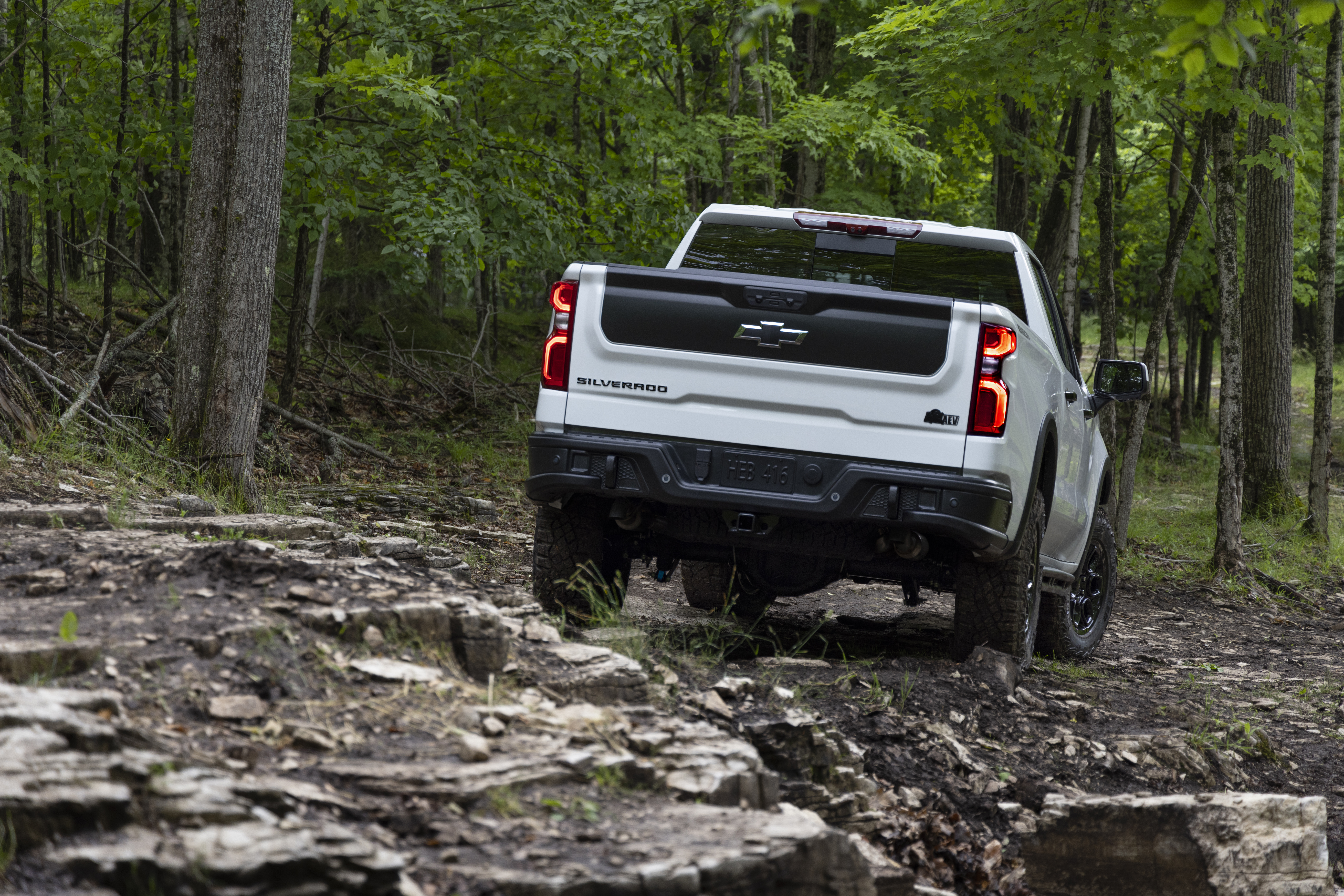
The General Motors Oshawa Assembly Plant, which opened in 1907, has seen its share of drama in recent years. GM announced plans to shut the facility entirely in 2018, then pulled an about-face and quickly retooled it to build the Chevrolet Silverado and Silverado Heavy Duty pickup trucks. The first of this latest round of Oshawa, Ontario-built vehicles rolled off the line late in 2021.
With CAMI Assembly in Ingersoll, Ontario, shut down, there was some concern General Motors might be planning to exit Canada entirely. However, the automaker announced a $63-million investment for Oshawa in February 2026, meaning that facility appears to be safe for now. Note that only gas-powered Silverados are built in Oshawa. The Chevy Silverado EV is assembled in Detroit, Michigan.
Chrysler Pacifica, Chrysler Grand Caravan
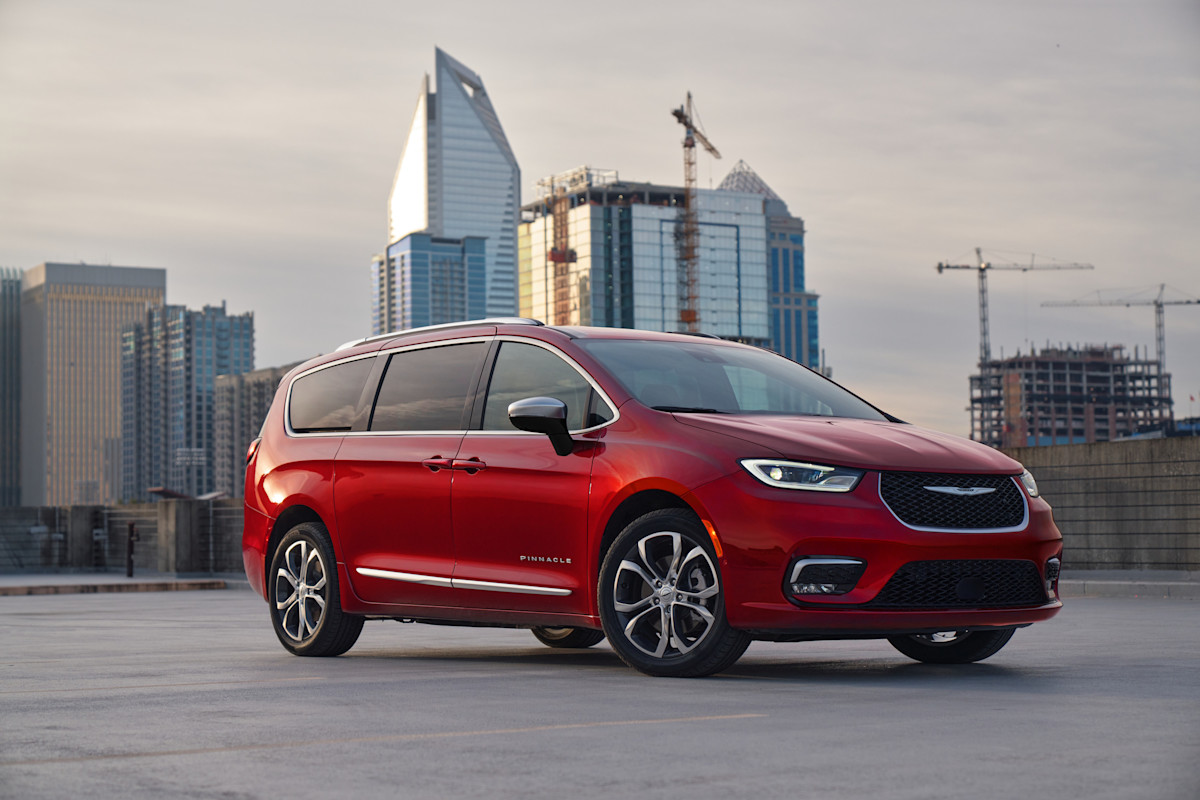
The Windsor Assembly Plant was built in 1928 and has been the home of the minivan since 1983. The full line of Stellantis minivans continues to be built in Windsor, Ont. This includes the Chrysler Pacifica, its Chrysler Pacifica Hybrid plug-in hybrid (PHEV) variant, and the Chrysler Grand Caravan defeatured version (which is sold as the Chrysler Voyager in the United States). Minivan production continues alongside the new Dodge Charger, as outlined below.
Dodge Charger
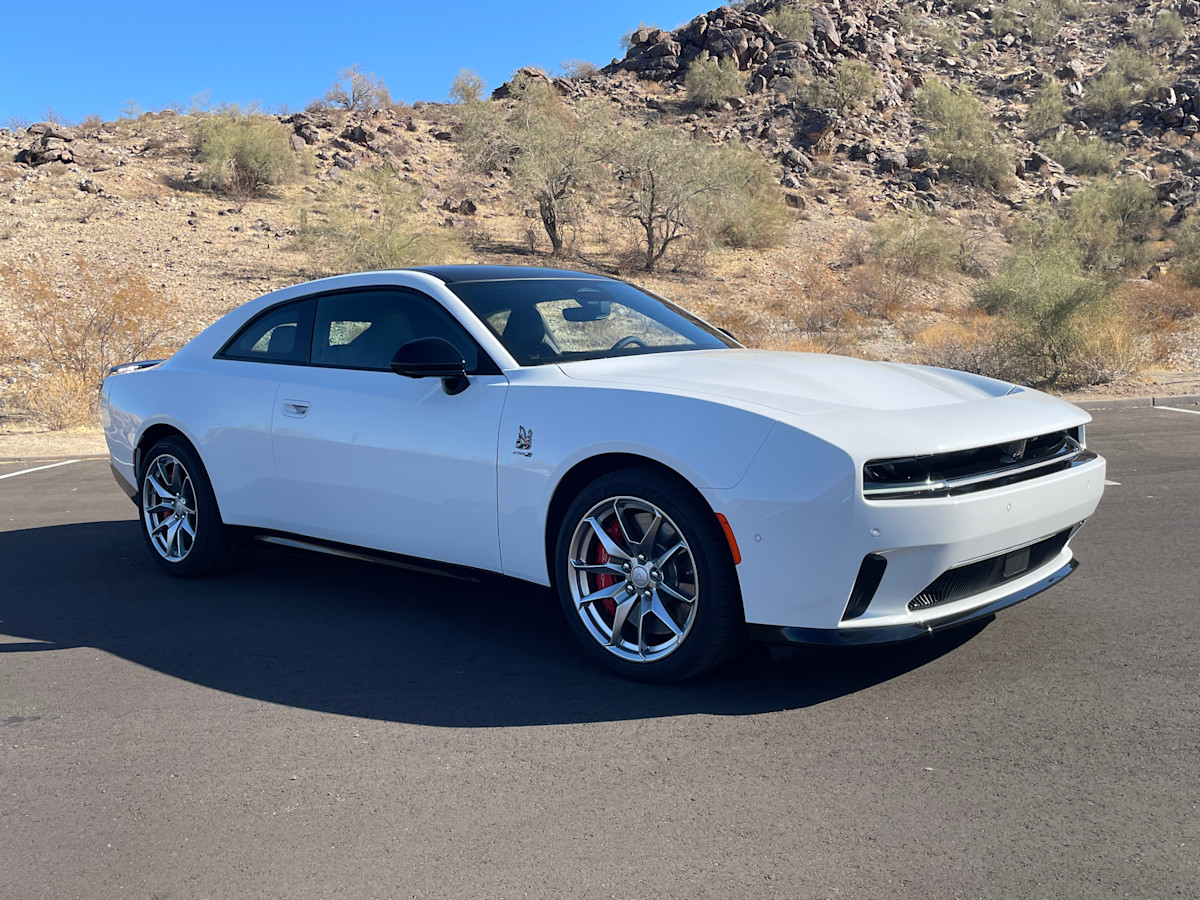
Canadians are used to seeing the Dodge Charger on lists of Canadian-made cars, but a lot has changed for this nameplate in the last few years. The previous-generation Charger, which was powered by V6 and Hemi V8 engines, was built at Stellantis’s Brampton Assembly alongside the Dodge Challenger and Chrysler 300. Brampton was shut down for retooling in late 2023, the latter two cars have been discontinued, and production of the new Dodge Charger Daytona EV and gas-powered Dodge Charger Sixpack has been allocated to Windsor Assembly alongside the company’s minivan portfolio.
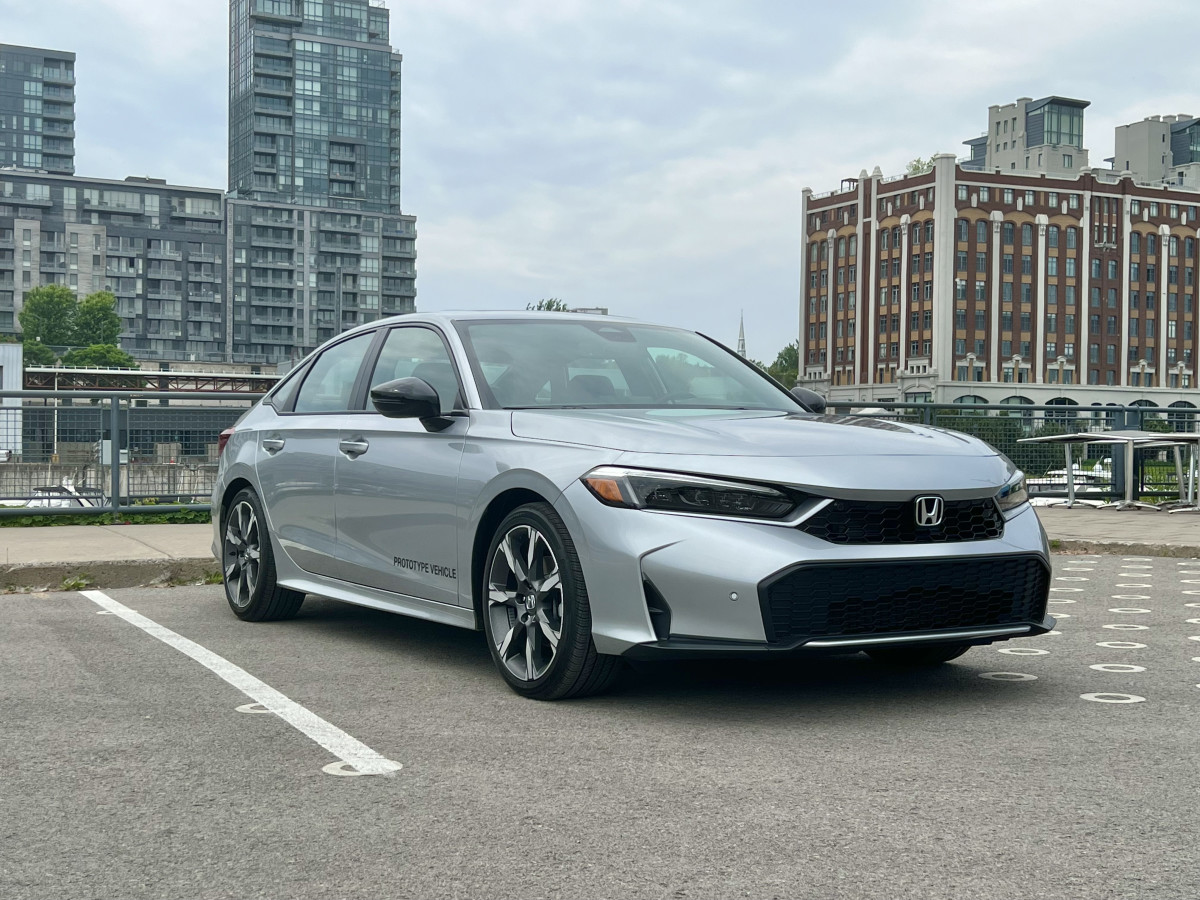
Honda Civic, Honda CR-V
The Honda Civic regained the title of Canada’s best-selling car in 2024 after giving it up for two years to the Toyota Corolla. The Civic sedan has been built in Alliston, Ontario, since 1988 at Honda of Canada Manufacturing, the production subsidiary of Honda Canada. The CR-V compact SUV joined it on Alliston’s second line in 2012, while the CR-V Hybrid was added for 2023 as the latter became available in Canada for the first time. For the 2025 model year, Alliston also added production of the new Honda Civic Hybrid. The plant, which opened in 1986, is slated for expansion to accommodate additional hybrid and EV production, a project expected to take six years.
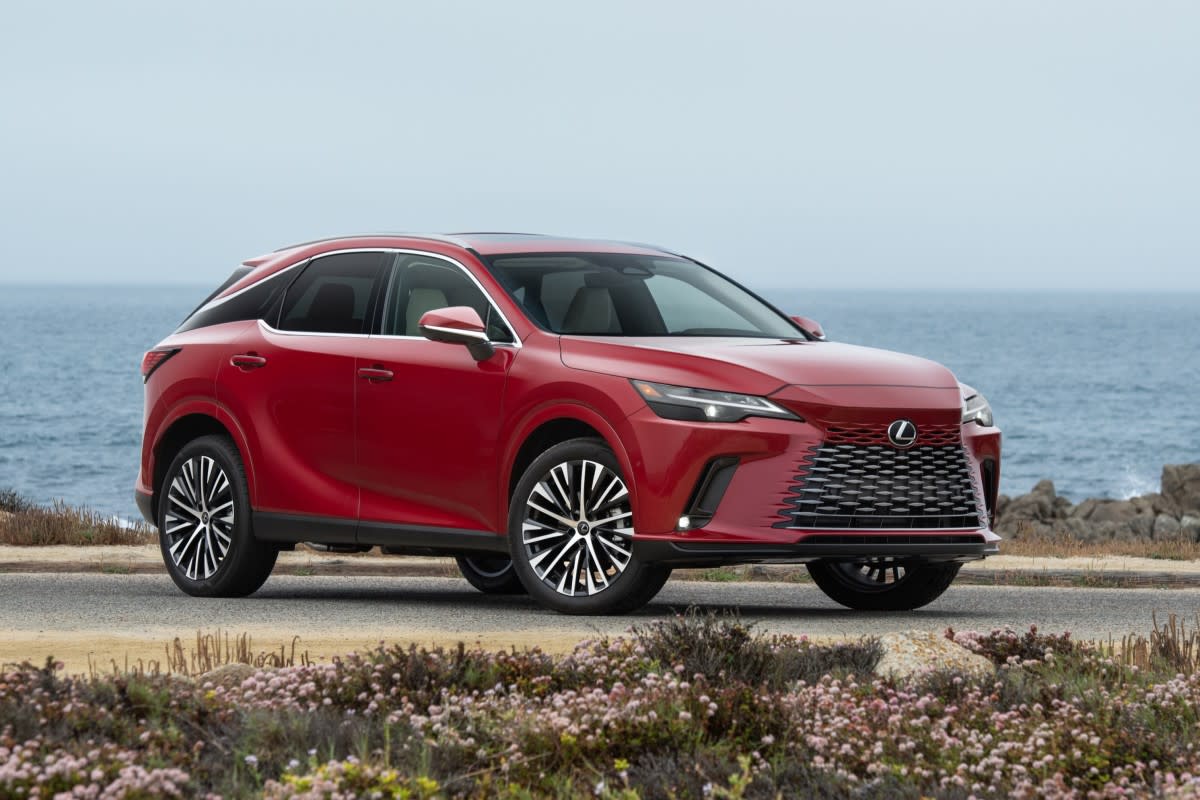
Lexus RX
Three versions of the Lexus RX luxury mid-size crossover are produced at Toyota Motor Manufacturing Canada’s Cambridge South plant. These are the gas-powered Lexus RX 350 and the two conventional hybrid versions, the RX 350h and RX 500h, which roll off the line in Cambridge, Ont., for distribution throughout North America. TMMC South opened in 1988 and became the first non-Japanese facility to build Lexus vehicles when RX production began in 2000. Note the Lexus RX 450h+ PHEV is assembled in Japan.
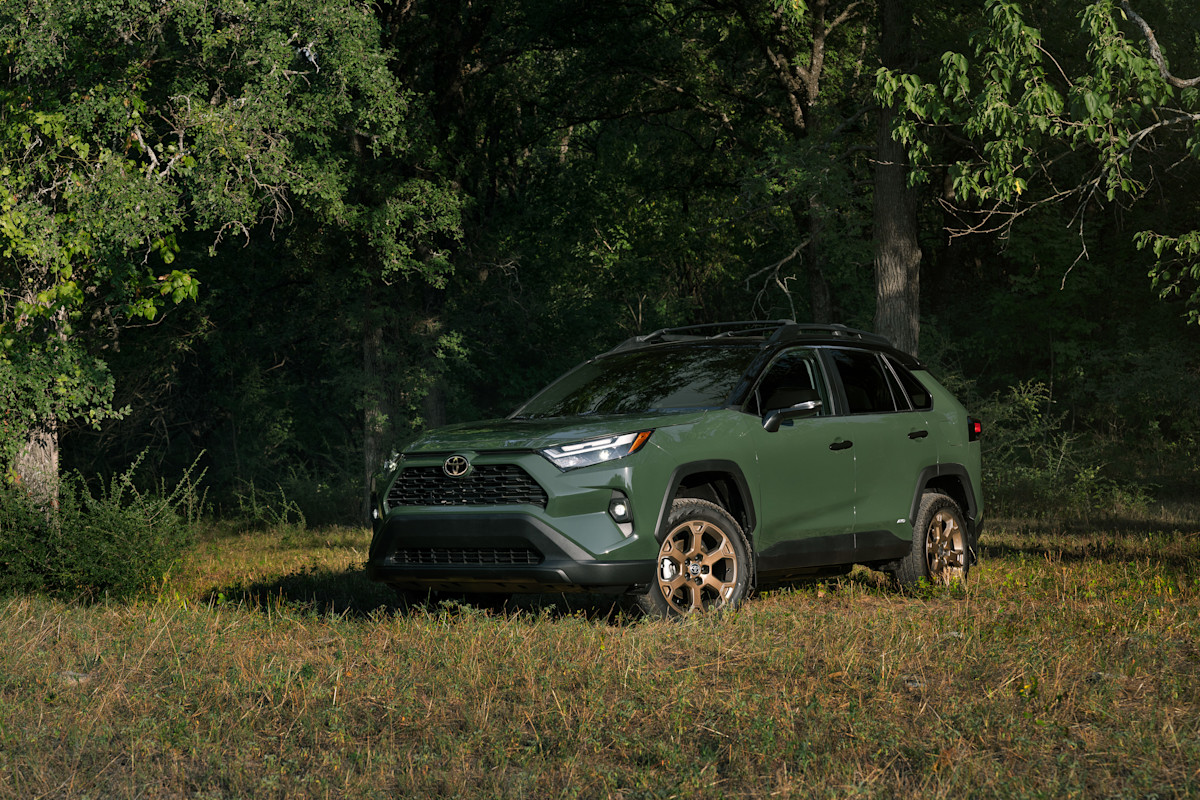
Toyota RAV4, Lexus NX
It seems Toyota can’t build enough of its popular RAV4 hybrid SUVs, which entered a new generation for the 2026 model year. The TMMC West production facility in Woodstock, Ontario, has been assembling RAV4s since it opened in 2008. TMMC Cambridge North, which opened in 1997, was retooled to build the RAV4 and RAV4 Hybrid that same year and also builds sixth-generation RAV4s today. Lexus NX 250, NX 350, and NX 350h production was added to the North line in Cambridge, Ont., when the second generation began production for the 2022 model year. The plug-in hybrid electric vehicles for these nameplates, the Toyota RAV4 Plug-in Hybrid and Lexus NX 450h+, are both assembled in Japan.
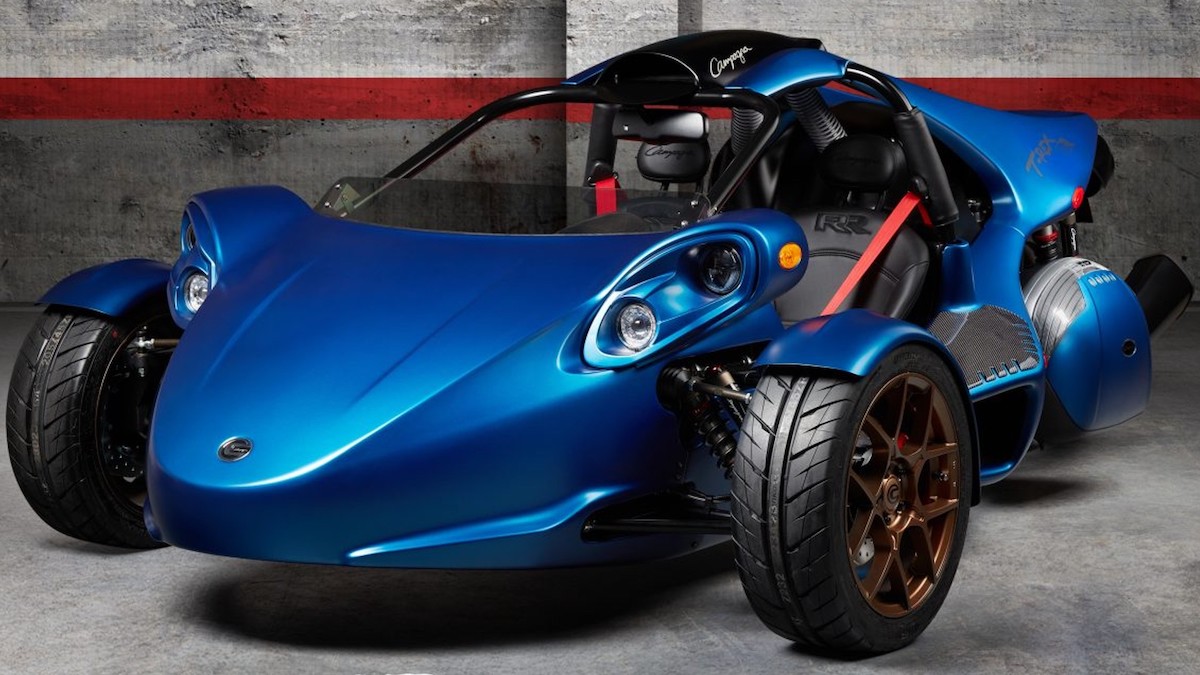
Campagna T-Rex
This small manufacturer, based in Boucherville, Quebec, was founded in 1988 and produces the T-Rex, an open-top three-wheeled two-seat sports car.
Vehicles No Longer Being Built in Canada
Chevrolet BrightDrop
After production of the Chevrolet Equinox (listed below) moved to Mexico, the General Motors CAMI Assembly facility in Ingersoll, Ont., produced Chevrolet BrightDrop fully electric commercial vans, formerly known as Brightdrop Zevo. GM cancelled BrightDrop production in late 2025, and CAMI has been idle ever since. Apart from a rumoured potential buyout by a Belgian company called Dumarey Group, which would continue BrightDrop production for the European market, there are no known prospects for CAMI Assembly as of this writing.
Chevrolet Equinox
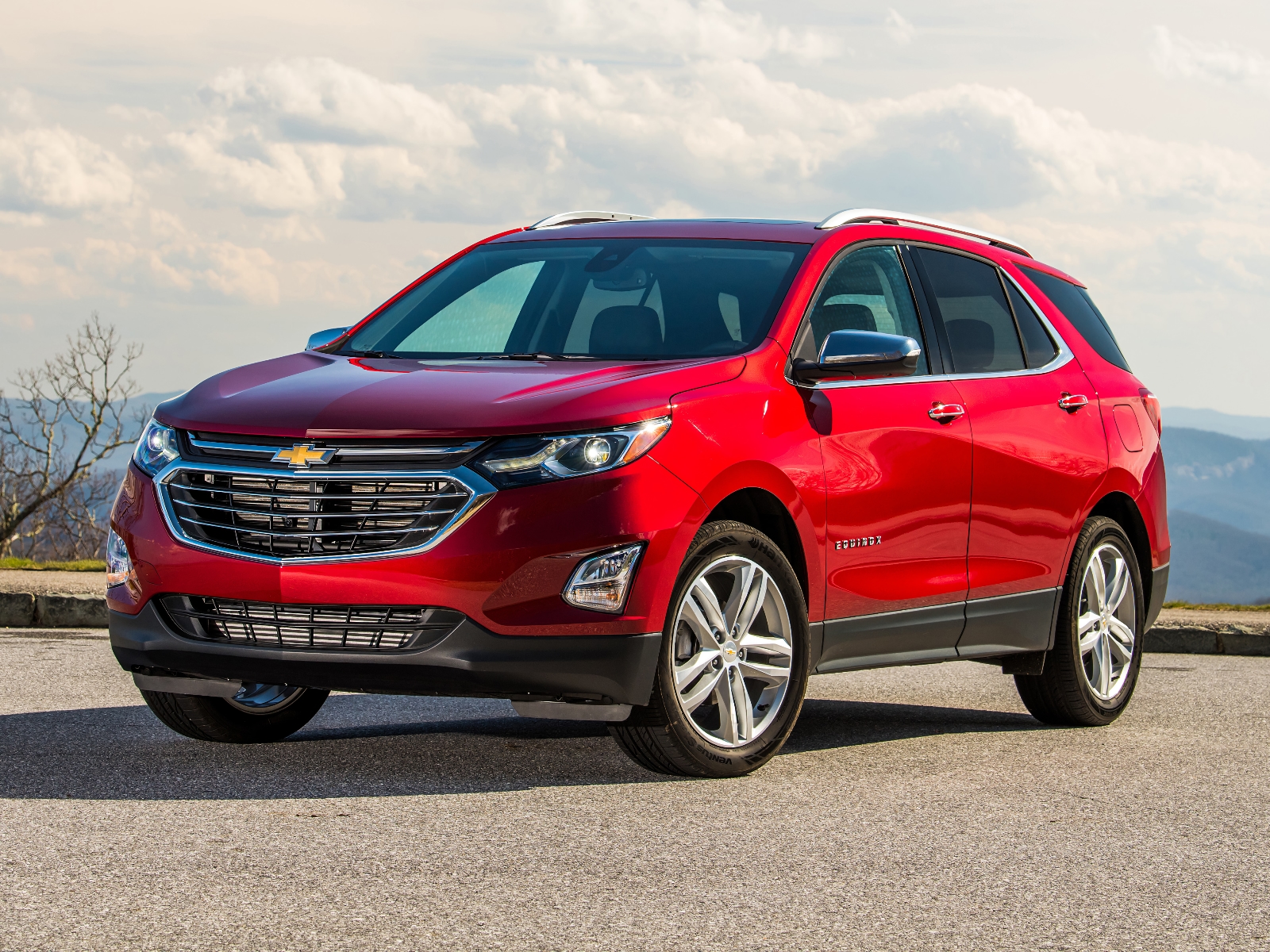
The Chevrolet Equinox compact SUV was built at GM’s CAMI Assembly in Ingersoll, Ont., from 2004 until 2022 when production moved to two GM facilities in Mexico. As noted above, CAMI Assembly was retooled to build BrightDrop electric delivery vans after Equinox production was relocated.
Chrysler 300, Dodge Challenger
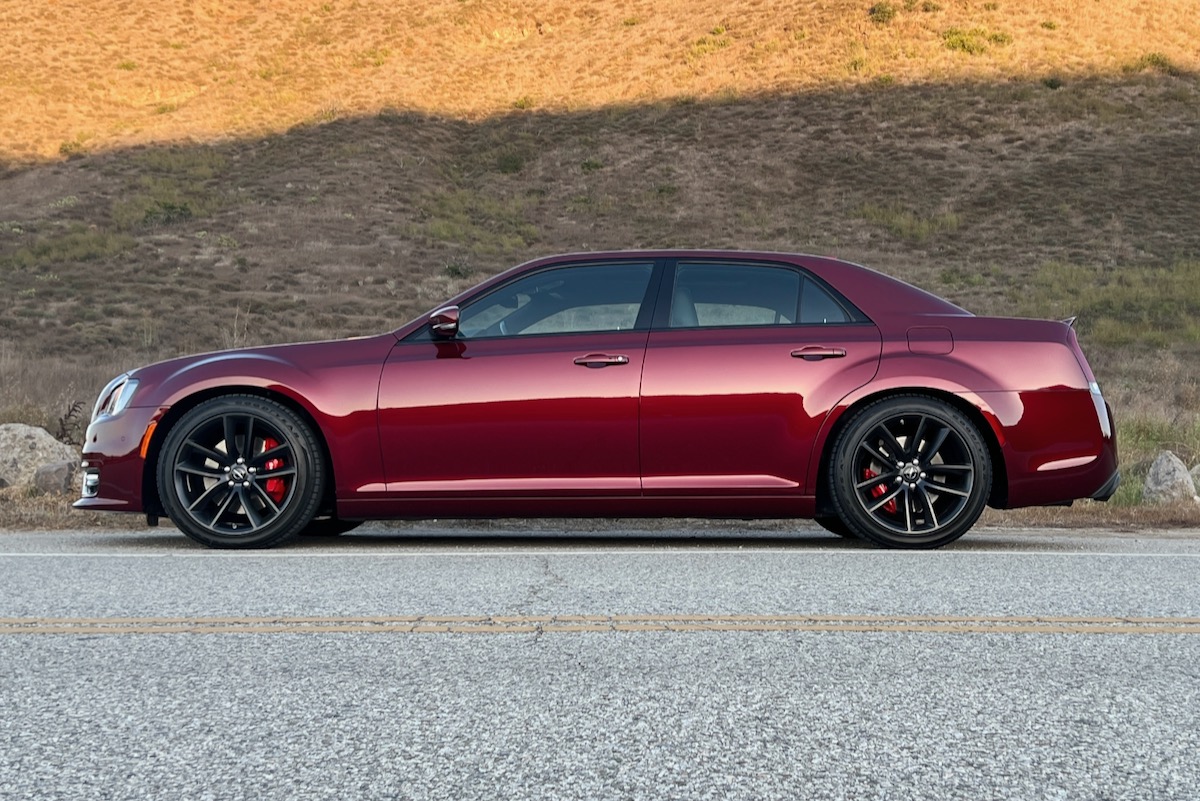
The Chrysler 300 sedan and Dodge Challenger two-door coupe were built at the Stellantis Brampton Assembly Plant until production wound down at the end of 2023. The factory was originally constructed by American Motors Corporation (AMC) and later acquired by Chrysler when it purchased that car company in 1987. Brampton Assembly was originally slated to reopen in 2025 with production of the next-generation Jeep Compass. However, that product has instead been allocated to a facility in Illinois, leaving Brampton Assembly’s future uncertain.
Ford Edge, Lincoln Nautilus
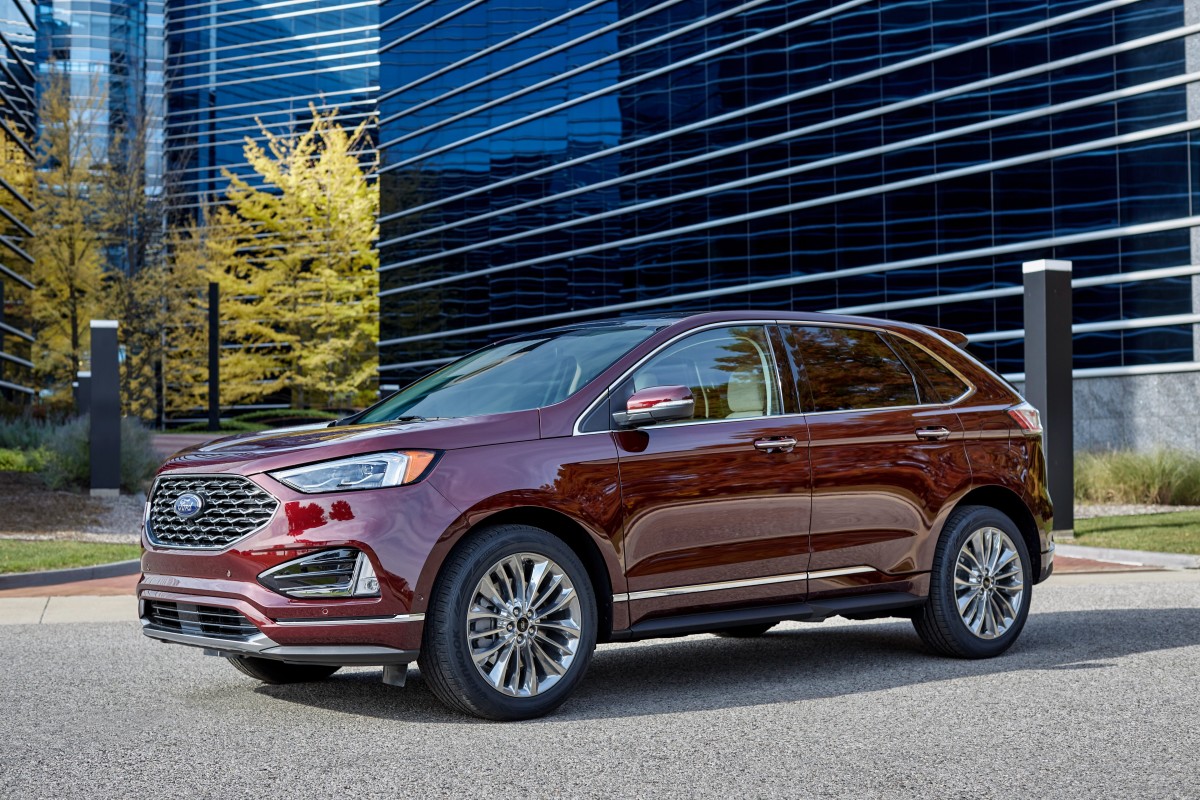
The Ford Edge and its luxury counterpart, the Lincoln Nautilus (formerly sold as the MKX), were produced at Ford’s Oakville Assembly until production wound down in 2024. Oakville Assembly, which has been operating since 1953, was originally shut down to retool for EVs, but those plans have been scrapped. The plant is now being prepared for Ford Super Duty truck production, which is slated to begin sometime in 2026. Meanwhile, the Ford Edge has been discontinued entirely, while Lincoln Nautilus production has shifted to China.
Ford GT
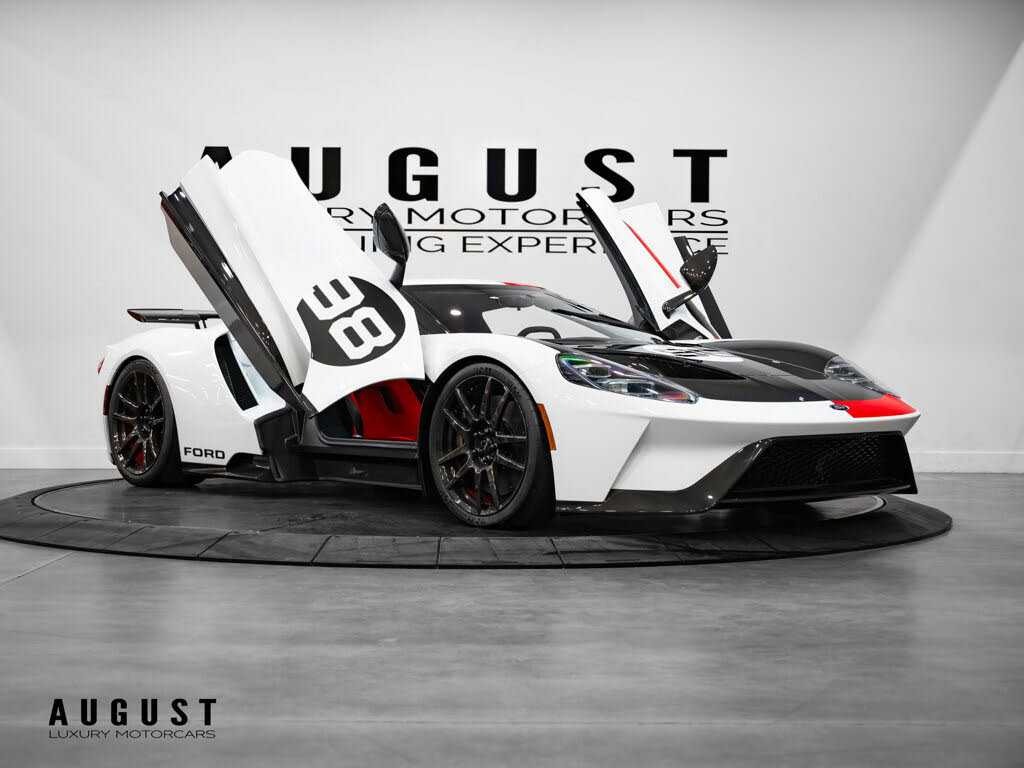
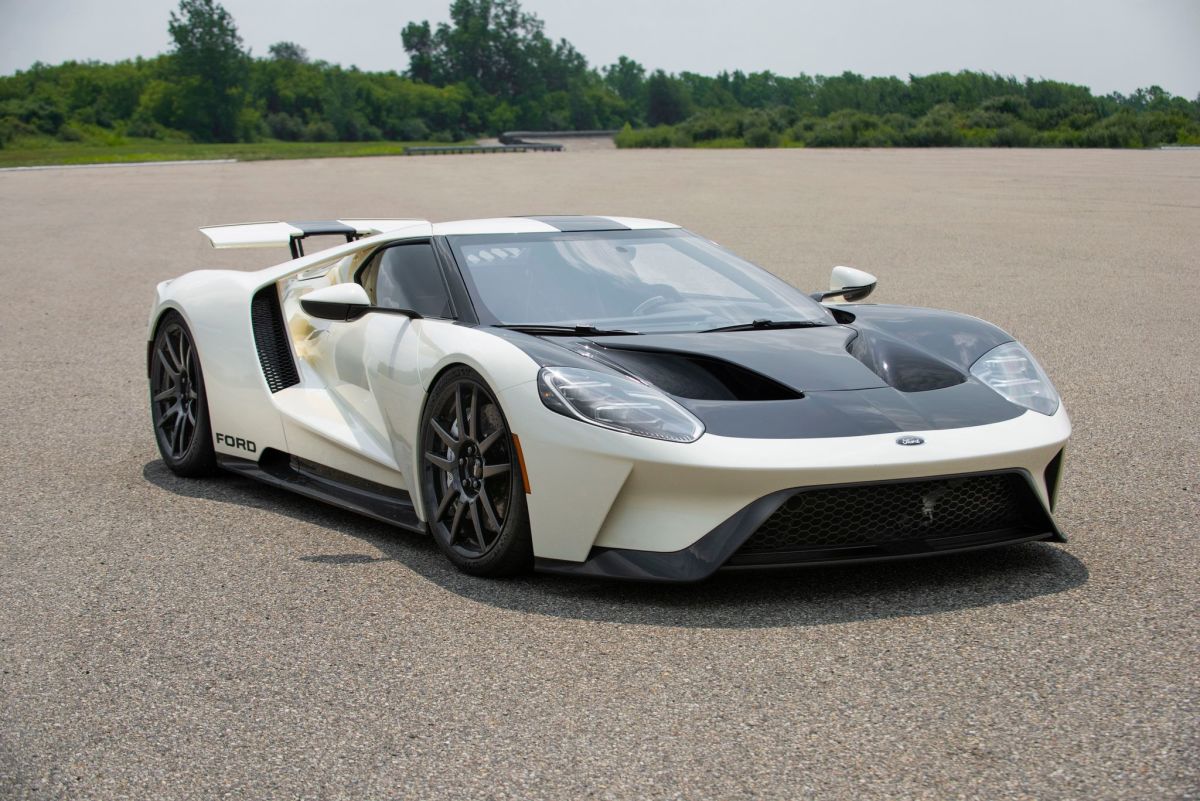
The Ford GT supercar is often overlooked when people think of Canadian cars, but it was proudly produced by Multimatic at their facility in Markham, Ont., until production wound down in 2023.
Other Vehicle Types Built in Canada
Terradyne Armoured Vehicles
Who knew there’s an armoured vehicle manufacturer operating in Southern Ontario? Terradyne Armoured Vehicles is based in Newmarket, Ont., and produces five different products to serve military, law enforcement, and even civilian customers.
Buses
Two different brands of electric bus are produced in Canada: GreenPower, based in Vancouver, B.C., and Winnipeg, Man.’s New Flyer, which is transitioning to electric buses while continuing to build traditional models. Girardin Blue Bird, which manufactures gas-powered and electric buses, is based in Drummondville, Que. NovaBus, a manufacturer owned by Volvo, is based in Saint-Eustache, Que. Prevost is also owned by Volvo and builds coach buses in Sainte-Claire, Que. Vicinity Motor Corp., a transit bus manufacturer based in Aldergrove, B.C., went into receivership in late 2024. Lion Electric, an electric bus and truck manufacturer based in Saint-Jerome, Que., entered creditor protection at the end of the same year. It was subsequently bought by an investor and continues to operate, albeit on a much smaller scale.
Related Topics: