Consumers don’t need to pay provincial sales tax when buying a used vehicle in Alberta, which is unique among Canadian provinces. That doesn’t mean buying a used car is any less complicated a process, though, and there are still many important steps to take to protect yourself from scams and serious liabilities. In this article, we’ll provide a step-by-step walkthrough for purchasing a used car in Alberta.
Buying a Used Car in Alberta
- Step 1: Research
- Step 2: Shop
- Step 3: Investigate
- Step 4: Purchase
- What to do if you’re scammed when buying a used car in Alberta

Step 1: Research
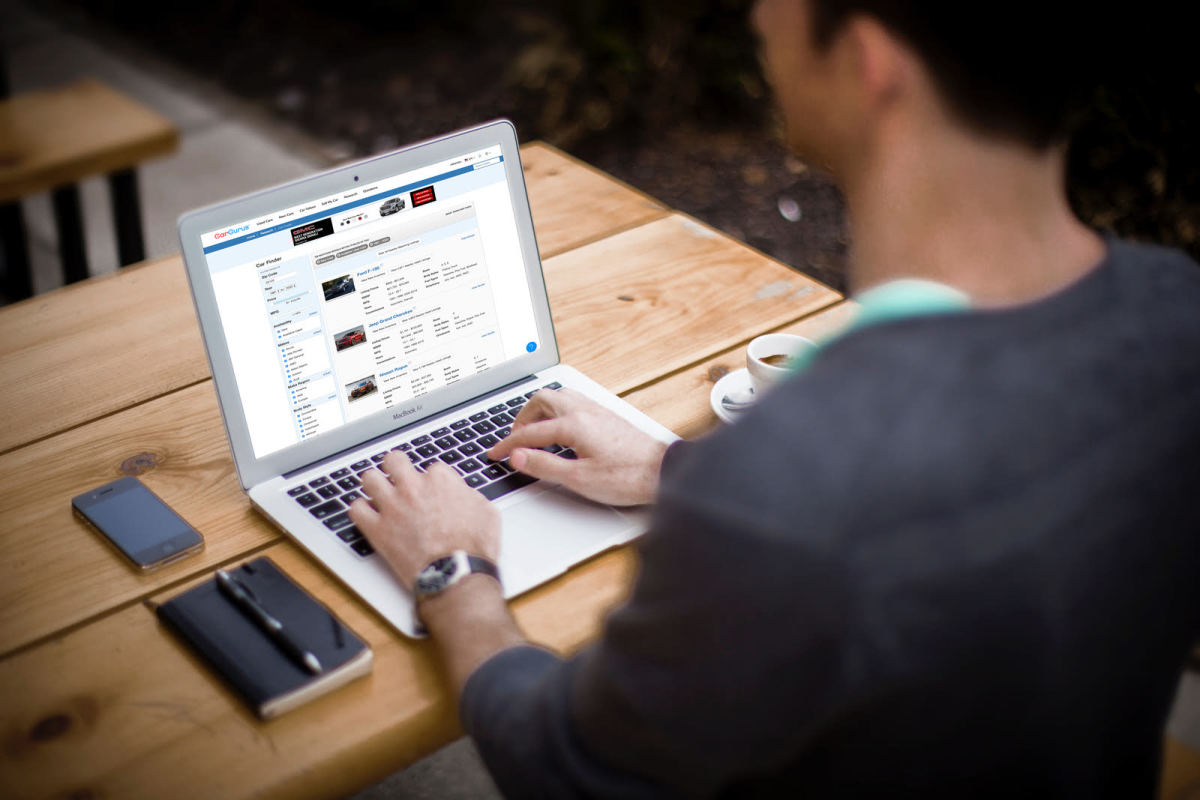
If you start your used vehicle search by flipping aimlessly through online listings, you’re likely to end up disappointed. Before you load up CarGurus.ca or other used car listings, take some time to figure out exactly what you need from your next car.
Many used car shoppers are looking for pickup trucks in Alberta, but consider whether you really need a full-size truck’s capabilities or whether a smaller midsize truck might do the trick, because it could save you a significant amount of money. If you’re shopping for an SUV, will you regularly use three rows of seats, or would a roomy two-row work?
Think also about the kind of powertrain you might need. Do you drive enough to consider a hybrid to save money on gas? Most Canadians assume all-wheel drive is a necessity, but if you rarely venture outside Calgary or Edmonton in the winter, front-wheel drive and a quality set of winter tires might be just as effective.
Make a list of key features that are non-negotiables, such as heated seats, Bluetooth connectivity, or a modern infotainment system.
You’ll also want to look at your budget, not only for monthly payments but also for insurance, maintenance, and other ongoing costs. Compare this against the vehicle you’re hoping to buy to make sure you’re being realistic.
Thinking through these factors before you even start looking at cars will help to narrow down your search, which will save a lot of time and effort. For more detail on deciding exactly what you need in a used vehicle, check out our guide to Buying a Used Car in Canada.
Step 2: Shop
Once you’ve settled on exactly what you want from your new car, it’s time to begin browsing used vehicle listings.
The safest route is to buy from a dealer registered with the Alberta Motor Vehicle Industry Council (AMVIC), either directly or through online vehicle sales listing sites such as CarGurus.ca. AMVIC oversees registered dealers under the Consumer Protection Act to make sure they conduct themselves in a manner that’s fair both for consumers and businesses. Car dealerships are required to inform you of the history and condition of a vehicle through readily available sources such as vehicle inspections, mechanical fitness assessments, and vehicle history reports from companies such as CARFAX.
The other benefit of buying from a registered dealer is that you may be able to use your current car as a trade-in. Dealers will also handle some parts of the car-buying process for you such as registering the vehicle and issuing a licence plate, saving you time and hassle.
However, regardless of how you purchase your vehicle in Alberta, all used cars are considered to be sold in as-is condition. This means the onus is on you, the buyer, to be vigilant about finding any issues with the car or its history before you commit to the purchase.
Used car buyers in Alberta also have the option to purchase from private sellers, but if you do, you won’t be offered the same protections as with registered dealers under AMVIC. You’ll also need to be alert to curbers. These people misrepresent themselves or the vehicles they’re selling to flip them for profit. They often scam customers with techniques such as odometer tampering, reselling stolen vehicles, or selling vehicles that can’t legally be registered due to accident or flood damage.
If at any point in the used vehicle buying process you sense a red flag or that a deal seems too good to be true, trust your instincts and walk away.
Step 3: Investigate
When you find a car you’re interested in, the next step is to investigate it thoroughly before committing to a purchase.
First, contact the Alberta Motor Association or a Service Alberta registry agent to request a vehicle information report. This will provide a list of previous registered owners of a vehicle and any liens (or money owing) on the vehicle in Alberta. If the car has had many previous owners or the current owner doesn’t match the person you’re dealing with, consider that a red flag. It’s also very important to check that there are no liens on the car, since you would become legally responsible for those as its new owner.
The Canadian Police Information Centre has an online form where the vehicle identification number (VIN) can be searched to see if the vehicle has previously been reported as stolen. In Alberta, this information will not be offered to you, so it’s very important to search for it directly.
It's also a good idea to request a vehicle history report from a private company such as CARFAX. This will give you insight into its history elsewhere in Canada, including any liens owed in other provinces and the car’s insurable status. If this is listed as anything other than 'none' (i.e. salvage, rebuilt, etc.) and the seller didn’t disclose this, you should strongly consider walking away.
If a seller supplies any of these reports, inspect them thoroughly. Make sure information such as the VIN, the odometer reading, and the registered owner match the vehicle in question. The safest route is always to get these reports on your own, which costs money, but the problems that can arise from not reviewing the correct reports are far more expensive.
Don’t hesitate to ask the seller whether any more information is available on the car’s ownership history, service records, the status of its warranty including any extended warranties, and whether any required recall work has been completed.
To learn more on how to know whether the vehicle is being listed at a fair price, how to check its estimated fuel economy and safety ratings, what to look for during a test drive, and other steps to take before committing to a purchase, check our article on Buying a Used Car in Canada.
Step 4: Purchase
If everything up to this point checks out, it’s time to proceed with purchasing the vehicle.
If you buy from a dealer, a mechanical fitness assessment will be completed for you that checks for basic safety and functionality. When you’re buying from a private seller, you’ll need to secure a pre-purchase inspection with a licensed mechanic on your own.
Regular safety inspections are only mandated in Alberta under certain circumstances, such as if the car is from out of province or was previously listed as salvage. Regardless, it’s very smart to have a safety inspection performed on the car at a registered vehicle inspection facility, such as those offered by the AMA. This will bring potential issues to light that might not otherwise be obvious until after the sale is complete, at which point there will be little you can do except take the seller to court.
To register the vehicle, a buyer and seller will need to prepare a standard bill of sale. When buying from a dealer, this will be provided for you. In a private sale, both parties must complete it together.
At a minimum, a valid standard bill of sale must list:
-
the full name and address of both parties
-
the vehicle identification number (VIN)
-
the make, model, style, colour, and model year of the vehicle
-
the agreed sale price
-
signatures from both parties
The following information is optional but recommended in a bill of sale:
-
the odometer reading
-
phone numbers and a copy of personal identification for both parties
-
signatures of witnesses
-
a list of any known liens against the vehicle
-
whether the vehicle was paid for in full up front
-
the method of payment and terms, if applicable
-
where the vehicle was last registered
-
any special conditions of the sale
You can download a standard bill of sale template from the Government of Alberta.
Proof of insurance is also required before you can register a vehicle in Alberta, which you’ll arrange with your insurer directly.
With the bill of sale, the seller’s proof of ownership, your proof of insurance, and an out-of-province vehicle inspection if required, you’ll be ready to visit a registry agent. If you need a few days, your existing licence plate and registration remain valid on your new vehicle for up to two weeks from purchase.
What to do if you’re scammed when buying a used car in Alberta
In Alberta, a bill of sale is a binding contract with no cooling-off period. This means that once you and the seller have signed it, there isn't much you can do if you later find out you were scammed. The best way to avoid scams is to follow the steps above and in our guide to Buying a Used Car in Canada carefully before agreeing to the sale.
If you suspect you’ve been scammed by a registered dealership in Alberta, AMVIC may be able to help in situations where a dealer:
-
did not properly disclose a vehicle’s condition (e.g., you weren’t informed of repairs that were made)
-
engages in false advertising
-
does not follow the industry’s codes of conduct
When you’ve been scammed by a curber or private seller, there’s unfortunately nothing you can do except attempt to take that seller to court. Scammers tend to vanish after landing shady deals, so there’s a good chance you’ll be out of luck.
Protect yourself by thoroughly investigating every aspect of a used car you can before signing the bill of sale. No car, no matter how good the deal, is worth this kind of hassle. If you sense something is off, trust your intuition and walk away.