Used BMW 3 Series for Sale nearKitchener, ON
- Year:
- 2014
- Make:
- BMW
- Model:
- 3 Series
- Body type:
- Sedan
- Doors:
- 4 doors
- Drivetrain:
- All-Wheel Drive
- Engine:
- 180 hp 2L I4
- Exterior colour:
- Silver
- Combined gas mileage:
- 9 L/100km
- Fuel type:
- Gasoline
- Transmission:
- Automatic
- Mileage:
- 102,745
- Stock #:
- 1913
- VIN:
- WBA3C3G54ENS70136


Sponsored by XTREME CARS INC
2014 BMW 3 Series
320i xDrive Sedan AWD
102,745 km
$10,995
- Year:
- 2011
- Make:
- BMW
- Model:
- 3 Series
- Body type:
- Sedan
- Doors:
- 4 doors
- Drivetrain:
- All-Wheel Drive
- Engine:
- 230 hp 3L I6
- Exterior colour:
- Gray
- Combined gas mileage:
- 12 L/100km
- Fuel type:
- Gasoline
- Interior colour:
- Black
- Transmission:
- Automatic
- Mileage:
- 188,000
- Stock #:
- 2
- VIN:
- WBAPK7C54BF195347

Sponsored Listing
2011 BMW 3 Series
328i xDrive Sedan AWD
188,000 km
$6,850
- Year:
- 2014
- Make:
- BMW
- Model:
- 3 Series
- Body type:
- Sedan
- Doors:
- 4 doors
- Drivetrain:
- All-Wheel Drive
- Engine:
- 180 hp 2L I4
- Exterior colour:
- Black
- Combined gas mileage:
- 9 L/100km
- Fuel type:
- Gasoline
- Transmission:
- Automatic
- Mileage:
- 160,000
- Stock #:
- N2695
- VIN:
- WBA3C3G56ENS70400

Sponsored Listing
2014 BMW 3 Series
320i xDrive Sedan AWD
160,000 km
$8,450
- Year:
- 2019
- Make:
- BMW
- Model:
- 3 Series
- Body type:
- Sedan
- Doors:
- 4 doors
- Drivetrain:
- All-Wheel Drive
- Engine:
- 255 hp 2L I4
- Exterior colour:
- Gray
- Combined gas mileage:
- 8 L/100km
- Fuel type:
- Gasoline
- Transmission:
- Automatic
- Mileage:
- 92,800
- Stock #:
- J87572
- VIN:
- WBA5R7C54KAJ87572

2019 BMW 3 Series
330i xDrive Sedan AWD
92,800 km
$22,888
- Year:
- 2023
- Make:
- BMW
- Model:
- 3 Series
- Body type:
- Sedan
- Doors:
- 4 doors
- Drivetrain:
- All-Wheel Drive
- Engine:
- 255 hp 2L I4
- Exterior colour:
- White
- Combined gas mileage:
- 9 L/100km
- Fuel type:
- Gasoline
- Transmission:
- Automatic
- Mileage:
- 78,578
- Stock #:
- C98627
- VIN:
- 3MW89FF07P8C98627

2023 BMW 3 Series
330i xDrive AWD
78,578 km
$32,950
- Year:
- 2025
- Make:
- BMW
- Model:
- 3 Series
- Body type:
- Sedan
- Doors:
- 4 doors
- Drivetrain:
- All-Wheel Drive
- Engine:
- 255 hp 2L I4
- Exterior colour:
- Black
- Combined gas mileage:
- 8 L/100km
- Fuel type:
- Gasoline
- Interior colour:
- Black
- Transmission:
- Automatic
- Mileage:
- 29,000
- Stock #:
- 0048854
- VIN:
- 3MW89CW07S8F71122

2025 BMW 3 Series
330i xDrive
29,000 km
$47,888
- Year:
- 2023
- Make:
- BMW
- Model:
- 3 Series
- Body type:
- Sedan
- Doors:
- 4 doors
- Drivetrain:
- All-Wheel Drive
- Engine:
- 255 hp 2L I4
- Exterior colour:
- Gray
- Combined gas mileage:
- 9 L/100km
- Fuel type:
- Gasoline
- Interior colour:
- Black
- Transmission:
- Automatic
- Mileage:
- 51,093
- Stock #:
- D1276
- VIN:
- 3MW89FF01P8D69000

2023 BMW 3 Series
330i xDrive AWD
51,093 km
$34,888
- Year:
- 2022
- Make:
- BMW
- Model:
- 3 Series
- Body type:
- Sedan
- Doors:
- 4 doors
- Drivetrain:
- All-Wheel Drive
- Engine:
- 255 hp 2L I4
- Exterior colour:
- White
- Combined gas mileage:
- 8 L/100km
- Fuel type:
- Gasoline
- Interior colour:
- Brown
- Transmission:
- Automatic
- Mileage:
- 51,000
- Stock #:
- TC49068
- VIN:
- 3MW5R7J09N8C49068

2022 BMW 3 Series
330i xDrive AWD
51,000 km
$30,490
- Year:
- 2018
- Make:
- BMW
- Model:
- 3 Series
- Body type:
- Sedan
- Doors:
- 4 doors
- Drivetrain:
- All-Wheel Drive
- Engine:
- 180 hp 2L I4 Diesel
- Exterior colour:
- White
- Combined gas mileage:
- 7 L/100km
- Fuel type:
- Diesel
- Interior colour:
- Black
- Transmission:
- Automatic
- Mileage:
- 119,208
- Stock #:
- pdc100
- VIN:
- WBA8F1C51JK898529

2018 BMW 3 Series
328d xDrive Sedan AWD
119,208 km
$15,800
- Year:
- 2020
- Make:
- BMW
- Model:
- 3 Series
- Body type:
- Sedan
- Doors:
- 4 doors
- Drivetrain:
- All-Wheel Drive
- Engine:
- 255 hp 2L I4
- Exterior colour:
- Blue
- Combined gas mileage:
- 8 L/100km
- Fuel type:
- Gasoline
- Transmission:
- Automatic
- Mileage:
- 127,650
- Stock #:
- B24383-01
- VIN:
- 3MW5R7J0XL8B24383

2020 BMW 3 Series
330i xDrive Sedan AWD
127,650 km
$21,880
- Year:
- 2023
- Make:
- BMW
- Model:
- 3 Series
- Body type:
- Sedan
- Doors:
- 4 doors
- Drivetrain:
- All-Wheel Drive
- Engine:
- 255 hp 2L I4
- Exterior colour:
- White
- Combined gas mileage:
- 9 L/100km
- Fuel type:
- Gasoline
- Interior colour:
- Black
- Transmission:
- Automatic
- Mileage:
- 43,034
- Stock #:
- D74252
- VIN:
- 3MW89FF09P8D74252

2023 BMW 3 Series
330i xDrive AWD
43,034 km
$34,980
- Year:
- 2017
- Make:
- BMW
- Model:
- 3 Series
- Body type:
- Sedan
- Doors:
- 4 doors
- Drivetrain:
- All-Wheel Drive
- Engine:
- 320 hp 3L I6
- Exterior colour:
- Gray
- Combined gas mileage:
- 10 L/100km
- Fuel type:
- Gasoline
- Interior colour:
- Brown
- Transmission:
- Automatic
- Mileage:
- 143,962
- Stock #:
- 4875
- VIN:
- WBA8B7C35HA189968

2017 BMW 3 Series
340i xDrive Sedan AWD
143,962 km
$23,999
- Year:
- 2012
- Make:
- BMW
- Model:
- 3 Series
- Body type:
- Sedan
- Doors:
- 4 doors
- Drivetrain:
- Rear-Wheel Drive
- Engine:
- 240 hp 2L I4
- Exterior colour:
- Silver
- Combined gas mileage:
- 9 L/100km
- Fuel type:
- Gasoline
- Interior colour:
- Black
- Transmission:
- Automatic
- Mileage:
- 179,000
- VIN:
- WBA3A5C52CF343566

2012 BMW 3 Series
328i Sedan RWD
179,000 km
$6,999
Recommended model year:
2023 BMW 3 Series
Shop 2023 BMW 3 Series »With 84 currently listed for sale and an average price of $38,459 CAD, 27.4% of 2023 BMW 3 Series listings on CarGurus are rated as good or great deals.
Favourably reviewed: Owners rated the 2023 BMW 3 Series 5 / 5 stars and CarGurus experts gave it an 8.67 / 10.
- Year:
- 2021
- Make:
- BMW
- Model:
- 3 Series
- Body type:
- Sedan
- Doors:
- 4 doors
- Drivetrain:
- All-Wheel Drive
- Engine:
- 255 hp 2L I4
- Exterior colour:
- Blue
- Combined gas mileage:
- 8 L/100km
- Fuel type:
- Gasoline
- Interior colour:
- Black
- Transmission:
- Automatic
- Mileage:
- 79,814
- Stock #:
- 519CR2426
- VIN:
- 3MW5R7J0XM8B86092

2021 BMW 3 Series
330i xDrive AWD
79,814 km
$26,999
- Year:
- 2014
- Make:
- BMW
- Model:
- 3 Series
- Body type:
- Sedan
- Doors:
- 4 doors
- Drivetrain:
- All-Wheel Drive
- Engine:
- 240 hp 2L I4
- Exterior colour:
- Black
- Combined gas mileage:
- 9 L/100km
- Fuel type:
- Gasoline
- Interior colour:
- Brown
- Transmission:
- Automatic
- Mileage:
- 192,000
- VIN:
- WBA3B3C59EF544997

2014 BMW 3 Series
328i xDrive Sedan AWD
192,000 km
$7,499
- Year:
- 2021
- Make:
- BMW
- Model:
- 3 Series
- Body type:
- Sedan
- Doors:
- 4 doors
- Drivetrain:
- All-Wheel Drive
- Engine:
- 255 hp 2L I4
- Exterior colour:
- Black
- Combined gas mileage:
- 8 L/100km
- Fuel type:
- Gasoline
- Transmission:
- Automatic
- Mileage:
- 136,570
- Stock #:
- 3783
- VIN:
- 3MW5R7J07M8B98765

2021 BMW 3 Series
330i xDrive AWD
136,570 km
$19,999
- Year:
- 2025
- Make:
- BMW
- Model:
- 3 Series
- Body type:
- Sedan
- Doors:
- 4 doors
- Drivetrain:
- All-Wheel Drive
- Engine:
- 255 hp 2L I4
- Exterior colour:
- Blue
- Combined gas mileage:
- 8 L/100km
- Fuel type:
- Gasoline
- Transmission:
- Automatic
- Mileage:
- 10,100
- Stock #:
- F61615
- VIN:
- 3MW89CW02S8F61615

2025 BMW 3 Series
330i xDrive
10,100 km
$48,900
- Year:
- 2016
- Make:
- BMW
- Model:
- 3 Series
- Body type:
- Sedan
- Doors:
- 4 doors
- Drivetrain:
- All-Wheel Drive
- Engine:
- 240 hp 2L I4
- Combined gas mileage:
- 9 L/100km
- Fuel type:
- Gasoline
- Transmission:
- Automatic
- Mileage:
- 138,650
- VIN:
- WBA8E3C56GK504983

2016 BMW 3 Series
328i xDrive Sedan AWD
138,650 km
$10,950
- Year:
- 2023
- Make:
- BMW
- Model:
- 3 Series
- Body type:
- Sedan
- Doors:
- 4 doors
- Drivetrain:
- All-Wheel Drive
- Engine:
- 255 hp 2L I4
- Exterior colour:
- Black
- Combined gas mileage:
- 9 L/100km
- Fuel type:
- Gasoline
- Transmission:
- Automatic
- Mileage:
- 61,629
- Stock #:
- 3C67FF
- VIN:
- WBA83FF00PFP15904

2023 BMW 3 Series
330i xDrive AWD
61,629 km
$36,990
- Year:
- 2013
- Make:
- BMW
- Model:
- 3 Series
- Body type:
- Sedan
- Doors:
- 4 doors
- Drivetrain:
- All-Wheel Drive
- Engine:
- 240 hp 2L I4
- Exterior colour:
- Blue
- Combined gas mileage:
- 9 L/100km
- Fuel type:
- Gasoline
- Interior colour:
- Black
- Transmission:
- Automatic
- Mileage:
- 140,846
- Stock #:
- 58945
- VIN:
- WBA3B3C51DJ810363

2013 BMW 3 Series
328i xDrive Sedan AWD
140,846 km
$6,900
- Year:
- 2020
- Make:
- BMW
- Model:
- 3 Series
- Body type:
- Sedan
- Doors:
- 4 doors
- Drivetrain:
- All-Wheel Drive
- Engine:
- 255 hp 2L I4
- Exterior colour:
- White
- Combined gas mileage:
- 8 L/100km
- Fuel type:
- Gasoline
- Transmission:
- Automatic
- Mileage:
- 93,833
- Stock #:
- 4C3976
- VIN:
- 3MW5R7J02L8B45969

2020 BMW 3 Series
330i xDrive Sedan AWD
93,833 km
$28,895
- Year:
- 2018
- Make:
- BMW
- Model:
- 3 Series
- Body type:
- Sedan
- Doors:
- 4 doors
- Drivetrain:
- Rear-Wheel Drive
- Engine:
- 248 hp 2L I4 Hybrid
- Exterior colour:
- Black
- Combined gas mileage:
- 3 L/100km
- Fuel type:
- Hybrid
- Interior colour:
- Black
- Transmission:
- Automatic
- Mileage:
- 119,997
- Stock #:
- 10123
- VIN:
- WBA8E1C51JA178381

2018 BMW 3 Series
330e iPerformance Sedan RWD
119,997 km
$16,750
- Year:
- 2015
- Make:
- BMW
- Model:
- 3 Series
- Body type:
- Sedan
- Doors:
- 4 doors
- Drivetrain:
- All-Wheel Drive
- Engine:
- 300 hp 3L I6
- Exterior colour:
- Metallic Purple
- Combined gas mileage:
- 10 L/100km
- Fuel type:
- Gasoline
- Transmission:
- Automatic
- Mileage:
- 68,278
- Stock #:
- 647044
- VIN:
- WBA3B9C56FP705398

Sponsored Listing
2015 BMW 3 Series
335i xDrive Sedan AWD
68,278 km
$25,888
How much does the BMW 3 Series cost in today's market?
Used BMW 3 Series prices span a wide range depending on model year. Here's what the market looks like right now:
| Model Year | Current Avg. Price | Year-Round Range |
|---|---|---|
| 2025 | $55,120 CAD | $55,109 CAD – $70,083 CAD |
| 2024 | $47,836 CAD | $47,830 CAD – $54,622 CAD |
| 2023 | $40,573 CAD | $40,527 CAD – $51,393 CAD |
| 2022 | $35,208 CAD | $35,208 CAD – $42,172 CAD |
| 2021 | $32,355 CAD | $32,355 CAD – $39,533 CAD |
| 2020 | $33,056 CAD | $30,123 CAD – $37,690 CAD |
| 2019 | $24,781 CAD | $24,630 CAD – $28,629 CAD |
| 2018 | $19,271 CAD | $19,271 CAD – $23,309 CAD |
| 2017 | $16,670 CAD | $16,620 CAD – $20,445 CAD |
| 2016 | $14,064 CAD | $14,064 CAD – $18,398 CAD |
| 2015 | $12,714 CAD | $12,704 CAD – $14,846 CAD |
| 2014 | $11,546 CAD | $11,327 CAD – $13,224 CAD |
The BMW 3 Series' current nationwide average price is $28,020 CAD, and its lowest point over the past year was $27,898 CAD. Recently, prices have come down for the 2023, 2024, and 2025 models, making now a good time to shop recent model years.
Is the BMW 3 Series a good car?
Yes — the BMW 3 Series remains a strong used-car choice if you want a compact luxury sedan with engaging dynamics and a premium feel. The all-generations owner rating is 4.58/5 across every model year in the data.
Owners consistently praise the 3 Series for its sporty performance, engaging handling, and stylish design. Comfort and a premium-feeling cabin also come up often, along with strong acceleration and a generally enjoyable driving experience.
Expert reviews rate the 2023 and 2022 models among the highest across all years.
The main trade-offs across recent expert-tested years centre on a snug interior, front seat comfort on longer trips or in hot weather, and technology naming that can be confusing. Those are worth weighing if you want the most relaxed daily-driver experience.
29.2% of listings are priced as good or great deals.
Are BMW 3 Series models reliable?
Owners and experts consistently point to the BMW 3 Series as a car that delivers strong driving enjoyment, premium cabin quality, and a polished overall feel. Across the model years in the data, owners also repeatedly praise its comfort, build quality, and performance.
- Owners rate the BMW 3 Series between 4.14 and 5.0 out of 5 stars across all model years in the data.
For used buyers, long-term ownership risk is best managed by choosing a well-maintained example with a clear service history, since upkeep costs can be significant.
What should I look for when buying a used BMW 3 Series?
Key things to evaluate:
- Safety package: Active Protection System, Active Guard, Driving Assistant, blind spot monitoring with rear cross-traffic alert, and the Advanced Driver Assistance Package with adaptive cruise control.
- Infotainment: BMW Operating System 8.5 (iDrive 8.5) with the 14.9-inch infotainment touchscreen, iDrive controls on the centre console, BMW Intelligent Assistant voice recognition, wireless Apple CarPlay, and wireless Android Auto.
- Fuel efficiency: The official Natural Resources Canada fuel economy rating for the 2025 BME 330i xDrive is 8.0 litres per 100 kilometres in combined driving.
Which BMW 3 Series trim should I buy?
The 2025 BMW 3 Series offers these trims:
- 330i xDrive: The entry point in Canada, with standard xDrive AWD, a turbocharged 2.0-litre four-cylinder engine with a 48-volt mild-hybrid system, and the core 3 Series driving character; a strong choice if you want the best-value trim.
- M340i xDrive: Adds a more powerful inline-six and a clear step up in performance for buyers who want a faster, more performance-focused daily driver.
- M3: The top performance model, aimed at shoppers who want the most serious track-capable version in the lineup.
What BMW 3 Series do most buyers choose?
The BMW 3 Series years with the most listings are 2017, 2014, and 2025.
| Model Year | Total Listings | Good + Great Deals % |
|---|---|---|
| 2017 | 181 | 31.5% |
| 2014 | 177 | 33.9% |
| 2025 | 169 | 36.1% |
| 2022 | 168 | 28.6% |
| 2018 | 166 | 31.3% |
| 2023 | 161 | 29.2% |
These higher-volume years tend to be popular because they give you more choice, more price spread, and more chances to find the right equipment level. They also often represent the sweet spot between newer features and older pricing.
What is the BMW 3 Series' resale value?
| Model Year | Current Avg. Price | Year-Over-Year Change |
|---|---|---|
| 2023 | $40,573 CAD | −21.04% |
| 2025 | $55,120 CAD | −20.89% |
| 2017 | $16,670 CAD | −18.26% |
| 2021 | $32,355 CAD | −18.16% |
| 2018 | $19,271 CAD | −17.32% |
| 2022 | $35,208 CAD | −16.51% |
| 2016 | $14,064 CAD | −14.42% |
| 2015 | $12,714 CAD | −13.66% |
| 2019 | $24,781 CAD | −13.44% |
| 2014 | $11,546 CAD | −12.69% |
| 2020 | $33,056 CAD | −11.43% |
| 2024 | $47,836 CAD | −11.12% |
Prices are down across every model year shown, and the declines are all double-digit drops. That makes the used market especially appealing if you want a newer 3 Series without paying new-car pricing. The steepest drops are concentrated in the more recent model years, which can create strong value opportunities for shoppers who want modern tech and features.
The 2024, 2020, and 2014 model years have held their value best, with the smallest year-over-year price changes.
Is the BMW 3 Series safe?
- 2025: 9/10
- 2023: 9/10
- 2022: 9/10
- 2020: 9/10
The 2025 BMW 3 Series includes Active Guard, Driving Assistant, blind spot monitoring with rear cross-traffic alert, and the Advanced Driver Assistance Package with adaptive cruise control.
For the safest used buy, the 2020, 2022, 2023 and 2025 models all post the highest confirmed score of 9/10.
Should I buy a used BMW 3 Series now or wait for the next model?
Buy now if:
- Price trend: The 2025 model is at −20.89% versus a year ago, and the 2024 model is at −11.12%.
- Deal availability: The 2025 model has 36.1% good and great deals.
- Sweet-spot year: The 2017 model has the most listings at a current average price of $16,670 CAD. The BMW 3 Series offers a premium, businesslike cabin and the sharp driving character that made the name famous.
Consider waiting if:
- Powertrain/efficiency: The 2025 BMW 330i xDrive employs a turbocharged 2.0-litre four-cylinder engine with a 48-volt mild-hybrid system, output is 255 horsepower and 295 pound-feet of torque, and the official Natural Resources Canada fuel economy rating is 8.0 litres per 100 kilometres in combined driving.
- Tech: BMW Operating System 8.5 (iDrive 8.5) brings a new Home page with three primary information panels and QuickSelect access, plus the 14.9-inch infotainment touchscreen, iDrive controls on the centre console, BMW Intelligent Assistant voice recognition, wireless Apple CarPlay, and wireless Android Auto.
- Safety: The latest model adds Active Protection System, Active Guard, Driving Assistant, blind spot monitoring with rear cross-traffic alert, adaptive cruise control, and Driving Assistant Professional with evasive steering assist.
- Starting price: In Canada, the 330i xDrive lands at a manufacturer’s suggested retail price (MSRP) of $72,579.
If you're buying used today, the 2017 model year offers the best mix of value and availability. If you want the latest tech and features, it may be worth waiting for the next model year's inventory to build up.
These recommendations are based on CarGurus' proprietary market data from October 6, 2026, CarGurus experts' opinions, and generative AI.
4.6 Overall rating
Customers say
Overall, the BMW 3 Series consistently impresses drivers across its model years, known for its sporty performance, engaging handling, and stylish design. Owners particularly appreciate the powerful acceleration and comfortable interiors. However, some common concerns include high maintenance costs, cramped rear space, and occasional noise issues, which can detract from the ownership experience.
AI generated from the text of customer reviews.
Filter by year
Filter by rating
What people say
Ewan W
Reviewed a 2019 BMW 3 Series on Feb 25, 2025
I got great value on my car. The ride is super smooth and noticeably quiet on the highway, making for a very comfortable driving experience.
B3ASTM C
Reviewed a 2010 BMW 328i xDrive Sedan AWD on Nov 23, 2024
Car is fantastic , has all the features you could need for the winter time. luxury features make this 10+ year old car compete with modern day standards.
Joey B
Reviewed a 2022 BMW 330i RWD on Dec 1, 2024
Amazing . Drives great sporty quick and sounds great
Javier H
Reviewed a 2015 BMW 328i xDrive Sedan AWD on Nov 13, 2024
My first car, Lasted me 100,000 miles with no major issues. Has way too many features. It is luxurious inside and has good performace with its twin turbo. Highly recommend.
BMW 3 Series Trims
| Trim type | MSRP |
|---|---|
| M340i xDrive | $64,300 |
| M340i RWD | $62,300 |
| 330i RWD | $48,000 |
| 330i xDrive | $50,000 |
BMW 3 Series Price Trends
CarGurus tracks the prices of millions of used car listings every year. See how the average price of BMW 3 Series prices has changed over time.
See more price trendsBMW 3 Series Pricing Analysis: Kitchener, ON Market Report
Pricing Analysis by Model Year
Key Insights
- New-Car Premium: The 2026 model year commands a significant premium with an average price of $72,937 CAD, reflecting a 52.0% increase over its starting MSRP.
- Steepest Depreciation: The 2015 model year exhibits the steepest depreciation at -67.4%, indicating a substantial drop in value over time.
- Years Priced Above Starting MSRP: The 2026 and 2025 model years are the only years priced above their starting MSRPs, suggesting strong demand for newer models.
Model Year Pricing
| Model Year | Starting MSRP | Avg Price | Avg Price vs Starting MSRP |
|---|---|---|---|
| 2026 | $48,000 CAD | $72,937 CAD | +52.0% |
| 2025 | $45,950 CAD | $48,676 CAD | +5.9% |
| 2024 | $44,500 CAD | $43,622 CAD | -2.0% |
| 2023 | $43,800 CAD | $38,480 CAD | -12.1% |
| 2022 | $41,450 CAD | $31,666 CAD | -23.6% |
| 2021 | $41,250 CAD | $26,394 CAD | -36.0% |
| 2020 | $40,750 CAD | $32,310 CAD | -20.7% |
| 2019 | $40,250 CAD | $24,586 CAD | -38.9% |
| 2018 | $34,900 CAD | $18,687 CAD | -46.5% |
| 2017 | $33,450 CAD | $15,892 CAD | -52.5% |
| 2016 | $33,150 CAD | $13,017 CAD | -60.7% |
| 2015 | $32,950 CAD | $10,733 CAD | -67.4% |
Pricing in Nearby Cities
Market Area: Kitchener, ON
Key Insights
- Highest-Price Market: Brantford, ON has the highest average price at $22,564 CAD, indicating a premium market for the BMW 3 Series.
- Best Value: Listowel, ON offers the lowest average price at $19,507 CAD, presenting a more affordable option for shoppers.
- Inventory Drives Stability: Brampton, ON leads with 414 total listings, suggesting a robust market presence that may stabilise prices.
City-Level Pricing
| City | Total Listings | Avg Price |
|---|---|---|
| Brampton, ON | 414 | $21,347 CAD |
| Milton, ON | 413 | $21,379 CAD |
| Orangeville, ON | 408 | $21,363 CAD |
| Guelph, ON | 397 | $21,200 CAD |
| Burlington, ON | 393 | $21,464 CAD |
| Cambridge, ON | 390 | $21,404 CAD |
| Hamilton, ON | 387 | $21,342 CAD |
| Brantford, ON | 339 | $22,564 CAD |
| Woodstock, ON | 215 | $20,207 CAD |
| Listowel, ON | 165 | $19,507 CAD |
These recommendations are based on CarGurus' proprietary market data from October 6, 2026, CarGurus experts' opinions, and generative AI.
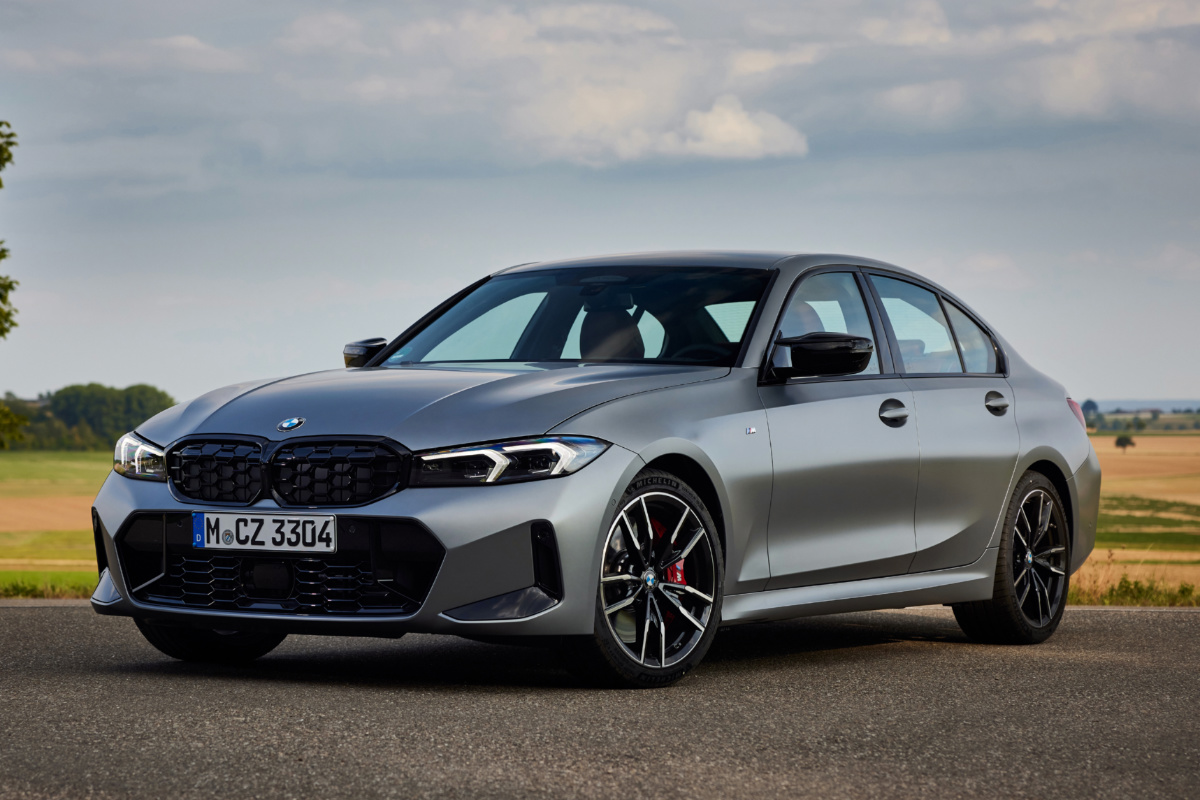
CarGurus recommends the 2023 BMW 3 Series
Summary
With 84 currently listed for sale and an average price of $38,459 CAD, 27.4% of 2023 BMW 3 Series listings on CarGurus are rated as good or great deals.
Favourably reviewed: Owners rated the 2023 BMW 3 Series 5 / 5 stars and CarGurus experts gave it an 8.67 / 10.
Why it stands out
The 2023 BMW 3 Series stands out as a refreshed version of BMW’s best-selling car, with sportier styling, interior design updates, and technology upgrades. It also keeps the driver-focused character that has long defined the model, while aiming to stay competitive in the sports sedan segment. The result is a car that should appeal to buyers who want a polished, engaging sedan with a more modern look and feel.
Among its strengths, the 2023 BMW 3 Series is noted for stylish design, great ride quality, and a quiet cabin. Those qualities make it attractive as both a daily driver and a more refined long-distance companion. The main drawbacks are that a manual transmission is not available and some interior materials feel cheap, so it is not perfect for enthusiasts who value a traditional three-pedal setup or a more upscale cabin finish.
Other model years to consider
- 2022 BMW 3 Series
- Average price: $31,666 CAD
- Good/great deal percentage: 27.6%
- User rating: 4.5 / 5
- Total listings: 87
- 2019 BMW 3 Series
- Average price: $24,586 CAD
- Good/great deal percentage: 23.8%
- User rating: 5 / 5
- Total listings: 80
- 2024 BMW 3 Series
- Average price: $43,688 CAD
- Good/great deal percentage: 32.9%
- User rating: 5 / 5
- Total listings: 73
Similar models to consider
- Audi A4
- Average price: $18,976 CAD
- Good/great deal percentage: 16.4%
- User rating: 4.54 / 5
- Total listings: 183
- Mercedes-Benz C-Class
- Average price: $27,085 CAD
- Good/great deal percentage: 32.2%
- User rating: 4.59 / 5
- Total listings: 401
- Genesis G70
- Average price: $32,057 CAD
- Good/great deal percentage: 35.1%
- User rating: 4.84 / 5
- Total listings: 57
These recommendations are based on CarGurus' proprietary market data from October 5, 2026, CarGurus experts' opinions, and generative AI.
Relevant articles

The Most Reliable Cars in Canada for 2026
Reliability is a key factor for many buyers when deciding what car to buy. Here are some of the most dependable models available in Canada.
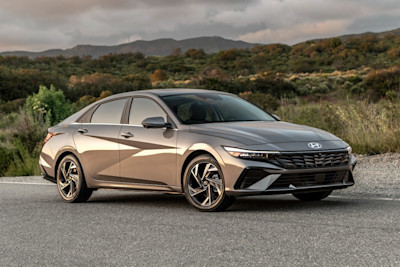
Best Sedans in Canada in 2026
For those considering a four-door, here's our ranking of the best sedans you can buy in Canada.
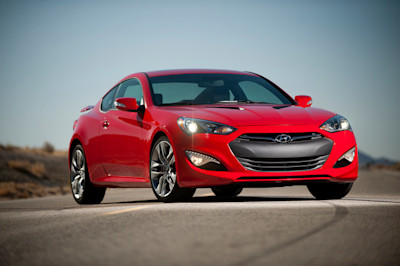
The Best Cheap Fast Cars in Canada under $10k in 2026
Looking for a fast car on the cheap? Our top 10 picks for less than £10,000 have you covered.
