Canadian drivers are embracing electrified SUVs faster than ever, and it's easy to see why. With fuel prices fluctuating and winters that demand all-wheel-drive capability, hybrid and plug-in hybrid SUVs deliver the best of both worlds: meaningful fuel savings without the range anxiety that can come with fully electric models. Whether shoppers need a compact crossover for city commuting or a three-row family hauler for the cottage country drive, there's an electrified SUV ready to meet the moment.
To help sort through the growing field of options, we've rounded up the best hybrid and plug-in hybrid SUVs available in Canada. From efficiency champions to off-road-ready trail conquerors, this list spans price points and powertrain types to suit a wide range of lifestyles. Each model has earned its spot based on real-world expertise, owner feedback, and value on the open market.
About this guide
The cars in this guide have been selected to represent the best options currently available—either brand-new or nearly new. Our recommendations are the result of a unique three-part scoring system that accounts for real-world tests from our team of expert reviewers, ratings from real-life owners who live with these cars every day, and an analysis of market data from CarGurus to identify which models offer the highest percentage of good and great deals. This combined approach ensures our list highlights cars that are not only great to own but also good value to buy. For more information, scroll to the bottom of this page.
Best Hybrid and Plug-In Hybrid SUVs in Canada in 2026

CarGurus expert rating: 8.3 out of 10
CarGurus user rating: 4.6 out of 5
Percentage of good/great deals available on CarGurus: 21.9%
Overall CarGurus rating: 4.3 out of 5
| Pros |
Cons |
| Multiple powertrain options |
Potentially polarizing design |
| Premium interior materials |
Lacks dynamic communication |
| Impressive technology |
Distracting steering wheel controls |
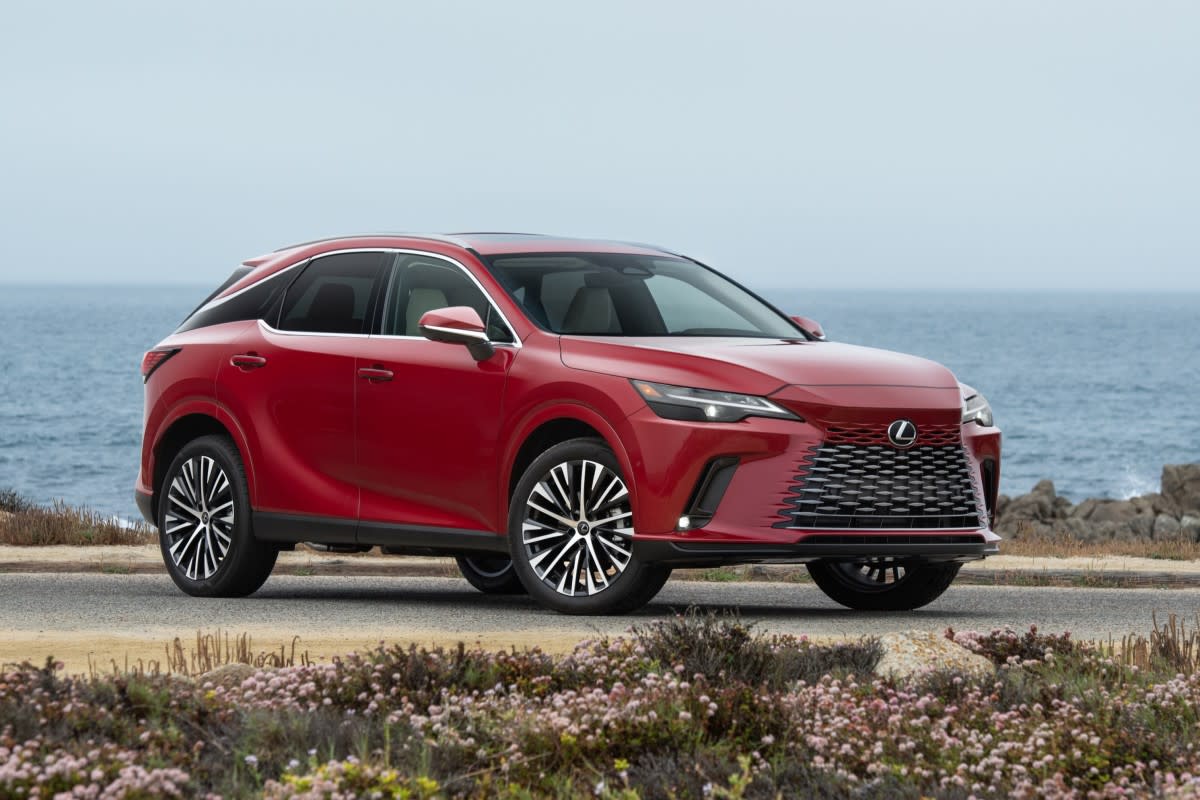
The Lexus RX Hybrid stands at the top of the luxury midsize SUV class in Canada, blending premium polish with genuine efficiency. Shoppers can pick from three electrified powertrains, beginning with the RX 350h that produces 246 horsepower and sips just 6.5 L/100 km combined. For drivers who want emission-free commuting, the RX 450h+ plug-in hybrid delivers an estimated 60 kilometres of electric-only range before transitioning to seamless gas-electric operation. Every RX comes standard with all-wheel drive, a welcome feature when winter weather sets in.
The contemporary cabin is wrapped in high-grade materials and packed with technology, including a 14-inch touchscreen on upper trims and wireless Apple CarPlay and Android Auto. Practicality hasn't been overlooked either: a hands-free power liftgate reveals 838 litres of cargo space behind the rear seats, which grows to 1,308 litres with the second row folded. Performance enthusiasts can step up to the RX 500h, which produces 366 horsepower and adds a sport-tuned adaptive suspension, while the whole lineup includes the comprehensive Lexus Safety System+ 3.0.
The CarGurus Verdict: "Though it lacks substantial competition in the luxury hybrid SUV segment, the 2025 Lexus RX Hybrid is worthy of consideration. With hybrid, performance hybrid, and plug-in hybrid (PHEV) powertrain choices, as well as a range of packages that cater to a variety of customer requirements, it checks a lot of boxes." - Christian Wardlaw, CarGurus contributor
Read our full 2025 Lexus RX Hybrid review

CarGurus expert rating: 6.7 out of 10
CarGurus user rating: 4.5 out of 5
Percentage of good/great deals available on CarGurus: 30.5%
Overall CarGurus rating: 4.3 out of 5
| Pros |
Cons |
| Fun to drive |
Noisy |
| Plug-in hybrid powertrain |
Interior materials feel cheap |
| Easy-to-use technology |
Advanced safety features are not standard |
The Jeep Wrangler 4xe brings plug-in hybrid technology to one of the most off-road-capable vehicles on the Canadian market. A turbocharged 2.0-litre four-cylinder engine teams with two electric motors and a 17.3-kWh battery pack to produce a combined 375 horsepower and 470 pound-feet of torque. With a full charge, the Wrangler 4xe travels an estimated 35 kilometres on electricity alone, making it ideal for short commutes or whisper-quiet trail exploration. When the battery is depleted, the gas engine takes over, averaging 11.7 L/100 km combined.
Inside, the four-door Wrangler 4xe houses a rugged cabin built to take a beating, with seating for up to five. Cargo capacity measures 784 litres behind the rear seats and expands to a generous 1,908 litres with the back row folded, leaving ample space for camping gear or hockey bags. Tech-wise, a responsive 12.3-inch touchscreen with wireless Apple CarPlay and Android Auto keeps drivers and passengers connected. The combination of legendary trail credentials and electrified efficiency makes this a uniquely flexible option for adventure-minded Canadians.
The CarGurus Verdict: "We like the 2025 Wrangler 4xe (and the Wrangler in general), but if you buy one with a conventional mindset regarding comfort, convenience, refinement, and sophistication, this Jeep isn't right for you. Raw, rugged, and objectively flawed, the Wrangler is about a lifestyle and image, not convenient commuting." - Christian Wardlaw, CarGurus contributor
Read our full 2025 Jeep Wrangler 4xe review
Search for Jeep Wrangler 4xe
See all
CarGurus expert rating: 6.3 out of 10
CarGurus user rating: 5.0 out of 5
Percentage of good/great deals available on CarGurus: 38.9%
Overall CarGurus rating: 4.2 out of 5
| Pros |
Cons |
| New sporty GR Sport grade |
PHEV charge port inconsistencies |
| More electric range |
Over-the-top GR Sport accents |
| Powerful |
Price |
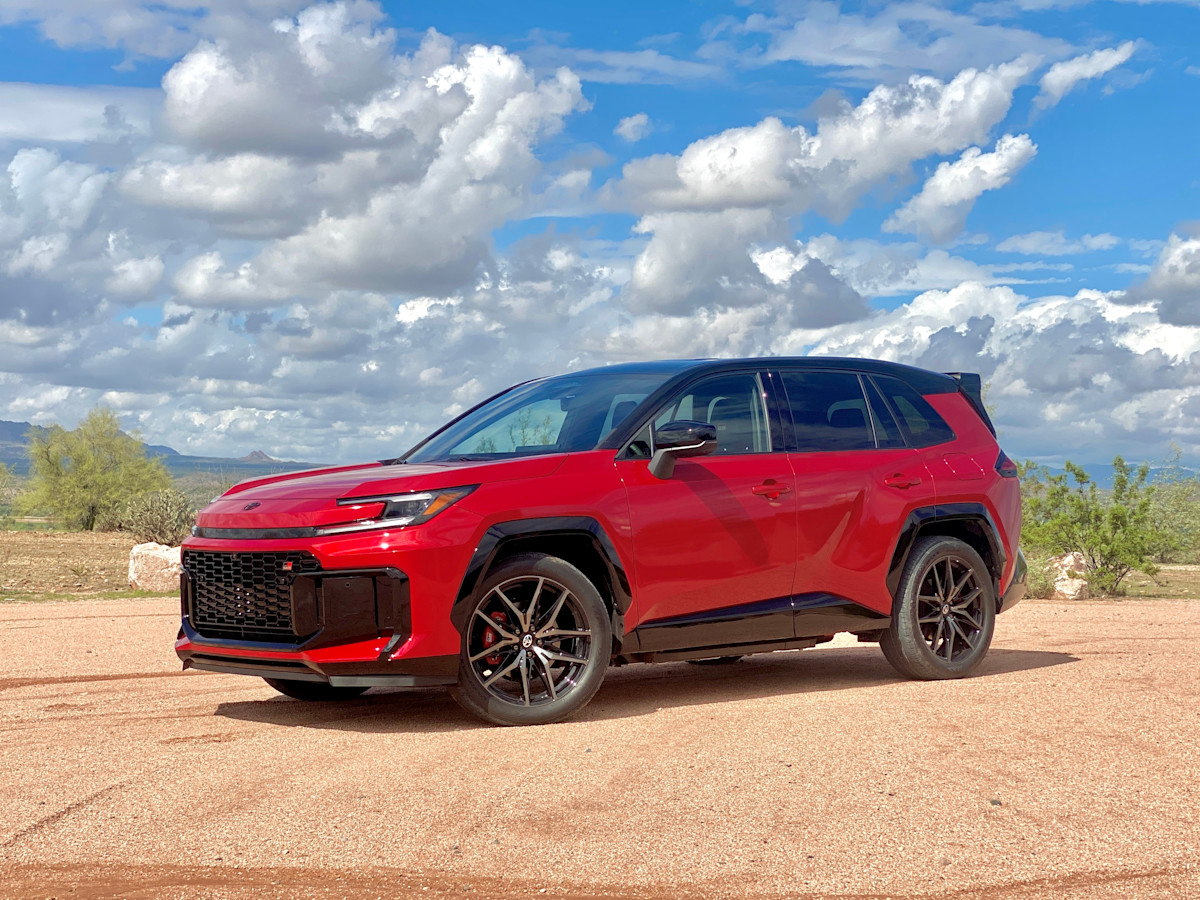
The Toyota RAV4 Plug-in Hybrid continues to set the benchmark for electrified family transportation in Canada, balancing efficiency with everyday usability. For 2026, Toyota has upsized the battery pack to 22.7 kWh, lifting the estimated all-electric range to a highly useful 80 kilometres—enough to handle most daily commutes without burning fuel. When the gas engine fires up, the updated 2.5-litre inline four-cylinder and electric motors team up for a combined 324 horsepower, making this the most powerful RAV4 yet. Standard all-wheel drive is part of the package, too.
Inside, the RAV4 Plug-in Hybrid keeps the clever storage and supportive seating that made the model a Canadian favourite. The bigger battery means there's slightly less cargo space compared to the standard gas model, but there is still a generous 951 litres behind the rear seats. Fold down the 60/40-split seatback and that grows to 1,798 litres with a flat load floor—easily enough for hockey gear or a weekend-getaway stash. Standard DC fast charging on select trims and an all-new GR Sport grade round out the appeal.
The CarGurus Verdict: "This is the best version of the RAV4, though the slightly sportier GR Sport pushes the bounds of affordability. With improved tech and a greater focus on electrification as well as available DC charging, the RAV4 Plug-in Hybrid leans forward." - Robert Duffer, CarGurus contributor
Read our full 2026 Toyota RAV4 Plug-in Hybrid review
Search for Toyota RAV4 Plug-in Hybrid
See all

CarGurus expert rating: 7.0 out of 10
CarGurus user rating: 5.0 out of 5
Percentage of good/great deals available on CarGurus: 15.7%
Overall CarGurus rating: 4.2 out of 5
| Pros |
Cons |
| Spacious third row |
Uninspired styling |
| Standard advanced safety features |
Some technology only available with a subscription |
| Multiple powertrain options |
|
For active Canadian families who need extra room without giving up fuel efficiency, the Toyota Grand Highlander is a smart pick. This three-row SUV delivers genuine adult-friendly third-row space and impressive cargo flexibility. Behind the way-back seats, buyers will find 586 litres of cargo room. Drop the third row and that climbs to 1,640 litres, and stowing all rear seats opens up a cavernous 2,761 litres.
Hybrid buyers get a choice of two electrified setups. The standard hybrid mates a 2.5-litre four-cylinder to an electric motor for 245 horsepower and an excellent 7.0 L/100 km combined. Those who want more thrust can step up to the Platinum Hybrid Max, which pairs a turbocharged 2.4-litre engine with a hybrid system to push out 362 horsepower along with standard full-time all-wheel drive—and still returns a reasonable 8.8 L/100 km combined. Either way, buyers get smooth acceleration and confident composure in all kinds of conditions.
The CarGurus Verdict: "Despite a few small foibles, the 2026 Toyota Grand Highlander is perfect for active families who need a bit of extra space and comfort." - Emme Hall, CarGurus contributor
Read our full 2026 Toyota Grand Highlander review
Search for Toyota Grand Highlander
See all
CarGurus expert rating: 7.7 out of 10
CarGurus user rating: 4.8 out of 5
Percentage of good/great deals available on CarGurus: 16.7%
Overall CarGurus rating: 4.2 out of 5
| Pros |
Cons |
| Stylish design |
Poor value for money |
| Turbocharged PHEV |
Unimpressive fuel economy |
| Impressive technology |
Unrefined driver assistance systems |
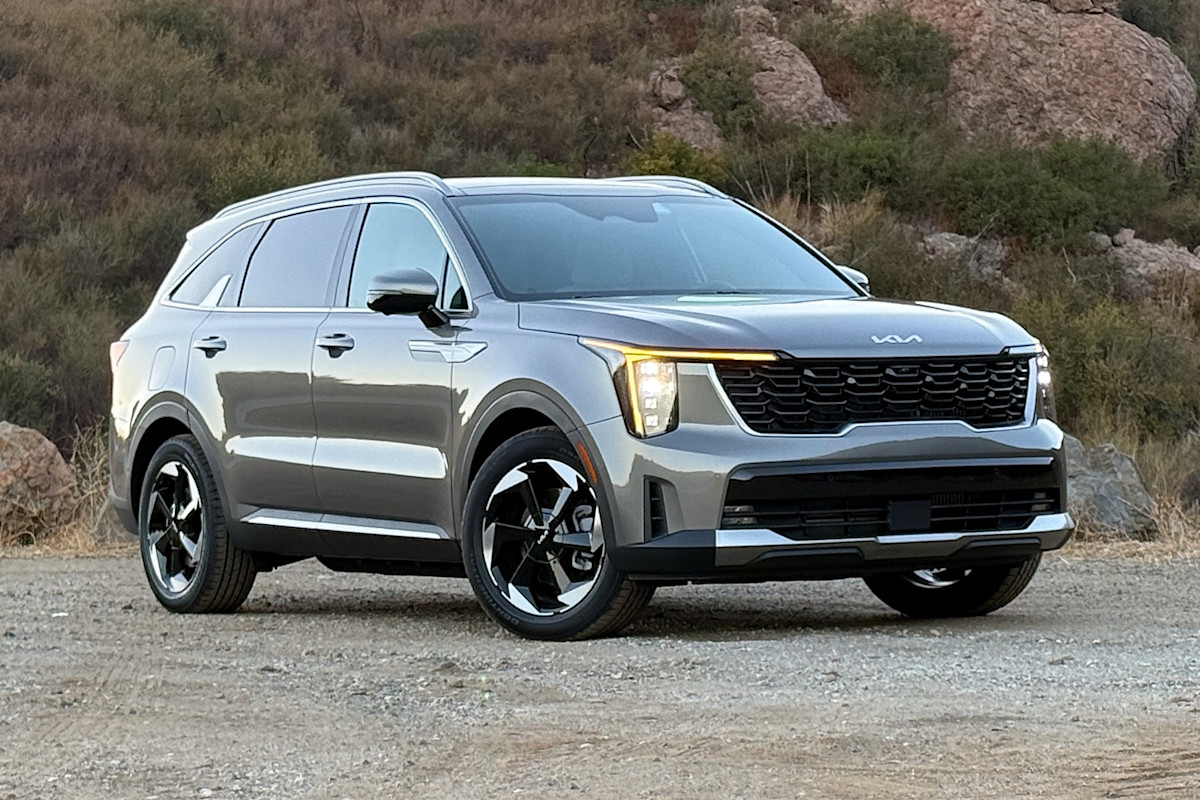
The Kia Sorento Plug-In Hybrid is a strong choice for Canadian families chasing electrified versatility in a midsize package. It offers an estimated 48 kilometres of electric-only range—perfect for daily commutes, school runs, and errands—before its turbocharged gas engine takes over for longer trips. The freshly updated interior features an eye-catching 24-inch panoramic display, wireless Apple CarPlay and Android Auto, and comfortable three-row seating for up to six. Cargo room measures 357 litres behind the third row and grows to a useful 2,139 litres with both rear rows folded.
What sets this plug-in hybrid apart from the pack is its powertrain pairing: a turbocharged gas engine matched to a conventional six-speed automatic instead of the more typical CVT. The result is a combined 261 horsepower and 258 pound-feet of torque, with crisp, satisfying acceleration off the line. Standard all-wheel drive handles slick winter roads, and the brake pedal avoids the grabby feel often associated with regenerative systems. The price premium is real, but the Sorento PHEV's standout style, tech, and driving feel make it a strong contender.
The CarGurus Verdict: "Except for its lofty price and lousy value equation, the 2025 Kia Sorento Plug-in Hybrid has few faults. Otherwise, this PHEV is stylish, practical, and easy to live with." - Christian Wardlaw, CarGurus contributor
Read our full 2025 Kia Sorento Plug-In Hybrid review
Search for Kia Sorento Hybrid Plug-In
See all
CarGurus expert rating: 7.3 out of 10
CarGurus user rating: 4.7 out of 5
Percentage of good/great deals available on CarGurus: 28.9%
Overall CarGurus rating: 4.2 out of 5
| Pros |
Cons |
| Rewarding driving dynamics |
Potentially polarizing design |
| Premium interior materials |
Advanced safety features are not standard |
| Impressive technology |
Unintuitive technology |
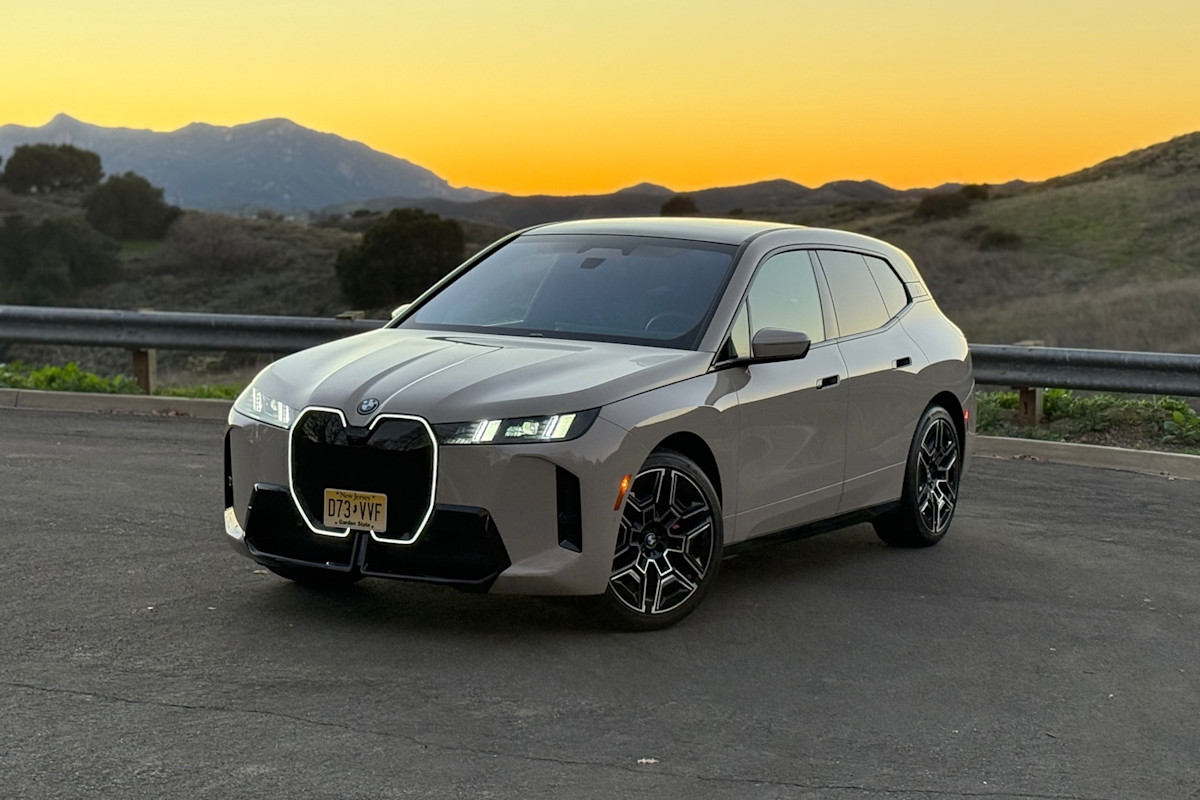
The BMW iX brings a dual-motor, all-wheel-drive setup to the luxury electrified SUV space, with the xDrive45 model delivering 402 horsepower and 516 pound-feet of torque. Natural Resources Canada estimates driving range at up to 586 kilometres, depending on the powertrain and wheel package. The 100.1-kWh battery also benefits from a standard heat pump that brings the pack up to temperature quickly in frigid Canadian conditions, helping preserve range and output when it matters most.
The cabin feels light and airy, with large, comfortable seats, standard heated front seats, and a heated steering wheel—small touches that make a big difference in winter. The cargo area measures 1,005 litres behind the rear seats and expands to a maximum of 2,205 litres with the 40/20/40 split-folding rear bench lowered. That makes the iX surprisingly capable for hauling gear, whether it's a weekly grocery run or skis.
The CarGurus Verdict: "The 2026 BMW iX is heavily reliant on its design and its relatively low base price to set it apart from this crowd. BMW has crafted an electric vehicle with a bold and polarizing design inside and out." - Christian Wardlaw, CarGurus contributor
Read our full 2026 BMW iX review
CarGurus expert rating: 8.0 out of 10
CarGurus user rating: 0.0 out of 5
Percentage of good/great deals available on CarGurus: 27.6%
Overall CarGurus rating: 3.7 out of 5
| Pros |
Cons |
| Excellent fuel economy |
Not as spacious as segment leaders |
| Powerful engine |
Engine sounds unrefined at times |
| Comfortable interior |
|
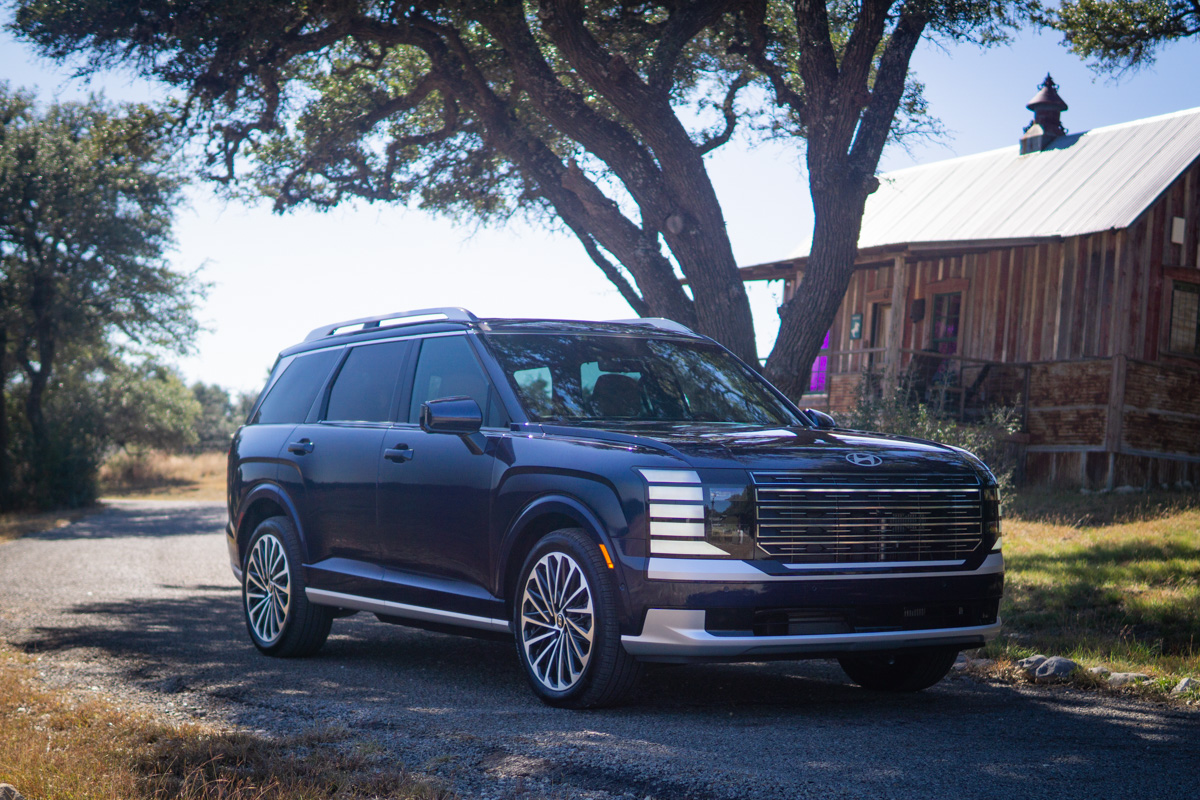
Redesigned for 2026, the Hyundai Palisade adds a hybrid powertrain to its popular three-row family SUV lineup. The Palisade Hybrid mates a 2.5-litre turbocharged four-cylinder to two electric motors and a 1.65-kWh battery for a combined 329 horsepower and 339 pound-feet of torque. The result isn't just brisk performance—it's an impressive 8.1 L/100 km combined fuel economy figure that translates to over 950 kilometres of range on a single tank.
The cabin elevates the Palisade experience with smart storage solutions and high-quality materials, particularly in the top-shelf Ultimate Calligraphy trim. The battery eats into second-row legroom a little, but the interior remains exceptionally hushed and comfortable, with 2,455 litres of total cargo capacity. Standard features include a 12.3-inch touchscreen, wireless Apple CarPlay and Android Auto, and a thorough suite of driver-assistance systems, making this a compelling all-around package for Canadian families.
The CarGurus Verdict: "Simply put, Hyundai currently sells the best mass-market three-row crossover SUV in North America. The 2026 Hyundai Palisade looks good, drives well, and feels special — and it will keep you away from the gas station, too." - Matt Smith, CarGurus Head of Content
Read our full 2026 Hyundai Palisade Hybrid review

CarGurus expert rating: 6.7 out of 10
CarGurus user rating: 0.0 out of 5
Percentage of good/great deals available on CarGurus: 0.0%
Overall CarGurus rating: 3.5 out of 5
| Pros |
Cons |
| Fuel-efficient |
Fairly pedestrian performance |
| Impressive off-road abilities |
Firm ride quality |
| Comfortable |
|
The Subaru Forester Hybrid adds a fresh layer of fuel efficiency to this rugged compact SUV, hitting a sweet spot for Canadians who want capability and lower fuel bills in equal measure. The hybrid system pairs a 2.5-litre flat four-cylinder boxer engine with two motor/generators and a 1.1-kWh lithium-ion battery for a combined 194 horsepower. Importantly, Subaru sticks with a traditional driveshaft to power its symmetrical all-wheel-drive system rather than using a separate electric motor for the rear wheels, meaning consistent year-round traction. Combined fuel economy is an estimated 6.9 L/100 km.
The Forester Hybrid has a spacious, light-filled cabin with terrific outward visibility thanks to remarkably slim front roof pillars. A standard panoramic sunroof amplifies that open feel, and the seats are comfortable for everyone on board. Behind the rear seats sits 779 litres of cargo room, accessed via a standard hands-free power liftgate. When the pavement disappears, the Forester Hybrid shines with X-Mode drive programming and intuitive hill descent control, letting it tackle rough trails that would stop most rivals in their tracks.
The CarGurus Verdict: "The new Forester Hybrid is a more efficient version of Subaru's rugged and evergreen compact SUV." - Mark Takahashi, CarGurus contributor
Read our full 2025 Subaru Forester Hybrid review
Search for Subaru Forester Hybrid
See all
FAQ
What's the difference between a hybrid and a plug-in hybrid SUV?
A standard hybrid uses a small battery and an electric motor to assist the gas engine, recharging itself through regenerative braking, and drivers never have to plug it in. A plug-in hybrid (PHEV) has a larger battery that can be recharged via a wall outlet or a charging station, allowing the SUV to drive a meaningful distance (typically 35 to 80 kilometres) on electricity alone before the gas engine kicks in.
Are hybrid SUVs worth it for Canadian winters?
Yes, particularly when paired with all-wheel drive, which most hybrid SUVs offer either standard or optionally. Modern hybrid systems include features such as battery heaters and heat pumps that help to maintain efficiency in cold weather, although both hybrids and PHEVs do see some range or fuel economy reduction in extreme cold.
How long does it take to charge a plug-in hybrid SUV?
Charging times vary by model, but most plug-in hybrid SUVs can fully recharge in about two to four hours on a Level 2 (240V) home charger. Using a standard household outlet (Level 1) typically takes eight to 12 hours, depending on the size of the battery.
Do I need to install a home charger for a plug-in hybrid SUV?
Not necessarily. Many PHEV owners get by with a standard 120V household outlet, especially if they have shorter commutes and can plug in overnight. However, installing a Level 2 home charger speeds up charging significantly and takes full advantage of the electric driving range.
Are hybrid SUVs more expensive to maintain than gas SUVs?
Generally not. Hybrid SUVs often have lower maintenance costs because regenerative braking reduces brake wear, and many hybrid components are designed for long-term durability. Hybrid batteries are typically covered by warranties of eight years or more, which provides additional peace of mind.
Can plug-in hybrid SUVs qualify for government rebates in Canada?
At the time of writing, the federal iZEV rebate program for PHEVs had been paused. However, some provinces, including Quebec and British Columbia, offer their own incentives for qualifying plug-in hybrid vehicles. Check current provincial programs before purchasing, as eligibility and rebate amounts change frequently.
What Makes CarGurus Best Cars Guides Different?
Most car-buying websites publish lists of the best cars across a variety of categories, with recommendations driven primarily by editorial expertise. Here's what makes our best cars guides different: we combine the insights and verdicts of our team of car-testing experts with other factors that we know matter to buyers—real owner experiences and current market value.
Our expert reviewers come from some of North America and Canada's most trusted automotive publications, bringing hands-on experience testing vehicles. They put each car through its paces and create detailed reviews, covering everything from form and function to performance and cost effectiveness.
But we don't stop there. We also analyze hundreds of thousands of used car listings on CarGurus.ca to track which models consistently offer the highest percentage of great deals relative to how many are listed for sale. Then we factor in user reviews and ratings gathered on CarGurus to hear from people who actually live with these cars every day. Our best cars algorithm combines expert ratings, user reviews, and the percentage of listings rated as good or great deals into a final Overall CarGurus Rating—a three-way approach that reveals not just which cars excel on paper, but which ones deliver real satisfaction and value when you're ready to buy.
*The CarGurus market data in this guide was last updated in June 2026. Values were accurate at time of publication and should be used as a guide only.*
Related Topics: