Does timing matter when you’re buying a car? Absolutely it does. The time of year, the time of the month, the day of the week, and even the time of day can all contribute to how good a deal you receive when you’re buying a car, new or used. Cars are a huge investment, so Canadians can use all the negotiating power we can get to save money as we grapple with affordability concerns.
October through December tends to be the best time of year to buy a car. If that doesn’t work for you, then the end of any given month will net you better deals, as salespeople work to meet their quotas. However, there are intricacies that go much deeper. In this article, we’ll give you a sneak peek into the inner workings of the automotive industry to let you know how timing can help you save money on your next car purchase.
When is the Best Time to Buy a Car in Canada?
- The Best Time of Year to Buy a New Car
- What is the Cheapest Month for Buying a Used Car?
- When is the Best Time to Buy a Used Car in Canada?
- Do Days of the Week Matter When Buying a Car?
- What Time of Day is Best to Visit a Car Dealer?
- Are Cars Cheaper When New Models Are Released?
- How to Shop During the Big Sales at Christmas, New Year’s Eve, and Black Friday
- When Is the Worst Time to Buy a Car in Canada?
- When Is the Slowest Season for Car Sales in Canada?
- What Are Some Tips for Negotiating the Price of a Car?

The Best Time of Year to Buy a New Car
When you’re shopping for the best deal on a new car, it’s best to target the last quarter of the year—October through December. Several factors simultaneously influence car pricing during this time, including end-of-year sales quotas and the arrival of new models. The closer to the end of December, the more salespeople will be itching to meet their annual sales targets.
Another excellent time to buy a new car is at the model year turnover, which traditionally used to happen in the fall. More recently, though, automakers have been releasing new models throughout the year, especially when launching a new generation or a mid-cycle refresh. If there’s a particular car you have your eye on and you don’t mind buying the previous year’s model, research when those turnovers are due and shop just as the new units start coming in. This is when dealerships are most willing to cut prices to make space for new cars on their lots.
If those windows aren’t an option, consider shopping for a car during long weekends and holidays when sale events are frequent. Family Day, Victoria Day, Canada Day, the August Civic holiday weekend, Labour Day, Black Friday, and Boxing Week all see decent sales as dealerships try to get more people through their showroom doors during traditionally quiet times.
Sometimes, you can’t wait for the ideal times or hottest sales to buy a car. In that case, try to get as close to the end of a quarter as you can. This would be the last week of the month in March, June, September, and December. If you’re really in a pinch, the last week of any given month is best. Salespeople have quotas to hit, so you may score a deal.
What is the Cheapest Month for Buying a Used Car?
When you’re shopping for a specific used car, the best time to buy is when you spot the one you want in good condition at a great price. This can happen all year long, so the best position you can be in is one where you’re not rushed and will have time to make rational decisions.
If you’re less committed to a specific model, the final quarter of the year—October, November, and especially December—are the best months for used car shopping. This is because dealerships are looking to boost their year-end sales figures.
January can also be a surprisingly good time to buy a used car. Dealerships often take in a surge of used cars as trade-ins during holiday season sales, and they may have more inventory to move than usual.
Otherwise, the same principles apply when buying a used car as with a new one: the end of the quarter, the end of each month, and holiday sales can all be good times to score a deal.

When is the Best Time to Buy a Used Car in Canada?
It can sometimes be cheaper to buy a car at the end of the month. This is because salespeople and dealerships typically work to monthly quotas. If it gets toward the end of the month and the dealership needs to sell a few more cars to earn a monthly sales bonus from the automaker, you’re more likely to get a great car deal. To supercharge this effect, aim for the end of the quarter in March, June, September, or December.
However, if a dealership has hit its sales goals for that month or that quarter, this strategy might not work. Shopping with a few different dealerships to see which ones have an appetite for lowering their prices during these critical windows can pay off enormously.
Do Days of the Week Matter When Buying a Car?
Weekdays—specifically Mondays, Tuesdays, and Wednesdays—tend to be the best days to visit a car dealership. These midweek days are less busy than others, so you’ll have more of the salesperson’s attention. This will give you more opportunity to ask questions and take your time negotiating your car purchase.
Days when the weather is especially rainy or snowy can also be excellent for car buying. Most car shoppers don’t find the prospect of trudging around a wet or snow-covered parking lot very appealing, so sales floors can get very quiet. But don’t buy a car off the lot, especially a used one, without a test drive and a clear look at it to assess its condition, unless you can negotiate a cooling-off period where you could return it without penalty.
What Time of Day is Best to Visit a Car Dealer?
If you’re serious about closing a deal, visit a car dealer later in the day. This gives you and the salesperson a deadline of sorts to hammer out a price before closing time. Don’t just drop in unannounced and try this, though, or you’re more likely to end up with a salesperson who’s annoyed and less interested in helping you. Instead, make an appointment for as late in the day as you can, so all sides go into the interaction with clear expectations.
Visiting a dealership later in the day can mean you’ll be shopping for cars in the dark, particularly during the winter months. Make sure you have a chance to take a test drive and look the car over in detail during daylight hours before you drive it off the lot unless you can negotiate a no-penalty return policy.
Are Cars Cheaper When New Models Are Released?
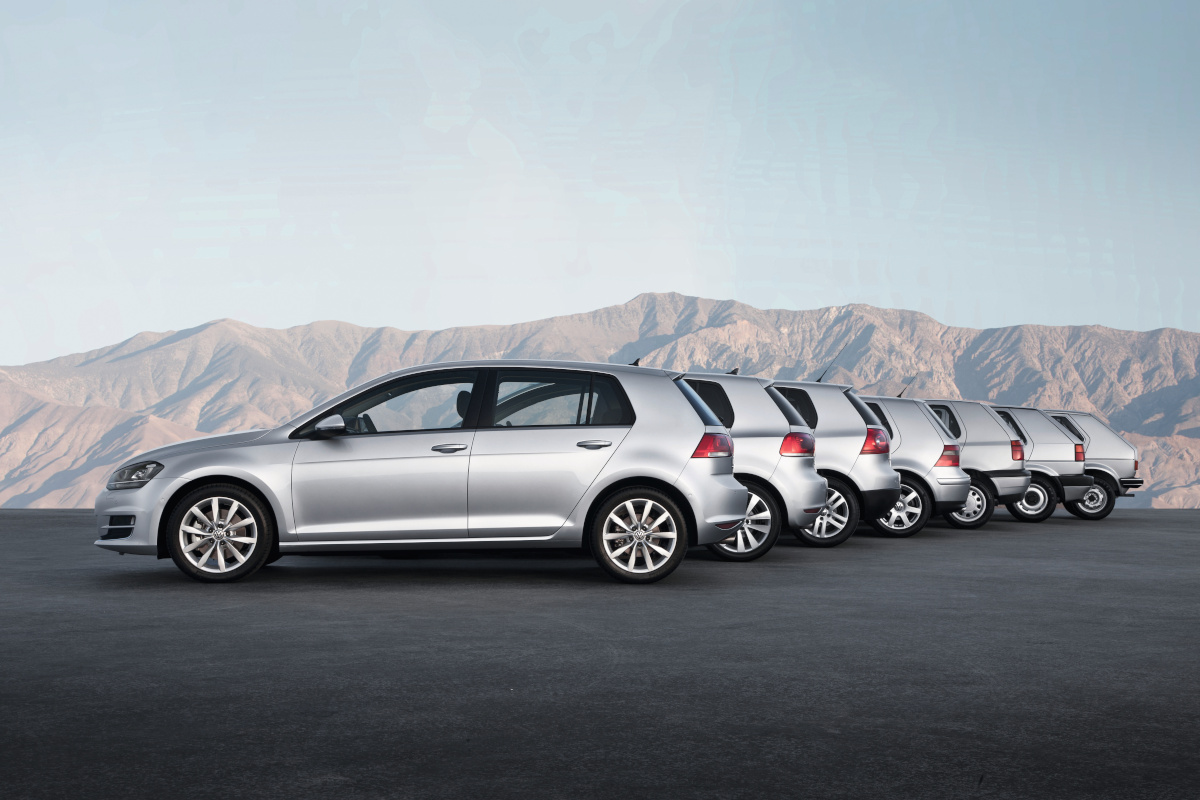
Yes. When a new model is released, cars from the previous model year will often be sold at a discount to clear space on the dealership lot. However, the pattern has changed over time. New models used to show up reliably in the late summer and early fall, but automakers now release new models all year long, especially when launching a new generation or mid-cycle refresh. This means one new model might arrive in October, while another may show up in March.
You can still snag a deal as model years rotate, but it takes a bit of research. If you’re buying a car that won’t have significant changes from this model year to the next, find out when units from the next model year are expected to arrive. You’ll be able to shop for lower prices on the previous year’s models once new ones ship to dealers. There are exceptions, but this still tends to happen consistently in the late summer and the autumn.
For a generational change or a significant refresh, the timing is less consistent. These days, some automakers release all-new models at unusual times of year to get more attention. If there’s a redesigned version of a specific car on the way but you don’t mind the older one, you could see deep price cuts once the new models arrive. A car’s generational life cycle typically lasts six to eight years, so research where the car you want is in its life cycle so you can take advantage of these opportunities.
If you prefer to drive the latest new cars and want to buy at the start of a new generation, we recommend holding off until toward the end of its first model year. Not only will this allow time for any kinks to be ironed out of the redesigned car, but it will also save you money if you time your purchase to the arrival of the following year’s models.
For used vehicles, the cycle to look for is cars that are roughly three to four model years old. This is when the earliest purchases will come off of leases all at once and be returned to dealerships. The result is higher inventory levels, which means lower demand and potential for great deals.
How to Shop During the Big Sales at Christmas, New Year’s Eve, and Black Friday
End-of-the-year sales events and rebates are important in the auto industry because they help dealerships meet their quotas. You’ll start to hear about bigger sales around mid-November—yes, even Canada has caught on to the American concept of Black Friday—and these sales events continue through December until the end of the calendar year. Cuts often go even deeper between Christmas and New Year’s Eve during Boxing Day or Boxing Week sales, so that's a great time to shop. If you can wait until New Year’s Eve, this is the day when end-of-year sales figures hang in the balance. You might find lower prices, cashback offers, and dealer incentives during this period that sweeten the pot even further.

When Is the Worst Time to Buy a Car in Canada?
Spring and early summer tend to be the least successful times to find a deal on a car in Canada, specifically April through June. This is when the weather is improving after the long winter months and people start thinking ahead to summer road trips. Tax refunds are often used as down payments on cars, so demand tends to rise as they roll in. Unless you can take advantage of a long weekend event such as a Victoria Day or a Canada Day sale, it’s best to wait until later in the year to buy a car.
On the other hand, trade-in values tend to be higher during this period as demand increases. If that’s a significant factor in your purchase, you’ll want to weigh this when deciding when to visit a dealership.
When Is the Slowest Season for Car Sales in Canada?
In Canada, vehicle sales are slowest in January and February, and they slow down again in the height of the summer months. If you choose to shop during these periods, you’re likely to have more cars to choose from and more opportunity to ask questions, since salespeople won't be as busy. Staff may also have more incentive to move cars off the lot, depending on other factors. If your dream is to own a convertible or a sports car, you could score a serious deal by shopping in the winter, when open-air driving isn’t front of mind for most buyers.
These days, SUVs are in demand all year long, so tips that suggest car buyers should seek deals during the summer months no longer apply. Instead, consider seeking out less popular SUVs or other body styles such as sedans or minivans to have a better chance at winning a deal.

What Are Some Tips for Negotiating the Price of a Car?
Do some research to understand the current state of the market before you shop for a car. If there are inventory shortages and demand is high, you won’t have as much room to negotiate on the MSRP as you might if a dealership has lots of new vehicles languishing on the lot.
You should also go into the dealership with a firm maximum on how much you’re willing to pay. Make sure this is an overall price, not a monthly payment. Salespeople will often ask for your maximum monthly payment to nudge you into a more expensive model with a longer auto loan period than you’d planned for, which can cost much more money than you realize over the long term.
Speaking of car loans, getting pre-approved before you start shopping can help give you more negotiating power.
Another factor to watch when shopping for a car is interest rates. If you negotiate a lower price up front but need to pay a higher interest rate, that car could end up costing you more than you realize. Always aim for the lowest interest rate you can by comparing financing options offered by dealerships and your bank. Also, watch the news to find out if the Bank of Canada plans to increase or decrease the overnight rate in the near future so you can plan accordingly.
If you’re buying a used car, take a look at the CarGurus.ca used car listings. Each listing includes an indicator showing whether the listed price is low, average, or high relative to the market. This can help you get comfortable with what you should expect to pay for the type of car you’re interested in buying.