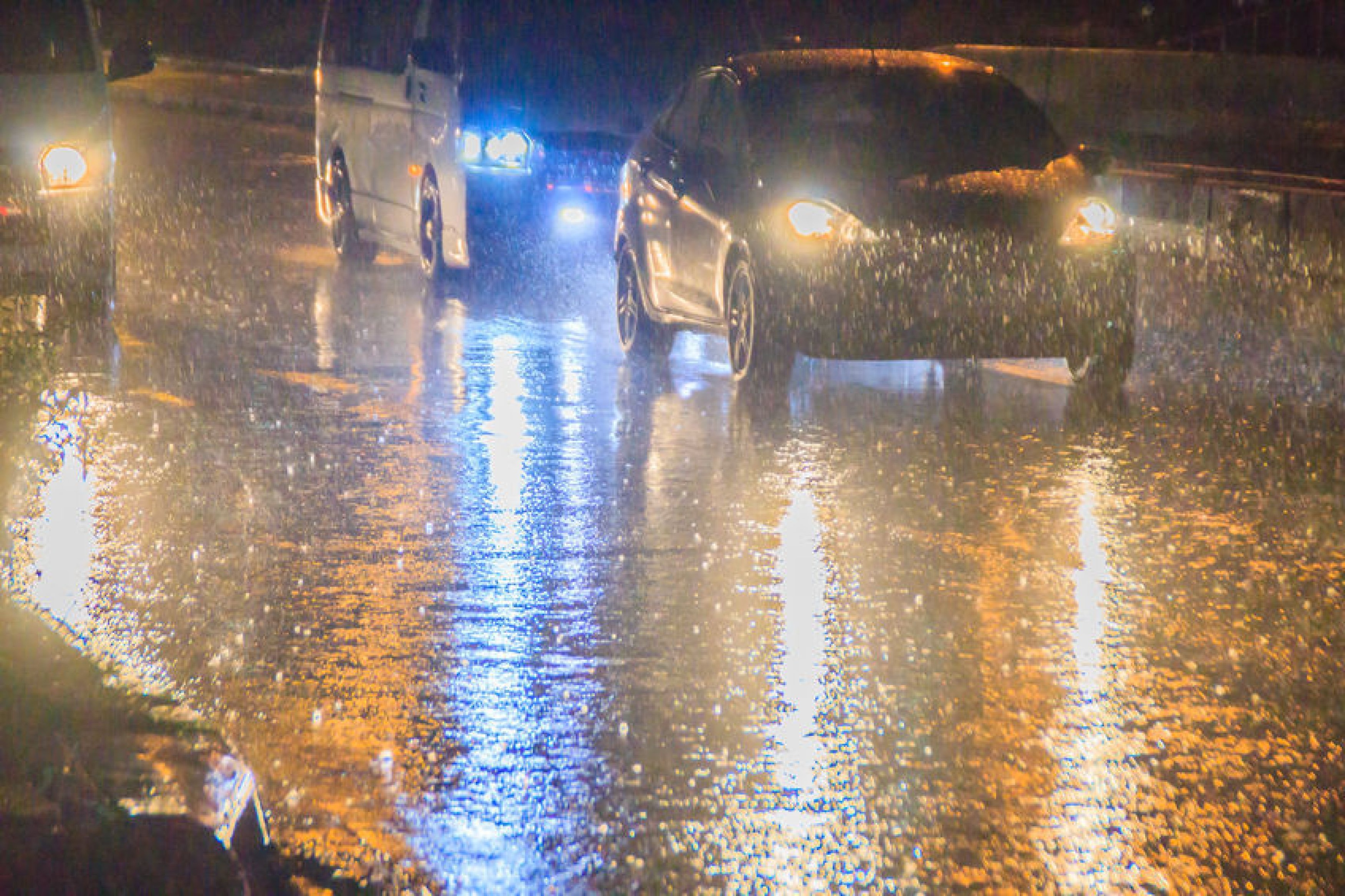
Flood damage is one of the most catastrophic events that can happen to a vehicle. In addition to longstanding causes such as ice jams on rivers, clogged storm drains, or known floodplains, Canada’s changing climate is causing heavy rain and thunderstorms to occur more often. Unfortunately, this means more Canadians need to become familiar with what to do when dealing with a flood-damaged car.
Flooded cars are very often written off in Canada, particularly if water reaches critical electrical or mechanical components. This has serious implications both for the owners of those vehicles and for people buying on the used car market, especially if your area has recently been hit with flooding. We examine what steps owners can take if their vehicle becomes flooded and how to spot a flood-damaged car when shopping for a used vehicle.
What to Do with a Flood-Damaged Car in Canada
If Your Car is Caught in a Flood
Put Your Safety First
A car is usually replaceable, but you are definitely not. If your car is already submerged under floodwaters, there’s nothing you can do to improve the situation. Plus, wading through fast-moving currents could cause you to be swept off your feet unexpectedly, resulting in injury or worse. Put your own safety first and wait until the flood has receded before you attempt to reach your vehicle.
Disconnect the Battery
When a car becomes submerged in floodwaters, its electrical systems are the most prone to permanent damage. This is especially common for components that are always powered, as they are the most likely to be affected by contact with water. If you receive advance notice of a flood risk in your area, disconnecting the battery can reduce the risk of electrical shorts after flooding, even if it doesn't prevent damage to electrical components. There is no warning with flash floods, so this should be the first step when you get back to your vehicle. First disconnect the negative terminal, then the positive terminal, and wear safety gloves and goggles for protection.
Do Not Start The Car
It’s completely natural that your first instinct with a flooded vehicle is to try to start it. Hearing the engine turn over would give you some peace of mind, right? Don’t do it. If there’s water in the engine, starting the car will create even more problems and could result in a complete failure.
It's likely that the car isn’t recoverable at all when water has reached the engine. But if you’re unsure or determined to try to save it, this is the time to call a professional unless you work on your car regularly and really know what you’re doing. You’ll want to have it towed to a trusted mechanic who knows how to deal with water damage.
Document Everything
A flood-damaged car is most likely going to result in an insurance claim, so you’ll need to gather as much information as possible. Record exactly where the car was when it flooded, the date and time of the incident, the car’s odometer reading, whether the flood was with freshwater or saltwater, and the height of the water line on the inside and outside of the vehicle as accurately as you can. Include pictures from during and after the flooding if possible, particularly if they provide visual evidence of the high-water line. You may also be asked about the car’s pre-flood condition, so be prepared to answer these questions honestly.
Report the Flooding to Your Insurance Provider (and Be Prepared for a Total Loss)
In Canada, If floodwater reaches the vehicle's interior, electrical systems, or powertrain, insurers will often determine that the vehicle is a total loss. You’d be chasing electrical and corrosion problems for the remainder of the vehicle’s life, so trying to recover that car is very likely not worth it.
Even if the waters didn’t get that high, the vehicle may be declared a total loss if repair costs approach or exceed its actual cash value, depending on the insurer's assessment.
Flooding is not typically covered under liability only auto insurance plans in Canada. To ensure your car is covered for water damage from a flood, you’ll need to add comprehensive, specified perils, or all perils coverage when setting up your plan with an insurance provider. The only time you could consider skipping this coverage is if the value of the car is low enough that it’s more cost-effective to just take the loss and buy another car. Otherwise, this additional coverage is essential (and if you take out a loan, the bank or automaker will require you to have it).
Be sure to report the flood damage to your insurance provider as soon as possible. If the flooding was widespread, expect delays in processing the claim, because insurance companies will be dealing with many claims at once.
Arrange Interim Transportation
From the time a car is flood-damaged until you’re able to replace it, you’ll need a way to get around. Your insurance policy may include coverage for use of a rental car, so check this when submitting your claim.
In the event of a larger flood, it’s possible that local rental cars will also be damaged and therefore unavailable. In a pinch, you could consider stopgap methods such as buying an undamaged and cheap used car, carpooling, using ride-sharing apps or public transportation, or borrowing a car from a family member or a friend. Be sure you’re covered under that driver’s insurance policy before you get behind the wheel.

How to Avoid Buying a Flood-Damaged Car
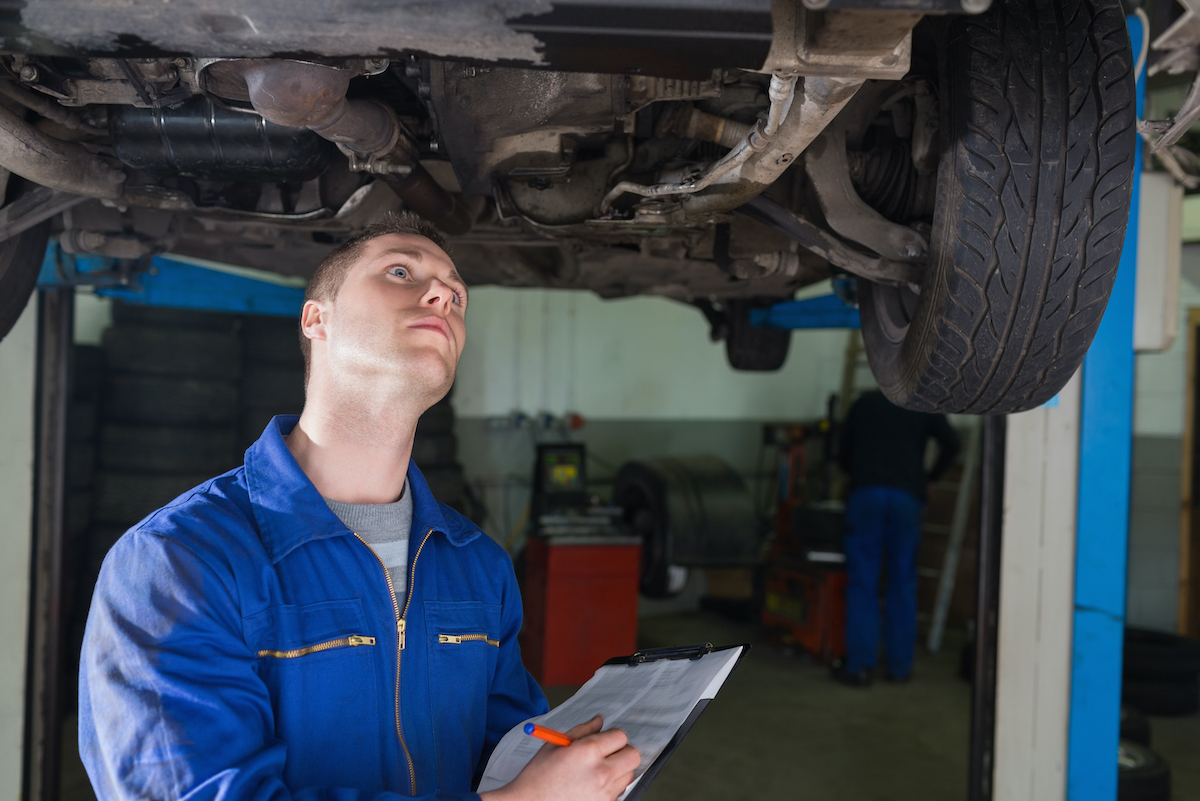
Always be vigilant about looking for signs of water contamination when buying a used car. This advice is obvious if you live somewhere that has been hit by flooding. However, that’s not the only time to keep your eyes open; water-damaged cars can easily be transported from flood-affected areas and sold to unsuspecting buyers.
Vehicles that have been branded irreparable or non-repairable cannot be registered for road use. Bad actors have been known to buy flooded cars, hide the damage with bare-minimum repairs, and sell them on without disclosing this status. Some of these sellers are known as curbsiders and make a business out of selling problematic vehicles for profit. If you unknowingly buy a flood-damaged car in a private sale, you’ll be left with a car you can’t legally drive, and you’ll have no recourse but to take the seller to court. And that’s if you can find the seller at all, as curbsiders have a habit of disappearing after their scam works.
The best way to protect yourself from is to ask for the vehicle history report. This may indicate whether the vehicle has been reported as flood damaged or carries a salvage, rebuilt, or other relevant brand, depending on the jurisdiction and available records. It will also include the vehicle identification number (VIN), which you can check against the car to ensure you’re looking at the correct report. In Ontario, this information is in the Used Vehicle Information Package (UVIP), which private sellers must provide to buyers before completing the sale. In other jurisdictions, look for this information on a third-party report such as CARFAX.
Signs of Flood Damage in a Vehicle
Any of these signs in a used vehicle are red flags that it may have flood damage:
-
Odours that are musty, mouldy, or smell of mildew
-
Water stains or mould on floor mats or upholstery, particularly under the mats and below the seats
-
Rust on exposed screws, especially the seat-mounting screws, or evidence that these screws have been removed to replace the seats or air out the vehicle
-
A visible waterline on the lights or around the inside of the engine compartment
-
Caked-on mud or grime in crevices around the rocker panels or door sills
-
Engine oil with a milky appearance
-
An air filter that appears formerly waterlogged and soggy

Conclusion
Whether you’re stuck with one after a disaster or trying to avoid ending up with one, flood-damaged vehicles are serious headaches. Be sure to follow your insurance company’s instructions if you have a flooded vehicle, and take steps to protect yourself from buying one when shopping for a used car.