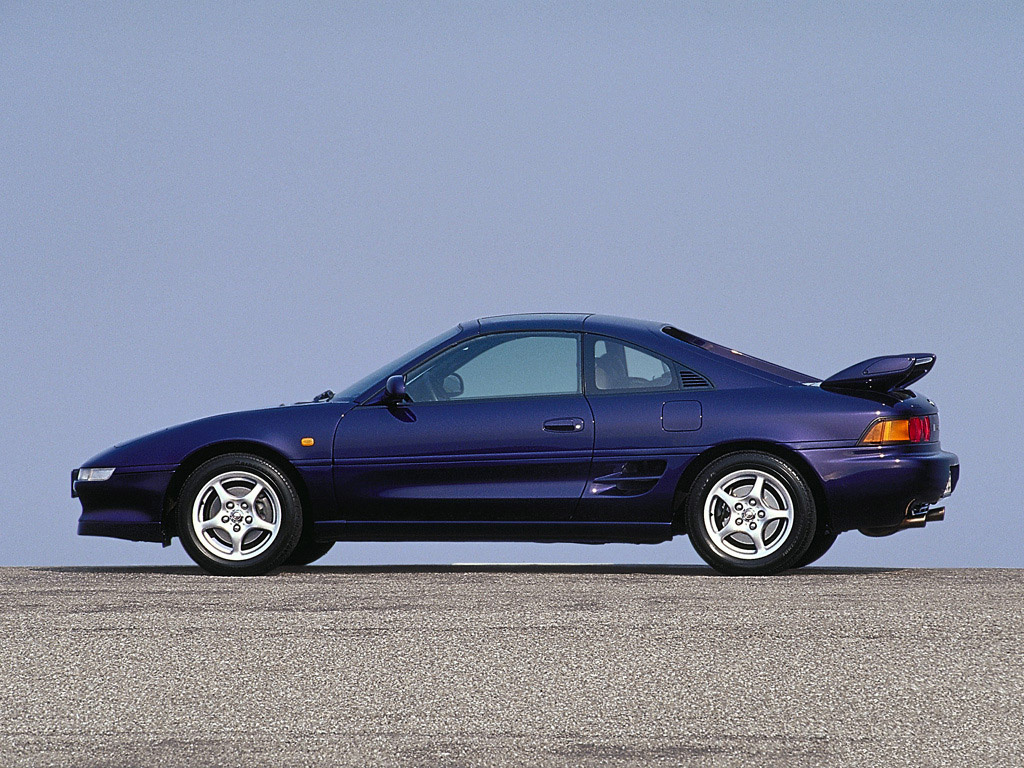
The Japanese car evolved again with the times in the mid-1980s, when a front-wheel-drive platform was introduced with modern and aerodynamic styling. Toyota took the Celica racing in the World Rally Championship, developing a turbocharged four-wheel-drive version known as the Celica GT-Four (known in Canada as the Celica Turbo 4WD and in the U.S. as the Celica All-Trac Turbo). The factory rally car took Carlos Sainz to two world championships in 1990 and 1992.
The Celica had one last evolution for the new millennium, complete with modern styling and a high-revving four-cylinder. This seventh generation arrived just in time for the Fast and the Furious crowd looking for a sport compact car to personalize and modify.
No matter the era, the Celica stayed true to the same formula: two doors, sleek styling, and Toyota dependability and reliability. Those looking for a sporty two-door coupe without spending a fortune could always turn to the Celica.
Toyota Celica Buying Guide: Cost, Reliability, and the Best Years to Buy
Frequently Asked Questions
Which Toyota Celica years are the best?
The sixth-generation Celica from 1994 to 1999 is widely considered to be one of the best Toyotas ever made. Cars from this era were incredibly reliable with sleek 90s styling and just enough performance to be fun.
What are the worst Toyota Celica years?
The seventh generation from 2000 to 2005 could be considered the worst Celica generation. The 2000 to 2002 model years are particularly troublesome because they have issues will oil sludge and burning. The second and third generations can also be a challenge to own due to limited parts availability.
Is a used Toyota Celica a good deal?
Yes, the Celica can be a good deal. Toyota designed it to be cheap and reliable, and that generally holds true today. However, the Celica does have a cult following among enthusiasts, so prices can be quite high for the desirable years and models.
Toyota Celica Pros and Cons
Pros:
- Fun to drive
- Stylish exterior
- Reliable
Cons:
- Not quite fast enough to be a sports car
- Not especially practical
- Limited availability on the used market
Toyota Celica Generations
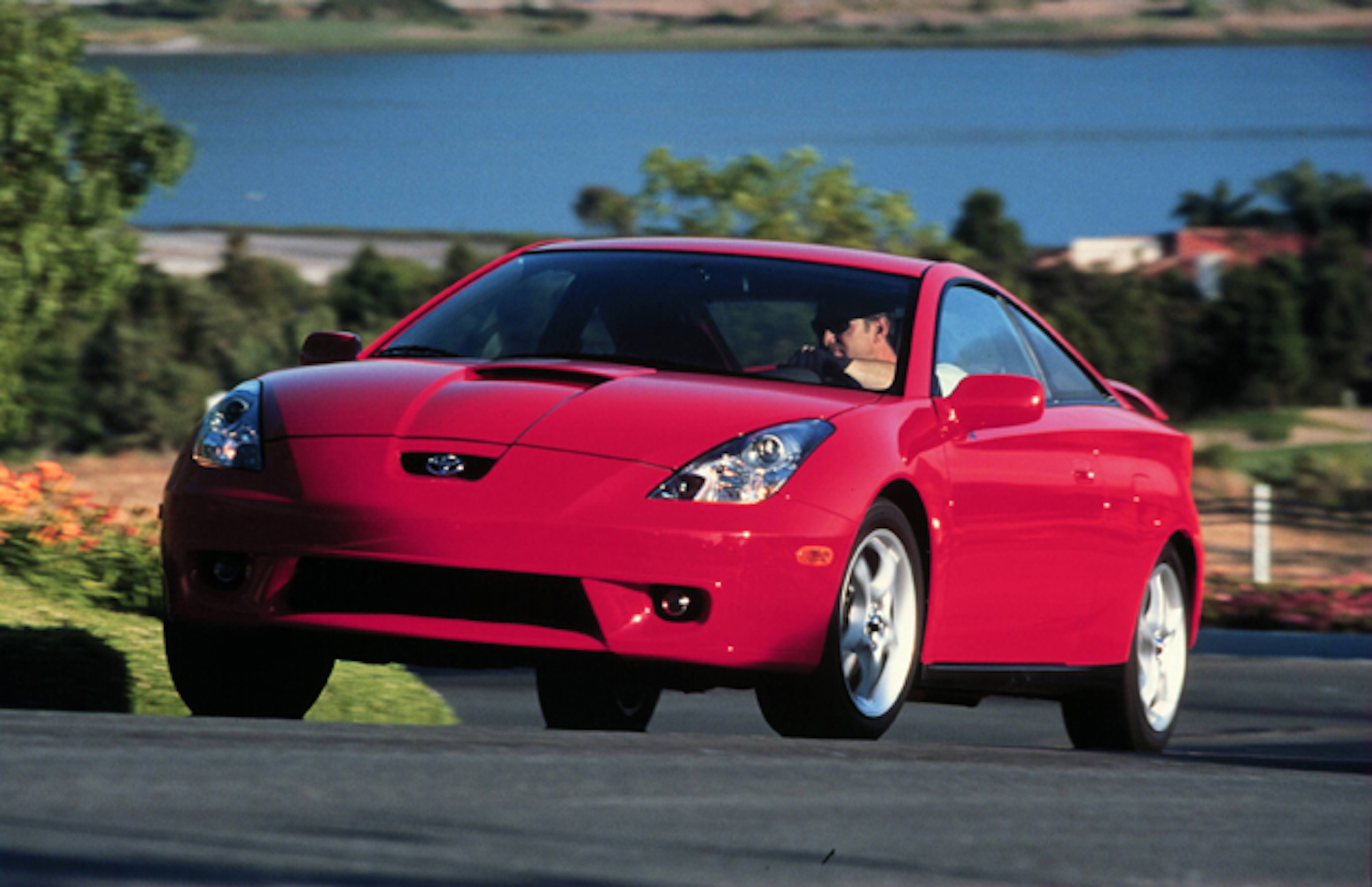
Seventh Generation (2000-2005)
With modern styling, sharp edges, and soft contours, the new Celica was lighter, more powerful, and cheaper than its predecessor. Designed at Toyota’s Southern California CALTY studio, the seventh generation was only available in two-door liftback form.
The seventh generation was only available in two trim levels: the base model GT and the sporty GT-S. For the GT, power came from a 1.8-litre four-cylinder engine with VVT-i (variable valve timing) making 140 horsepower, paired with either a five-speed manual or a four-speed automatic transmission. The GT-S got a different engine, a zingy 1.8-litre four-cylinder known as the 2ZZ-GE and developed in conjunction with Yamaha. It produced 180 horsepower and could rev all the way to 7,800 rpm thanks to Toyota’s VVTL-i variable valve timing system. Transmission options were either a slick-shifting six-speed manual or a four-speed automatic transmission with shift buttons.
The seventh generation quickly became a hit with the sport compact tuner crowd. To keep up with demand, Toyota launched a line of aftermarket parts from its TRD performance division that could be installed by the dealer. The Action Package was launched in 2002, giving the Celica more aggressive styling thanks to a body kit with updated bumpers, side skirts, and a taller rear spoiler.
The 2003 model year brought a mid-cycle refresh, giving the Celica an updated front end with a new grille, front bumper, and lighting, and available HID headlights. Inside, the interior also received a mild update, and a new JBL sound system was standard on the GT-S and optional on the GT.
Seventh-generation Celicas are generally very reliable and efficient. The base GT with the 140-horsepower engine is prone to burning oil, but that can be managed by regularly checking and topping up the oil level. The GT-S’s 2ZZ-GE engine also has problems with the oil system, and it can be prone to oil starvation during hard cornering. The oil pump can also be prone to failure at high revs. Luckily, there is aftermarket support for these issues.
It was quite easy to modify these cars from new, both with factory TRD and other aftermarket parts. As such, finding an original, unmodified example can be a challenge.
If you find any Toyota Celica on the mainstream used car market in Canada, it’s almost certain to be this generation. Pricing for the seventh generation Celica can vary but generally lands between $5,000 and $15,000 with lower-kilometre cars in better condition being at the higher end of that range.
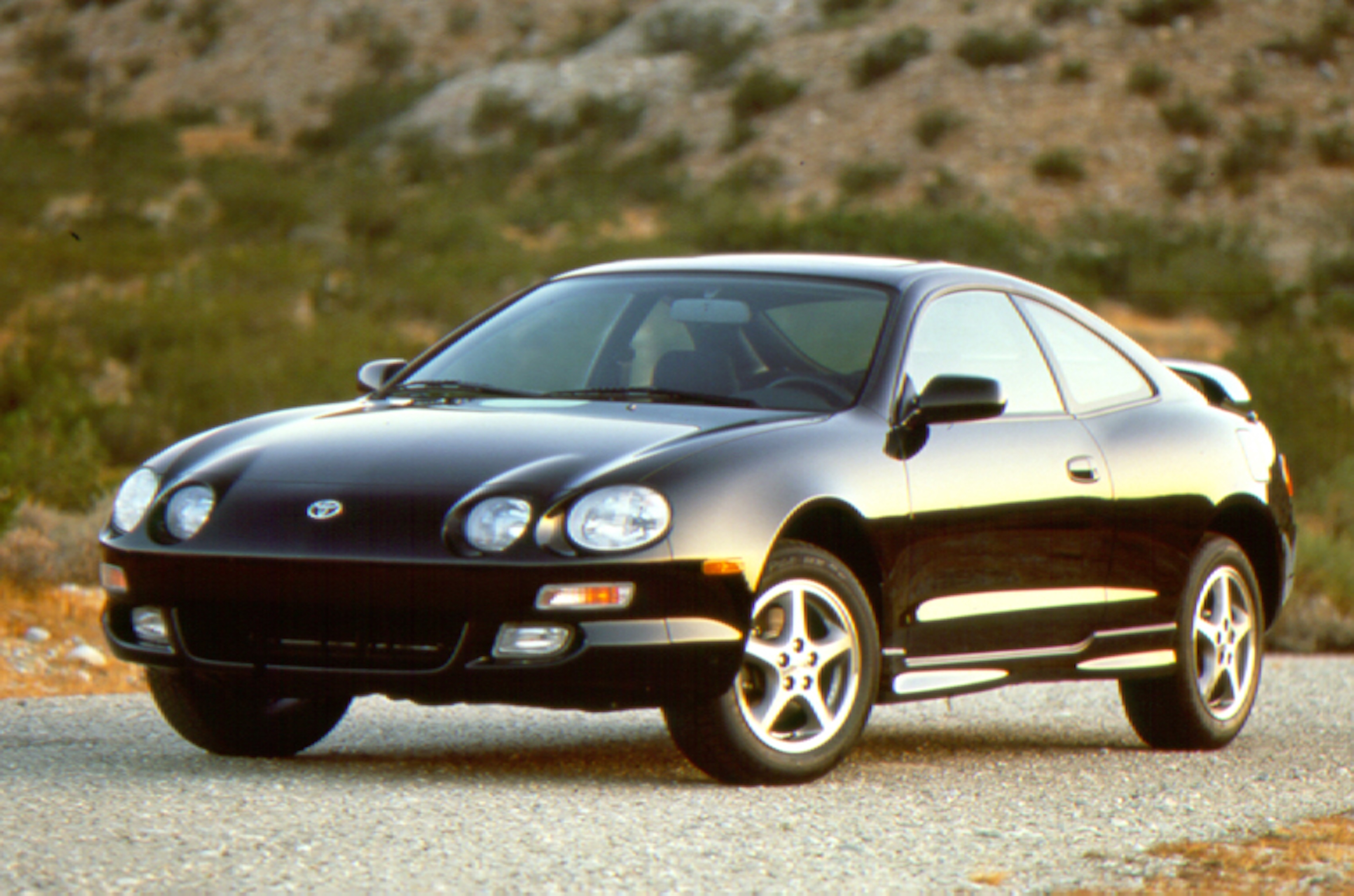
Sixth Generation (1994-1999)
Introduced for the 1994 model year, the sixth-generation Celica was more evolution than revolution. The exterior was much sleeker and more streamlined with quad headlights replacing its predecessor’s pop-up headlights.
While the sixth generation was longer and lower than its predecessor, the model line up was trimmed down. This Celica was only available in front-wheel-drive ST, GT, or GT-S trim levels in either notchback two-door or liftback three-door body styles. The WRC-ready Turbo 4WD was no longer offered in Canada, although it lived on as the Toyota Celica GT-Four in other markets.
Two four-cylinder engines were available: a 1.8-litre four-cylinder producing 110 horsepower for the ST trim and a more powerful 2.2-litre four-cylinder producing 135 horsepower for the sportier GT and GT-S trims. Either engine could be paired with a five-speed manual or a four-speed automatic transmission.
In 1995, Toyota introduced a convertible to the lineup, available only in GT trim with the more powerful engine. Standard spec included a five-speed manual transmission, four-wheel disc brakes, and a CD player. A four-speed automatic transmission and anti-lock brakes were optional.
The 1996 model year received a mild refresh with a new rear spoiler, taillights, and front fascia. Toyota celebrated 25 years of the Celica with the 25th Anniversary ST Limited Liftback and the GT Convertible. Changes for the remaining years were minimal. The notchback coupe was discontinued in 1997, and the ST was discontinued in 1998, leaving only the more powerful models.
The sixth generation quickly earned a reputation for reliability and efficiency. Mechanically, the drivetrains are shared with either the Corolla (the 1.8-litre engine) or the Camry (the 2.2) and are widely considered bulletproof. That said, most of the problems with these cars now are due to age, but be sure to check when the timing belt was last changed.
Toyotas of this era are prone to rust, so they’re a rare find in Canada today. We were not able to locate any examples of this or earlier Celicas in our research for this guide, but all generations now qualify for import into Canada under classic car exemptions. Look out for which side the steering wheel is on as Japanese domestic market (JDM) examples have been regularly imported to North America. A sixth-generation GT-Four can now be legally imported, owned, and driven, if you’re okay with right-hand drive.
In the United States, the sixth-generation Celica is closing in on collector car territory. Low-mileage models can fetch up to USD$20,000, while good examples can be found between USD$5,000 and USD$10,000 depending on mileage and condition.
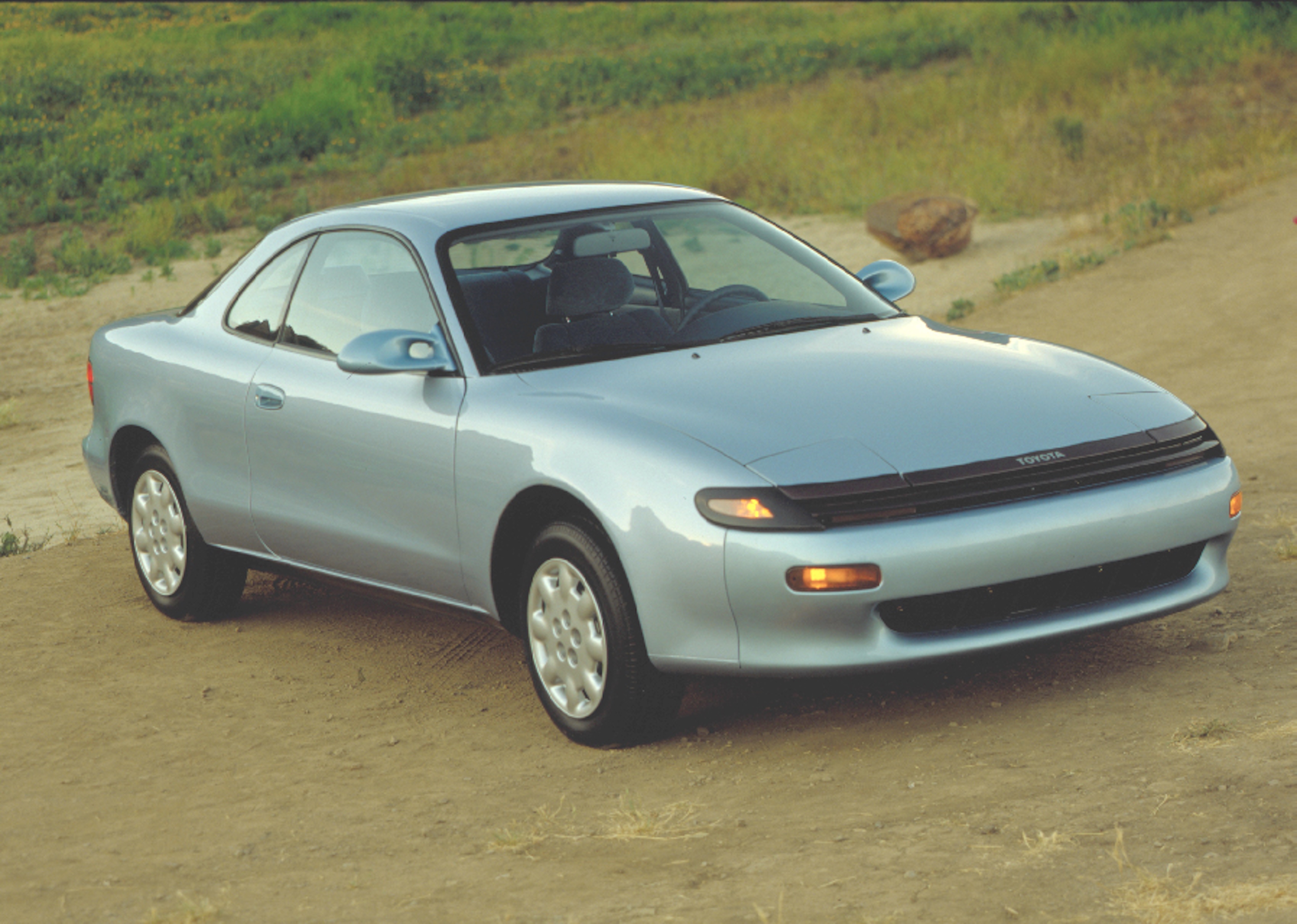
Fifth Generation (1990-1993)
Toyota went to great lengths to update the fifth-generation Celica to fight off competition from the likes of Ford, Honda, Nissan, and Mitsubishi. Its distinctive exterior styling — complete with slick lines and pop-up headlights — was impressive.
The 1990 Celica was available in four trim levels: a base model ST, the sportier GT and GT-S, and the rally-ready Turbo 4WD. The base ST came standard with a 1.6-litre engine producing 103 horsepower and driving the front wheels. The GT and GT-S models were equipped with a 130-hp 2.2-litre engine, also powering the front wheels.
The Turbo 4WD was the Canadian name for the Celica GT-Four, which was built to homologate for rallying and was drastically different from its ST and GT brothers. The Turbo 4WD was equipped with a turbocharged four-cylinder engine, known internally as the 3S-GTE. For the fifth generation, it produced 200 horsepower and powered all four wheels through a five-speed manual transmission. From the outside, the Turbo 4WD got flared fenders and a hood scoop to differentiate it from the regular Celica. When new, the Turbo 4WD cost twice as much as the base ST, and today the difference is even greater — if you can find one.
The fifth-generation Celica was available in a variety of body styles: a two-door notchback coupe, a three-door hatchback coupe, and a convertible for the 1991 model year. Two different body widths were also available; the ST and GT trims were known as narrow-body, while the GT-S and the Turbo 4WD got a wide body based off the liftback three-door. The latter are just over 6 centimetres wider than the lower trims, resulting in a wider track for improved handling.
Toyota introduced a mid-cycle refresh for the 1992 model year. Exterior changes were minor, including updated rear taillights and new standard fog lights for the GT. Under the skin, the changes were more substantial; all models received a new catalytic converter, a stiffer suspension system, and an improved shifter and gear linkage. The GT and GT-S got more power, too, as the four-cylinder engine produced an improved 135 horsepower and 145 lb-ft of torque.
Fifth-generation Celicas have a good reputation for reliability, and today’s concerns generally relate to age. Rust is common, which is why these are so hard to find in Canada, so be sure to inspect thoroughly around the rocker panels and behind the rear wheels. Powertrains for the front-wheel-drive ST, GT, and GT-S are reliable and shared with the Corollas and Camrys of the era. The Turbo 4WD is a separate beast altogether; while the motors are reliable, parts availability can be tricky given its relative rarity.
In the U.S. market, prices are variable with age and condition being the biggest factors. The wide body GT-S and Turbo All-Trac (the American-market name for the Turbo 4WD) command a premium, so expect to pay between USD$10,000 and USD$15,000 for a good example of a GT-S while the Turbo All-Trac can range anywhere from USD$15,000 to USD$30,000. STs and GTs can be found for less than USD$10,000 with the convertibles fetching a little more.
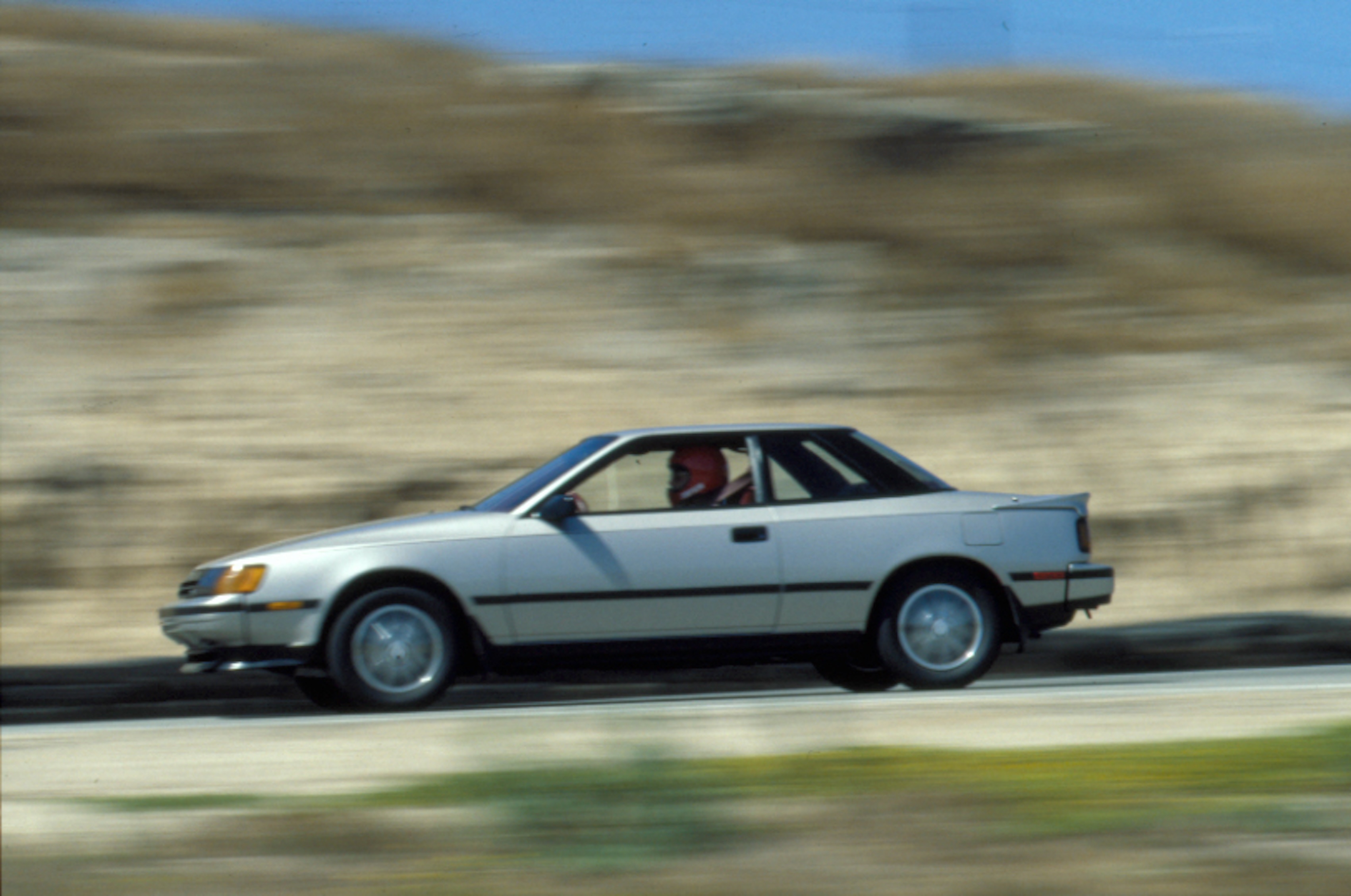
Fourth Generation (1986-1989)
The fourth-generation Celica was an all-new design based on a front-wheel-drive platform shared with the Toyota Corona. Exterior styling was fresh yet still familiar in that Toyota way with pop-up headlights and a rounder body. Initially offered in ST, GT, and GT-S trims, the Celica was available as a notchback two-door coupe, a three-door liftback coupe, and as a convertible from 1987.
All fourth-generation Celicas were equipped with a 2.0-litre four cylinder engine in varying states of tune. The base ST used a single overhead cam engine shared with the Camry that produced 97 horsepower. The GT used this same engine at launch but was upgraded in 1987 to a twin-cam motor producing 125 horsepower. The sporty GT-S got a twin-cam four-cylinder engine that produced 135 horsepower at 6,800 rpm. The ST and GT models could be specced with a five-speed manual or a four-speed automatic from 1987, while the Celica ST was manual-only at launch and the GT-S remained manual-only in Canada. To match the sporting intent, the GT-S was equipped with four-wheel disc brakes, while the ST and the GT made do with discs up front and drum brakes at the rear.
The rally ready Turbo 4WD — known as the Turbo All-Trac in the U.S. and GT-Four in the rest of the world — arrived in for the 1988 model year. Built as a homologation special for rallying, the Turbo 4WD came standard with full-time all-wheel drive and a turbocharged engine rated at 190 horsepower and 190 lb-ft of torque. Standard equipment included a locking centre differential, a front strut tower brace, and leather seats. The Turbo 4WD was well-received by journalists of the time, although the premium price and motorsport lineage failed to make a lasting impression with buyers.
Toyota’s reputation for reliability also applies to the fourth-generation Celica. These cars are pretty old and were always fun and cheap runabouts, so deferred maintenance is something to watch for. Rust can also be a problem, which is why these are a rare find in Canada today. Parts availability is also a concern, especially Celica-specific exterior components.
These cars are reaching deeper into collector car territory as they age and become rarer. On the U.S. used car market, good examples of a GT-S can reach USD$15,000, while a U.S. All-Trac Turbo can fetch upwards of USD$20,000 if you can find one. Lower trims can be found for less than USD$5,000 depending on condition with the convertibles commanding a premium.
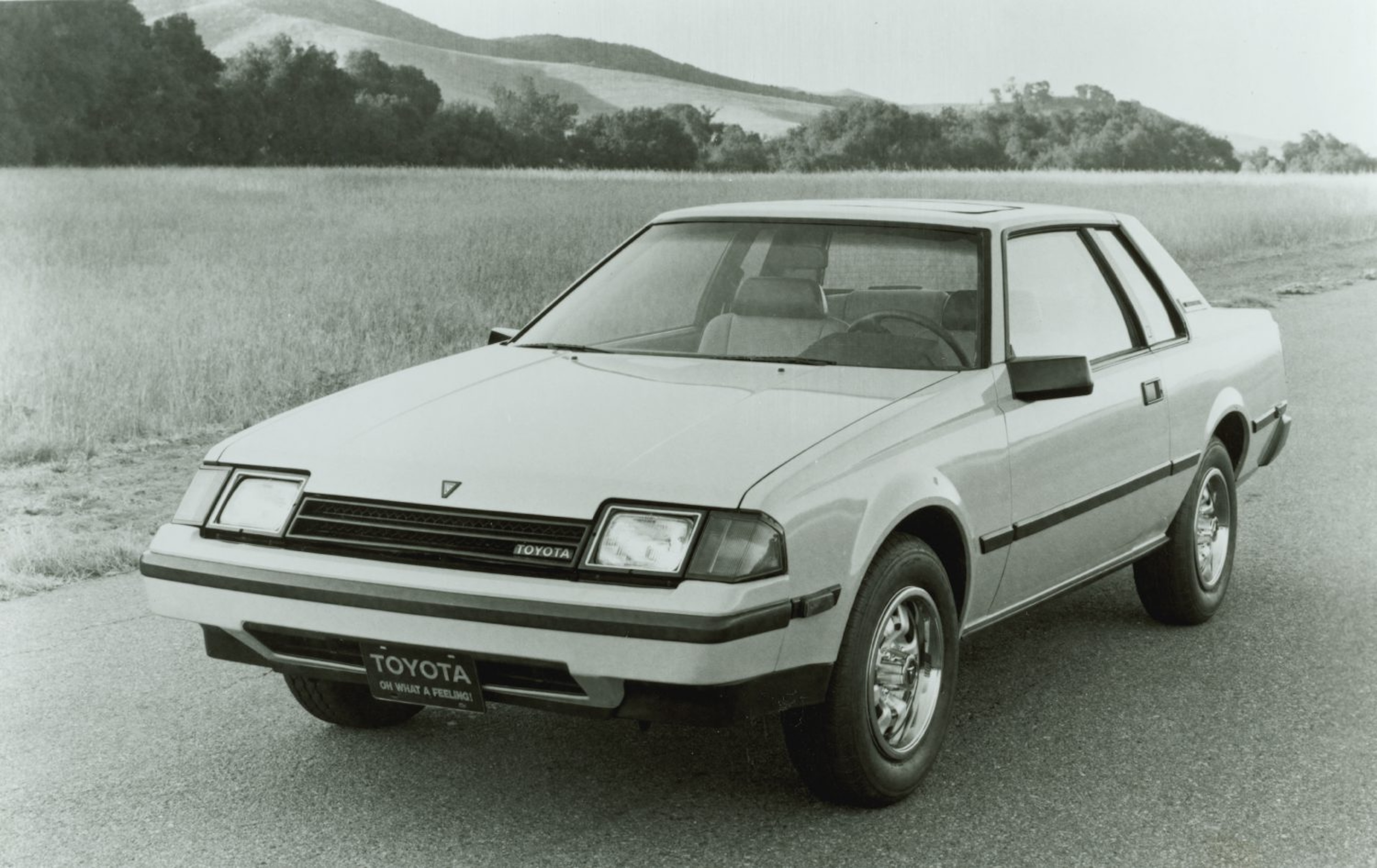
Third Generation (1982-1985)
The third-generation Celica was introduced for the 1982 model year with fresh styling ready for the 1980s. Underneath, it was still based on a front-engined, rear-wheel-drive platform like its predecessors. It was available as a two-door notchback and a three-door liftback, while a convertible launched for the 1984 model year.
Available in ST, GT, and a sporty GT-S trim, all were powered by a 2.4-litre four-cylinder engine that produced 117 horsepower and 128 lb-ft torque and paired to either a five-speed manual or a four-speed automatic transmission. The sportiest GT-S was the enthusiasts’ choice with bigger tires and flared fenders.
The iconic Supra nameplate was still part of the Celica family in the early 80s and, from the A-pillar back, the Supra and the GT-S were identical. However, the Celica Supra got a different front end with pop-up headlights and a larger and more powerful six-cylinder engine, and the wheelbase was stretched to accommodate the bigger drivetrain. Its 2.8-litre six-cylinder engine produced about 160 horsepower depending on the model year, and it could be paired either with a five-speed manual or a four-speed automatic.
You’ll almost certainly need to shop south of the border to snag one of these. Pricing for the third-generation Celica can be difficult to define because of its rarity. The Celica Supra commands a premium due to the badge and the more powerful six-cylinder engine, so expect to pay more than USD$20,000 for a good example with prices nearing USD$30,000 depending on mileage and condition. The lower-end models are becoming rarer than the Celica Supra, and low-mileage examples in good condition can fetch more than USD$15,000 at auction. If you’re okay with a higher mileage, you should be able to find one for about USD$5,000.
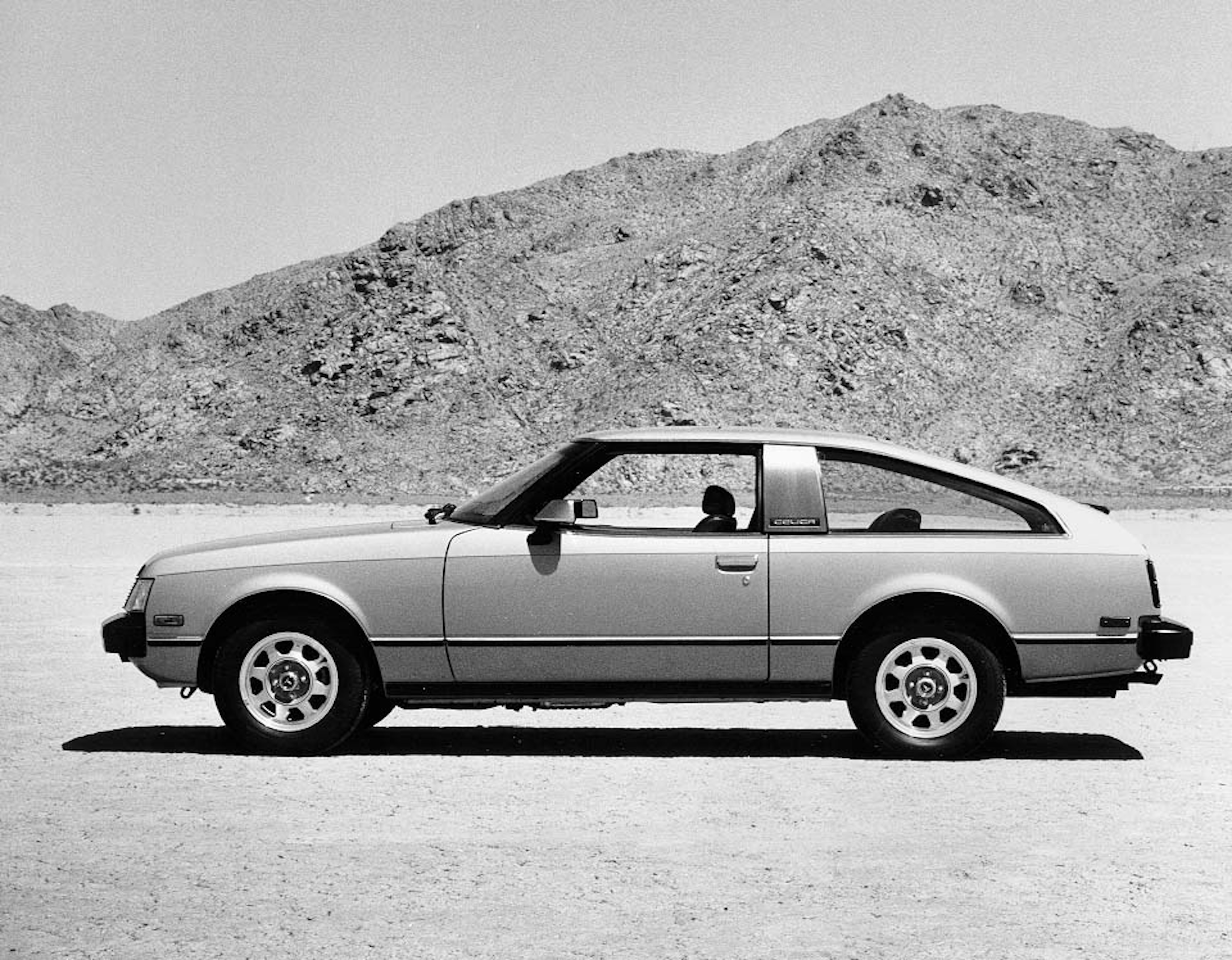
Second Generation (1978-1981)
With fresh new styling out of Toyota’s California design studio, the second-generation Celica met all federal emissions and safety standards set for the 1980 model year when it was released in 1978. Like the original, the second generation was based on a front-engined, rear-wheel-drive platform. It was available in two body styles: a two-door notchback coupe and a three-door liftback coupe.
Two trims were available at launch, the ST and GT. The only available engine was a 2.2-litre four-cylinder producing 96 horsepower and 120 lb-ft of torque. While performance was lacking, fuel economy was superb at 7.6 L/100 km on the highway. Transmission options were either a three-speed automatic or a five-speed manual, and a four-speed automatic was available from 1981.
The Supra nameplate was introduced in 1979 as the Celica’s top-end trim (remember, this was long before the launch of Toyota’s luxury arm, Lexus). Instead of a four-cylinder motor, the Celica Supra got a larger and more powerful six-cylinder engine, which required Toyota to lengthen the wheelbase. As the high-end option, the Celica Supra was available with either a five-speed manual or a four-speed automatic transmission. Inside, buyers could equip power windows, door locks, and cruise control.
Second-generation Celicas are now difficult to find anywhere in North America with most examples being in the United States. Collector-quality units can fetch up to USD$25,000 at auction with good drivable examples going for between USD$5,000 and USD$10,000. The GT trim will always be more desirable than the base ST trim. Expect to pay about USD$15,000 for a Celica Supra depending on mileage and condition.
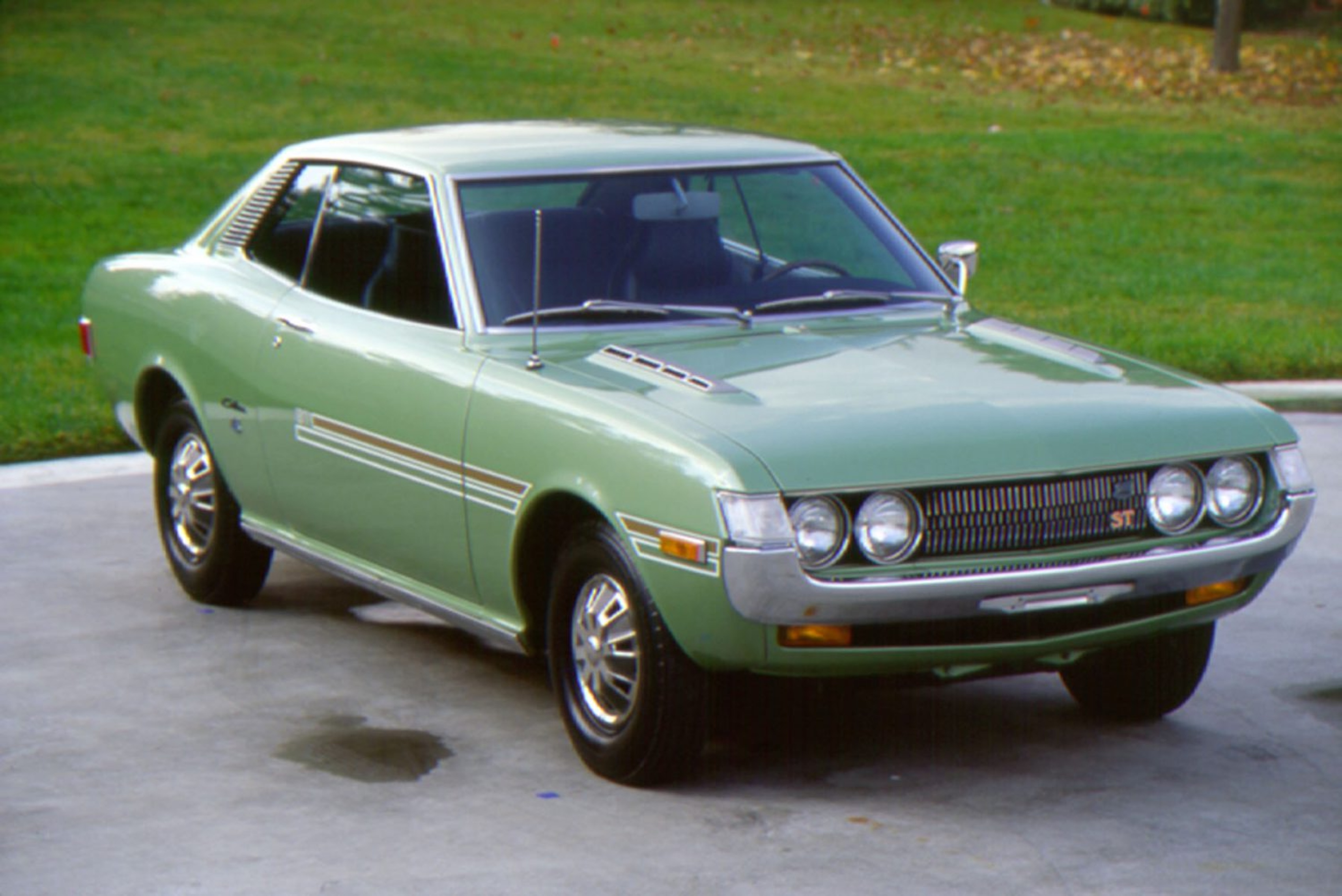
First Generation (1971-1977)
The birth of an icon: the first-generation Celica was launched for the 1971 model year and aimed squarely at North America. It was Japan’s answer to the Ford Mustang, an influence you can see in that coke-bottle profile. Like the Mustang, the Celica also had pedestrian roots as it was based on the Carina sedan but with a sporty edge.
For the 1971 model year, the Celica was only available as a pillarless two-door coupe with a 1.9-litre four-cylinder engine. Transmission options were a four-speed manual or a three-speed automatic.
A bigger 2.2-litre four-cylinder engine arrived in 1972, and the GT and LT trims were introduced in 1974. The GT was the muscle car package with a five-speed manual transmission and special wheels. The three-door liftback was also introduced for the 1974 model year, while 1975 was not the best year for aesthetics due to the federally mandated rubber bumpers. The Celica lineup got a facelift for the 1976 model year that introduced a new front-end design.
First-generation Celicas are now solidly in the collector category with quite the cult following. Expect to spend around USD$20,000 for a good example depending on mileage and condition. Prices can reach as high as USD$40,000 for a collector-grade model in perfect condition and with low mileage. The GT liftback commands a premium, while buyers can find some value with the less-desirable ST notchback coupe.
Related Topics: