BMW’s slogan has long been the “Ultimate Driving Machine,” and the brand brought that ethos to the 2 Series when it launched in 2014, replacing the 1 Series Coupe and 1 Series Convertible models..
While the name was different, the 2 Series was created in the same mould. It also served as the entry point among BMW models, targeting young and enthusiastic buyers. It was more of an entry into a performance vehicle than a luxury vehicle with rear-wheel-drive (RWD) dynamics and an available manual transmission. These features separated it from competitors such as the Audi A3 and Mercedes-Benz CLA. The high-performance derivative, the BMW M2, featured all the engineering upgrades you’d expect of a full-blown BMW M model with a price tag to match.
The second-generation 2 Series arrived for the 2022 model year, picking up where the first one left off with the same rear-wheel-drive layout and even sportier vibes. This time, there was just a coupe body style as BMW (like most brands) began to shrink its convertible range.
BMW’s new car lineup has expanded in other areas, though, including with additional 2 Series models. These are very different from the coupe and are based on a front-wheel-drive platform shared with the 1 Series hatchback sold in other markets. The only one sold in North America is the 2 Series Gran Coupe, a four-door sedan that was introduced for the 2020 model year and shares very little with the two-door 2 Series. That car left Canada at the end of 2022 and returned for 2025. Other markets also sell the 2 Series Active Tourer and the longer seven-seat 2 Series Gran Tourer minivan variants.
If you're looking for a spirited driving experience, luxury chops, and a price that won’t break the bank, the BMW 2 Series coupe and convertible are certainly worth a test drive. Our buying guide looks at how these models have changed over the years, the best and worst versions to buy, and how much you can expect to pay.
BMW 2 Series: Cost, Reliability, and the Best Years to Buy
Frequently Asked Questions
Which BMW 2 Series years are the best?
According to Consumer Reports, the BMW 2 Series generally has above-average reliability ratings. The highest reliability rankings come in 2020, 2024, and 2025. Other outlets point to 2021 as being another good year to buy because it’s the last model year of the first generation. It has more standard features and solid reliability.
What are the worst BMW 2 Series years?
Consumer Reports doesn’t have reliability rankings for the first model year of the BMW 2 Series, but some of the lowest rankings are from 2015 to 2018. Other outlets specifically say the 2014 and 2015 model years are more prone to expensive engine problems, while 2017 appears to be a relatively poor year because the updated tech and powertrains can be glitchy.
Is a used BMW 2 Series a good deal?
The BMW 2 Series can be a good deal, especially if you go for the latter half of the first generation. For example, the national average purchase price for a 2020 or 2021 model year car is little more than half the original MSRP with prices at around $25,000 to $30,000 depending on trim. There's a natural price bump for second-generation examples, but cars from earlier in the generation are often priced at $15,000 or more off the original MSRP. However, 2024 models will typically be advertised for around $8,000 beneath the original MSRP, which isn't a huge saving.
BMW 2 Series Pros and Cons
Pros:
- Fun to drive
- Quality interior materials
- Plenty of cargo space
Cons:
- Cramped back seat
- Styling not to all tastes
- Firm ride
BMW 2 Series Generations
BMW 2 Series Second Generation (2022–Present)
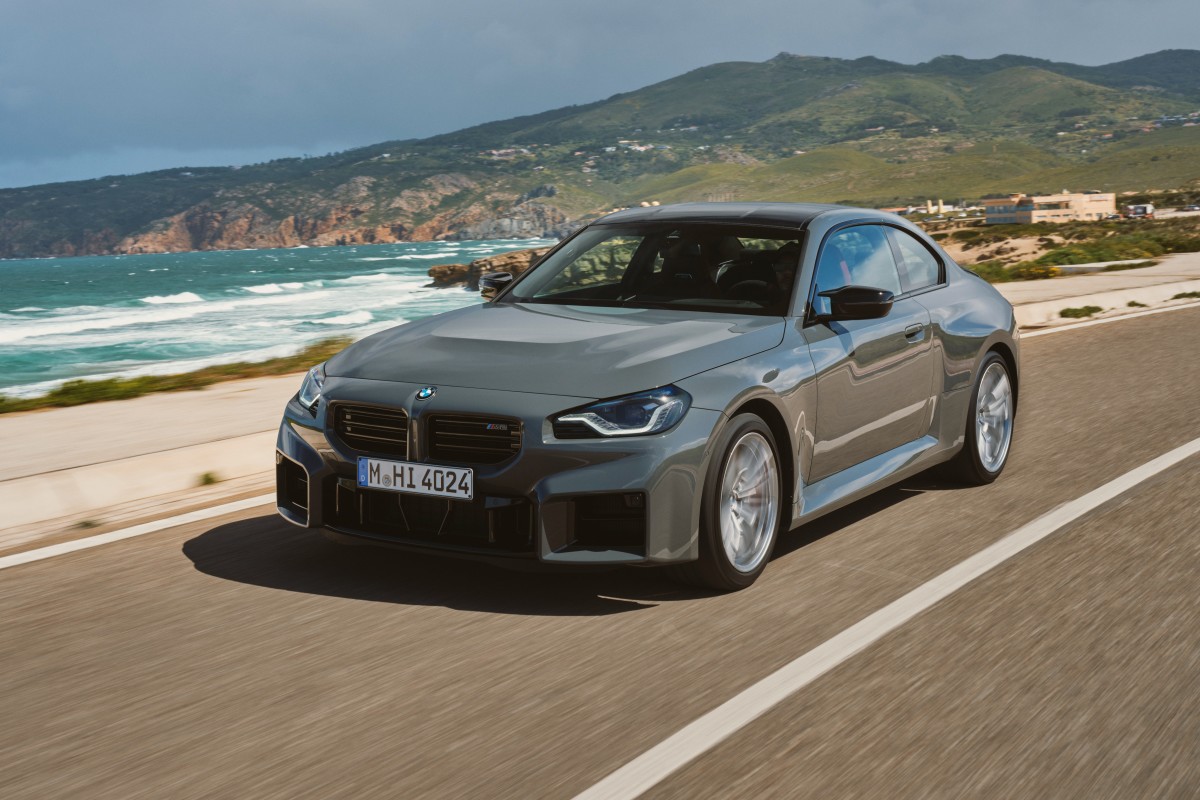
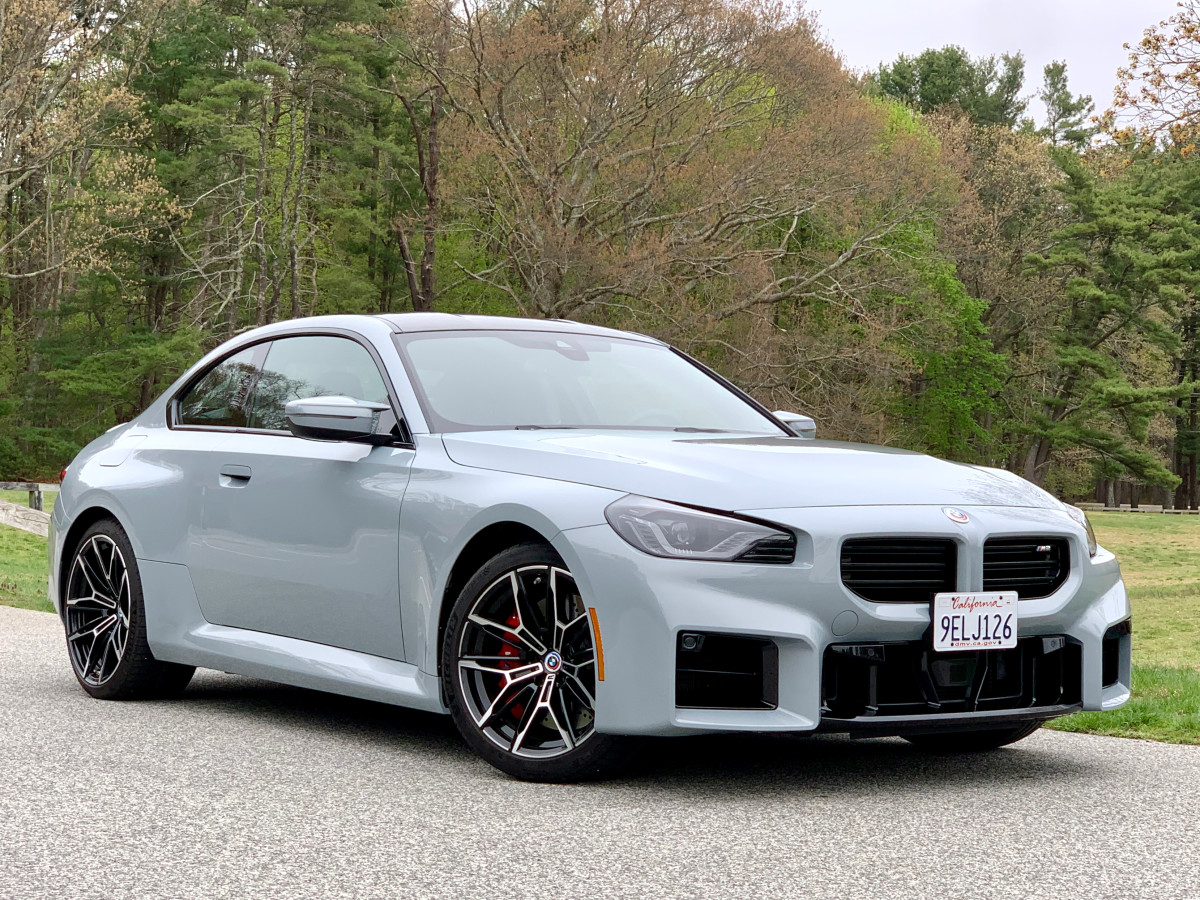
When the BMW 2 Series Coupe (two-door) returned for its second generation, it was bigger, heavier, and (insert sad trombone) no longer available in a convertible body style or with a manual transmission. It looks more muscular than the first car with bulging fenders, a distinctive squared-off grille, and similarly rectangular headlights and taillights.
Although the new BMW 2 Series retains the same 230i and M240i models, the engine options receive big jumps in power. The base 2.0-litre turbocharged inline-four leaps to 255 horsepower, while the 3.0-litre turbo inline-six pumps out 382 hp. It’s also worth noting that the 230i was not sold in Canada in 2022 as it was only available internationally with rear-wheel drive that year. The 230i xDrive with BMW’s all-wheel drive system arrived for 2023. The only transmission for either version is an eight-speed automatic.
At launch, standard features for the base 230i Coupe included 18-inch alloy wheels, LED headlights with automatic high beams, leatherette seating surfaces, power-adjustable front sport seats, three-zone climate control, an 8.8-inch infotainment screen with wireless Apple CarPlay and Android Auto, two USB ports, and a 10-speaker audio system. Standard safety tech included forward collision warning and lane departure warning systems.
The M240i xDrive Coupe came standard with 19-inch alloy wheels, M Sport brakes, keyless entry, push-button start, hands-free tailgate operation, heated front seats with leather upholstery, and a heated steering wheel. Available features included BMW’s Live Cockpit Pro, a head-up display, gesture control, a 14-speaker Harman Kardon surround-sound system, adaptive cruise control, a 360-degree camera, and self-parking functionality.
One year into the new generation, the M2 returned to the lineup with a 453-hp 3.0-litre twin-turbo inline-six engine. In a nod to the enthusiast set, it was available with RWD only, offering either a six-speed manual or an eight-speed automatic transmission. In 2023, the BMW curved display was introduced to the 2 Series lineup, incorporating a 12.3-inch instrument cluster and a 10.25-inch infotainment screen into one contiguous screen.
While the 2024 model was largely a carryover, the 2025 BMW 2 Series Coupe received new interior and exterior details, the updated BMW iDrive 8.5 operating system with QuickSelect, new paint colours, and new interior trim choices.
Throughout this time, the separate 2 Series Gran Coupe (four-door) remained in its first generation until it was discontinued at the end of 2022. The second-generation version arrived in Canada in small numbers with significant design and tech updates for the 2025 model year.
Used BMW 2 Series models from 2022 to the present model year are plentiful, but if you’re looking specifically for the second-generation coupe variant (as opposed to the Gran Coupe), your options are halved. Prices range from about $35,000 to $60,000. If you’re looking for a car with fewer than 80,000 kilometres and no reported damage, there are good options nationally for less than $45,000, but you may have to travel to find one.
BMW 2 Series First Generation (2014–2021)
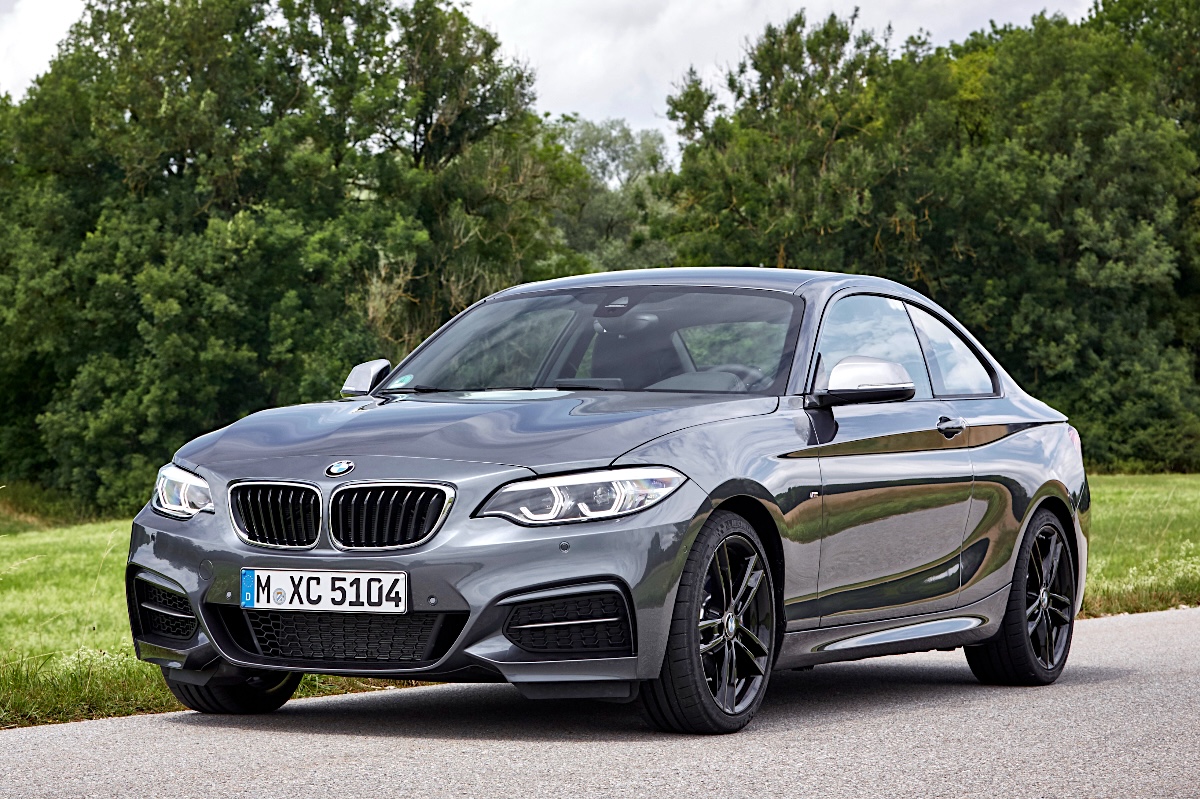
The first-generation BMW 2 Series was a replacement for the 1 Series Coupe and the 1 Series Convertible. The name change was simply due to a new BMW naming strategy that gave its coupe/convertible models an even prefix while hatchbacks, sedans, and SUVs retained odd numbers. As an entry-level premium sports car, the 2 Series was targeted at those who wanted a fun driving experience and compact proportions. Primary competitors included the Audi A3, the Mercedes-Benz CLA, the Lexus IS, and (to a lesser extent) the Acura ILX.
The four-seat coupe arrived first in 2014 with two powertrain options: a 240-hp 2.0-litre turbocharged inline-four and a 320-hp 3.0-litre inline-six. It was a rear-wheel-drive (RWD) only model and offered a standard eight-speed automatic or a six-speed manual transmission. Thus, it was available in two flavours: the 228i Coupe and the M235i Coupe.
Standard features included eight-way manually adjustable front seats, 18-inch aluminum-alloy wheels, a 10-speaker audio system with a 6.5-inch display, a single USB port, dual-zone climate control, and rain-sensing wipers. Available features included sport front seats, an M Sport steering wheel, adaptive suspension, variable-ratio steering, upgraded brakes, a backup camera, and parking sensors.
The convertible joined the lineup in 2015 and was available with the same powertrains. BMW also added its xDrive AWD as an option for this model year. You could have both the coupe and the convertible with xDrive in the base powertrain (and it was the default in the latter in Canada), but only the coupe could be ordered with xDrive with the more powerful engine.
The 2016 model year saw some content and packaging upgrades, and the M235i convertible became available with xDrive. This was also the year in which the M2 Coupe was introduced to North America.
The BMW 2 Series got a significant refresh in 2017 with more powerful engines and new models. Both coupe and convertibles were available with both powertrains as well as RWD and AWD drivetrains, while new models included the 230i and the M240i. The 2.0-litre I-4 now delivered 248 hp, and the 3.0-litre I-6 went up to 335 hp. Apple CarPlay made its first appearance in 2 Series models at this time.
There were no major changes to the 2 Series from 2018 to 2020. Some new standard safety equipment arrived in 2019, and additional paint and upholstery options were added in 2020. The biggest change for the final year of this generation was that Apple CarPlay became standard on all models.
Another big change at the end of this first generation was the introduction of a completely new vehicle wearing the “2 Series” moniker. The BMW 2 Series Gran Coupe came on the scene in 2020, offering four doors and extra practicality. It shared little other than part of its name with the 2 Series Coupe and was based on an entirely different platform. In Canada, it came with standard xDrive AWD and was introduced in 228i and M235i forms, powered by 2.0-litre turbo four-cylinder engines that delivered 228 hp and 301 hp respectively.
There is a decent supply of used BMW 2 Series two-door models from this generation in Canada. Prices range from about $12,000 for higher-kilometre units from earlier model years to about $38,000 for lower-odometer cars in higher trim levels. If you're looking for a vehicle in great condition and fewer than 100,000 kilometres, you’ll find plenty of options for less than $30,000.
Related Topics