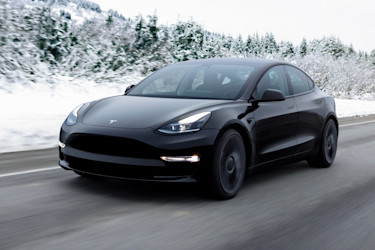
The new Tesla Model 3 had been more than a decade in the making when it debuted in Canada for 2018. By then, Tesla had already introduced several electric vehicles, including the larger Tesla Model S and the Tesla Model X SUV. However, the Model 3 was the one the California carmaker felt would be the most important and, crucially, the most affordable. (A Cybertruck, it is not.)
So far, this has proved to be the case. The entry-level Tesla combines cutting-edge electric-car technology with impressive battery range and a sleek, minimalist design. Most features—from connectivity to air conditioning—are controlled through a large infotainment touchscreen, an idea that has since been not-so-subtly copied by numerous rivals. And it’s done it all with a relatively affordable manufacturer’s suggested retail price (MSRP) compared to other EVs. The Model 3 has also brought the fight to established premium cars with internal combustion engines. It has at times qualified for rebates and provided compelling incentives to switch from cars such as the BMW 3 Series, the Audi A4, and the Mercedes-Benz C-Class.
Several versions of the Model 3 have been produced over the years to suit different needs, from long-range efficiency to high-performance driving. With standout features such as Tesla’s Enhanced Autopilot driver-assistance system (marketed by Tesla as “full self driving”), over-the-air software updates, and access to the expansive Supercharger network, the Model 3 is a very attractive EV option for newcomers and enthusiasts alike.
Tesla Model 3 Buying Guide: Cost, Reliability and the Best Years to Buy
Frequently Asked Questions
Which Tesla Model 3 years are the best?
The Tesla Model 3 has evolved over the years, so it’s no surprise that the newer models are the better buys. Since 2021, Model 3s have updated interiors with better build quality and battery efficiency enhancements. This facelift added a heat pump for improved performance in cold weather, as well as a revised centre console and improved battery range.
What are the worst Tesla Model 3 years?
There were some teething issues with early Model 3s, particularly the 2017 and 2018 model years. Inconsistent build quality, paint imperfections, and occasional glitches with the car’s all-important touchscreen and software plagued the first owners. Many of these problems have since been addressed through service updates and over-the-air improvements. However, as the oldest Model 3s, these are also the most likely to show signs of wear.
Is the Tesla Model 3 a good deal?
Yes, a used Tesla Model 3 can be an excellent deal for buyers looking for a premium electric car. Thanks to Tesla’s ability to improve its vehicles through software updates, even older models can feel modern. However, EV-specific concerns such as battery degradation and potential out-of-warranty repairs need to be considered. While there are now far more electric options from automakers in Europe, China and elsewhere around the world, the Tesla Model 3 is still a great choice.
Tesla Model 3 Pros and Cons
Pros:
- Excellent battery range and fast charging speed through the Supercharger network
- High-tech interior
- Smooth and responsive performance
Cons
- Inconsistent build quality in early models
- Out-of-warranty issues can be costly, especially with batteries and motors
- Not everyone likes the non-traditional controls
Tesla Model 3 Generations
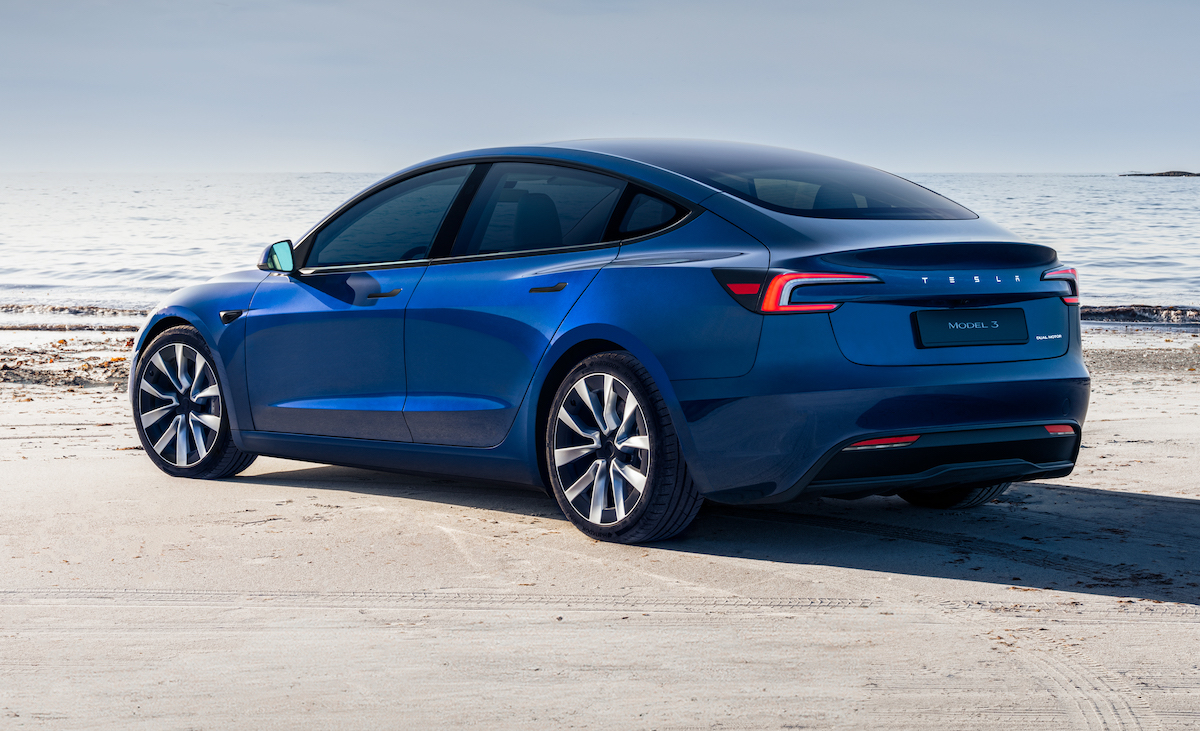
First Generation (2018-Present)
There has been just one generation of Tesla Model 3 so far, although it has received a couple of major refreshes over that time, most notably in 2021.
The original Model 3 set the stage for mass-market EVs with excellent driving range, fast charging capabilities, and innovative features such as over-the-air updates and Autopilot. With spacious rear seats for two (three at a squeeze) and competitive cargo space, including a “frunk” under the hood, it was practical and had a standout design for the time, including a panoramic glass roof on all models.
Rear-wheel drive (RWD) Standard and Long Range models and all-wheel-drive (AWD) Performance models were available, all with what was a revolutionary interior for the time with a single 15-inch touchscreen replacing traditional buttons, dials and even the instrument cluster. Battery range in the Standard Range RWD car was around 151 kilometres, while the Standard Range Plus RWD was rated for 386 km, the Mid Range RWD at 425 km, and the Long Range AWD model at 499 km. Official Natural Resources Canada test figures are rarely matched in the real world, so it’s wise to expect a little less in conventional driving conditions.
The Performance trim really unlocked the potential of electric cars for exhilaration behind the steering wheel. Using two motors instead of one, and all-wheel drive (AWD) for blistering acceleration, it covered the 0-96 km/h benchmark sprint in just 3.5 seconds, yet still promised a range of up to 499 km. It also features upgraded brakes, a lowered suspension, and a few sporty design elements to make it stand out.
However, early Teslas were plagued by various issues, mostly due to build quality with rattles inside and paint issues. Early touchscreen units froze and lagged, although these problems have largely been fixed. While it’s not a technical issue as such, Tesla doesn’t support the industry-standard phone connector platforms Apple CarPlay or Android Auto, opting instead for Bluetooth (most modern cars have this as well) or its own mobile app.
The Model 3 underwent a major revamp in 2021, which addressed many of these issues. Battery efficiency was boosted across the range, so the Standard Range Plus model could touch 423 km on a single charge according to NRCan figures, while the Long Range could manage up to 568 km. A heat pump was included as standard, which improved the car’s cold-weather efficiency and reduced the energy used by the climate control system. Additionally, the interior was redesigned with wireless charging for cell phones, USB-C ports, and matte-black trim replacing chrome. Double-pane windows were added for improved cabin insulation.
Meanwhile, the Performance model now featured 507 km of range as well as a Track Mode, which let the driver customize the power delivery from the electric motor and adjust the stability settings for more dynamic driving.
A second facelift, known as the Highland update, arrived in 2023. This included the introduction of ventilated seats, more ambient lighting and upgraded sound systems on the Long Range and Performance models, while the front end was given new thinner headlights and a revised bumper that aped the Tesla Model Y. New tires and aerodynamic adjustments to the bodywork further improved efficiency, and there were new wheel designs and suspension upgrades as well as noise, vibration and harshness (NVH) improvements. The dual-motor Performance model gained adaptive suspension and a new motor at the back, as well as sports seats. It also shaved its 0-96 km/h time down to an insane 2.9 seconds and had a 262-kilometre top speed.
Early Model 3s often didn’t have the best paint quality, so have a good look at the body of any prospective used buy. Look also for panel misalignments and take a test drive to listen for rattling interiors. The touchscreen and software glitches that plagued early cars should have been fixed by now, but they’re still worth watching out for.
Batteries have generally been reliable, but look out for reduced range on high-kilometre models. Keep in mind that frequent use of a DC fast charger—a Supercharger—can accelerate battery pack wear, so if a car has a history of home charging, then it could be a more attractive option.
Tesla’s warranty covers the battery pack and drivetrain for eight years or up to 192,000 kilometres depending on the variant. An out-of-warranty drivetrain repair can be very expensive, so check the car’s warranty status and odometer reading before you buy.
High-kilometre Model 3s can seem like great value and can be found for $16,000 or less, but remember the warning about vast out-of-warranty battery and drivetrain expenses. Sub-150,000-kilometre examples start at around $20,000, or around $25,000 for Performance models. Post-2021 Standard Range Plus models start at around $21,000, while more recent facelifted cars tend to cost from around $30,000.