The Subaru Forester is a compact SUV that has built a reputation for reliability, practicality, and all-weather capability. It debuted in 1997 for the 1998 model year as one of the first crossover SUVs, offering the ride height and cargo flexibility of a small SUV combined with the handling and performance of a car. By its third generation, it had transformed into a true compact SUV, featuring increased cargo space, modern safety features, and more refined handling.
Subaru Forester Buying Guide: Cost, Reliability and the Best Years to Buy
Search for Subaru Forester
See all
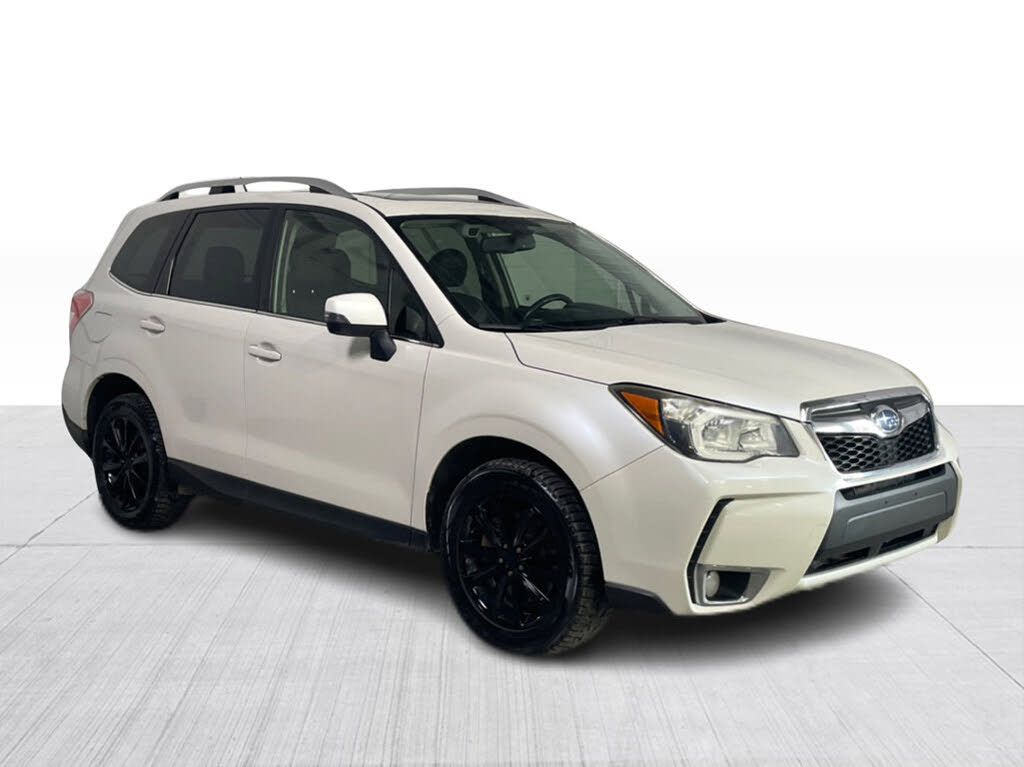


Over the years, the Forester has evolved to compete with other compact SUVs such as the Toyota RAV4, the Honda CR-V, and the Mazda CX-5, while maintaining its hallmark symmetrical all-wheel drive (AWD) system. Whether you’re looking for a dependable family vehicle or a capable adventure SUV, this guide will help you find the right Forester for your needs.
Subaru Forester Buying Guide: Cost, Reliability and the Best Years to Buy
- Frequently Asked Questions
- Subaru Forester Pros and Cons
- Subaru Forester Generations
- Sixth Generation (2025-Present)
- Fifth Generation (2019-2024)
- Fourth Generation (2014-2018)
- Third Generation (2009-2013)
- Second Generation (2003-2008)
- First Generation (1998-2002)
Frequently Asked Questions
Which Subaru Forester years are the best?
The most highly rated Forester model years are from the fourth generation (2016-2018) and the fifth generation (2019-2024). While it’s early days for the new 2025 car, it’s been generally well-received so far. The 2016-2024 models come with updated safety technology, improved fuel efficiency, and better overall refinement. The 2014-2015 versions are also well-regarded, as they introduced Subaru’s EyeSight driver assistance technology. The 2014-2018 Forester XT models, with their turbocharged 2.0-litre engines, offer the best balance of power and efficiency.
What are the worst Subaru Forester years?
The 2011-2013 models are known for excessive oil consumption, which led to a class-action lawsuit against Subaru. The 2009-2010 models also had engine issues, particularly head gasket failures. Early 2000s models with the 2.5-litre non-turbo engine suffered from head gasket reliability concerns, too.
Is the Subaru Forester a good deal?
Yes, the Subaru Forester remains one of the best compact SUVs in terms of value, particularly for buyers looking for AWD, safety, and long-term reliability. While some older models had mechanical issues, newer generations are more reliable and more technologically advanced, making them strong contenders if you’re looking for a used SUV.
Subaru Forester Pros and Cons
Pros:
- Standard AWD on all models
- Excellent visibility and safety ratings
- Spacious interior and large cargo area
Cons
- Some model years suffer from excessive oil consumption
- CVT transmission can feel sluggish
- No turbocharged engine option in the latest generation
Subaru Forester Generations
Sixth Generation (2025-Present)
The 2025 model year Subaru Forester SUV, known by the manufacturer code SL, is all-new and marks the start of its sixth generation. While not a radical departure from its predecessor, this new model brings notable refinements in styling, technology, and interior quality. It comes with a completely redesigned exterior and interior that aim to keep the traditional rugged appeal while incorporating a modern, sleeker design.
The exterior now features a bold new grille with compact LED headlights, and the body structure has been improved with 10% more torsional rigidity to enhance the ride and handling.
The cabin has been updated with an 11.6-inch Starlink touchscreen infotainment system, standard on all but the base model, which makes do with dual seven-inch touchscreens—one on top for smartphone connectivity, and one below for climate and vehicle settings. Wireless CarPlay and Android Auto are also included on Touring models and above in Canada.
Standard on every model is Subaru’s EyeSight driver assist technology, which uses two forward-facing cameras to monitor traffic movement, optimize cruise control, and inform various safety systems and the adaptive cruise control. Other safety systems include emergency stop assist and an optional surround-view monitor for a 360-degree view around the vehicle when maneuvering.
The 2025 Subaru Forester is powered by a 2.5-litre four-cylinder boxer engine, producing 180 horsepower and 178 lb-ft of torque, and paired with a continuously variable transmission (CVT). Subaru’s signature symmetrical all-wheel drive system is standard, enhanced in this latest model for faster responses and better control. Subaru’s X-Mode system, which improves performance on slippery or uneven surfaces, is now standard in Canada. Dual-function X-Mode is available on Sport and higher trims with enhanced off-road capability and selectable driving modes for more extreme conditions.
Fuel economy remains competitive, at 9.1 litres per 100 kilometres in the city, 7.2 on the highway, and 8.3 combined.
The base Forester Convenience features standard roof rails, 17-inch alloy wheels, heated front seats, and cloth upholstery, while the Canadian Touring trim adds the 11.6-inch touchscreen. The Forester Sport trim swaps red accents for bronze detailing, 19-inch wheels, and an 11-speaker Harman Kardon sound system. The Limited trim adds on-board navigation, What3Words functionality, heated outboard rear seats, and a memory driver’s seat, while the top-tier Forester Premier trim gains a low-profile roof rack (also on Sport), ventilated front seats, and brown accents.
Inside, the Forester has been updated with more premium materials and a redesigned dashboard. Convenience and Touring models come with cloth upholstery, while higher trims feature StarTex—a durable, water-resistant synthetic fabric—or genuine leather seats. The cabin also benefits from increased insulation, which makes for a quieter ride. The infotainment system has been upgraded with an 11.6-inch touchscreen (available on Touring trims and above), wireless Apple CarPlay and Android Auto, and the Subaru Starlink connectivity suite, which includes a multimedia navigation system.
A hybrid version of the Forester arrived in the spring of 2025, using the 2.5-litre boxer engine with electric motors and a lithium-ion battery. Power is boosted to 194 hp, and Natural Resources Canada fuel economy ratings come in at 6.8 L/100 km in the city, 7.0 on the highway, and 6.9 combined.
The 2025 Forester is too new to have long-term reliability data, but the improvements in structural rigidity and safety features make us hopeful for good durability. As always, keep an eye out for recalls or software updates in these early production years if you’re considering a used purchase.
A new Subaru Forester in the base Convenience trim starts at a $36,884 manufacturer’s suggested retail price (MSRP) in Canada including fees and rises to $48,384 for the top-spec Premier model. The MSRP for the Forester Hybrid is $50,883, and used prices will depend on availability.
Fifth Generation (2019-2024)
The fifth-generation Subaru Forester, codenamed SK, debuted for the 2019 model year with a renewed focus on comfort, safety and efficiency. It moved to new, stiffer mechanical underpinnings courtesy of the Subaru Global Platform, which improved the Forester’s ride, stability, and handling, as well as its crash protection.
While this Forester retained its compact SUV proportions, it had a more modern, sculpted design, according to Subaru. In actuality, it was very much evolution over revolution, albeit with improved aerodynamics and larger windows for better visibility. It was generally well-received by the motoring press, with Subaru given props for refining rather than overhauling its offering. Ditching the turbocharged XT model and its manual transmission came in for criticism, though, as it removed the Forester’s sportier options.
Safety was a major focus on the new car. Subaru’s EyeSight system was standard across the range and included adaptive cruise control, Pre-Collision Braking, lane departure and sway warning, and Lead Vehicle Start Alert on all models. Other systems, including Reverse Automatic Braking and Blind-Spot Detection with Rear Cross-Traffic Alert, were available with higher trims.
Power came from an updated version of the 2.5-litre boxer engine, with 182 hp and 176 lb-ft, mated to a CVT and symmetrical all-wheel drive (AWD) as standard.
Five trims were available at launch: Base, Convenience, Touring, Sport, Limited, and Premier. Notable features included a panoramic power moonroof, heated front seats, dual-zone climate control and, on higher trims, an eight-inch touchscreen infotainment system. Lower trims got a 6.5-inch screen.
The Subaru Forester Touring trim was the one to go for if you wanted a balance between affordability and comfort, as it had the moonroof and a 10-way adjustable driver’s seat, as well as roof rails. The Subaru Forester Sport model had a more aggressive look, with dark trim and orange accents, as well as 18-inch black alloy wheels. It also had heightened throttle response and orange contrast stitching inside.
The Subaru Forester Limited trim included the likes of perforated leather upholstery, the larger infotainment screen, a power rear gate, and upgraded LED headlights. The top-spec Premier model, meanwhile, had Subaru’s DriverFocus Distraction Mitigation System, which uses facial recognition technology to spot tired drivers. The Premier also included exclusive 18-inch alloy wheels, as well as a Harman Kardon sound system.
Not content to sit on its laurels, Subaru consistently updated the fifth-generation Forester throughout its life. The EyeSight system was upgraded in 2020 with lane centring and lane departure prevention systems, while in 2021, steering responsive LED headlights and a heated steering wheel trickled down to the lower trims.
A mid-cycle refresh arrived for 2022 with a rugged exterior design, replete with new headlights, new bumpers, and a revised grille. A new trim was introduced, too: the Subaru Forester Wilderness trim was designed for off-road enthusiasts and featured 23.5 centimetres of ground clearance, all-terrain tyres, and a reinforced roof rack that can handle 360 kilograms of static load. An infotainment upgrade was brought in for 2023 with a higher-resolution screen.
This generation of Subaru Forester has generally proved reliable, although there were some minor CVT issues in early models, so make sure any used model you’re looking at has a record of CVT fluid changes within its routine maintenance to help avoid any problems. Some owners recorded wind noise at highway speeds in the earlier models, but this improved in later years.
Depending on the trim level and odometer reading, used fifth-generation Subaru Foresters tend to range in price between $18,000 and $43,000. The later facelifted models, from 2022-2024, tend to hold higher resale values because of their added features and safety improvements.
Fourth Generation (2014-2018)
The 2014 model year saw the debut of the fourth-generation Subaru Forester, and with it came some major improvements in efficiency, safety, and technology. It was built on a modified and larger version of its predecessor’s platform with more space. The passenger compartment was taller to improve outward visibility, and the car was more aerodynamic for better efficiency.
It was well-received by the press, with positive reviews that praised the interior space and the EyeSight technology, although journalists were less enamoured with the levels of engagement behind the wheel. It was a capable car, but not particularly exciting to drive.
Two powertrains were offered at launch: a naturally aspirated 2.5-litre boxer four-cylinder with 170 hp and 174 lb-ft, and a turbocharged 2.0-litre in the Forester XT, which made 250 hp and 258 lb-ft. The base and Touring trims got a six-speed manual transmission as standard with the 2.5-litre engine, while the Lineartronic CVT with paddle shifters, was optional (and standard on other trims). Symmetrical all-wheel drive was standard across the range, and high-spec models got X-Mode control for the first time, featuring hill descent control.
The trim lineup at launch comprised base, Convenience, Premium, Touring, and Limited, with the Forester 2.0 XT available only in Touring and Limited. All but the base model came with a standard rear-view camera, while a touchscreen infotainment system, keyless access and start, and a power liftgate were all available. The XT had a sportier suspension and Subaru Intelligent Drive (SI-Drive), which allowed you to toggle between different driving modes using a switch on the steering wheel.
EyeSight, Subaru’s driver assistance suite, was made available for the first time. It was initially just an option on the top-spec Limited model. By 2018, it was standard on most models. The 2017 model year saw a mid-cycle refresh with revised styling (a new front bumper and grille with redesigned headlights) and new interior options. The EyeSight system was updated with new colour cameras for a wider, longer field of vision. Extra soundproofing and thicker glass were added to reduce road noise.
Early models (2014-2015) with the 2.5-litre engine were affected by Subaru’s oil consumption issues, which were later addressed under warranty. The CVT, while generally reliable, requires regular maintenance to ensure longevity, so ensure that has been completed. The powerful XT turbocharged models are fun, but they may require more upkeep than the base 2.5-litre engine. Watch out for signs that they’ve been driven hard.
High-kilometre fourth-generation Foresters can start as low as $5,000, and that’s not even for the most problematic model years. The most you’ll pay is $25,000 for a low-odometer late model. The XT models tend to have higher resale values due to their rarity and sporty appeal, so they’ll typically cost you more, but will likely sell for more later on.

Third Generation (2009-2013)
When the covers were taken off the third-generation Subaru Forester at the end of 2007, there was no doubt that Subaru was headed decidedly in the direction of the SUV and away from the traditional wagon. Where later generations would evolve the Forester gently, the 2009 model year represented a big jump.
Based on the Impreza platform, the new Forester extended the wheelbase over the previous version, giving better rear-seat legroom and more cargo space. The ride height was raised and the suspension softened for better comfort, while quality of interior materials improved.
Power came from the naturally aspirated 2.5-litre boxer engine with 170 hp and 170 lb-ft with either a five-speed manual transmission or a four-speed automatic that was somewhat outdated compared to other cars on sale at the time. The manual was well received, though, and the Forester was surprisingly engaging to drive.
A turbocharged 2.5-litre XT model was also produced with 224 hp and 226 lb-ft, adding a touch more excitement but removing the option of a manual gearbox, which disappointed enthusiasts. The car was generally well received, and it won various awards from the motoring press. Journalists were impressed with its ride quality, space, reliability, and safety. The Forester XT was praised for its performance, too, despite the lack of a manual shifter.
Safety was a big selling point for the third-generation Subaru Forester, having received a five-star rating from the U.S. National Highway Traffic Safety Administration (NHTSA). It was also named a Top Safety Pick by the Insurance Institute for Highway Safety (IIHS).
Forester trim levels for this generation in Canada included base, Touring, and Limited, with the latter also being offered as the XT variant.
For 2011, Subaru introduced an updated version of the 2.5-litre engine featuring a new chain-driven camshaft, designed to improve reliability and reduce maintenance costs. The interior was given a few minor updates, including a better infotainment system and improved materials. The 2012 and 2013 models saw further updates to refine the Forester’s ride quality and cabin insulation.
While the third-generation Forester was one of the most reliable SUVs in its class, some issues emerged over time. The biggest complaint was excessive oil consumption, particularly in 2011-2013 models equipped with the naturally aspirated 2.5-litre engine. Owners also reported head gasket failures, a common issue for Subaru engines of this era. As always, check the maintenance records of any prospective purchase carefully to minimise your risk, and take a test drive.
When it was new, the base model third-generation Subaru Forester started at just over $25,000 in Canada before fees, while the fully loaded XT Limited trim was priced closer to $35,000. Today, used third-generation Foresters are much more affordable, with prices ranging from around $7,000 to $13,000, depending on condition and odometer reading.

Second Generation (2003-2008)
North America got its first glimpse of the 2003 model year Forester at the 2002 Chicago Auto Show, and the car on display showed a refinement of the formula that had made the original such as success. Although still based on the Impreza platform, the new Forester introduced a modern, streamlined design, with improved aerodynamics and an increased focus on safety, ride comfort, and interior refinement. The edges of the boxy, utilitarian first-generation Forester were softened, broadening its appeal without sacrificing the rugged looks that won it fans in the first place.
This generation also saw significant improvements in structural rigidity with better crash protection and a stiffer chassis, both of which improved the Forester’s handling and ride comfort.
As well as its symmetrical all-wheel drive system, the second-gen Forester saw the introduction of more powerful engine options and enhanced technology, which kept it competitive against rivals such as the Honda CR-V, the Toyota RAV4, and the Ford Escape.
At launch, the second-generation Forester was available with a 2.5-litre naturally aspirated four-cylinder boxer engine, making 165 hp and 166 lb-ft. This was an evolution of the engine found in the previous generation, but it was paired with either a five-speed manual transmission or a four-speed automatic.
In 2004, Subaru made a significant new introduction, the Forester XT, with its turbocharged 2.5-litre boxer engine. Producing 210 hp (later increased to 224 hp in 2006), the XT model was a performance-oriented alternative to mainstream compact SUVs. It was well received by enthusiasts and offered a compelling blend of practicality and fun-to-drive characteristics.
Compared to the first-generation Forester, the new car had a longer wheelbase for extra interior space, an updated AWD system, and standard side-impact airbags on higher trims. Electronic Brakeforce Distribution (EBD) was introduced for better braking performance, and it had a higher ground clearance, too: 20 centimetres, or 20.5 cm on XT models.
Notable available features from this generation include a performance suspension, 18-inch alloy wheels, heated front seats, and a moonroof.
The 2005 model year brought a more upscale model, known as the Forester XS L.L. Bean Edition. Named after the outdoor clothing company, it featured leather upholstery, a self-levelling rear suspension, and the premium audio system, offering a more refined crossover SUV experience without sacrificing the Forester’s core ruggedness.
Later in the second-gen Forester’s life, the base engine was upgraded for efficiency, and Subaru also introduced new tech, including an upgraded sound system and better climate control for higher trims.
The second-generation Forester was widely regarded as a durable compact SUV, but some issues did arise. Head gasket failures were a problem with the naturally aspirated 2.5-litre engines, though less frequently than with first-generation models. Buyers should look for service records indicating head gasket replacements.
The four-speed automatic transmission, while reliable, was considered outdated even during its production years and could feel sluggish. Turbocharged XT models required premium fuel, and some suffered from turbocharger oil supply issues, which made regular maintenance crucial. Rust issues were noted in colder climates where road salt was heavily used. As always, evidence of proper maintenance, particularly regular oil changes and coolant system upkeep, can help mitigate many of these concerns.
Thanks to those aforementioned rust issues, second-generation Foresters are all but extinct now in Canada. If you can find one, you should pay $5,000 or less, with the occasional unit being priced higher in less rust-prone areas such as B.C.’s Lower Mainland.

First Generation (1998-2002)
The first-generation Subaru Forester, launched in 1998, turned out to be a pioneering car that helped define the crossover SUV segment before the term was widely used. Designed to bridge the gap between traditional body-on-frame SUVs and passenger cars, it offered customers the raised ride height and versatility of an SUV with the handling, fuel efficiency, and comfort of a car.
Built on the Subaru Impreza platform, the Forester was taller than Subaru’s wagons but lower than most traditional SUVs, giving it a unique stance that prioritized both stability and visibility. All-wheel drive was standard, which set it apart from competitors such as the Toyota RAV4 and the Honda CR-V, both of which only offered AWD as an option.
This generation introduced Subaru’s rugged, adventure-ready formula, and it proved a favourite among outdoor enthusiasts and practical buyers alike. The combination of high ground clearance (19 centimetres) and car-like handling made the Forester an attractive alternative to bulkier SUVs of the time.
The first-generation Forester was powered by what would become the familiar 2.5-litre naturally aspirated boxer engine, producing 165 hp and 162 lb-ft of torque. The engine was borrowed from the Legacy Outback wagon, and customers could choose either a five-speed manual transmission or a four-speed automatic.
With its standard symmetrical AWD, the Forester provided strong traction in poor weather and light off-road conditions, making it a capable vehicle for adventurous drivers. Unlike the many SUVs of the era that used truck-based platforms, the Forester featured a unibody design, giving it a lower centre of gravity and better handling.
Add to that 19 centimetres of ground clearance a multi-link rear suspension, a high seating position, and a 1,812-litre cargo volume (with the rear seats folded), and the Forester quickly gained a reputation for safety, practicality, and reliability—tenets that would become its defining characteristics in later generations.
The motoring press gave it the thumbs-up, praising the Forester’s car-like handling, its excellent visibility, and its standard AWD. The turbocharged Forester S, with its limited-slip differential, was hailed as bringing the rally touch (for which Subaru was famed at the time) to the practical SUV market. That said, the interior was criticized for being rather plain, and the automatic transmission was considered sluggish.
Three trim levels were available in Canada: the Forester L, Forester Dynastar, and Forester S.
Cars from the 2000 model year had a 60/40 split rear seat to improve cargo flexibility. A facelift for 2001 brought revised styling with new headlights and taillights and an updated chrome grille for the Forester S.
The first-generation Forester is generally reliable, but it does have a few common issues that buyers should be aware of. The 2.5-litre non-turbo engine was notorious for head gasket leaks, particularly in 1998-2002 models, and owners had to replace the head gaskets between 160,000 and 240,000 kilometres. Some models also suffered from premature rear wheel bearing failures, which were more common in earlier years.
Like many Subarus from this era, the first-generation Forester was prone to rust, especially in regions that use road salt. While the four-speed automatic transmission was reliable, it could feel sluggish at times, especially in cold weather.
Very few first-generation Subaru Foresters remain on the road in Canada today. In the United States, prices tend to range between USD$4,000 and USD$9,000, but particularly good examples can cost more.
When considering a vehicle of this age, it's advisable to have a thorough inspection performed by a qualified mechanic to assess its condition and identify any potential issues.
Related Topics



by Stephanie Wallcraft
Stephanie Wallcraft is a multiple award-winning professional automotive journalist based in Toronto, Ontario, Canada. In addition to CarGurus Canada, her byline has appeared in major Canadian publications including Toronto Star Wheels, Driving.ca, and AutoTrader.ca, among others. She is a Past President of the Automobile Journalists Association of Canada and was named 2024 Canadian Automotive Journalist of the Year.
The content above is for informational purposes only and should be independently verified. Please see our Terms of Use for more details.


