Imagine a sports car, and there's a good chance you're picturing a Porsche 911. With a history stretching back to the 1960s, it's one of the most iconic vehicles ever made. Unlike other sports cars, the 911's layout and styling have slowly evolved over the decades, keeping its distinctive teardrop shape and unique rear-engine powertrain placement. In 1964, it replaced the Porsche 356, which was heavily inspired by Ferdinand Porsche's previous success with the Volkswagen Beetle.
Porsche 911 Buying Guide: Cost, Reliability, and the Best Years to Buy
Search for Porsche 911
See all


Having the engine resting behind the rear axle gives the 911 a rear weight bias and encourages oversteer or fishtailing if the driver lifts off the throttle in a fast corner. This is great if you're trying to extract the maximum amount of handling performance, but it can be terrifying for novice drivers. Advances in engineering and technology have made the 911 more balanced and manageable, rendering it appropriate for comfortable touring or racetrack dominance.
The engine itself is also noteworthy as one of the few horizontally opposed "boxer" engines sold today. Its past is packed with a variety of evolutions, and there has often been a dizzying array to choose from within a single model year. With such a rich history, it's no wonder the Porsche 911 is so popular, and we contend that everyone should drive one at least once in their life.
Porsche 911 Buying Guide: Cost, Reliability, and the Best Years to Buy
- Frequently Asked Questions
- Porsche 911 Pros and cons
- Porsche 911 generations
- Eighth generation (2020 - present)
- Seventh generation (2012 - 2019)
- Sixth Generation (2005 - 2013)
- Fifth Generation (1999 - 2004)
- Fourth Generation (1994 - 1998)
- Third Generation (1989 - 1993)
- Second Generation (1974 - 1988)
- First Generation (1964 - 1973)
Frequently Asked Questions
Which Porsche 911 years are the best?
If we're talking purely about performance, then the latest 911s are the best. They have tons of power, and ample tech features ensure they’re controllable. Those systems tend to take the driver slightly out of the equation, leading purists to lean more toward the fourth-generation 993 variants that marked the end of the air-cooled era.
Which Porsche 911 years are the worst?
The fuel crisis of the 1970s was dark time in the automotive industry and, to combat rising prices, Porsche reintroduced its four-cylinder 912 model to great disappointment. The 912s from the original 1965 debut are also somewhat derided, but they have found a niche group of fans in recent years.
Is the Porsche 911 a good deal?
The Porsche 911 holds its value better than competing sports cars. This means you'll pay more for used examples, but that’s good news if you're selling. Prices vary wildly and have increased by alarming amounts, while limited editions and rarer models can be especially expensive and often appreciate. Whatever the price, you can’t go wrong with a 911 if you're looking to have fun.
Porsche 911 Pros and cons
Pros:
- Excellent all-around performance
- Iconic style and popular around the world
- Unique engine layout
Cons:
- Pricey new or used
- Limited passenger and cargo space
- Expensive to maintain
Porsche 911 generations
Eighth generation (2020-Present)
The new Porsche 911 represents the eighth generation, which is known as the 992 among insiders. In terms of size, the new car measures five centimetres longer than the previous 991 generation, but you'd still need a keen eye to tell them apart. As with many 911 changes, one of the easiest ways to identify generations is by comparing the front and rear lights. The 992 has more intricate elements behind the ovoid headlight lens, and the taillights are integrated into a narrow strip that spans the rear deck. There are also lots of minor differences between the trim levels.
The entry-level Porsche 911 Carrera comes with a turbocharged 3.0-litre horizontally opposed six-cylinder "boxer" engine that produces 379 horsepower and 331 pound-feet of torque. It’s mated to an eight-speed automated dual-clutch transmission (called PDK in Porsche-speak) that sends power to the rear wheels. The 911 Carrera 4 has the same engine but adds all-wheel drive (AWD). The Carrera S and 4S (AWD) increase power output to 443 hp and 390 lb-ft of torque and are also eligible for a seven-speed manual transmission.
In keeping with Porsche tradition, the second model year added more variants. These included the Targa body style with a retractable but not fully convertible roof, offered in 911 Targa 4 and Targa 4S trim levels that mirrored the corresponding Carrera 4 and Carrera 4S specs. The bigger story was the reintroduction of the top-end Turbo model with a 3.8-litre boxer six-cylinder engine good for 572 hp and 553 lb-ft of torque. It was only offered with AWD and the automated PDK transmission. The Porsche 911 Turbo S increased power and torque even more to 640 hp and 590 lb-ft.
The 2022 model year brought back the 911 Carrera 4 GTS and GT3 trims. The GTS models serve as a middle ground between the entry-level Carreras and the more serious Turbos. Building on the Carrera's engine, power increased to 473 hp and 420 lb-ft of torque, and it was available as either a coupe, convertible, or Targa. The GT3 was more of a track-day demon with a naturally aspirated 4.0-litre engine that produced 502 hp and 346 lb-ft. A seven-speed PDK or a six-speed manual were the transmission choices.
For 2023, the lineup grew to include the lightweight Carrera T that was only offered with the seven-speed manual transmission, had no rear seats, and reduced the sound insulation for a rawer and more engaging driving experience. The Porsche 911 GT3 RS took its racetrack pedigree to loftier heights with 518 hp, a huge rear wing, a race-tuned suspension, and many other aerodynamic tweaks.
If that wasn't enough, an off-road Dakar version also debuted. Limited to only 2,500 examples it used the GTS as a base, adding a high-riding suspension system, a centre-locking differential, and all-terrain tires.
Another limited-edition model arrived in 2024 in the form of the 911 S/T. It combined the GT3 chassis with the GT3 RS engine and a manual transmission. It was the lightest 911 thanks to thinner window glass, magnesium wheels, and carbon fibre bodywork. Only 1,963 S/Ts were built.
A refresh took place for the 2025 model year with slightly different front- and rear-end styling, a fully digital instrument panel, and some minor interior updates. The base Carrera engine also got a minor boost to 388 hp. More importantly, the 911 entered the hybrid age with a new GTS engine. Its 3.6-litre six-cylinder turbo was paired with an electric motor in the transmission, combining to produce 532 hp and 449 lb-ft of torque. A full EV like the Porsche Taycan it was not, but a smattering of electrification in such a hallowed sports car is a sign of the times.
Fuel efficiency obviously varies by model with the base Carrera achieving a Natural Resources Canada-estimated 11.3 litres per 100 kilometres in combined city and highway driving. Turbo models are estimated in the mid 14s, while the GT3 and S/T variants bring up the rear with a 15,1 L/100 km combined estimate.
As is common with many high-end luxury and sport exotic vehicles, the Porsche 911 has not been evaluated by the National Highway Traffic Safety Administration (NHTSA) or the Insurance Institute for Highway Safety (IIHS). The 911 has a good reputation for crashworthiness, but that's tempered by its performance potential, which can exponentially increase risk.
The eighth-generation 911 (992) was issued one serious recall for certain models with a single centre wheel nut that could work its way loose. Other minor recalls were issued for the driveshaft, the pedal linkage, suspension elements, window adhesives, the hazard lights, and the rear seat belts.
Porsche 911s typically retain their value better than other luxury or sports cars, losing only between 10 percent and 15 percent in the first five years of ownership. Limited edition models such as the 911 Dakar and range-topping versions such as the GT3 RS are expected to hold their value even better or even increase if they’re especially rare.
Early eighth-generation Porsche 911s start at roughly $135,000 on the Canadian used car market for higher-kilometre units. Pristine GT3 and Turbo S models are routinely priced above $300,000.
Seventh generation (2012-2019)
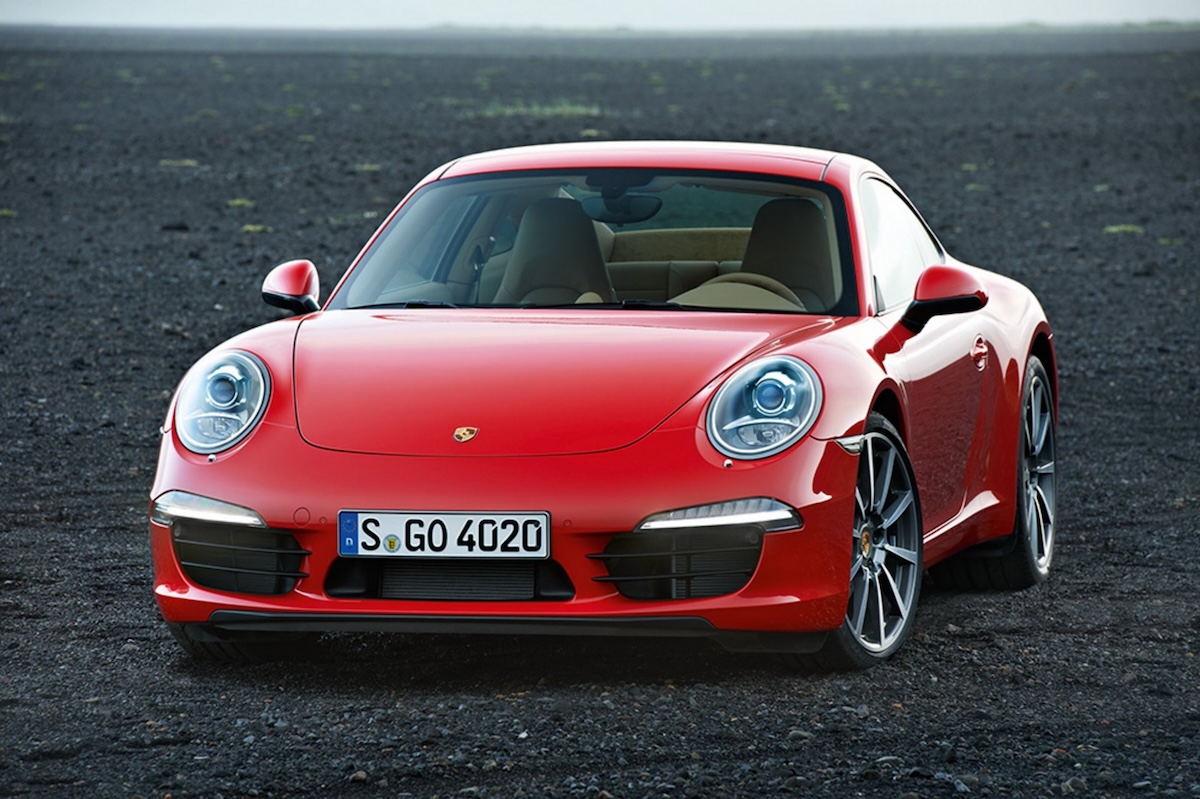
The seventh-generation Porsche 911 debuted in the 2012 model year and is often referred to as the 991. It was a little more than 2.5 centimetres longer than the previous 997 generation, and one of its distinguishing traits was a thin bar that ran between the taillights. While performance increased, driver engagement sadly didn’t. The switch from hydraulic to electric power steering removed much of the feedback through the steering wheel that racers and drivers use to determine the level of front tire traction.
The 2012 debut started with some confusion as the new 911 was sold alongside the previous generation. Initially, the only new 992 models were the base Carrera and the Carrera S in coupe form, while cabriolets followed later in the year.
The Carrera was powered by a 3.4-litre six-cylinder boxer engine that produced 350 hp and 287 lb-ft of torque. A seven-speed automated PDK transmission was offered, as was a seven-speed manual, both driving the rear wheels. The Carrera S upgraded to a 3.8-litre engine that increased output to 400 hp and 325 lb-ft. Carryover 997-generation models included the coupe, the cabriolet and the Targa variants in 4, 4S, Turbo, 911 Carrera GTS, GT2 RS, and GT3 RS trims.
For the 2013 model year, the only 997 carryover was the 911 Turbo. New all-wheel drive 991 variants of the Carrera 4 and the 4S kept the same engines as their Carrera and Carrera S siblings, and all were offered as coupes or cabriolets. The following year, the 991 Turbo, Turbo S, and GT3 trims were added, along with a new Targa and a 50th Anniversary edition.
The 911 Turbo increased the 3.8-litre engine's output to 520 hp and 487 lb-ft of torque, while the Turbo S pushed it to 560 hp and 516 lb-ft. Both were only offered with the seven-speed PDK gearbox and all-wheel drive (AWD) as standard. The track-focused GT3 went with a naturally aspirated engine that was good for 475 hp and 325 lb-ft, had no rear seats, and was PDK-only and rear-wheel drive (RWD).
The GTS trim joined the lineup in 2015 with the Carrera S engine, which included the Powerkit option that increased output to 430 hp. It offered a blend of the Carrera's balanced comfort and the GT3's sharpness, and it was available with either RWD or AWD. A GTS Targa was introduced in 2016, along with a GT3 RS model, which increased the GT3 engine's output to 500 hp and 338 lb-ft of torque.
In 2017, the 911 entered its turbo era (note the lowercase "t"), earning it a 991.2 generational designation. Almost all models added a turbocharger for improved performance and efficiency. The base Carrera's output increased to 370 hp, the Carrera S jumped to 420 hp, and the GTS went to 450 hp. The Turbo and Turbo S (uppercase "T") increased to 540 hp and 580 hp, respectively. Other changes included a few styling modifications and a new infotainment system with Apple CarPlay. The 500-hp GT3 returned in 2018 in RWD form after a year's hiatus and was available with a seven-speed PDK or a six-speed manual transmission.
The enhancements continued into the final year of the 991 generation with the addition of the Carrera T, the GT3 RS, and the GT2 RS models. The 2019 Carrera T took the standard Carrera and put it on a lightweight diet, while livening up the drivetrain with quicker gear ratios and a mechanical limited-slip differential. The GT3 RS took weight savings even further and increased output to 520 hp. The GT2 RS was the sharpest track-day car in the stable, building on the GT3 RS with a twin-turbo engine variant of the Turbo S that made an impressive 590 hp and 553 lb-ft of torque.
There was also a limited-edition Speedster model for 2019 with a chopped-down top and sleeker lines. Its 4.0-litre boxer engine produced 502 hp, and it was only offered with a six-speed manual transmission. Production was limited to 1,948 examples, and prices shot up to more than $300,000.
Early base 991s had NRCan estimates of between 10.8 and 11.0 L/100 km in combined city and highway driving. After the turbos were implemented in 2017, those figures dropped to between 9.4 and 9.8 L/100 km. Likewise, the higher-performing and heavier (Targa and cabriolet) models were rated closer to 11.2 to 11.4 L/100 km and improved by nearly a litre per 100 km over time. The top performance models, such as the GT3 RS, were estimated between 13.9 and 15.1 L/100 km.
The seventh-generation Porsche 911 received some minor recalls relating to problems with the suspension, the seat belt, the exhaust, the airbag, the hood latch, the windshield and the fuel system. Overall, these issues were addressed quickly and maintained the 911's reputation for reliability.
The 991 generation held its value well on the used market and, as usual, the higher-end and special edition models retained the most value, with the Speedster becoming an instant collectable. Prices for early seventh-generation base 911s start at just under $90,000 in Canada and can climb well past $300,000 for GT3 RS models. One Speedster was listed for sale during our research with an asking price of $600,000.
Sixth Generation (2005-2013)
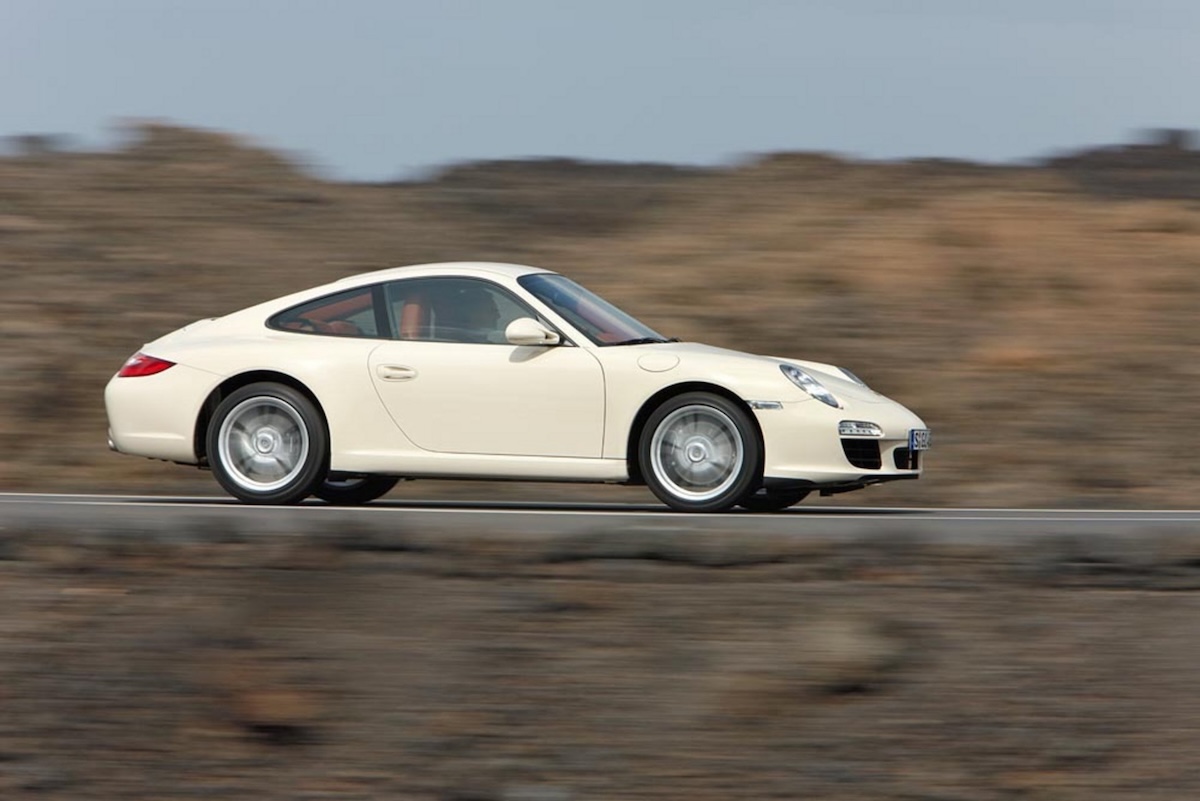
The sixth-generation Porsche 911, dubbed the 997, debuted as a 2005 model. It was only 2.5 cm longer than the previous 996 generation but easy to identify by the return of the traditional round headlights that replaced the previous "fried egg" lamps with integrated turn signals. Inside, the styling adopted some elements from the Cayenne SUV but otherwise remained in line with previous interiors. This was also an era in which Porsche’s sports car lineup was expanding, with additions such as the more affordable Cayman in 2005 (effectively a hard-top Boxster) and the Panamera grand tourer in 2009.
Initially, the new 911 was offered in Carrera and Carrera S trims and the rest of the 2005 lineup (Turbo, GT2, GT3) was a carryover from the 996. The Carrera came with a 3.6-litre flat-six-cylinder producing 325 hp and 273 lb-ft of torque, while a six-speed manual transmission was standard. The Carrera S upgraded to a 3.8-litre engine that made 355 hp and 295 lb-ft. Either could be had with a six-speed manual or a five-speed Tiptronic automatic transmission.
For 2006, the all-wheel-drive Carrera 4 and 4S were added. These models shared the same engines and specs as the rear-wheel-drive models, but a new Carrera Power Kit option increased output to 381 hp. All 911s benefited from a new navigation system. The following year, the 911 Turbo returned along with a track-ready GT3 and the Targa roof option, which still featured a sliding glass section instead of a removable panel.
The 2007 911 Turbo had a twin-turbocharged 3.6-litre six-cylinder engine that was good for 480 hp and 460 lb-ft of torque, and all-wheel drive was standard. The GT3 went with a naturally aspirated engine that produced 415 hp and 300 lb-ft and was only available with rear-wheel drive and the manual transmission. For 2008, the GT2 model re-emerged with the Turbo's engine that had been stretched to 530 hp, making it the go-to track-day weapon in the lineup. Also new was an improved sunshade for the Targa's glass roof.
The big mid-cycle refresh happened in 2009 with slightly revised front and rear fascia, some mechanical upgrades, and a new infotainment touchscreen. The old Tiptronic automatic transmission also gave way to a new seven-speed dual-clutch automated manual gearbox called PDK, which was much easier to say than Porsche-Doppelkupplungsgetriebe. Other available additions included ventilated seats, Bluetooth connectivity, and an iPod/iPhone adapter. The 2009 Carrera models also gained direct fuel injection for more power and efficiency, with the base Carreras increasing output to 345 hp and the Carrera S to 385 hp. The optional Carrera S Power Kit bumped it to 408 hp.
The GT3 and GT3 RS models took a break that year but returned in 2010. The GT3's 3.8-litre engine's output increased to 435 hp, while the RS went to 450 hp. The 911 Turbo also got a boost to 500 hp.
The 2011 model year brought many more choices in the form of the GTS, the Turbo S, the GT2 RS, and the limited-edition Speedster and GT3 RS 4.0 models. Both the GTS and the Speedster came with the Carrera S engine boosted to 408 hp, while the GT3 RS 4.0 produced 500 hp, and the Turbo S made 530 hp. The rear-drive GT2 RS stole the show with an eye-watering 620 hp.
Over the course of the 997 generation, the base Carrera's fuel economy improved from 12.2 to 10.8 L/100 km combined. Most other models hovered around the mid to high 11s, and as you climbed the trim levels, efficiency dropped in line with the increased performance. At the bottom of the pack was the GT3 RS, rated at 14.4 L/100 km combined.
Recalls were light for this generation. They comprised a lingering suspension strut problem, while smaller issues—exhaust tips, drive mode switches, and centre wheel nut—were addressed more quickly. The 911's relatively trouble-free reputation helped retain its value as well as other modern Porsches.
Sixth-generation Porsche 911s start at roughly $50,000 on the Canadian used car market, and prices can exceed $200,000 for the GT3 and other specialized models.

Fifth Generation (1999-2004)
The fifth-generation 911 debuted in 1999 with the 996 moniker. It caused a lot of controversy with a move away from the air-cooled engine that defined the car for more than three decades. A water-cooled unit was used instead, eliminating the distinctive flutter sound for which 911s were known and causing the faithful to decry it as the end of the 911. To make matters worse, the headlights were reshaped to include turn signals and auxiliary lights, earning them the nickname "fried egg". Most of Porsche's clients eventually came around to the idea, and those who didn't missed out on the ensuing performance gains. The headlights, however, only lasted through this generation.
Initial models included coupe and cabriolet versions of the Carrera and the Carrera 4. Both were powered by a 3.4-litre boxer six-cylinder that produced 296 horsepower. A six-speed manual transmission was standard, with a five-speed automatic with Tiptronic manual control available. In 2000, a new exhaust system increased output to 300 hp and stability control was added as an option.
The 911 Turbo returned for the 2001 model year with 415 hp from its 3.6-litre engine. For 2002, a minor styling update took place. The base Carrera engines increased to 3.6 litres and 320 hp, while cabriolets gained a glass rear window. The track-ready GT2 model was also introduced with 456hp, rear-wheel drive, several weight-saving features, and no stability control—this was intended for expert drivers. Also returning was the Targa model with its sliding glass panel roof.
Fuel economy estimates varied between 12.4 L/100 km for the base Carreras up to 14.7 L/100 km for the GT2. Recalls were limited to a suspension strut pin, a power steering fluid leak, and child seat anchors.
The 996 generation is one of the least sought-after models in the 911 portfolio, but values still stand up well compared with those of other sports cars of the time. In Canada, expect to pay between $35,000 for higher-odometer base models and just over $100,000 for higher-powered, low-kilometre examples.
Fourth Generation (1994-1998)
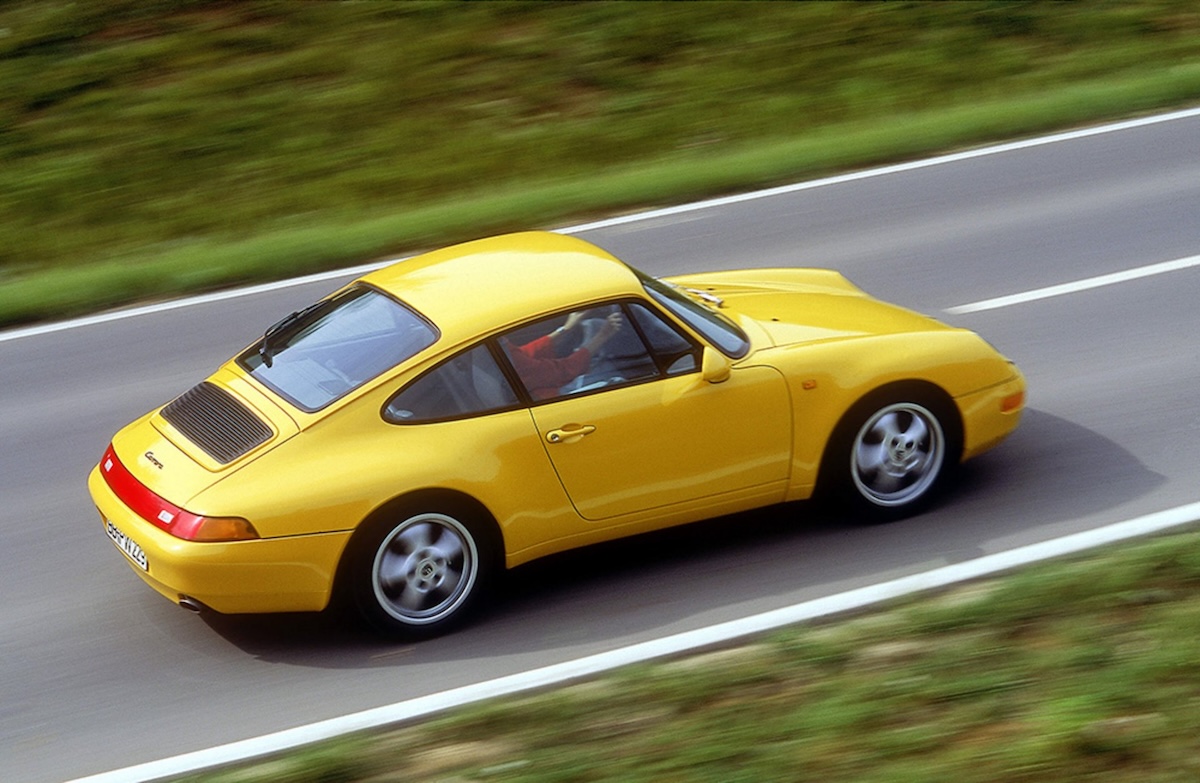
The 993 generation of the 911 debuted as a 1994 model with smoothed-out body features and a multi-link rear suspension system that significantly improved handling. In its first year, this 911 was offered in Carrera coupe and cabriolet versions with a 3.6-litre engine that produced 270 hp and later 282 hp. The all-wheel drive Carrera 4 arrived in 1995 alongside the 355-hp Turbo, which also increased to 400 hp in later years.
In 1996, the Targa was added. However, it featured a sliding glass section instead of the traditional removable roof panel, making it more of a big sunroof than a quasi-convertible. That year also saw the addition of the Carrera S and the all-wheel drive 4S.
Fuel economy spanned 13.1 L/100 km combined for the base Carrera to 17.2 L/100 km for the top-end Turbo model. Unfortunately, recall information is not available for the 993, but that doesn't affect resale prices, as the last air-cooled 911s are considered by Porsche enthusiasts to be the best in the model's history. Objectively, that's not true when you look at the specs and performance of later 911s, but the amount of driver engagement is hard to argue as the lack of computerized intervention made them more exciting to drive. As a result, you should expect to pay more for these versions on the collector market.
As of this writing, the lowest-priced fourth-generation Porsche 911 we found in Canada was priced at just under $150,000, while the most expensive was a heavily modified 1995 model with less than 4,000 kilometres on the odometer for $340,000.
Third Generation (1989-1993)
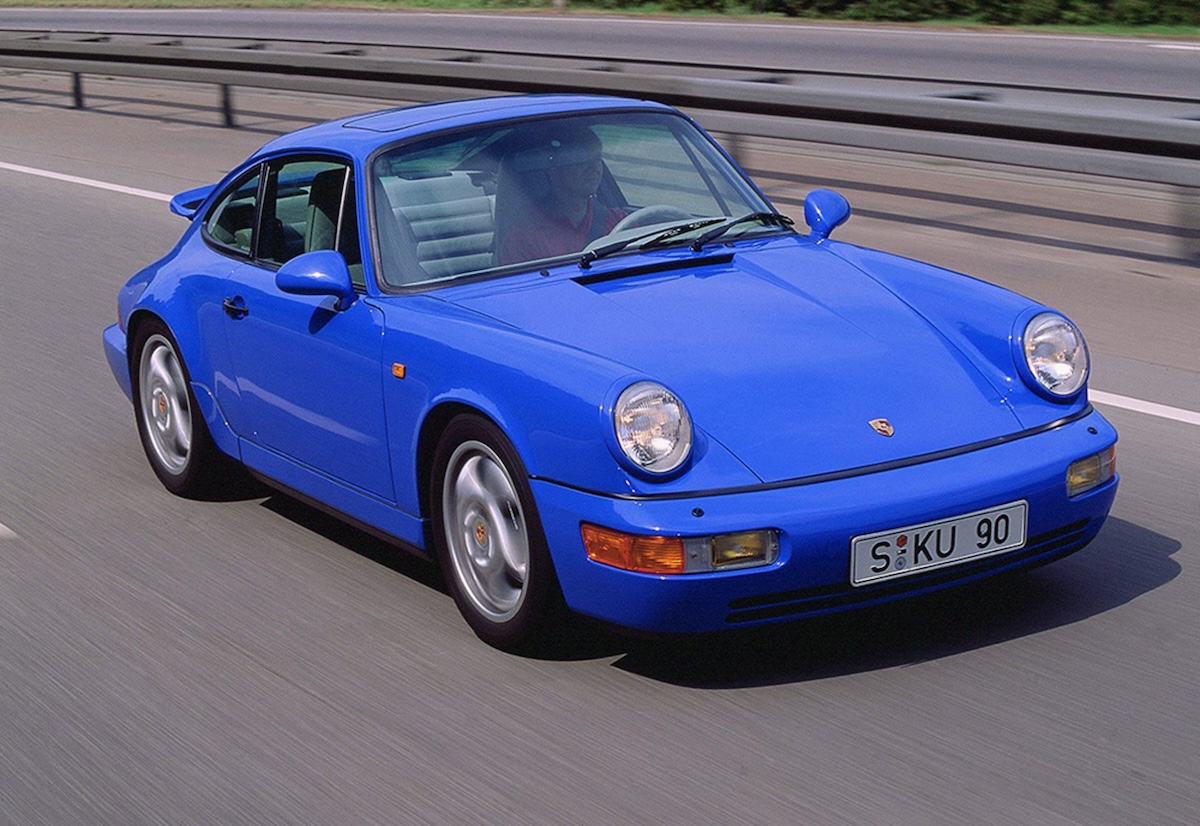
The third-generation 964 models represented the start of a modernization push for the 911. It had a more contemporary and graceful style than the traditional G-Series model of the 1980s, resulting in superior aerodynamics. This generation also introduced all-wheel drive and a then-unique deployable rear spoiler. Other additions included antilock brakes, power steering, and the Tiptronic automatic transmission.
Base Carrera models had a 3.6-litre engine that produced 247 hp, while the top Turbo model was capable of 355 hp. Besides these core models, there were many special editions. A revival of the track-ready RS trim from the 1970s was wildly popular, but it wasn't allowed into North America until later in the production run as the RS America. It's one of the more collectable 911s due to its limited production of only 701 examples.
There was also a Jubilee edition that celebrated 30 years of the 911, as well as another collectable Speedster variant. The Speedsters of this era are also rare with less than 1,000 made, including only 15 with the Turbo widebody look.
The 964 generation is as collectable as the 993 that succeeded it, due in part to its low production numbers. Compared to the previous G-Series generation, about a third as many were made, while special edition models are prohibitively expensive.
During our research, we found the small number of third-generation 911s on the Canadian used vehicle market were priced between $170,000 and $200,000.
Second Generation (1974-1988)
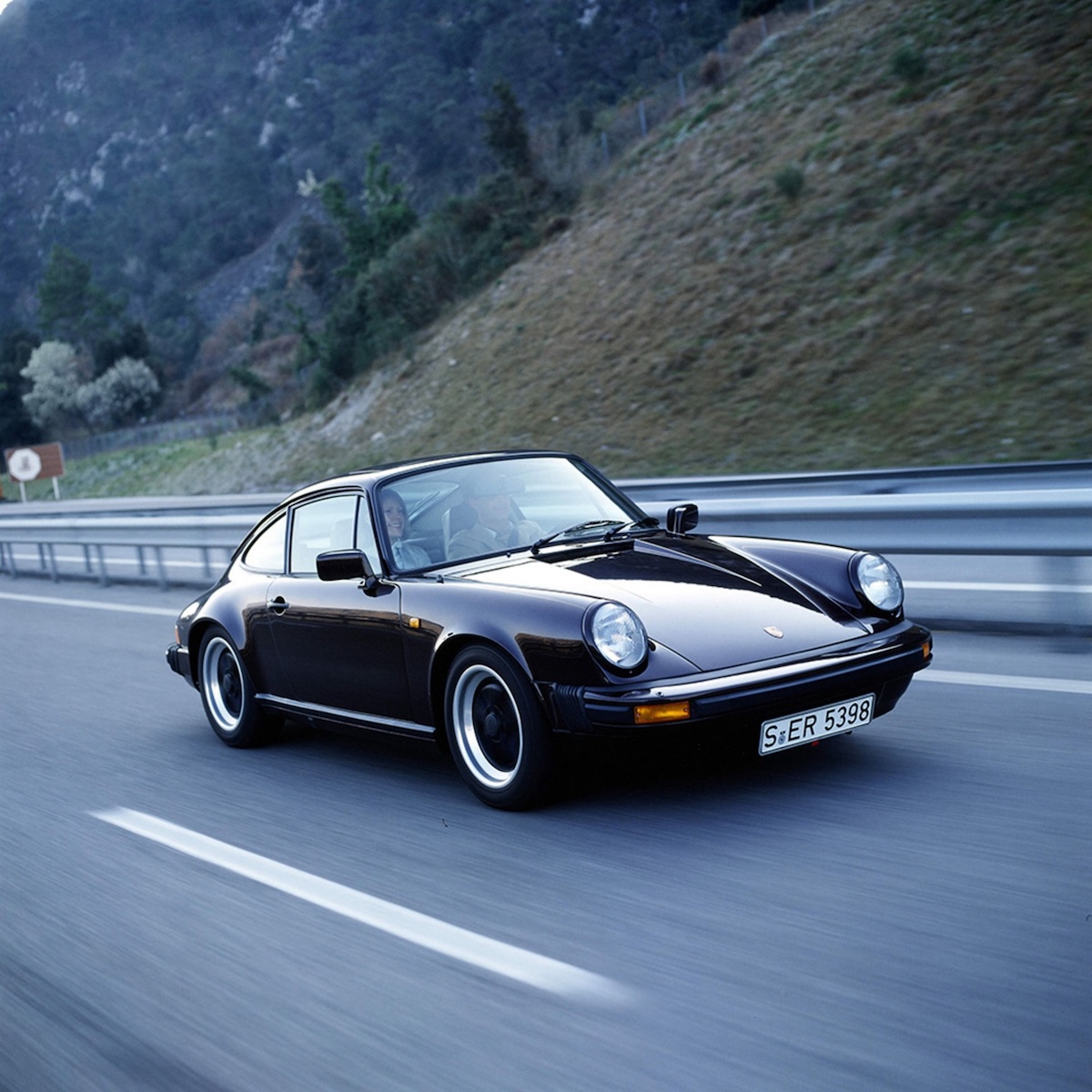
This is the car most people picture when they think of a classic 911. It’s also known as the G-Series, and its sharper design gave it a more serious look than the original. It enjoyed a prolific production run that made it ubiquitous in wealthy neighbourhoods.
The base models started out with a 207-hp 2.7-litre six-cylinder boxer engine, progressing to its zenith with a 228-hp 3.0-litre near the end of the generation. There was a brief and alarming detour in 1975 amidst the fuel crisis with the release of the 912 E—a four-cylinder variant with lower emissions and better fuel economy. In 1978, the 911 SC (for Super Carrera) replaced the base model, only to be renamed the Carrera in 1984. In 1983, the first Carrera cabriolet model was introduced, finally giving owners a true open-top experience.
The 911 Turbo made a huge impact with its 1975 debut, sporting the distinctive "whale tail" rear wing and wider body. Often referred to as the 930, these first Turbo models had a 256-hp 3.0-litre engine, with the 296-hp 3.3-litre unit arriving in 1978.
Prices for these '80s icons were once affordable, but a wave of nostalgia in the late 2010s sent prices skyward at an alarming pace, and they remain out of reach for many shoppers. Well-driven units may start below $70,000 in Canada, but prices can climb to well past $200,000 for meticulously maintained examples and as much as $400,000 for unique and special-edition vehicles.
First Generation (1964-1973)
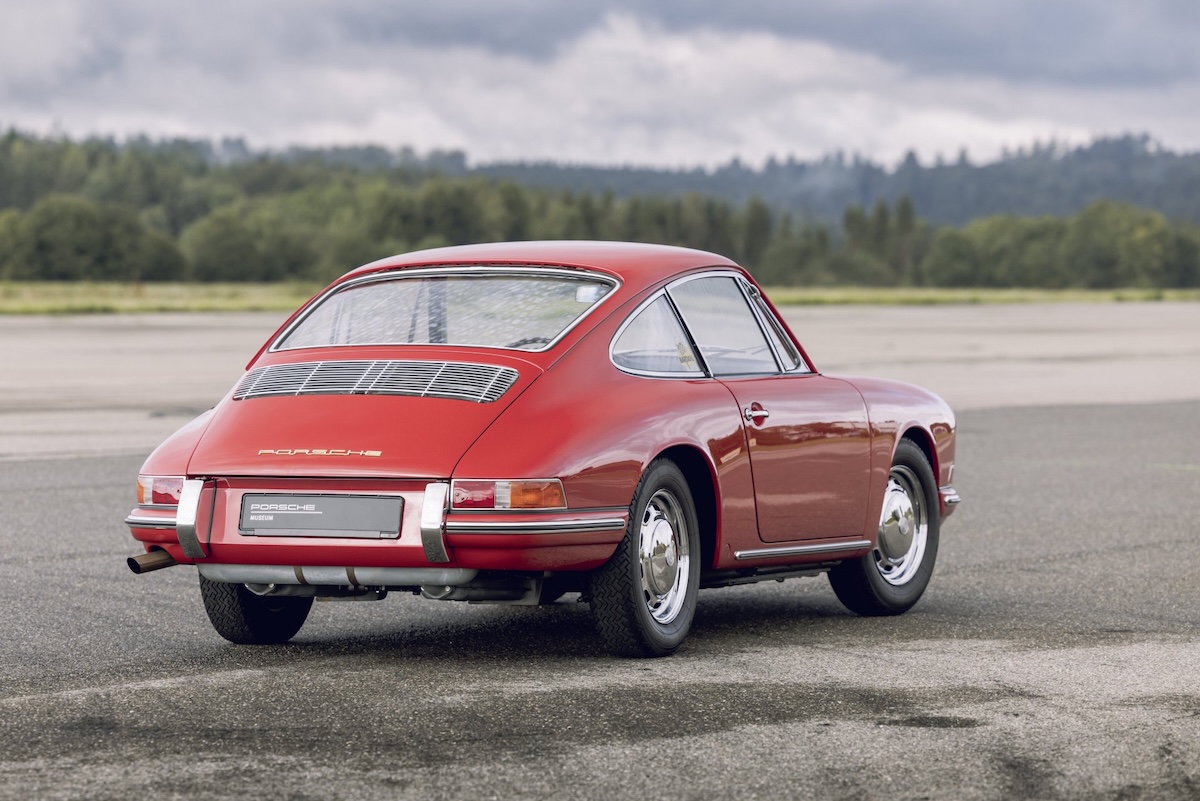
This is where it all started. The Porsche 911 was originally called the 901, but French carmaker Peugeot forced a change as it claimed a trademark on numeric car names with a zero in the middle. The 911’s ties to the Volkswagen Beetle are more pronounced with this version, though only in terms of appearance.
Power was initially rated at 128 hp—a huge bump from the Beetle's lowly 30-hp engine. In 1965, a more affordable 912 variant was introduced with a 90-hp four-cylinder pulled from the supporting 914. The Targa made its entrance that same year with its trademark stainless steel section just behind the seats that offered more protection than traditional convertibles. In 1966, a new 911 S model increased the six-cylinder engine’s output to 158 hp.
The 1972 RS models were a lightweight version intended for racing and sported a unique "ducktail" rear spoiler, which was considered a first for any production vehicle. It was also one of the more potent 911s of the time, with 207 hp.
The first generation of a vehicle is often the most collectable, but that doesn't quite apply to the original 911. The 911 RS is an outlier and continues to appreciate. Not surprisingly, the 912s are some of the least desirable examples. It’s rare for a 911 of this vintage to come up on the Canadian used vehicle market. If you find one, expect to pay six figures at a minimum.
Related Topics


by Stephanie Wallcraft
Stephanie Wallcraft is a multiple award-winning professional automotive journalist based in Toronto, Ontario, Canada. In addition to CarGurus Canada, her byline has appeared in major Canadian publications including Toronto Star Wheels, Driving.ca, and AutoTrader.ca, among others. She is a Past President of the Automobile Journalists Association of Canada and was named 2024 Canadian Automotive Journalist of the Year.
The content above is for informational purposes only and should be independently verified. Please see our Terms of Use for more details.


