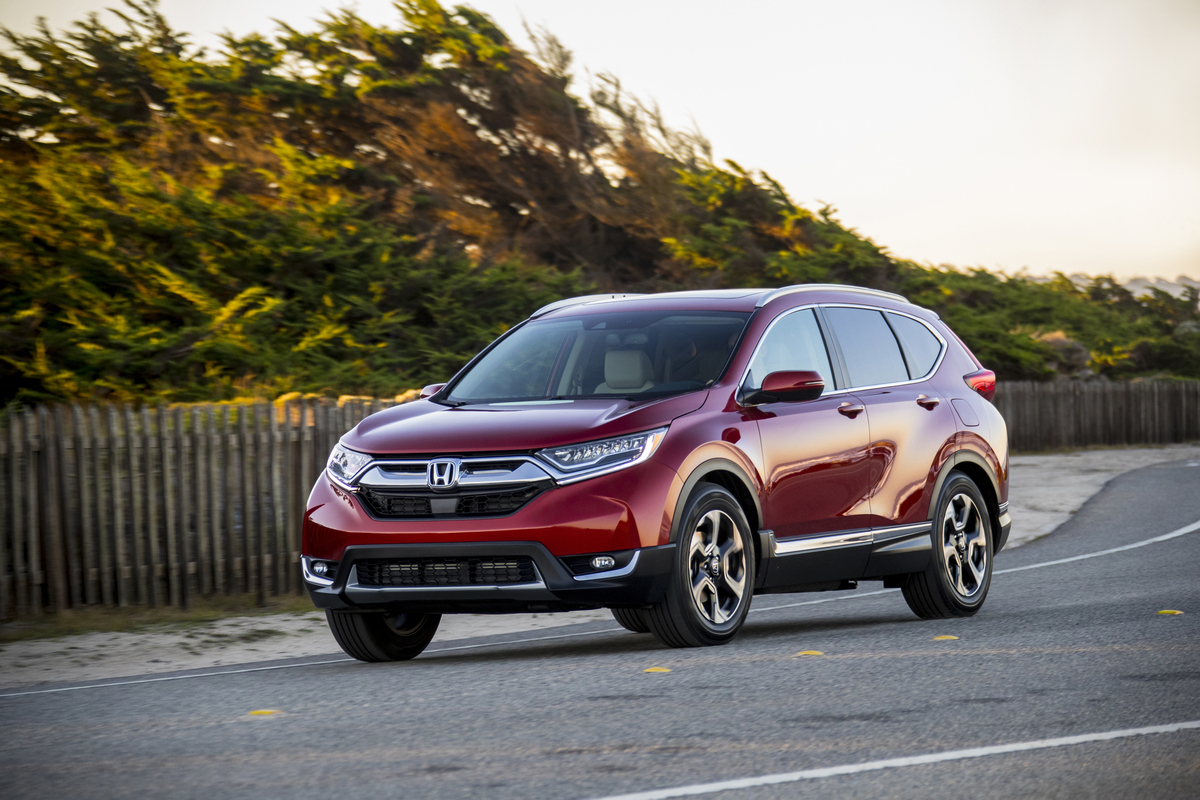
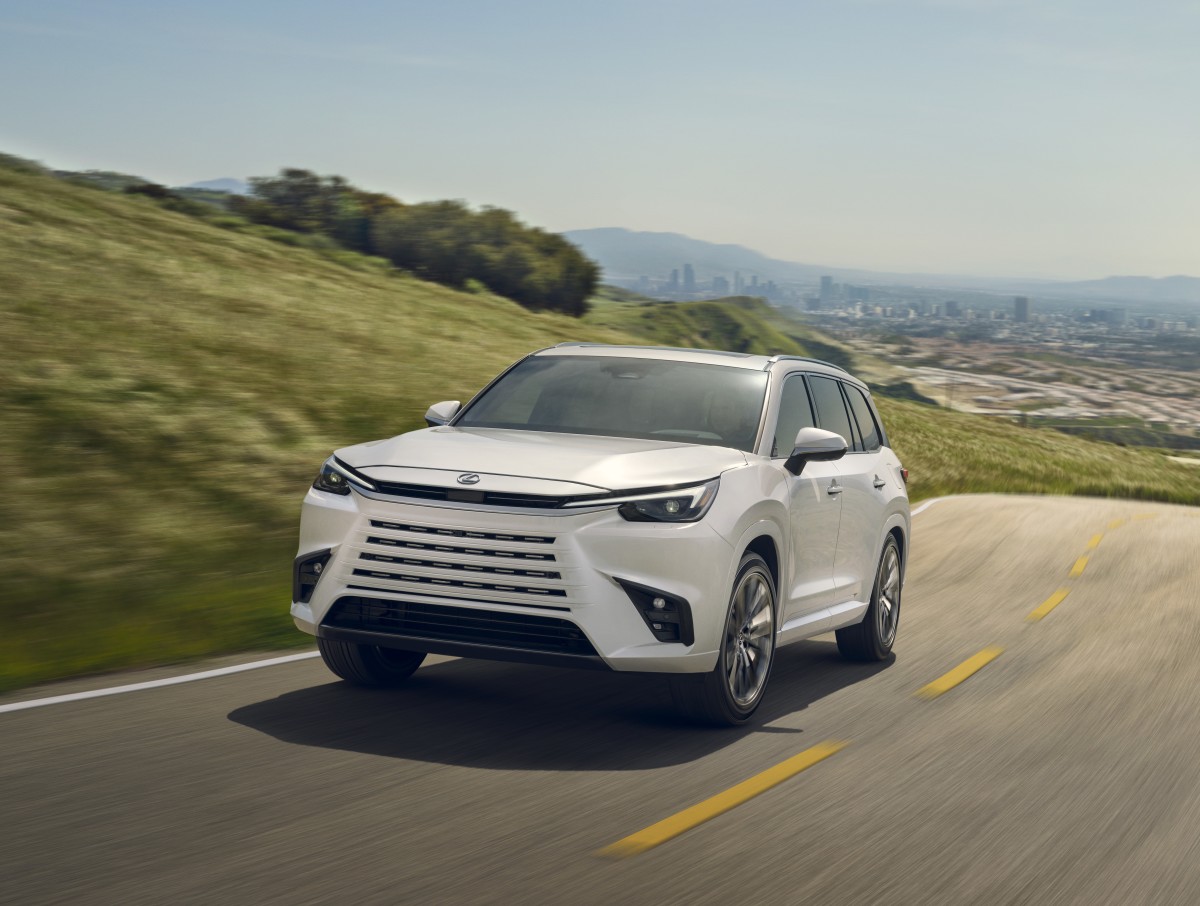
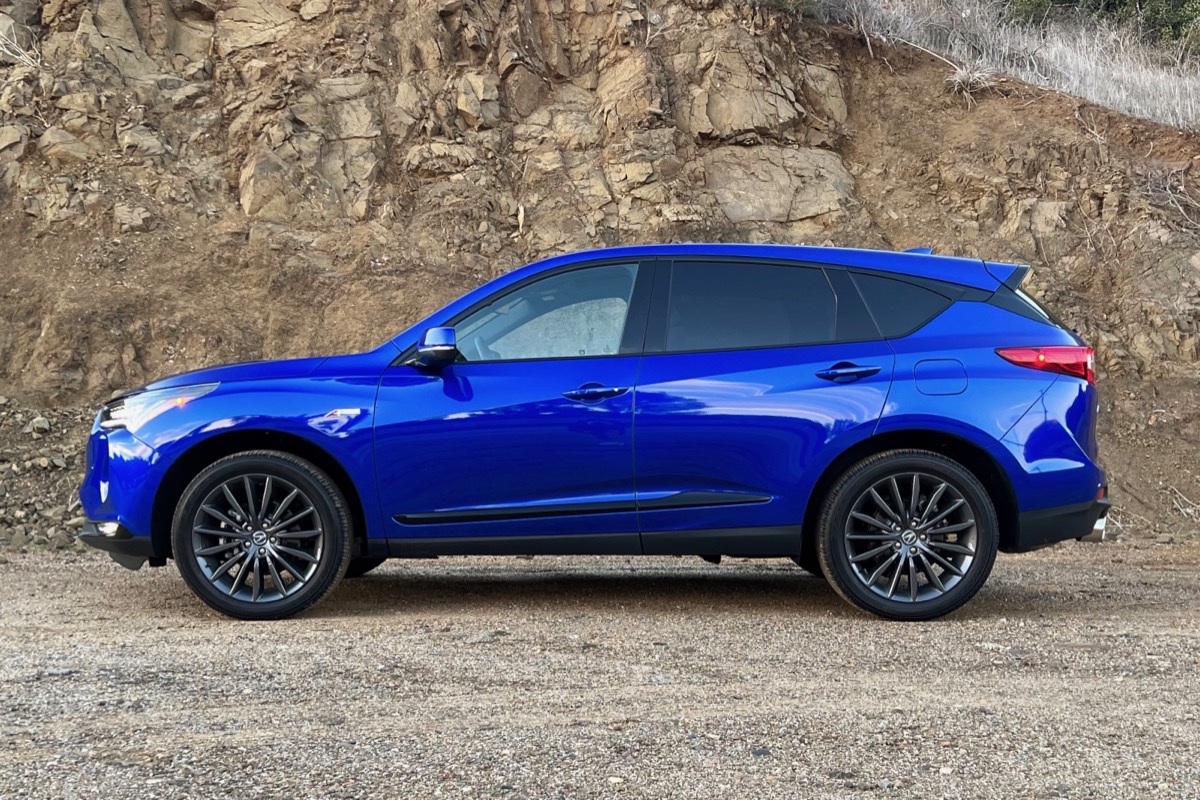
Mazda produced a number of SUVs before the Mazda CX-5 was introduced in 2013. However, it was was the first one with mass-market appeal and the first to truly capture the fun handling for which the brand is known. Conceived as a rival for the new wave of compact SUV or crossover models of the early 2010s, the CX-5 has a similar mix of attributes to cars such as the Honda CR-V and the Toyota RAV4, but a sportier character than both. With the larger, seven-seat Mazda CX-9 as its family SUV offering, Mazda could allow the CX-5 to be a bit more fun and “car-like” than many rival SUVs.
The first-generation CX-5 was the first production model inspired by Mazda’s new Kodo design philosophy, which the manufacturers says captures the sense of motion in a stationary object. It was also the firm’s first car to use its new “Skyactiv” technologies, which were designed to reduce fuel consumption and emissions while retaining the peppy performance for which the brand was known. The range of measures includes lightweight construction and improved efficiency. They were nothing groundbreaking in terms of engine design, but demonstrate Mazda’s willingness to do its own thing, especially since it chose to go down the route of large-capacity engines rather than the downsized units many rival brands were switching to.
For all the marketing hype, the CX-5 delivered the goods with sharp looks and sporty handling for an SUV. Front-wheel drive (FWD) was the default drivetrain with all-wheel drive (AWD) an option. Skyactiv gasoline engines provided the power, paired with a six-speed manual or a six-speed automatic transmission.
Introduced in 2017, the second-generation Mazda CX-5 was even sleeker and sportier-looking than the first. And while it looked great on the outside, it was arguably even more stylish on the inside with a beautifully crafted interior and a premium look and feel. The 2.0-litre engine was joined by a 2.5-litre Skyactiv engine, and both the smaller engine and the manual transmission endured until they were dropped in Canada for the 2019 model year. The choice of FWD or AWD endured until 2022 when AWD became standard. A 2.5-litre turbocharged engine was added to the line-up in 2020.
The Mazda CX-5 has always been a well-equipped car. Today, even the base GX trim includes automatic LED headlights, heated front seats, a rear-view camera, Apple CarPlay and Android Auto integration, remote keyless entry, and an adaptive cruise control system that Mazda calls Radar Cruise Control with Stop & Go. Advanced safety features fitted as standard include a lane departure warning system, lane-keep assist, blind spot monitoring, rear cross-traffic alert, and automatic high beams.
Our Mazda CX-5 buying guide has the details on each generation of the car, which are the best and worst versions for reliability, and how much you can expect to pay.
Mazda CX-5 Buying Guide: Cost, Reliability, and the Best Years to Buy
Frequently Asked Questions
Which Mazda CX-5 years are the best?
It costs a fair chunk more than the first, but the second-generation Mazda CX-5 is the best of the two cars available as of this writing in just about every other area. It’s especially stylish and good to drive for a compact SUV and has a reasonably good reliability record.
What are the worst Mazda CX-5 years?
The first-generation Mazda CX-5 has a poorer reputation for reliability than the second. Cars from 2014 and 2016 have some common issues to look out for according to CarComplaints.com. Owners cite problems with their car’s engine, electric systems, and brakes.
Is a used Mazda CX-5 a good deal?
The Mazda CX-5 is one of the best-looking and most enjoyable compact SUVs around. It has a near-premium feel inside and prices are reasonable considering the amount of equipment, so it could be a good deal if you’re looking for an SUV that gives you more of a feel-good factor than mainstream alternatives.
Mazda CX-5 Pros and Cons
Pros:
- Stylish inside and out, especially the second-generation model
- More fun to drive than most compact SUVs
- High-quality interior materials
Cons:
- Turbo versions aren’t very fuel-efficient
- Infotainment systems are slightly outdated
- Not as practical as some rivals, or the Mazda CX-50
Mazda CX-5 Generations
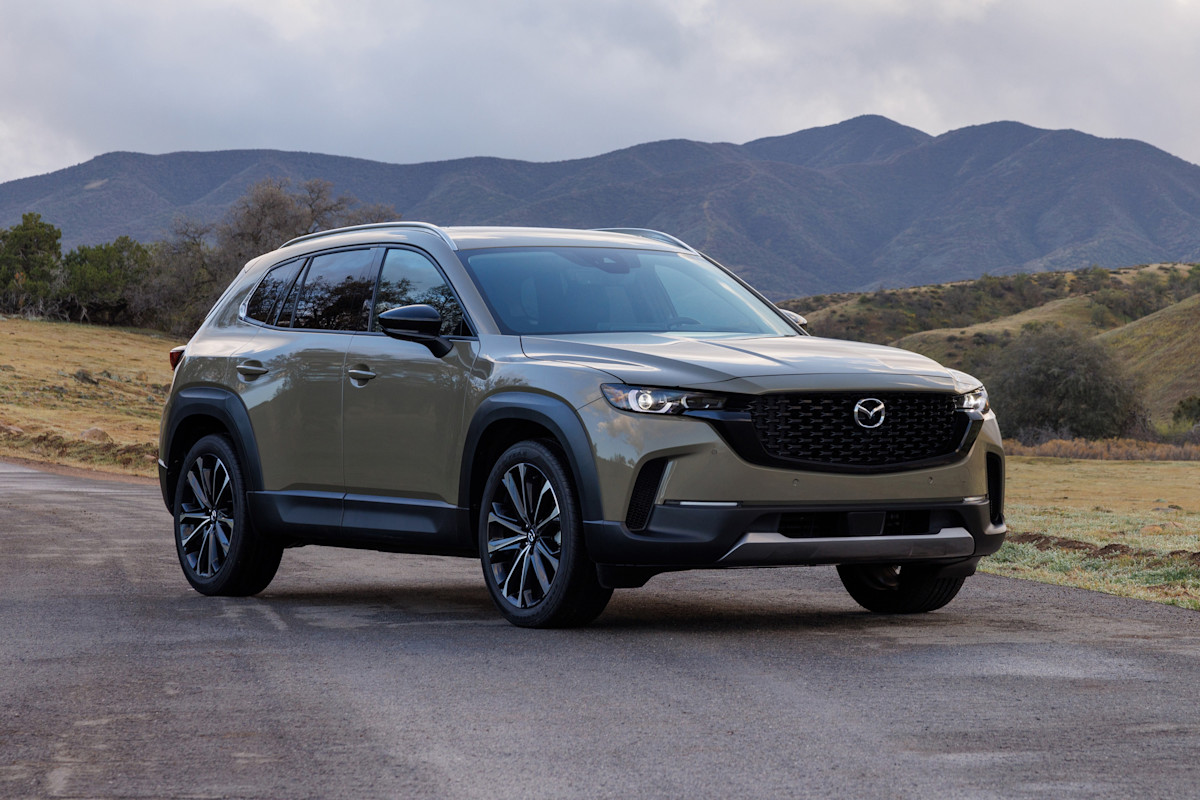 In July 2025, a third-generation Mazda CX-5 was announced that’s expected to launch for the 2026 model year. Styling has been updated to more closely match the larger Mazda CX-70 and CX-90 SUVs, and a 15.6-inch touchscreen infotainment system with Google built-in is newly available. The 2.5-litre four-cylinder engine carries over, and a hybrid powertrain is on the way for 2027. As of this writing, we’re still waiting for pricing and more details, which will be revealed as we get closer to the third generation’s launch in spring 2026.
Second generation (2017-2025)
Is there a better-looking compact SUV than the Mazda CX-5? Even at the tail-end of its production run, there are few more striking or better-proportioned cars in the compact SUV segment. The stunning exterior design and equally gorgeous interior elevated the CX-5 to near-premium status when it was introduced in 2017 for the 2018 model year, building on the strengths of the first-generation model. Although its elongated front end makes the second-generation car appear longer than the first, the two versions have almost identical dimensions, as well as the same wheelbase.
Engine options are familiar from the first car, with power initially supplied by a 2.5-litre four-cylinder Skyactiv engine. It’s channeled via a six-speed manual transmission— which was standard in Canada until 2019—or a six-speed automatic transmission. Front-wheel drive (FWD) was standard and Mazda’s i-Activ AWD was an option until 2022, when the latter was made standard equipment. An output of 187 horsepower and 186 pound-feet of torque represent tiny increases over the first-generation car. They’re enough for responsive acceleration, especially when you switch the transmission to Sport mode.
The CX-5’s sharp driving experience meant it always seemed like a car that could handle and benefit from more power. That finally arrived with the 2.5-litre turbocharged four-cylinder engine that was added to the lineup in 2020. This turbo engine is significantly more powerful with 250 horsepower and 320 lb-ft of torque (or 227 horsepower and 310 lb-ft with 87 rather than 93-octane fuel) and AWD as standard.
The single diesel version is something of a footnote. Available in limited numbers from mid-2019 and branded as the CX-5 Signature Diesel AWD, it didn’t offer a great improvement in fuel economy over gas versions with a Natural Resources Canada rating of 8.4 litres per 100 kilometres combined. It was discontinued by 2020.
Initially, Mazda CX-5 trims were familiar from the first model, following the same conventions of GX, GS, and GT. Standard equipment on the GX included 17-inch alloy wheels, a rear-view camera, air conditioning, LED headlights, air conditioning, keyless entry, and push-button start. It also includes a “Mazda Connect” infotainment package with a seven-inch touchscreen display and an SMS text delivery function.
Extras for mid-spec GS trim included a front wiper de-icer, rain-sensing wipers, heated front seats with leatherette trim, a power driver's seat, and a heated steering wheel. The GT trim pushes the luxury envelope with standard 19-inch alloy wheels, leather seats with power adjustments for the front row, dual-zone automatic climate control, on-board navigation, and a 10-speaker Bose stereo system.
An update in 2019 included the new Signature trim level, which added more features and was only available in conjunction with the 2.5-litre turbo engine. This trim featured real wood interior trim, which was impressive in a mainstream compact SUV at the time. Kuro Edition and 100th Anniversary Edition trims were added for 2021, along with a newly available 10.25-inch infotainment display. AWD became standard across the range in 2022. Other special editions have appeared over this generation’s later years in Canada, including the Suna Edition and the Sport Design.
Mazda added the CX-50 to its range for the 2023 model year, a slightly larger and more rugged SUV than the CX-5. The CX-50 complements rather than replaces the CX-5, at least for now. Top-spec models are now loaded with features, including heated rear seats, Nappa leather trim, and wireless Apple CarPlay and Android Auto connectivity.
Mazda’s reliability record has generally been good in the years since the latest CX-5 was introduced. It scores above average in independent surveys such as the Consumer Reports Annual Auto Survey and the J.D. Power 2024 U.S. Vehicle Dependability Study. The second-generation CX-5 suffers from a few common issues, though. Owners have cited engine issues on CarComplaints.com, while windshield, brake, and infotainment problems are also mentioned.
Mazda stands out in Canada for having an unlimited-mileage vehicle warranty. The new vehicle warranty applies for three years and the powertrain warranty for five years, regardless of kilometres driven.
The entry point for a used Mazda CX-5 of this era is about $16,000 if you’re looking for one with FWD and with less than 150,000 kilometres on the odometer, though most units at this price point will have been driven for longer. Higher-spec, nearly new examples that have covered 60,000 kilometres or less will save you $5,000 on average over MSRP, which tops out at just over $45,000 as of this writing.
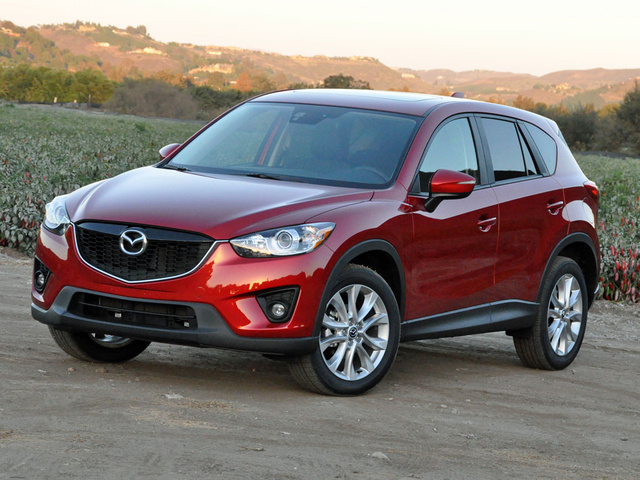
First generation (2013-2017)
Fresh from giving us some of the most stylish and fun-to-drive sedans and hatchbacks such as the Mazda3 and the Mazda6, Mazda did the same for the compact SUV segment when it introduced the first CX-5 in 2013.
Based on the same platform as the third-generation Mazda3, the CX-5’s styling took the brand in a new direction with a front grille that “flows” into the headlights and distinctive sculptured sides. The comparatively low-slung, curvy design was mirrored by sprightlier handling than you’d expect from an SUV of the time. The only letdown was the single engine available from launch: a new 2.0-litre, four-cylinder “Skyactiv-G” unit with 155 horsepower. Paired with either a six-speed manual or six-speed automatic transmission, it’s a fine engine but doesn’t quite have the pace to match the CX-5’s sporty character. That was rectified in 2014 when a 2.5-litre four-cylinder with an extra 29 horsepower joined the range. Front-wheel drive was the default drivetrain layout for all versions, with all-wheel drive available as an option.
Mazda CX-5 trim levels for this generation were the familiar GX, GS, and GT. Standard equipment included air conditioning, cruise control, power side mirrors, and 17-inch alloy wheels. A power driver’s seat, leather-wrapped steering wheel, blind spot monitoring system, and rear-view camera were available as options. An update for the 2016 model year included minor cosmetic changes inside and out and the availability of LED headlights and a city braking system for the first time.
Mazda has a decent reputation for reliability. In the time that the CX-5 has been on sale, it’s achieved a mid-table ranking in the annual J.D. Power U.S. Vehicle Dependability Study and an above-average rating in the most recent years. There are some common problems with the first-generation CX-5, though, with CarComplaints.com flagging a relatively high number of engine and electrical issues, particularly in 2014 and 2016 cars. Premature brake wear is also something to look out for.
As a new car, the MSRP for the first Mazda CX-5 ranged from about $23,000 to $35,000 in Canada, with option-laden versions topping this. Nowadays, you can pick up used examples with 200,000 kilometres or more on the odometer for less than $10,000. If you want one with less than 150,000 kilometres on the clock, you should expect to pay at least $15,000. Later, low-mileage cars top out at about $21,000.
Related Topics


 In July 2025, a third-generation Mazda CX-5 was announced that’s expected to launch for the 2026 model year. Styling has been updated to more closely match the larger Mazda CX-70 and CX-90 SUVs, and a 15.6-inch touchscreen infotainment system with Google built-in is newly available. The 2.5-litre four-cylinder engine carries over, and a hybrid powertrain is on the way for 2027. As of this writing, we’re still waiting for pricing and more details, which will be revealed as we get closer to the third generation’s launch in spring 2026.