The Chevrolet Silverado 1500 is the better-known of the General Motors full-size pickup trucks, but the GMC Sierra 1500 hits the same high notes. The Sierra’s history mirrors that of the Silverado, which is worth reiterating to shoppers looking for a used truck. In other words, you can vastly expand your pool of candidates by including both trucks in your search. Since they’re so closely related, this buying guide to the GMC Sierra 1500 will also mention the Silverado frequently.
GMC Sierra 1500 Buying Guide: Cost, Reliability, and the Best Years to Buy
Search for GMC Sierra-1500
See all


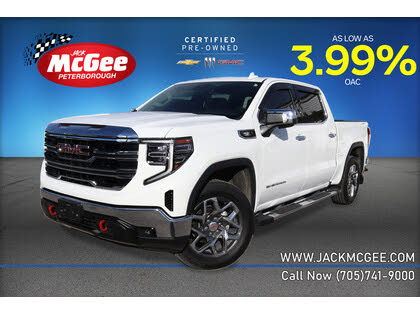


The GMC Sierra 1500 and Chevy Silverado nameplates were in play on various vehicles before becoming independent model lines. The Sierra 1500 and Silverado 1500 as we know them today were revealed in 1998, debuting as 1999 models. That year marked the first generation of Silverado and second of Sierra. (The first-generation Sierra was related to the Chevrolet C/K line of trucks and is not included in this buying guide.) The heavy-duty 2500 and 3500 versions, which aren’t covered here but are relevant to the nameplate, were introduced over the next few years.
The Sierra 1500 full-size truck is currently in its fifth generation, which was introduced for the 2019 model year. That’s a long time in vehicle lifecycles, but there have been plenty of updates in the meantime. It boasts upscale design, great trailering capability, good connectivity features, and distinct trim levels with a variety of special features and enhancements to appeal to a wide variety of buyers. These include locking differentials that enhance off-road performance and leather seating for serene highway cruising.
GMC Sierra 1500 Buying Guide: Cost, Reliability, and the Best Years to Buy
- Frequently Asked Questions
- GMC Sierra 1500 Pros and Cons
- GMC Sierra 1500 Generations
- Fifth Generation (2019-)
- Fourth Generation (2014-2018)
- Third Generation (2007-2013)
- Second Generation (1999-2006)
Frequently Asked Questions
Which GMC Sierra 1500 years are the best?
If you can afford it, stick with a Sierra from the current (fifth) generation, 2019 and on. The 2020 model in particular has high predicted reliability ratings from J.D. Power.
What are the worst GMC Sierra 1500 years?
The fourth generation, from 2014 through 2018, was known for reliability problems with transmissions, and 2014 and 2015 models are also known for engine knock and failing headlights. Some 2014 models were recalled for fire risk. Experts also recommend avoiding late second-generation models from 2001 on because of poor crash test performance.
Is a used GMC Sierra 1500 a good deal?
It absolutely can be. Buy a Sierra 1500 in good condition and avoid being tempted to pay for more power than you need.
GMC Sierra 1500 Pros and Cons
Pros:
- Lots of engine options
- Great tech in recent models
- Powerful and capable
Cons:
- Lots of problems in certain model years
- Can be expensive, even used
- Engine and trim lineups can overwhelm
GMC Sierra 1500 Generations
Fifth Generation (2019-)
Though the Sierra 1500 is the more upscale of the GMC and Chevrolet full-size pickup truck siblings, features and powertrains typically overlap between the two models with only minor changes. GMC’s “We Are Professional Grade” tagline sums up styling differences between the brands, as GMC truck cabins are near luxury in quality but without many frills or embellishments.
The Sierra 1500 got a refresh for the 2022 model year, which brought updated styling and better infotainment functionality, as well as availability of the General Motors Super Cruise semi-automated hands-free driving system. There’s also the MultiPro tailgate, which is kind of a tailgate within a tailgate — a smaller, hinged gate pops up from the main gate, offering different configurations to maximize practicality.
The Sierra 1500 is available with a variety of powertrains for the fourth generation. The list includes a 2.7-litre turbocharged four-cylinder engine rated for 310 horsepower and 430 lb-ft of torque; a 4.3-litre V6 engine rated for 285 horsepower and 305 lb-ft, a 5.3-litre V8 good for 355 horsepower and 383 lb-ft, a 6.2-litre V8 rated for 420 horsepower and 460 lb-ft, and a 3.0-litre inline-six Duramax turbodiesel engine with 305 horsepower and 495 lb-ft. Transmission options depend on the engine, and include six-, eight-, and 10-speed automatics, while rear- and four-wheel drive are available.
It’s a little more difficult to pick a GMC Sierra 1500 trim than in years past. The trim lineup for this generation consists of Pro, SLE, Elevation, SLT, Denali, Denali Ultimate, AT4, and AT4X. The Denali and Denali Ultimate feature luxurious styling and premium interior materials. The Elevation and the AT4 have rugged styling, and the AT4X builds on that by adding heavy-duty off-road hardware and upgrades such as skid plates, beefed-up dampers, and all terrain tires. It also has 16-way power heated and ventilated front seats with a massage feature, so it’s comfortable, too.
This generation of Sierra 1500 is known to be pretty reliable, and the 2020 model in particular earned lots of satisfied customers. Nearly new examples sold within the past three years will still be covered by factory warranty, too.
It should come as no surprise that late used models are the most expensive Sierras on the used market. The entry-level Pro had a starting MSRP of $52,433 in Canada at the time of writing, while the next trim level up, the SLE, costs at least $64,133. A recent used GMC Sierra 1500 should cost between $30,000 and $45,000 for a 2019 model with an average odometer reading, and between $5,000 and $15,000 less than new for a 2025 model.
Fourth Generation (2014-2018)
The fourth-generation Sierra featured more aluminum in its underbody and engine for lighter weight and better efficiency. Most versions got a seven- or eight-inch touchscreen infotainment system, depending on year and trim, with most getting standard Bluetooth, Apple CarPlay, and Android Auto. The Sierra 1500 was refreshed for 2016 with new front-end treatments and the introduction of the aforementioned smartphone integration.
The Sierra 1500 was available with a 4.3-litre V6 rated for 285 horsepower and 305 lb-ft, a 5.3-litre V8 with 355 horsepower and 383 lb-ft, and a hefty 6.2-litre V8 that boasts ratings of 420 horsepower and 460 lb-ft, as well as an impressive maximum towing capacity of 5,440 kilograms (12,000 pounds). Depending on the engine, the Sierra came with a six- or eight-speed automatic transmission, and both rear- and four-wheel drive were available, though not every trim or engine was available with both.
This generation wrapped up with base, SLE, SLT, and Denali trims. The base trim was designed for commercial duty or job site use but still well equipped with features such as Android Auto and Apple CarPlay. At the top end, the GMC Sierra 1500 Denali boasts upscale luxury and comfort amenities such as power-adjustable and cooled front seats and a Bose audio system, plus aesthetic touches like tasteful chrome trim and a distinct grille design.
Be careful with Sierras from this generation. You don’t need to avoid them entirely, but buy a later example if you can, and be thorough on your test drive and at the dealership. The fourth generation is known for reliability problems with transmissions, and 2015 models in particular are known for loud engine noises. Some 2014 versions were recalled for a fire risk, and a poor headlight design on 2014 and 2015 models made for low illumination of the road ahead, significant enough for a class-action lawsuit against General Motors.
A handful of trucks from this generation were built at GM’s Oshawa Car Assembly in Oshawa, Ontario, as the fourth generation carried over as the GMC Sierra Limited to be sold alongside fifth-generation models. Unlike the related Chevrolet Silverado, the fifth-generation GMC Sierra was not put into production in Oshawa.
Average values for this generation of Sierra range from about $12,000 to $20,000 for a 2014 model depending on trim and odometer reading, to between $20,000 and $35,000 for a 2018 example.

Third Generation (2007-2013)
The third-generation GMC Sierra 1500 was a full redesign, though some engines were carried over from the second generation. The body featured better aerodynamics for improved fuel economy ratings, using design and build techniques shared across the GM truck and SUV lineup. This Sierra was available with regular, extended cab, and crew cab configurations. A refresh in 2010 upgraded some interior trim and paired a new transmission with one of the V8 engines, and another refresh in 2012 upgraded the infotainment system.
The powertrain lineup for this generation included a 4.3-litre Vortec V6 rated for 195 hp and 260 lb-ft. The 4.8-litre Vortec V8 came in 295- and 302-hp versions, with 305 lb-ft of torque. The 5.3-litre Vortec V8 made 315 hp and either 335 or 338 lb-ft. The 6.0-litre Vortec V8 provided 367 hp and 375 lb-ft. And finally, a 6.2-litre Vortec V8 offered 403 hp and 417 lb-ft. A hybrid powertrain was also offered in this generation based on the 6.0-litre V8, though these are now exceptionally rare in Canada. Rear- and four-wheel drive were available, and most of the lineup got a six-speed automatic transmission.
Trims for this generation included WT, SLE, SLT, and Denali. 2009 was the final model year in which the GMC Sierra was built at GM’s Oshawa Truck Assembly plant. Before the plant’s closure, the Sierra and its Chevrolet C/K predecessors had been built there since 1965.
The third-generation Sierra is not known for widespread problems. Still, it’s important to shop carefully as you would with any used vehicle.
Expect to buy a third-generation GMC Sierra in Canada for between $10,000 to $16,000 on average.
Second Generation (1999-2006)
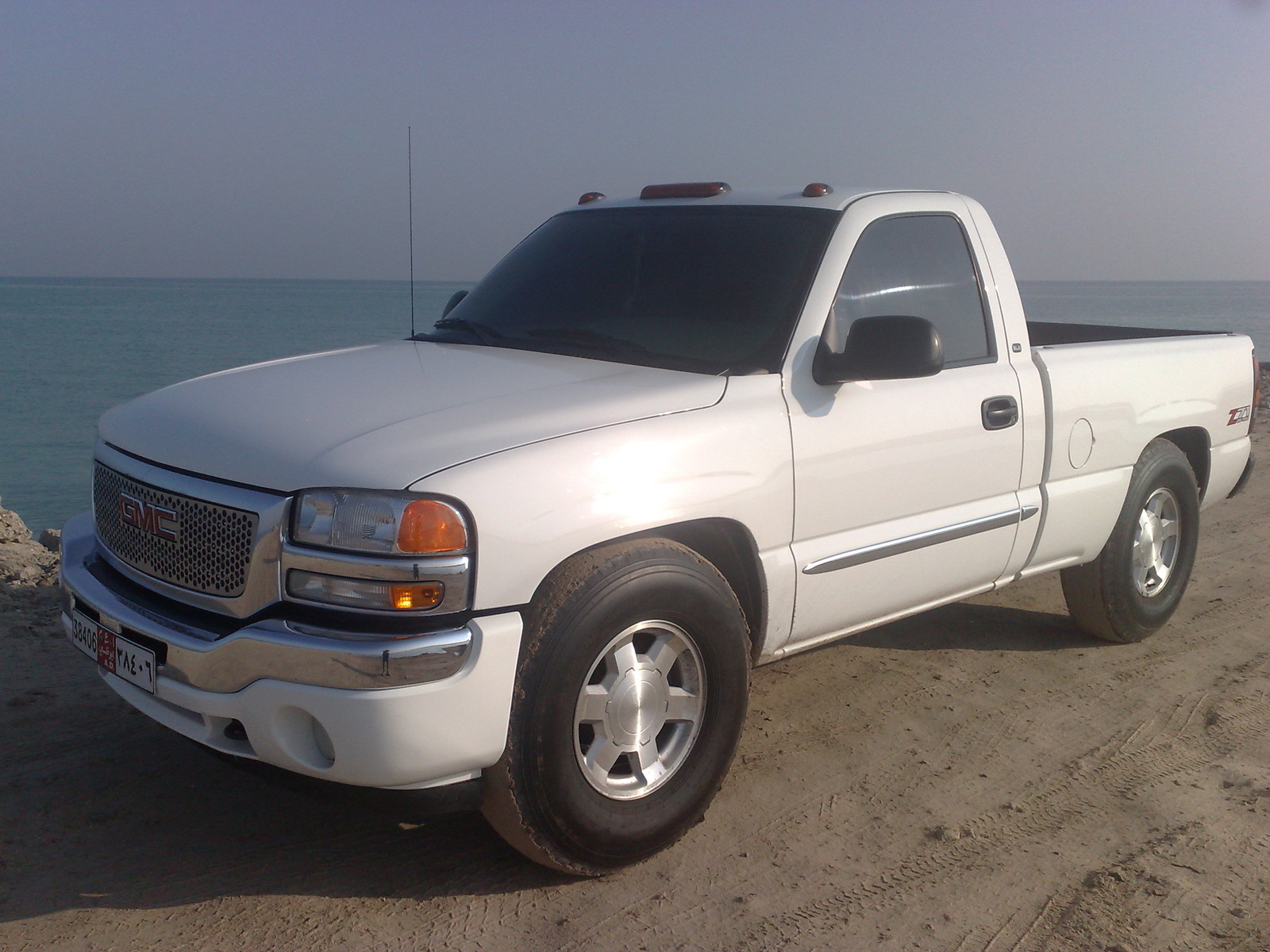
The GMC Sierra 1500 was introduced for 1999, based on the GM GMT800 architecture shared with the Chevrolet Silverado 1500 as well as GM SUVs, such as the Chevy Suburban and the GMC Yukon. A real workhorse, it was introduced with regular cab and extended cab versions, with the crew cab coming later, as well as three bed lengths, although not all cab styles and bed lengths could be paired together. A 2003 refresh introduced updated front-end and cabin styling and some new wheel designs.
This generation also featured the first General Motors hybrid powertrain for a passenger vehicle, introduced simultaneously to the Sierra 1500 and the Silverado for the 2004 model year. This truck was limited in availability and discontinued in 2009, and many examples were bought back from owners by GM.
The second-generation powertrain line-up offered a 4.3-litre Vortec V6 rated for 195 (later 200) hp and 260 lb-ft. The 4.8-litre Vortec V8 increased from 255 to 285 hp and 285 to 295 lb-ft of torque over the years. A 5.3-litre Vortec V8 engine was similarly improved over the course of the generation, with ratings incrementally rising from 270 to 310 hp and 315 to 335 lb-ft. The 6.0-litre Vortec V8 was only available in the C3/Denali in the Sierra 1500 lineup, though it was offered in some Silverado and Heavy Duty models. This engine boasted ratings of 325 hp and 370 lb-ft. Depending on the engine, the Sierra 1500 got a four-speed automatic or a five-speed manual transmission. Rear- and four-wheel drive were available.
The lineup was simple compared to later years, focusing on base and Work Truck (WT) versions, but there was one notable Sierra variation. The upscale C3 was renamed Denali in 2002, a name that carries on to this day. There was also a Z71 off-road package available for both the Sierra 1500 and Silverado 1500. Notably, the Chevy Silverado got several more variations than the Sierra, including the high-output SS, Vortec High Output, and VortecMAX versions.
Experts recommend avoiding the late first-generation models from 2001 on because of poor crash test performance, and some owners note that brake lines are prone to rusting. On the flip side, the 2006 model has had many satisfied owners over the years, with plenty of praise for engine reliability and build quality.
Due to that aforementioned rust and the tendency for Canadian pick-ups to be sold into the United States, this generation of Sierra 1500 is now very rare in Canada. Expect to pay between $5,000 for an example with a very high odometer reading and $10,000 for a low-odometer unit in great condition.
Related Topics:

by Stephanie Wallcraft
Stephanie Wallcraft is a multiple award-winning professional automotive journalist based in Toronto, Ontario, Canada. In addition to CarGurus Canada, her byline has appeared in major Canadian publications including Toronto Star Wheels, Driving.ca, and AutoTrader.ca, among others. She is a Past President of the Automobile Journalists Association of Canada and was named 2024 Canadian Automotive Journalist of the Year.
The content above is for informational purposes only and should be independently verified. Please see our Terms of Use for more details.


