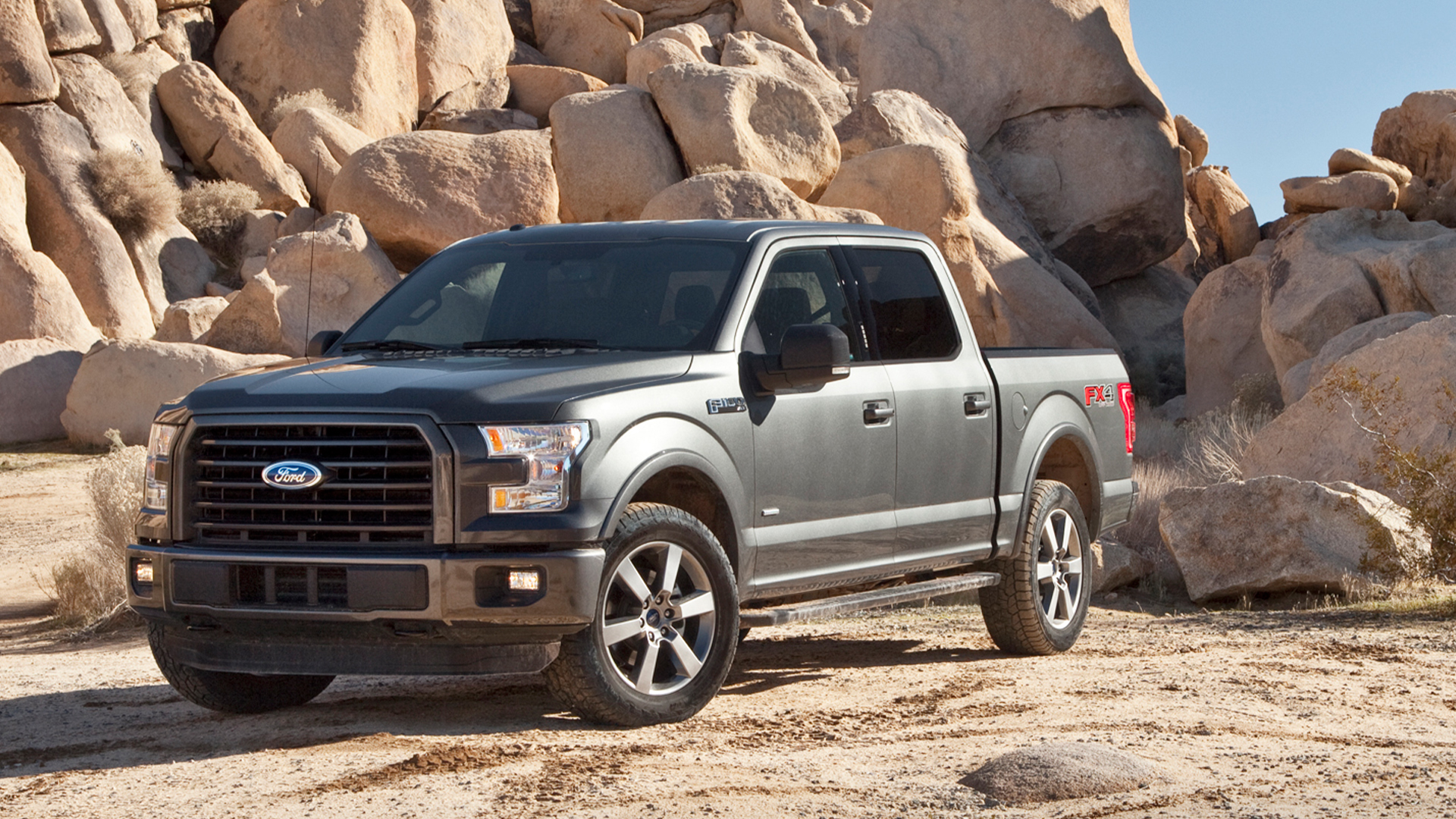
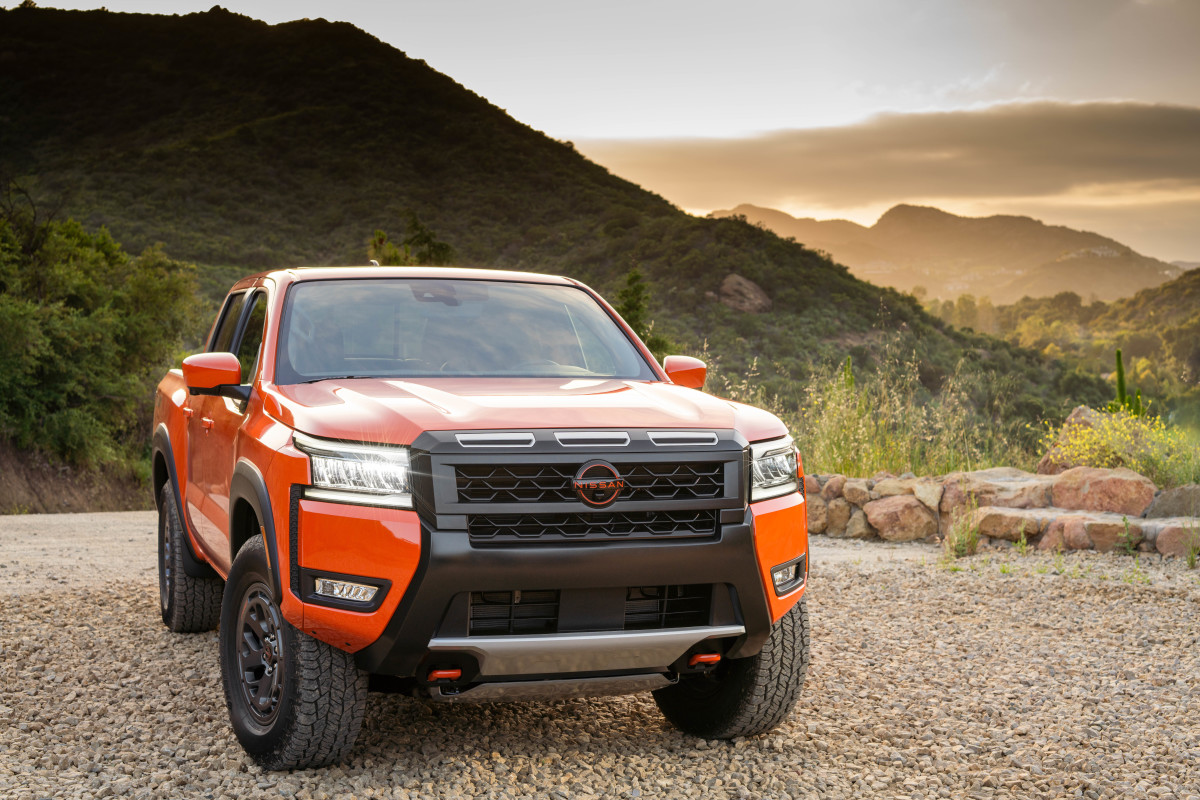
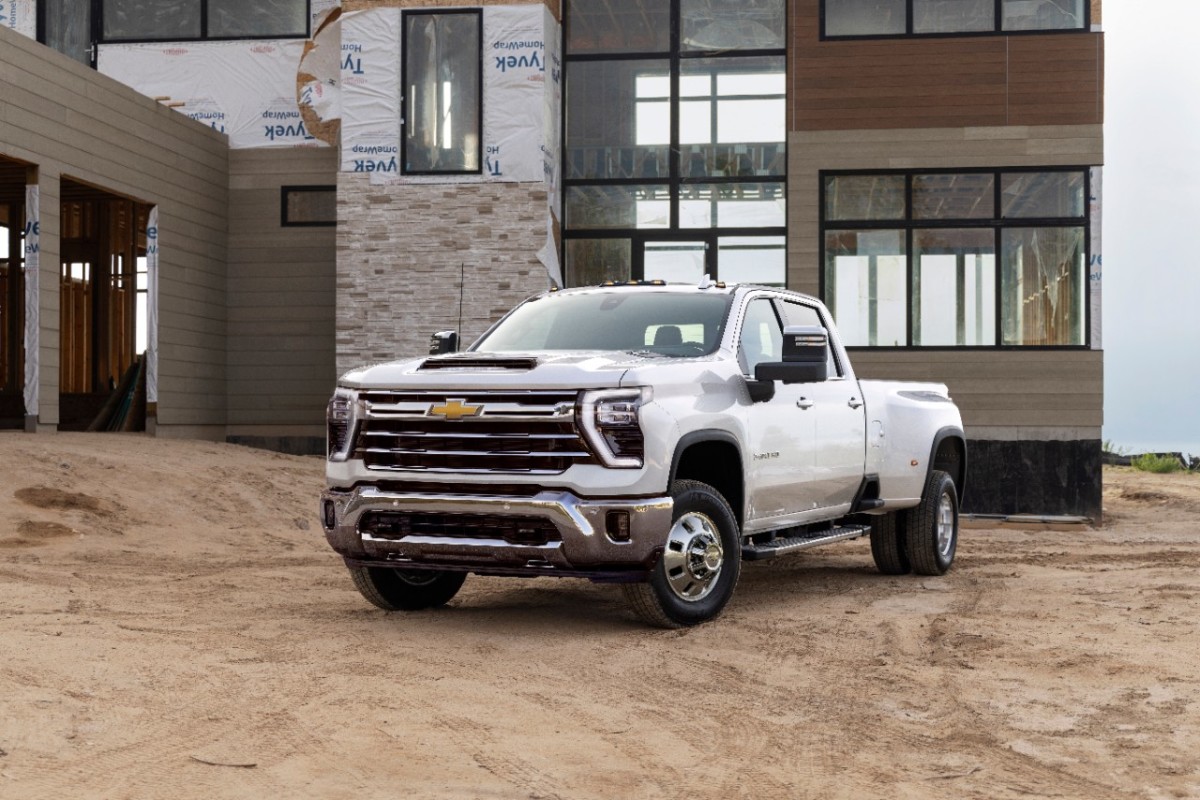
At their core, full-size pickup trucks are alike in that they’re designed to carry lots of cargo, tow heavy loads on trailers, and generally get the job done. They all have a familiar three-box shape, multiple cab styles, and varying bed lengths. Typically, a six-cylinder or a V8 engine is tasked with making it all happen, and four-wheel drive (4WD) is available when the job requires off-road driving or occurs during foul weather.
For decades, the Ford F-Series has led the segment in sales, followed by the Chevrolet Silverado. The Silverado 1500 is the light-duty version, and it first went on sale as a 1999 model when Chevy redesigned and renamed the previous C/K lineup of pickups, before which the Silverado name denoted a high-end trim package for the C/K. Within the General Motors family, the Silverado’s sibling is the GMC Sierra, which is the same truck but with different styling and packaging details.
Four generations of Silverado 1500 are available on the used vehicle market, and while some are more appealing than others, Repair Pal rates the model better than average for reliability. As for its towing and hauling talents, the Silverado 1500 typically falls behind the segment-leading Ford F-150, but usually not by much, although its safety ratings are often lower than those of its rivals.
Despite the Silverado’s shortcomings, it remains popular, usually ranking second in sales to the F-150. After all, brand loyalty runs deep with the Chevy vs. Ford crowd. For you, a used truck buyer, that means there are plenty of pre-owned pickups wearing bowtie badges from which to choose. As always, get a vehicle history report for any used Silverado 1500 you plan to purchase, and inspect the truck closely for signs of abuse, neglect, or impending repairs.
Chevrolet Silverado 1500: Cost, Reliability, and the Best Years to Buy
Frequently Asked Questions
Which Chevrolet Silverado 1500 years are the best?
The answer to this question depends on what you want from a Silverado. For example, if you’re seeking a performance-tuned street truck, the first-generation Silverado SS might best meet your requirements. If you want maximum off-roading capability, prepare to pay handsomely for a fourth-generation Silverado ZR2 or a ZR2 Bison. The fourth-gen Silverados are also best at towing and hauling and the most technologically advanced. For capability, reliability, simplicity, and budget-friendliness, consider a second-generation Silverado.
What are the worst Chevrolet Silverado 1500 years?
Based on our research, the third-generation Silverado built between 2014 and 2018 is the one to avoid except, maybe, a 2015 Silverado equipped with the 5.3-litre V8 engine and a six-speed automatic transmission. Also, there is a possible emerging trend of valve lifter failures in fourth-generation Silverados equipped with the 5.3-litre V8 engine.
Is a used Chevrolet Silverado 1500 a good deal?
A used Chevy Silverado 1500 can be a good deal, but it can also be a bad one. These trucks are engineered to handle hundreds of thousands of kilometres of use, but like any vehicle, they require regular care and maintenance. Find a clean one with a low odometer reading and plenty of service records, get a vehicle history report and an inspection, and it will likely treat you well.
Chevrolet Silverado 1500 Pros and Cons
Pros
- Second-generation model’s style, capability, and quality
- Fourth-generation model’s efficient Duramax turbodiesel engine and ZR2 off-road trim level
- Sweet rumble from larger V8 engines
Cons
- Often criticized for cheap interiors
- Commonly falls short regarding maximum towing and payload ratings
- Typically scores lower in crash tests than rivals
Chevrolet Silverado 1500 Generations
Fourth generation (2019 to Present)
Chevy introduced the fourth-generation Silverado 1500 for the 2019 model year. Larger, lighter, and equipped with greater payload and towing capacity, the 2019 Silverado lineup expanded to include new Trail Boss models equipped with a five-centimetre suspension lift from the factory.
Several new engines also debuted, including a turbocharged four-cylinder unit, a Duramax turbocharged diesel inline six, and V8s with Dynamic Fuel Management technology. The available 10-speed automatic transmission was also new to the Silverado. When equipped with the popular 5.3-litre Ecotec3 V8, Chevrolet claimed the truck could tow up to 5,530 kilograms (12,200 pounds) and carry a payload of 1,030 kilograms (2,280 pounds).
Three cab styles, three bed lengths, and six core trim levels formed the 2019 Silverado lineup. Buyers could order a Silverado 1500 Custom Trail Boss or an LT Trail Boss, making the higher-riding version more accessible to those on a budget. Both Trail Boss models included the Z71 Off-Road Package, available on all Chevy Silverado 1500 trim levels. Next-generation infotainment and driver assistance technology debuted in 2019, though an adaptive cruise control system was notably absent.
That feature arrived in 2020, along with a camera-based cargo and trailer monitoring system, offering up to 15 different views around the truck that, among other benefits, made it easier to connect a trailer to the hitch. A new Multi-Flex configurable tailgate option arrived in 2021, and the Silverado also received wireless Apple CarPlay and Android Auto that year. Additional trailering cameras became available, and the High Country model added suspension with adaptive dampers.
The 2022 Silverados brought a refresh, adding a dramatically improved interior with a 13.4-inch touchscreen infotainment system in the Chevrolet Silverado 1500 LT and up. In addition, a hardcore Silverado 1500 ZR2 off-road trim debuted that year, though critics quickly pointed out that it lacked the outright horsepower and performance of rivals from Ford and Ram. The turbocharged four-cylinder engine added more power, Chevy Safety Assist became standard, and a new Super Cruise hands-free highway driving assist system also rolled out in limited quantities. Canadian production of the fourth-generation Silverado 1500 began in May 2022. Today, the most popular configurations continue to be built at Oshawa Car Assembly as of this writing.
Notably, production issues delayed the updated 2022 Silverado, so Chevrolet continued to sell a carryover version of the 2021 model as the Silverado Limited until those problems were resolved.
In 2023, the Silverado’s remarkably fuel-efficient turbodiesel engine added more power, and Chevrolet debuted an even more capable version of the Silverado ZR2 called the ZR2 Bison. For 2024, you could get a Silverado ZR2 with the turbodiesel six for the first time, and Chevy slapped a TurboMax name on models with the turbocharged four-cylinder engine. Work Truck models added more equipment, and the 6.2-litre V8 got a standard active exhaust system in 2024.
Changes to the 2025 Silverado were minor, with Work Truck, LT, and ZR2 models adding more standard features. At the time of writing, standard equipment for the entry-level WT model in regular cab guise with a standard bed, included a rubberised vinyl floor, a black front bumper, a 40/20/40 split-bench front seat with under-seat storage, two USB ports, and the Chevy Safety Assist driver aids package, comprising automatic emergency braking, forward collision alert, font pedestrian braking, a following distance indicator, lane-keep assist with lane departure warning, and Intellibeam.
Creature comforts really kick in at double cab level and when you move up from the base Work Truck version to Custom trim. This includes Chevrolet’s infotainment 3 system with a seven-inch diagonal colour touchscreen, 20-inch alloy wheels, keyless entry and remote start, tailgate with EZ Lift assist, power lock and release, and the Trailering package. LT trim adds features such as painted aluminum wheels, an upgraded infotainment system, dual-zone automatic climate control, and a 10-way power driver seat with power lumbar support. Ascend to RST trim for standard all-wheel drive and a wrapped steering wheel, among other features.
According to CarComplaints.com, the 2019 and 2020 Silverados are the most troublesome fourth-generation versions of Chevy’s full-size light-duty truck. Complaints relate to the transmissions and engines, with emerging reports of valve lifter failure in the 5.3-litre V8. You may want to avoid that engine or get a robust extended warranty that promises to cover future powertrain problems.
For a fourth-gen Silverado with less than 100,000 kilometres, expect to pay anywhere from $30,000 to $45,000 for a clean Work Truck to more than $70,000 for a Silverado ZR2.
Third generation (2014 to 2019)
The third-generation Silverado 1500 lasted only six model years, kicking off with a 2014 redesign featuring styling by T-square. Highlights included new or updated powertrains, lighter curb weights, higher towing capacities, and improved fuel economy thanks to standard cylinder deactivation technology. Chevrolet’s MyLink infotainment system offered up to an eight-inch touchscreen display, and the Silverado received added safety features, including forward-collision and lane-departure warning systems.
Regular cab, extended cab (Double Cab), and crew cabs married to short, standard, and long cargo beds, and the Double Cab versions featured four conventional front-hinged doors for the first time. Direct-injected gasoline V6 and V8 engines and a six-speed automatic supplied up to 5,440 kilograms (12,000 pounds) of maximum towing capacity. At the same time, the new Silverado 1500 High Country and Z71 trim levels added another layer of luxury and off-road ruggedness, respectively.
An eight-speed automatic debuted in 2015, but only for the largest and most powerful 6.2-litre V8 engine. That transmission expanded to the smaller 5.3-litre V8 in 2016, and the Silverado received new front styling to accommodate LED headlamps. Improved infotainment systems featuring Apple CarPlay and Android Auto debuted in 2016, and the truck received a lane-keeping assist system that year.
For 2017, the Silverado added active grille shutters to eke out better fuel consumption, while new Teen Driver technology helped parents monitor how young drivers used the truck. Most Silverados had a reversing camera in 2017, and an automatic emergency braking system worked to prevent low-speed collisions. An automatic engine stop-start system arrived in 2018 to further improve fuel economy, and all versions of the truck had a touchscreen infotainment system and a reversing camera that year.
Chevrolet redesigned the Silverado for the 2019 model year but carried the old third-generation design into 2019. Sold as the Silverado LD, it came with a stripped-down lineup at a comparatively bargain MSRP. These trucks were built at GM’s Oshawa Car Assembly in Oshawa, Ontario, marking the first Canadian Silverado production in 10 years.
CarComplaints reports that the third-generation Silverado 1500 was the most problematic, mainly due to trouble with transmissions, which started when the eight-speed automatic became available. Most owner concerns are down to poor shifting, but transmission failures are also said to be an issue. The 2014 Silverado specifically appears to suffer more frequent heating and air conditioning problems than other third-gen trucks.
Used Silverados of this vintage and with less than 100,000 kilometres are still relatively common. A low-kilometre Work Truck shouldn’t cost more than $35,000, while plush High Country variants are usually priced at less than $50,000. Silverados that have traveled closer to 150,000 kilometres typically provide roughly to a $10,000 discount from those values.
Second generation (2007 to 2013)
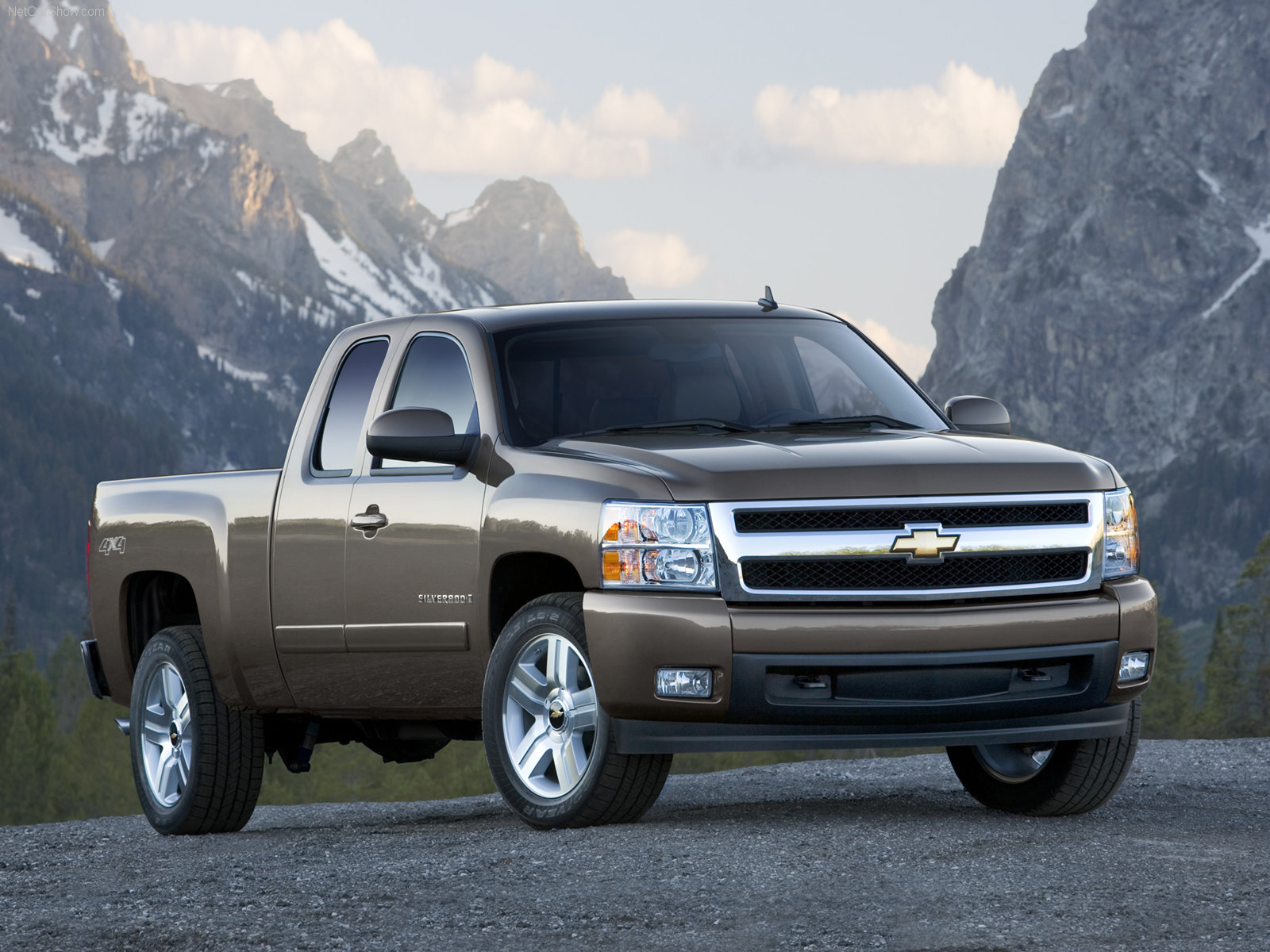
Chevrolet redesigned the Silverado 1500 for the 2007 model year, addressing customer complaints about the substandard interior quality while giving the truck a clean, appealing design with bold fender flares. Power did not come at the expense of fuel economy, and when properly equipped, the 2007 Silverado 1500 could tow up to 4,760 kilograms (10,500 pounds). The SS disappeared with the redesign, but the Silverado 1500 LTZ (the new LTZ at the time) added many luxurious touches.
In 2008, an integrated trailer brake controller became available, followed by a new 6.2-litre V8 making over 400 hp in 2009. That year also brought a more sophisticated six-speed automatic transmission for larger engines, replacing the previous four-speed unit, and tech advances included Bluetooth and a reversing camera. 2009 was the final model year of Silverado built at GM’s Oshawa Truck Assembly plant. Pick-ups wouldn’t return to Oshawa until a decade later.
More standard safety features and a USB port arrived in 2010. Though the second-generation Silverado 1500 was half a decade old by 2011, Chevrolet decided it shouldn’t fix what wasn’t broken. That year, the big news was a next-generation OnStar connected services platform. Minor styling updates, trailer sway control, and a hard-drive-based navigation system arrived in 2012, and Chevy made almost no changes to the Silverado in 2013, this generation’s final model year.
During its seven-year run, the second-gen Silverado 1500 came in three cab styles with multiple bed lengths and several trim levels. The engine lineup included gasoline V6 and V8 engines, and by 2013, the Silverado’s towing capacity was up 90 kilograms (200 pounds) to 4,850 kilograms (10,700 pounds). Four-wheel drive was an option, and a Z71 Off-Road Package installed specialized equipment for heading off the beaten path. Chevy also built a Silverado Hybrid during this period, but with its low production volumes, it’s now exceptionally rare in Canada.
Like the first-generation Silverado, the second-generation truck proved reliable. Excessive oil consumption is the most commonly cited issue according to CarComplaints, suggesting a properly maintained 2007-2013 Silverado is a truck you can count on. Still, it’s always a good idea to perform a vehicle history check and have any used Silverado inspected for signs of neglect and abuse.
You can find a second-gen Silverado with an odometer reading around 200,000 kilometres for as little as $9,000, while lower-kilometre examples in great shape can approach the $20,000 mark.
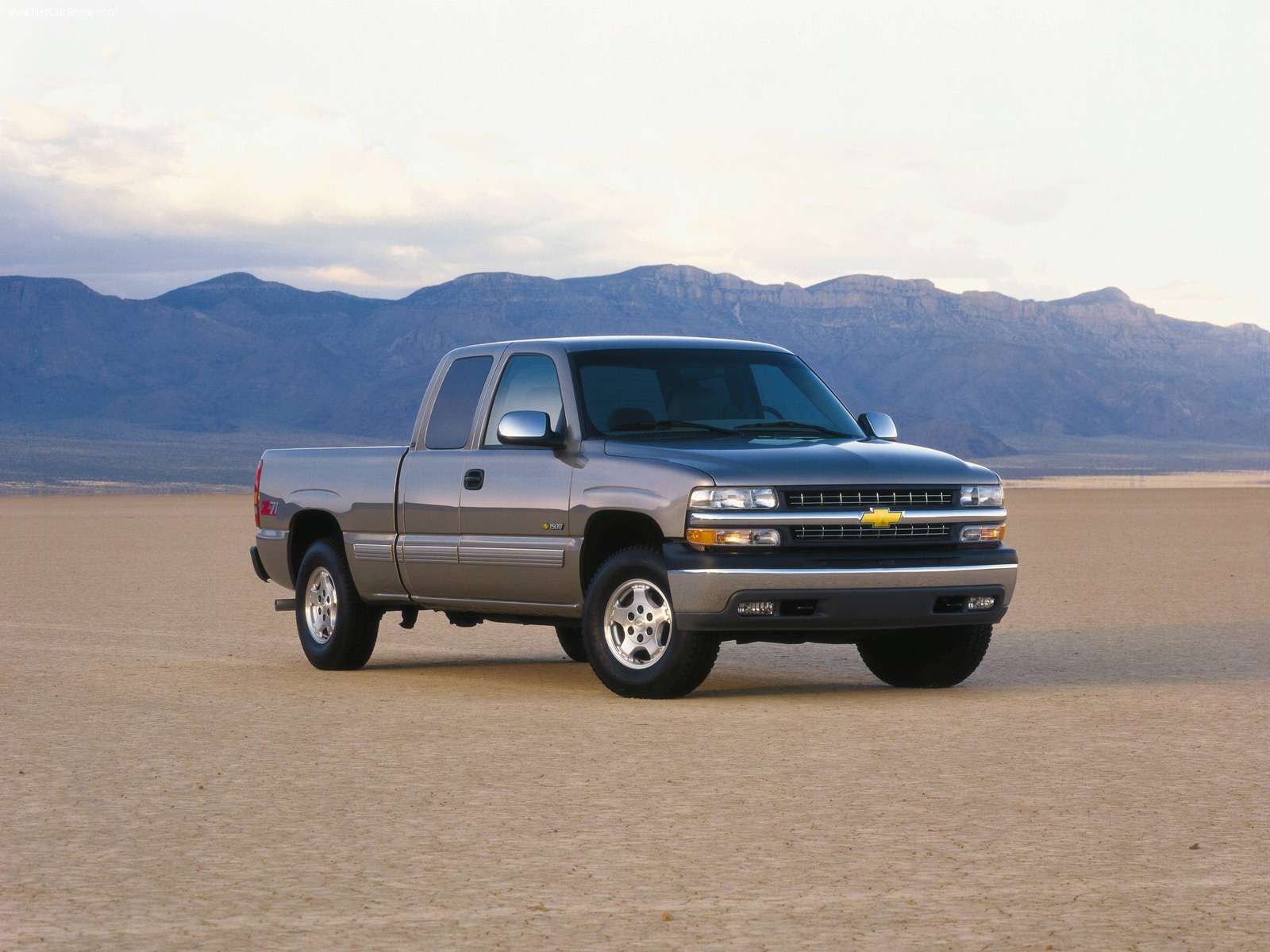
First generation (1999 to 2007)
Before the 1999 model year, Chevrolet used the name Silverado to denote a trim package on its C/K Series full-size pickups. When a redesign arrived for 1999, it was so radically different from the C/K, which originated in 1973, that Chevy elevated the trim name to model name status, and the Silverado was born. Like the C/K, the first generation Silverado was assembled for the Canadian market in Oshawa, Ontario.
Substantially modernized, the first-generation Silverado 1500 light-duty pickup was a much better truck than the C/K. Regular and extended cab models were available, paired with standard or flared cargo beds. Gasoline V6 and V8 engines powered the Silverado unless the original owner got the diesel V8, and the maximum towing capacity was 3,720 kilograms (8,200 pounds).
The Silverado 1500 was an impressive pickup when it was new. Chevrolet regularly updated it over the years, adding more power, practicality, and panache. In 2001, technological advancements such as traction control and OnStar services became available. In 2002, an optional ProTec composite cargo box reduced the truck’s weight while also resisting damage.
The 2003 Silverado was thoroughly refreshed with edgier styling, an improved interior, a premium sound system, satellite radio, and additional safety features. That same year, Chevy refined the mechanicals and added an optional Quadrasteer four-wheel steering system.
Chevy revealed the Silverado SS in 2003. Equipped with a 345 hp 6.0-litre V8, a throaty exhaust system, performance suspension, and 20-inch wheels, the SS was a quick truck that handled well and sounded terrific, but it was still slower in a straight line than the Dodge Ram SRT10 and the Ford F-150 SVT Lightning.
The 2004 Silverado lineup gained a new crew-cab body style and a more affordable Work Truck (WT) version, while other trims added equipment. In 2005, Chevy offered a mild-hybrid version of the Silverado in limited quantities. Quadrasteer was gone by 2006, but a new VortecMax package paired a 6.0-litre V8 with heavy-duty towing equipment. In 2007, Chevy sold the first-gen Silverado alongside the second-gen model, calling the old design the Silverado Classic.
According to Repair Pal, first-generation Silverados are reliable, with few reported problems. Common ones relate to a sensor in the AWD system’s transfer case, the heating and air conditioning, steering clunks, and minor electrical issues. Pay closer attention to the vehicle history report and the truck’s overall condition than the odometer, as these Silverados were engineered to go the distance.
Between rust issues due to our climate and the number of Canadian trucks that have been sent to the United States, this generation of Silverado is now rare in Canada. If you can find one, you shouldn’t need to pay more than $10,000 for it.
Related Topics