Introduced for the 2004 model year, the BMW X3 is a compact yet luxurious SUV that blends practicality with the driving dynamics that have become one of the brand’s hallmarks. Smaller than the X5, the X3 is more affordable but still delivers the premium features and the agility and driving engagement for which BMW is known. It’s a worthy rival to cars such as the Audi Q5, the Mercedes-Benz GLC, and the Volvo XC60.
BMW X3 Buying Guide: Cost, Reliability and the Best Years to Buy
Search for BMW X3
See all


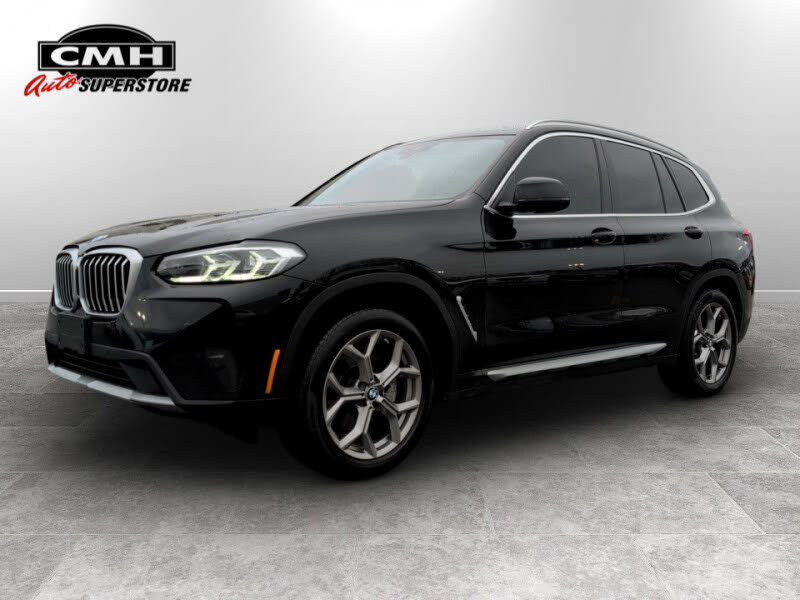

You’ll want to check out the BMW X3 if you’re looking for a car with a sporty feel that drives more like a regular car than an SUV. It’s not really designed for use off-road, but it has all the usual advantages of an SUV, such as a high riding position and ease of access.
You can choose from a range of strong powertrains, and all models have high-quality interiors and technology that were state-of-the-art for their time. Throughout its various generations, the BMW X3 has evolved to include more luxury features, even more advanced tech, and better fuel efficiency—but it’s never lost its sporty character.
BMW X3: Cost, Reliability, and the Best Years to Buy
- Frequently Asked Questions
- BMW X3 Pros and Cons
- BMW X3 Generations
- Fourth Generation (2025-)
- Third Generation (2018-2024)
- Second Generation (2011-2017)
- First Generation (2003-2010)
Frequently Asked Questions
Which BMW X3 years are the best?
The third generation of the BMW X3, with model years between 2018 and 2024, has an excellent reputation. Cars from these years came with excellent tech, better performance than previous models, excellent fuel efficiency, and improved interior quality that put the X3 ahead of many of its rivals. Reliability has generally been good, too.
What are the worst BMW X3 years?
Various issues have plagued the first-generation facelifted X3, covering model years 2004 to 2010. Issues with harsh ride quality, reliability, and soaring repair costs have left it with the worst reputation of all the X3s. Owners have also reported problems with the transmission, the suspension, and the electrical systems.
Is the BMW X3 a good deal?
If you want a luxurious driving experience, a sporty character, and a prestigious badge, then the BMW X3 can be an excellent deal. But be aware that, as a premium car, the BMW X3 carries higher maintenance and repair costs compared to similar cars from non-luxury brands. It’s a great car, but that excellence—and the image that goes with it—comes at a price.
BMW X3 Pros and Cons
Pros:
- Sporty handling and powerful engines
- Great-quality interior
- Newer models have advanced tech and safety features
Cons:
- High maintenance and repair costs
- Poor ride quality on early models
- Some rivals have more passenger space in the rear
BMW X3 Generations
Fourth Generation (2025-)
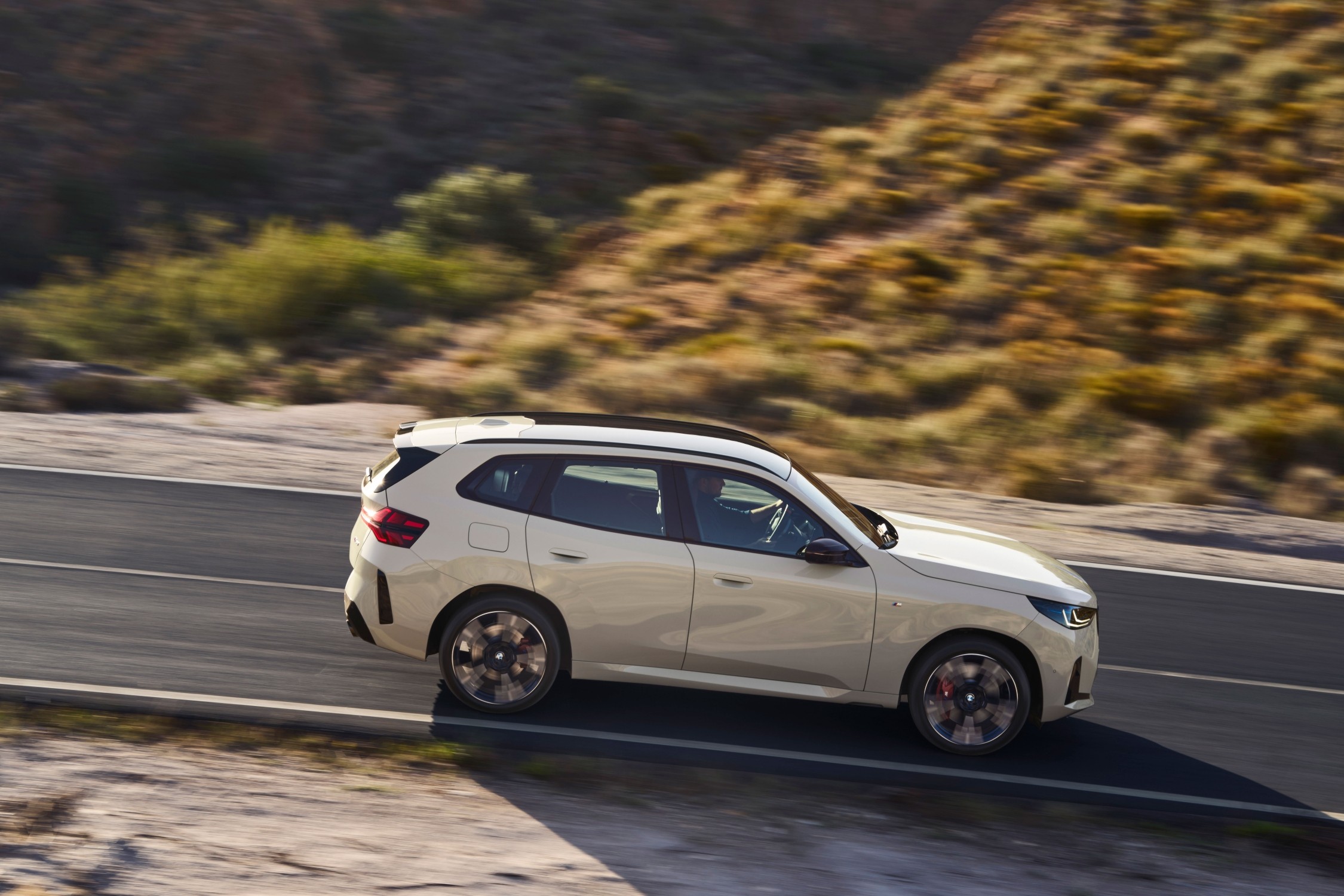
Built at BMW’s USA plant in Spartanburg, South Carolina, the fourth-generation BMW X3 was all-new for the 2025 model year, although the format is very familiar to earlier incarnations. The exterior lines are sharper and the kidney grille larger. There’s new tech inside and some new engines, including a turbocharged 2.0-litre four-cylinder unit with 255 horsepower in the X3 30 or a turbo inline six in the X3 M50, which pumps out 393 hp. Both use an eight-speed automatic transmission and come with standard xDrive all-wheel drive (AWD) in Canada.
All versions in Canada are generally well kitted out with 19-inch wheels, a powered tailgate, a panoramic sunroof, dual-zone climate control and (synthetic) leather upholstery on powered, heated front seats. The latest BMW iDrive infotainment system is included, with a big 14.9-inch touchscreen that features wireless Apple CarPlay and Android Auto, plus a wireless charger for your phone. The performance M50 model gets bigger brakes, a sport suspension, and an upgraded 12-speaker sound system, which you can beef up to a 16-speaker Harman Kardon system as an option.
An optional M Sport package can further enhance the X3’s performance credentials with sport steering and brakes for the xDrive30.
At the time of writing, the latest X3 is so new that a picture of its reliability hasn’t yet been built up. All used models will be as near to new as you can get.
The manufacturer’s suggested retail price (MSRP) in Canada starts at $63,188 for the X3 30, while the X3 M50 starts at $81,188. We’ll have a better idea of how well value holds up on the used vehicle market once the first round of leases starts coming back into dealerships beginning in 2028.
Third Generation (2018-2024)
The third-generation BMW X3 launched for the 2018 model year and was very well received by critics and customers alike. It stuck with the familiar recipe, mixing modern technology such as LED headlights, Apple CarPlay and Android Auto, and the latest connectivity options with luxury SUV features and engaging driving dynamics. On top of that, it brought significant improvements over earlier generations in terms of comfort, performance, and tech upgrades with adaptive suspension and automatic climate control.
As before, multiple trim levels were available, including the high-performance X3 M. The BMW X3 xDrive30e plug-in hybrid arrived in Canada for the 2020 model year, bringing with it a combined 288 horsepower and 29 kilometres of all-electric range.
Basic X3 xDrive30i models used a 2.0-litre four-cylinder engine with 248 horsepower and an eight-speed automatic transmission. More powerful versions such as the X3 M40i had a more potent straight-six drivetrain with up to 382 hp or up to 503 hp in the range-topping X3 M Competition.
Whatever engine you went for, the X3 had sharp handling with great feedback through the sport steering wheel and plenty of stability through corners and on the highway. It was one of the most engaging SUVs to drive in this class, but also a great family car with lots of legroom in the rear seats, premium materials inside, BMW’s excellent iDrive touchscreen infotainment system and, on higher trim levels, luxuries such as upgraded leather upholstery and a panoramic sunroof.
The third-generation BMW X3 has generally had good reliability ratings, but it’s worth keeping an eye on electronics systems and making sure any used car you’re considering has a full maintenance history. Watch out for any oil leaks or cooling system issues.
Early model year, higher-kilometre examples of the third-generation BMW X3 start at around $19,000, but those with more moderate odometer readings start at around $24,000 for the entry level xDrive30i. The plug-in hybrid X3 xDrive30e starts at around $30,000, while the M40i begins at around $38,000. Prices rise to roughly $70,000 for a nearly new model.

Second Generation (2011-2017)
Sold from the 2011 model year until 2017, the second-generation BMW X3 saw some significant improvements over the model that preceded it. A more refined suspension system ironed out complaints about ride quality, and the interior comfort was upgraded to match. A set of turbocharged engines was introduced for the first time, giving extra power and better fuel economy. The range included the popular xDrive28i model, with a 2.0-litre four-cylinder engine, and a 3.0-litre inline-six in the xDrive35i.
Throughout the second generation, BMW’s xDrive all-wheel drive (AWD) was standard on the X3 in Canada. A diesel was also made available in 2015, known as the xDrive28d, and was sold until the final model year of this generation in 2017.
As with its predecessor, the second-generation BMW X3 has generally proved reliable, but there are some common issues to watch out for. Early models had problems with the automatic transmission, and owners also reported oil leaks and occasional hiccups with the electric systems. As with all turbocharged engines, regular maintenance is a must to avoid expensive repairs, so check that any potential purchase’s service history is up to date.
High-kilometre second-generation BMW X3s can be found for as little as $5,000. Early examples with more reasonable odometer readings generally start at around the $10,000 mark, while the later 2015 to 2017 models typically command a higher price, from around $15,000. Later models with low kilometres reach around $23,000.

First Generation (2003-2010)
The first-generation BMW X3 is the car that started it all, but the original isn’t always the best. While BMW’s first compact SUV was praised for its sharp handling and premium feel, its harsh ride quality drew a lot of criticism from customers that expected more from a luxury SUV. Although it came with powerful inline six engines, these first X3s lacked the refinement of later models.
The interior also wasn’t of the quality that we’ve since come to expect from BMW SUVs, or indeed from rivals of the time. Functional? Yes. Plush? Not so much. Still, the first X3 remains a spacious car for its size, and there’s lots of trunk space, so it’s a practical choice if you need more space than what a sedan can offer.
Even the newest first-generation BMW X3 is nearly 15 years old, so there will be age-related degradation to watch out for. On top of that, the first-generation BMW X3 had several known issues, such as a harsh ride quality and problems with the automatic transmission. Check for oil leaks on high-kilometre examples before you buy, and ensure any common problems have been addressed.
Due to its age, the first-generation BMW X3 is dwindling on the Canadian used vehicle market. If you can find one nearby, expect to pay between $5,000 and $10,000. At those prices, though, you’re better off getting a second-generation model given the first generation’s poor reputation.
Related Topics

by Stephanie Wallcraft
Stephanie Wallcraft is a multiple award-winning professional automotive journalist based in Toronto, Ontario, Canada. In addition to CarGurus Canada, her byline has appeared in major Canadian publications including Toronto Star Wheels, Driving.ca, and AutoTrader.ca, among others. She is a Past President of the Automobile Journalists Association of Canada and was named 2024 Canadian Automotive Journalist of the Year.
The content above is for informational purposes only and should be independently verified. Please see our Terms of Use for more details.


