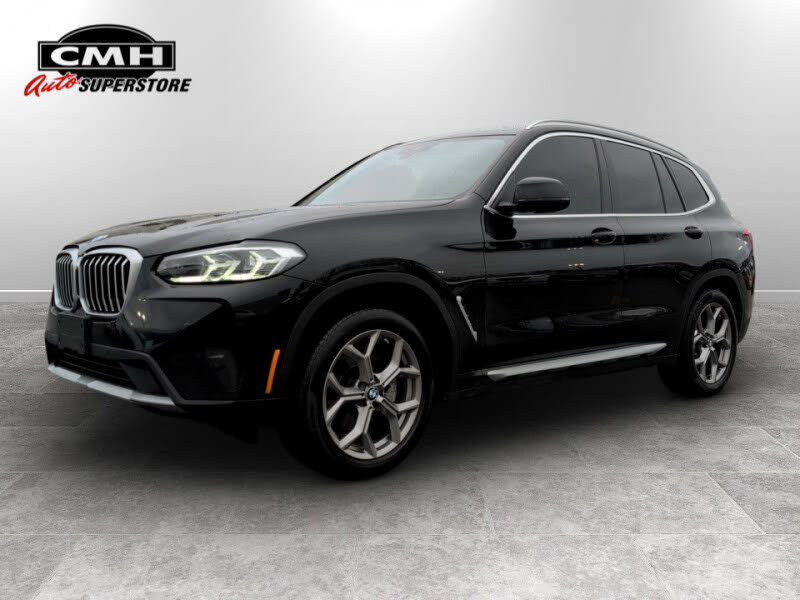
Have you ever owned a crossover? You might be quick to say no, but the answer is almost certainly yes. That’s Canadians drive vehicles daily they believe are SUVs, but by the strictest definition they’re actually crossovers. That Honda CR-V in your driveway, and the Mazda CX-5 and Nissan Rogue down the street? Those are crossovers. Even some larger three-row SUVs are crossovers, like the Hyundai Palisade and Kia Telluride.
Don’t be concerned if you don’t know the difference. The terms SUV and crossover are used interchangeably these days. And the truth is that crossovers are much more practical for the everyday needs of the average Canadian household.
Here’s a look at the contenders for the best crossovers to buy in Canada in 2025. We’ll also explain what a crossover is and why you might want to consider one over an SUV. All of the crossovers below offer all-wheel drive (AWD) — and in many cases it’s standard equipment — and plenty of safety and driver assistance features like blind spot monitoring, rear cross-traffic alert, and automatic emergency braking.
Prices shown include the manufacturer’s suggested retail price (MSRP) plus destination charges and dealer fees, but not options or taxes. While they were current at time of publication, prices are subject to change.
The Best Crossovers to Buy in Canada in 2025
BMW X3
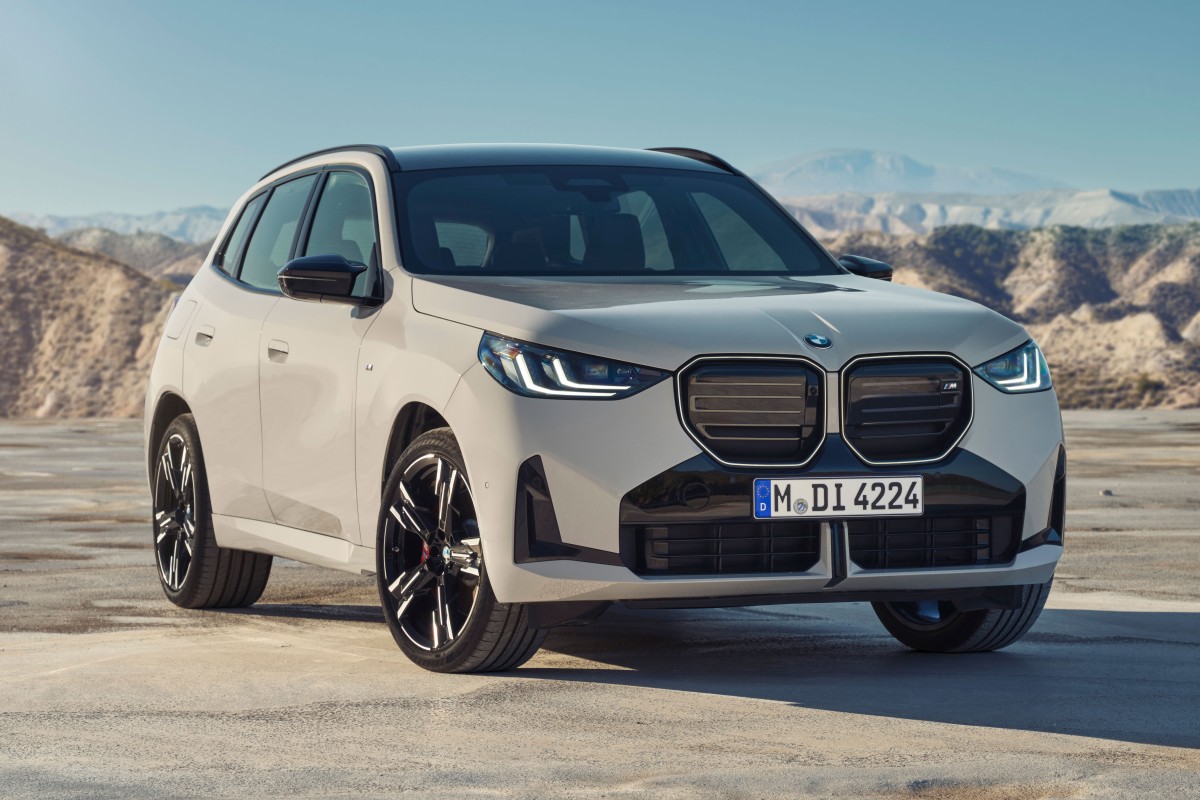
The BMW X3 enters its fourth generation for the 2025 model year, and the changes on the new vehicle bring it in line with the design and features found in the rest of the brand’s line-up. Recessed door handles, an enlarged grille a shift-by-wire gear selector, and twin integrated screens for the digital instrument cluster and the BMW iDrive infotainment system are among the highlights.
Two powertrains are available on the new X3 at launch. In the 2025 BMW X3 30, a 2.0-litre turbocharged four-cylinder engine produces 255 hp and 295 lb-ft of torque. (Note the letter “i” is gone from the trim name; it’s now reserved for electric vehicles in BMW nomenclature.) We’ve tested the 2025 BMW X3 M50 and found its 3.0-litre turbo inline-six making 393 hp and 428 lb-ft of torque to be delightful. Both versions receive an 8-speed automatic transmission and standard all-wheel drive. Fuel economy averages 8.1 L/100 km combined in the X3 30, while the M50 burns 8.6 L/100 km combined. At this stage, it’s not clear which other powertrains we’ll see in this generation, but the ones listed here will make the majority of Canadian luxury-buying households happy. Pricing on the 2025 BMW X3 in Canada starts at $62,157.

Ford Bronco Sport
It may surprise you to learn the Ford Bronco Sport is technically a crossover. We’re not talking about the full-size Ford Bronco here: that’s a purpose-built body-on-frame off-roader. The Bronco Sport has a lot in common with the similarly sized Ford Escape, including its unibody construction. But how can a vehicle be a crossover when it’s built by an automaker that mostly no longer sells cars? Ford does still sell some cars in international markets, and the Baby Bronco shares Ford’s C2 platform with cars like the fourth-generation Ford Focus and the Chinese market’s Ford Mondeo and Lincoln Z.
Starting from $40,790 in Canada before fees, the 2025 Ford Bronco Sport is sold in five trim levels. A refresh for this model year brings a new Sasquatch package for improved off-roading performance as well as safety and tech updates. One place where it differs from a typical crossover is it can be equipped with a 4WD system with a twin-clutch rear drive unit, which is standard equipment on the top Badlands model. The lower four grades come with a 1.5-litre EcoBoost engine producing 181 horsepower and 190 pound-feet of torque, while the top-of-the-line off-roading Badlands grade gets a 2.0-litre EcoBoost making 250 hp and 277 lb-ft of torque. According to Natural Resources Canada, the smaller engine consumes 9.0 L/100 km combined, and the larger one averages 10.2 L/100 km combined.
Search for Ford Bronco Sport
See all
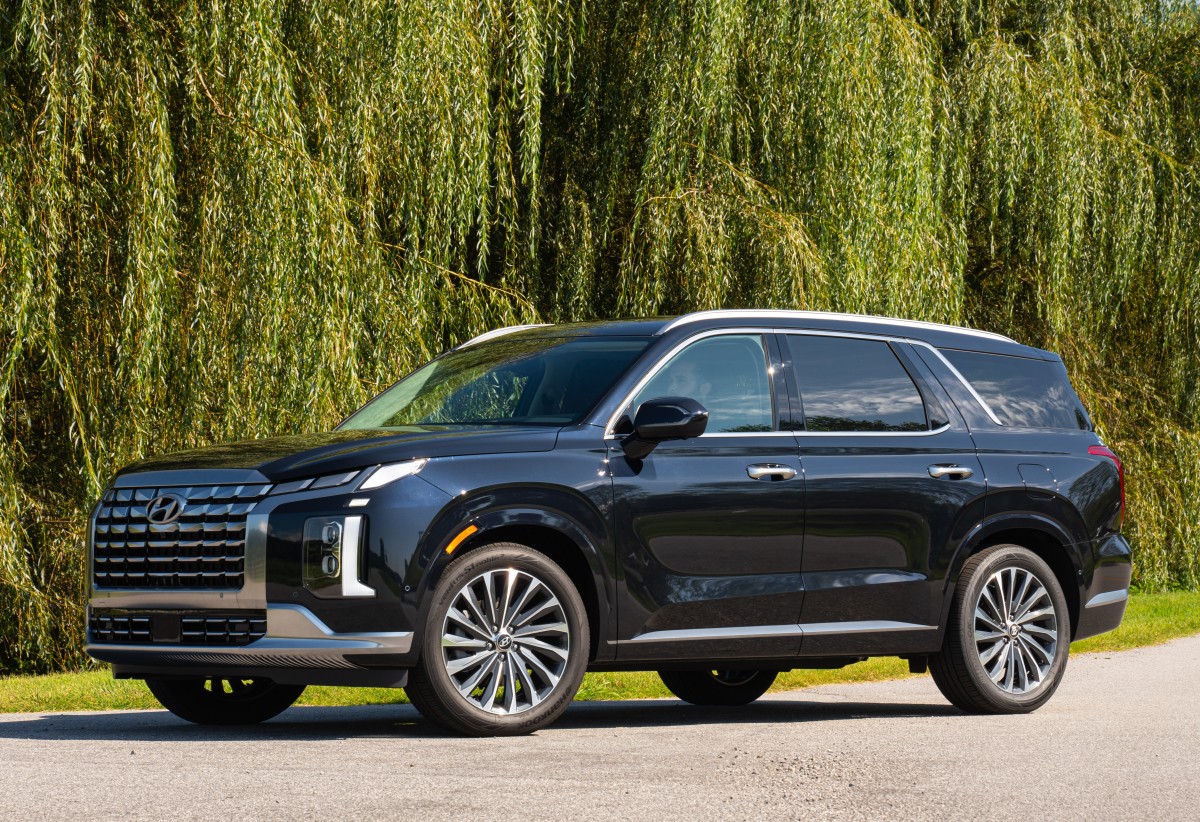
Hyundai Palisade
While the three-row Hyundai Palisade only shares a platform with the very similar Kia Telluride 3-row, it’s still considered a crossover due to its unibody construction and front-wheel drive (FWD) drivetrain configuration. The Palisade is nearing the end of its first generation with a new one rumoured to be arriving in 2026, but it remains a popular and value-packed vehicle with plenty of practicality for larger families.
For 2025, the Hyundai Palisade is offered in Canada in seven- or eight-seat configurations and in four trims: Preferred, Urban, Ultimate Calligraphy, and Ultimate Calligraphy Night. A 3.8-litre V6 produces 291 hp and 262 lb-ft of torque, which pushes through an eight-speed automatic transmission to standard AWD. Fuel efficiency averages 11.1 L/100 km in combined driving. Desirable features such as an eight-way powered driver’s seat, heated front seats, heated outboard second-row seats, a heated steering wheel, and a 12.3-inch infotainment system with Apple CarPlay and Android Auto are standard.
Pricing for the 2025 Hyundai Palisade starts in Canada at $53,234. The aforementioned Kia Telluride is very similar to the Palisade, and we’d recommend it just as readily as one of the best crossovers available in Canada.
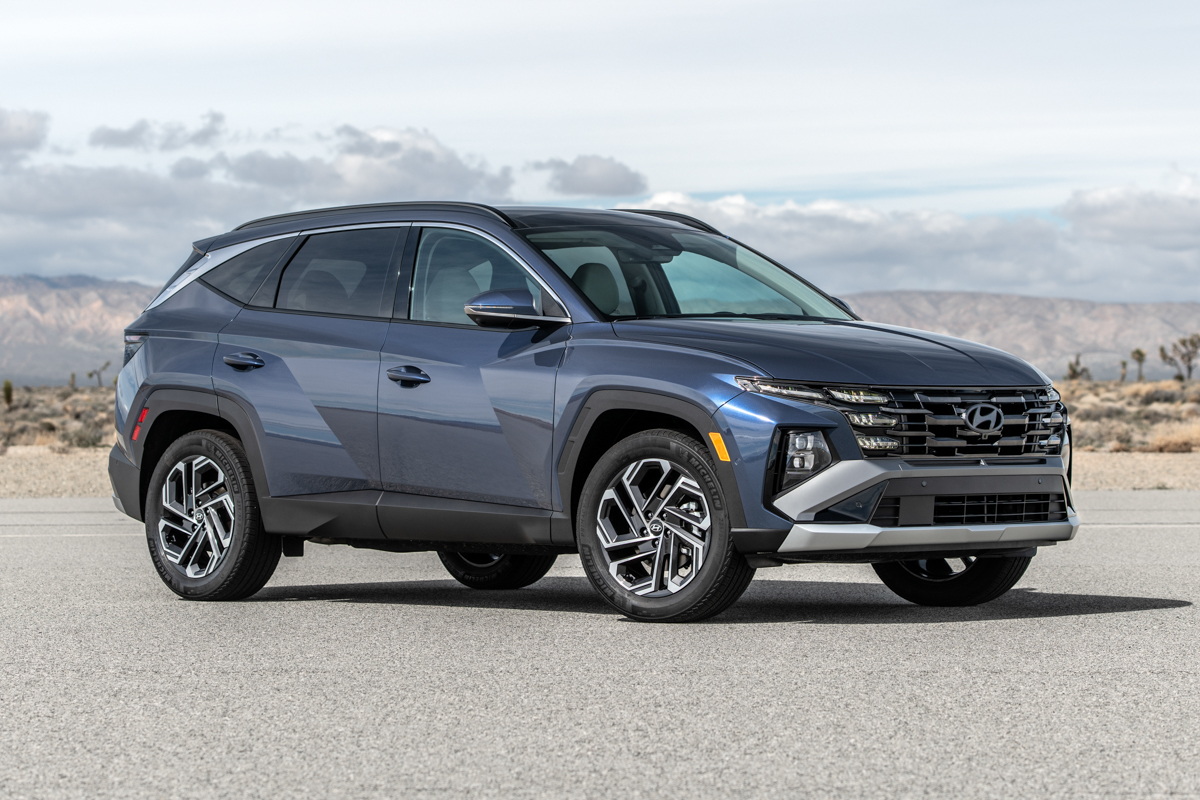
Hyundai Tucson
The Hyundai Tucson is a great example of a crossover that many people call a compact SUV. It’s based on Hyundai Motor Group’s N3 platform, which is also used as the basis for sedans like the Hyundai Sonata and the Kia K5. It’s even the foundation for Hyundai’s compact pick-up, the Santa Cruz. If you’re looking for a compact crossover that will stand out from the crowd, the Tucson is a great bet.
Available in gas, hybrid, and plug-in hybrid variants (like the Kia Sportage to which it’s related, which we also rate among the best crossovers you can buy in Canada for the same reasons), the Tucson has segmented headlamps, edgy styling with deeply creased door panels, and an interior design and quality that reaches well beyond its price point. The 12.3-inch infotainment system spearheaded what has become an industry standard.
In Canada, the Tucson’s base trim is gas-only, powered by a 2.5-litre four-cylinder engine (187 hp, 178 lb-ft, 8.8 L/100 km combined with standard AWD) and starting from $37,184. A new XRT trim addresses the growing trend of ruggedly styled crossovers. The hybrid powertrain starts at the sporty N Line trim, producing a combined system output of 231 hp and 258 lb-ft while averaging 6.7 L/100 km combined. With the hybrid powertrain, the 2025 Hyundai Tucson starts in Canada at a price of $45,884.
The plug-in hybrid version offers up 268 hp, 258 lb-ft of torque, and up to 51 kilometres of electric driving range. The 2025 Hyundai Tucson PHEV is available only in the top Ultimate trim and is priced in Canada from $51,335. However, it qualifies for a $5,000 federal EV purchase rebate as well as additional rebates in some provinces and territories. If you’re searching for a smaller option, consider the Hyundai Kona subcompact crossover.
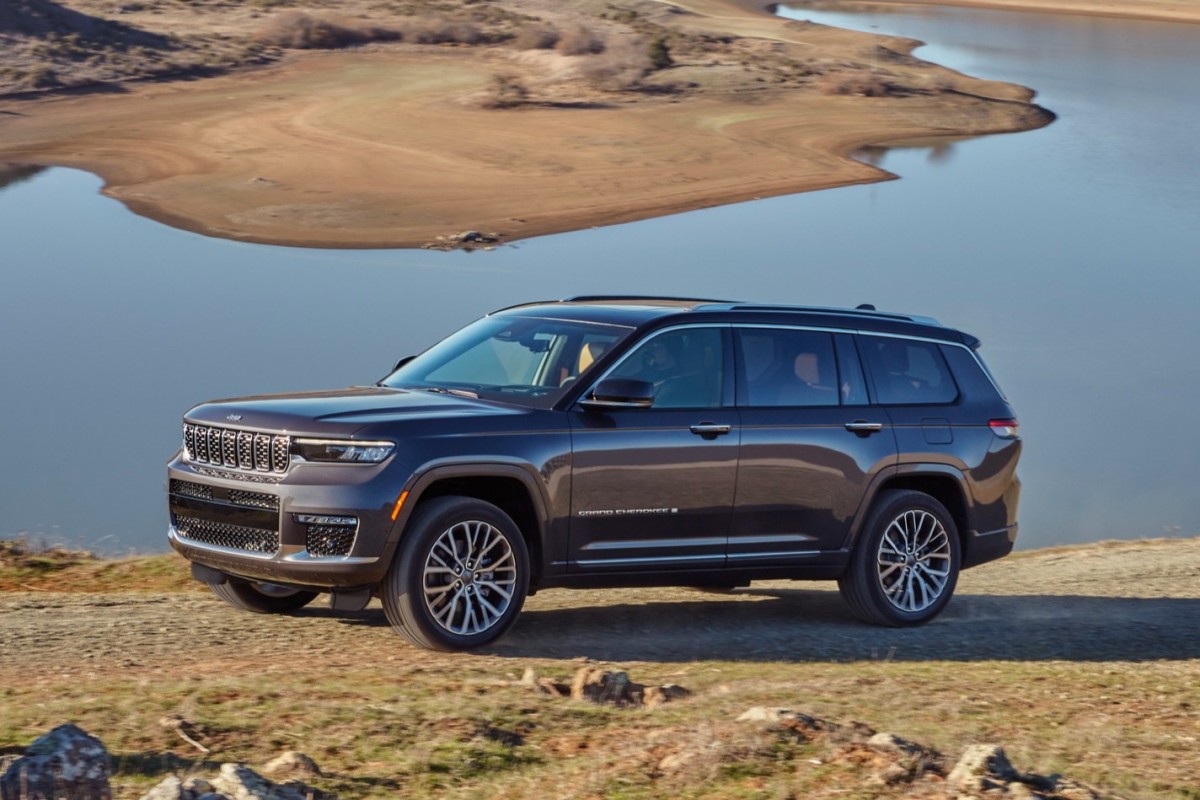
Jeep Grand Cherokee
Here’s another shocker: not only is the Jeep Grand Cherokee technically a crossover today, but it’s always been a crossover since it’s been unibody-based from the start. Today, Jeep’s desire to be a premium brand is evident throughout the current generation’s design, which includes a two-row version and, for the first time, a three-row Jeep Grand Cherokee L with up to seven seats.
As of 2025, the two-row Jeep Grand Cherokee comes with the 3.6-litre Pentastar V6 engine with 293 hp and 260 lb-ft of torque averaging 10.9 L/100 km combined, or you can opt for the plug-in hybrid Jeep Grand Cherokee 4xe with its 42 kilometres of electric range. In the Grand Cherokee L, the V6 is now the default option as of 2025 and averages 11.3 L/100 km.
True to Jeep and counter to the typical crossover, three different 4x4 systems are available offer plenty of versatility and accommodate varying driver needs. Pricing in Canada for the 2025 Jeep Grand Cherokee starts at $60,565, while the 2025 Jeep Grand Cherokee L starts at $62,565.
Search for Jeep Grand Cherokee
See all

Kia Sorento
Earlier, we mentioned that the Hyundai Tucson and Kia Sportage share a platform with the Hyundai Sonata and Kia K5. It turns out the mid-size Kia Sorento is also based on the N3 platform, which makes it a crossover, too. Like the Tucson and Sportage, the Sorento has gas-powered, hybrid, and plug-in hybrid powertrain options at competitive prices. The Kia Sorento comes with a third row, though it’s a bit tighter than in some of its larger counterparts and is best suited to occasional use. But for plenty of households, having a third row on reserve and a practical two-row the rest of the time is a practical setup for a family SUV.
In gas-only form, the 2025 Kia Sorento starts at $41,780 in Canada. It comes with a normally aspirated 2.5-litre four-cylinder engine that creates 191 hp and 181 lb-ft of torque, along with standard AWD and a 9.4 L/100 km fuel consumption average in combined driving. Most higher trims come with a 2.5-litre turbocharged four-cylinder making 281 hp and 311 lb-ft of torque and averaging 10.3 L/100 km combined. The 2025 Kia Sorento Hybrid is a fuel-efficient option, averaging 7.0 L/100 km combined with its 1.6-litre four-cylinder turbocharged engine producing 227 hp and 258 lb-ft of torque. Pricing on the 2025 Kia Sorento Hybrid starts in Canada is actually slightly less than in the gas model, starting from $40,930.
With the 2025 Kia Sorento Plug-in Hybrid, you can benefit from 48 kilometres of electric-only range. Its starting price in Canada is $49,776. Because the Sorento’s average range estimate dipped below 50 kilometres for 2025, it qualifies only for half the federal EV purchase rebate (which is $2,500) as well as partial provincial and territorial rebates where they exist.
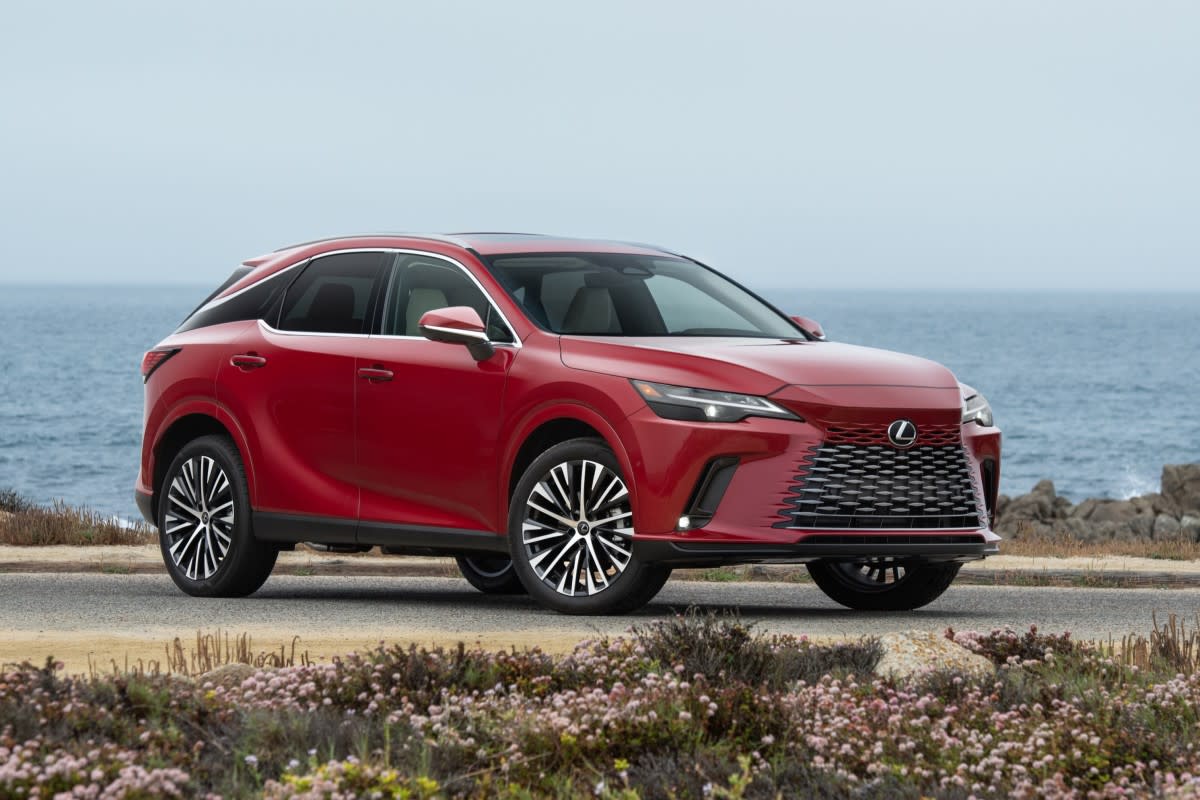
Lexus RX
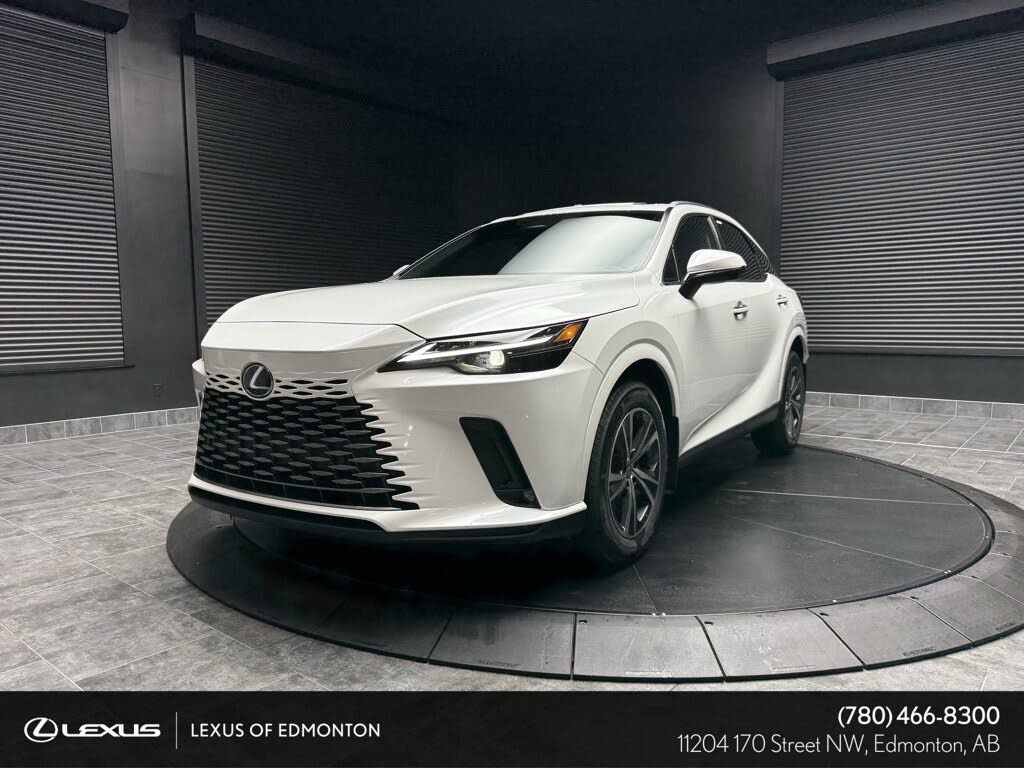
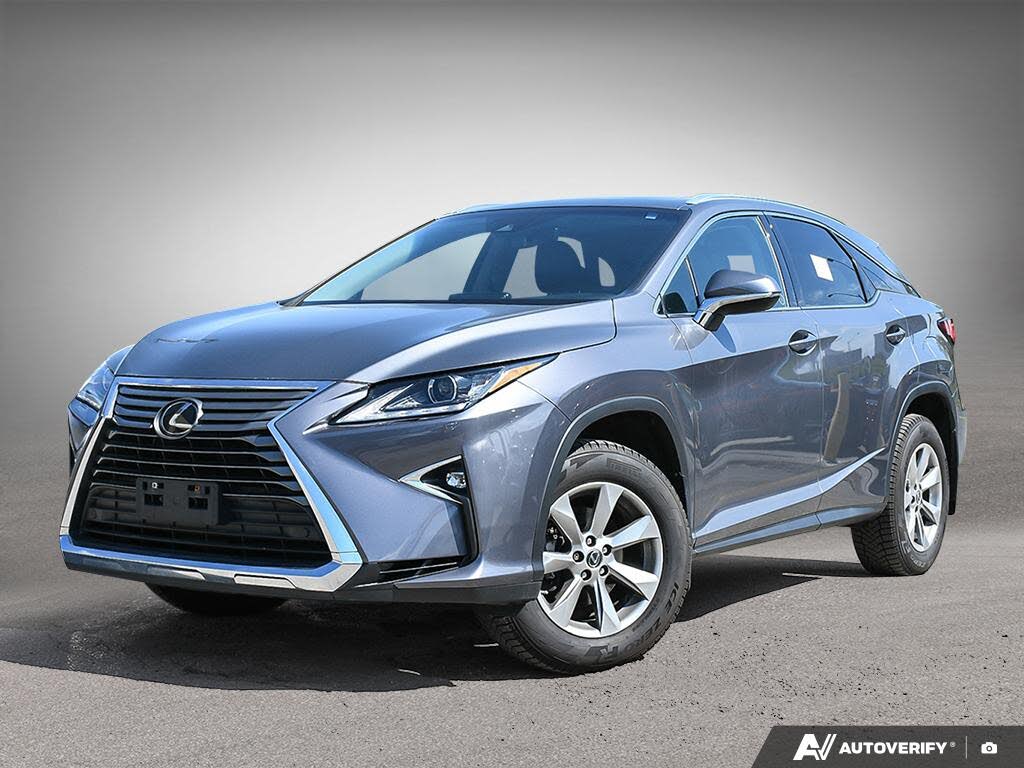
Although the Lexus RX is built on its own at Toyota Motor Manufacturing Canada Cambridge South facility in Ontario, the GA-K platform that underpins it is used in plenty of Toyota and Lexus vehicles sold around the world. The list includes the Toyota Camry, Toyota Crown, and Lexus ES among other vehicles, putting the Lexus RX firmly in crossover territory. The RX luxury SUV-slash-crossover is a perennial bestseller for the Lexus brand in Canada, not only because it’s built domestically but also because it’s practical, affordable, consistently the most reliable in its segment according to J.D. Power, and boasts a Top Safety Pick rating from the IIHS.
The latest generation of the Lexus RX launched within the midsize SUV segment for the 2023 model year with four powertrain options. The gas-only RX 350 produces 275 hp and averages 9.9 L/100 km in combined driving with its 2.4-litre four-cylinder engine and standard AWD.
A pair of hybrids are also available: the efficiency-oriented RX 350h has a total system output of 246 hp and consumes just 6.5 L/100 km combined, while the RX 500h performance model creates a total of 367 hp and averages 8.6 L/100 km combined. In the RX 450h+ plug-in hybrid, you’ll have access to 304 hp and up to 60 kilometres of electric driving per charge.
Pricing for the 2025 Lexus RX in Canada starts at $63,470 for the RX 350, $65,630 for the RX 350h, $85,279 for the RX 500h, and $90,290 for the RX 450h+ PHEV.
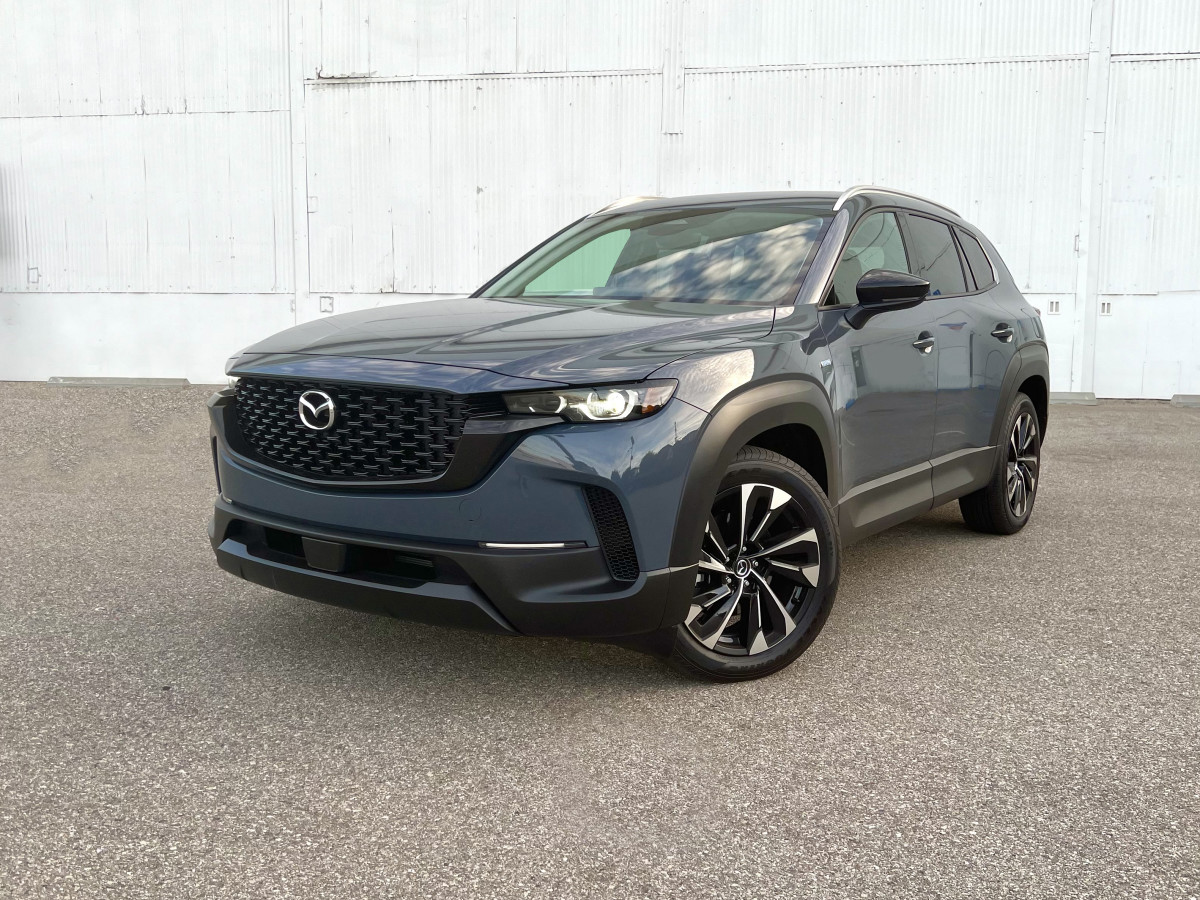
Mazda CX-50
The Mazda CX-50 launched in 2023 with a longer, wider, and lower profile than its slightly smaller sibling, the Mazda CX-5. It’s designed to appeal to compact crossovers buyers who are also outdoor weekend warriors. Since it sits lower to ground than most similarly sized crossovers, it’s easier to strap on adventure gear like bikes or a kayaks. The Meridian Edition adds on 18-inch wheels with Falken all-terrain tires and a variety of available accessories. Powered by a 2.5-litre four-cylinder engine with 187 hp and 186 lb-ft of torque, or an available 2.5-litre turbocharged four-cylinder with up to 256 hp and 320 lb-ft, the CX-50 averages 8.9 and 9.4 litres per 100 kilometres respectively. New for 2025, a Mazda CX-50 Hybrid is available that borrows its powertrain straight out of the popular Toyota RAV4 Hybrid. In Canada, pricing for the 2025 Mazda CX-50 starts at $43,137 for the entry-level GS-L, $53,237 for the Meridian Edition, and $45,837 for the Mazda CX-50 Hybrid. If you enjoy Mazda’s driving dynamics but would prefer to drive something smaller, consider the Mazda CX-30 subcompact crossover.
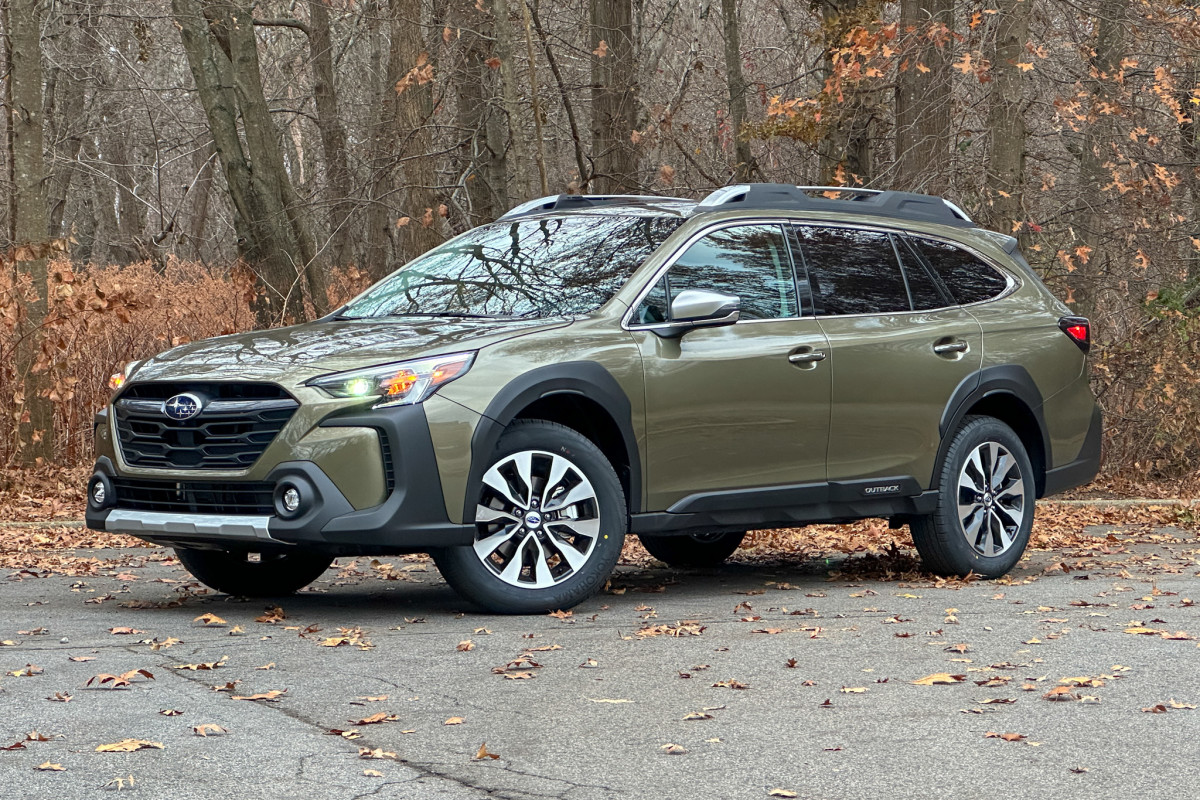
Subaru Outback
The Subaru Outback is a crossover today, sharing much of its componentry with the now-discontinued Subaru Legacy sedan. That wasn’t always the case, though: the Outback started its life as the Legacy’s wagon variant, and that’s a legacy that continues today in its distinctly wagon-like proportions. The Outback has a lower profile than many midsize SUVs and crossovers while still offering an ample 22 centimetres of ground clearance on most models.
The base naturally aspirated 2.5-litre four-cylinder engine produces power specs of 182 hp and 176 lb-ft of torque, while the upgrade 2.4-litre turbocharged four-cylinder makes 260 hp and 277 lb-ft. Fuel consumption figures are 8.3 and 9.5 L/100 km combined respectively.
For those who truly intend to venture off the beaten path, the Subaru Outback Wilderness comes with plenty of off-road capability including 24.1 cm of ground clearance, wipe-clean upholstery, all-terrain tires, and a 10.1 L/100 km fuel economy average. J.D. Power ranks Subaru’s reliability as a brand at roughly average, and the Outback receives the IIHS’s best possible safety rating of Top Safety Pick+.
Pricing for the 2025 Subaru Outback in Canada starts from a new car price of $37,174. For a small SUV—ahem, a small crossover—from the Subaru brand, check out the Subaru Crosstrek, which shares a platform with the Subaru Impreza and WRX. For a more traditional SUV-like design, take a look at the Subaru Forester.
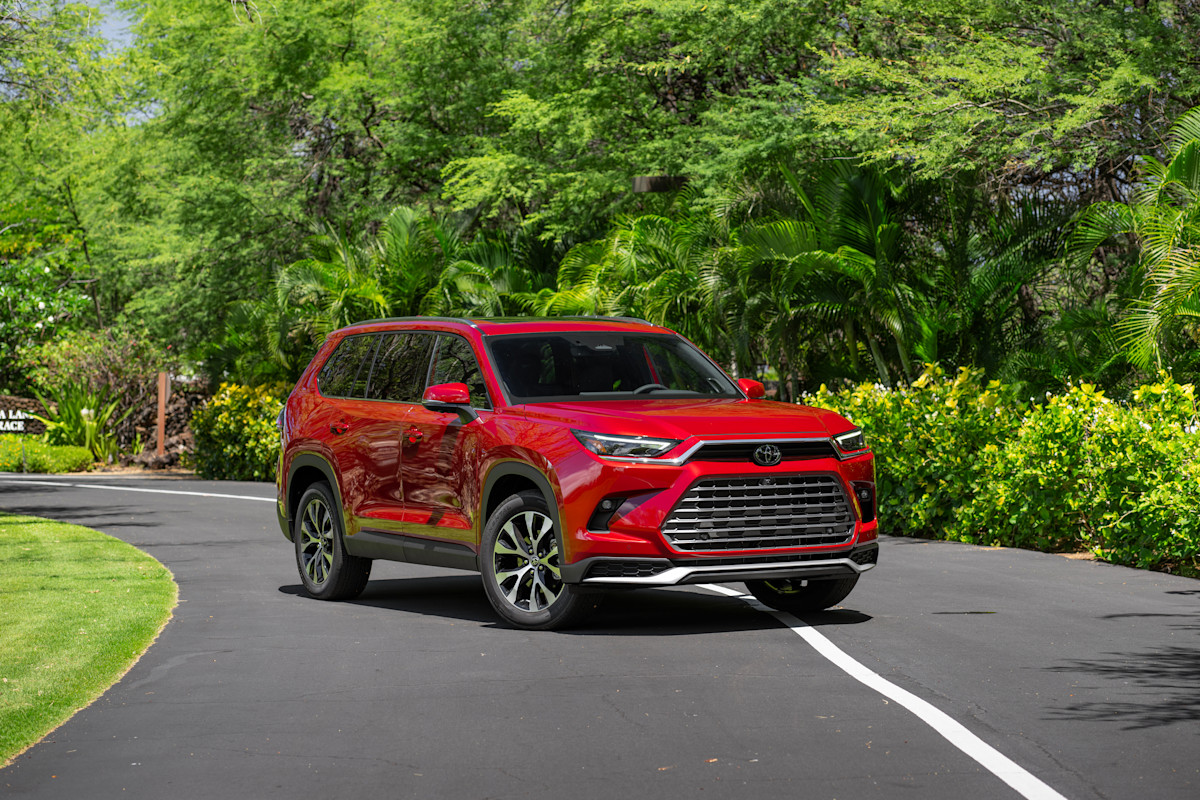
Toyota Grand Highlander
The Toyota GA-K platform that acts as the foundation for the Lexus RX as outlined above is also what supports the new Toyota Grand Highlander, the brand’s all-new mid-size three-row crossover. It’s a roomy option relative to the Toyota Highlander, another GA-K vehicle that has long been valued for its safety and reliability but is tighter on third-row and cargo space, yet impresses with a comfortable ride and a great driving experience despite its size.
Three powertrains are available, each with standard AWD. The base 2.4-litre turbocharged four-cylinder creates 265 hp, averages 10.0 L/100 km in combined driving, and carries a starting price in Canada of $53,555. The 2.5-litre four-cylinder hybrid has 243 combined hp, a fuel consumption average of 7.0 L/100 km combined, and a starting price of $56,855. And the 2.4-litre turbo four-cylinder Hybrid Max powertrain blends a total system power output of 362 hp, an average fuel efficiency of 8.8 L/100 km combined, and a price starting from $68,515 in Canada.
Yet another vehicle based on the GA-K platform is the all-new Lexus TX, which puts a luxury badge on many of these same features. It’s worth considering if you’re looking for prestige and have a higher budget.
Search for Toyota Grand Highlander
See all
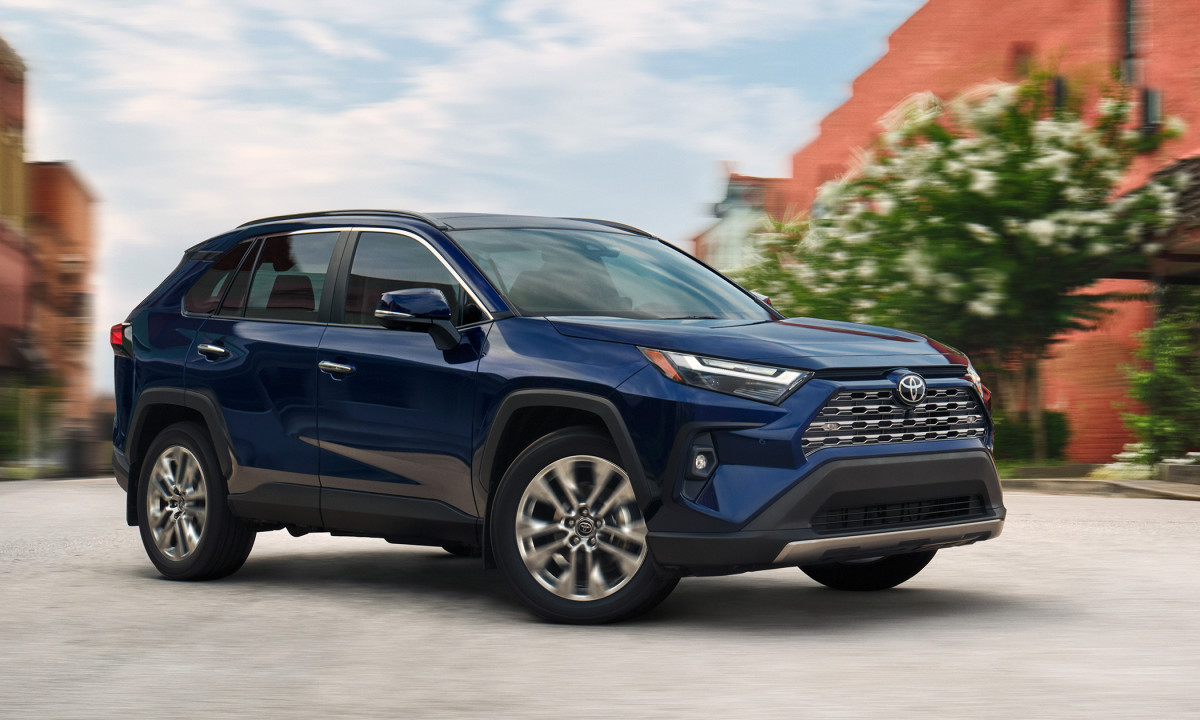
Toyota RAV4
No list of the top crossovers in Canada would be complete without the Toyota RAV4. This is another vehicle based on Toyota’s GA-K platform, and like the Lexus RX, it’s also assembled in Canada at Toyota’s Cambridge North facility. Like many other GA-K vehicles, the Toyota RAV4 is available in gas-powered, hybrid, and plug-in hybrid models, all of which come with an outstanding suite of standard safety features.
On the gas-powered variant, you’ll get a 2.5-litre four-cylinder engine, 203 hp, AWD as a standard feature in Canada, and a starting price of $36,620. The RAV4 Hybrid comes with an electrified version of the 2.5-litre four-cylinder powertrain, standard electric AWD, a total system output of 219 hp, and a starting Canadian price of $39,570. The Toyota RAV4 Plug-in Hybrid, formerly known as the Toyota RAV4 Prime, offers up to 68 kilometres of electric autonomy from a full charge in addition to 302 total hp and standard AWD. Its Canadian starting price of $54,780 allows it to qualify for the federal government’s $5,000 EV purchase incentive as well as provincial and territorial rebates where they exist. The current-generation RAV4 is winding down, and a new one is expected to launch for the 2026 model year.
FAQs
What is a crossover car?
Strictly speaking, a crossover is defined as a vehicle that is built on a car-based platform but has been lifted and made taller to resemble an SUV. It’s common for the terms crossover and SUV to be used interchangeably, so you’ll regularly see vehicles that are technically crossovers referred to as SUVs.
What is the difference between an SUV and a crossover?
A true traditional SUV is built on a body-on-frame truck platform. This makes a vehicle especially rugged and durable and allows for a very capable four-wheel drive (4WD) system to be equipped. A crossover SUV is built on a car-based unibody platform. It typically handles more like a car than a truck and is most often equipped with all-wheel drive (AWD) rather than four-wheel drive. For more information, see our guide: AWD vs 4WD: What’s the Difference?
What are the advantages of a crossover versus an SUV?
Crossovers are often more suitable than traditional SUVs to be urban or suburban family vehicles. They offer AWD and more ground clearance than a car but are easier to maneuver and have a smaller vehicle footprint than a body-on-frame SUV.
Note: Prices listed include destination charges and all declared dealer fees. While pricing is accurate as of publication time, it is subject to change. Images may show US models.
Related Topics: