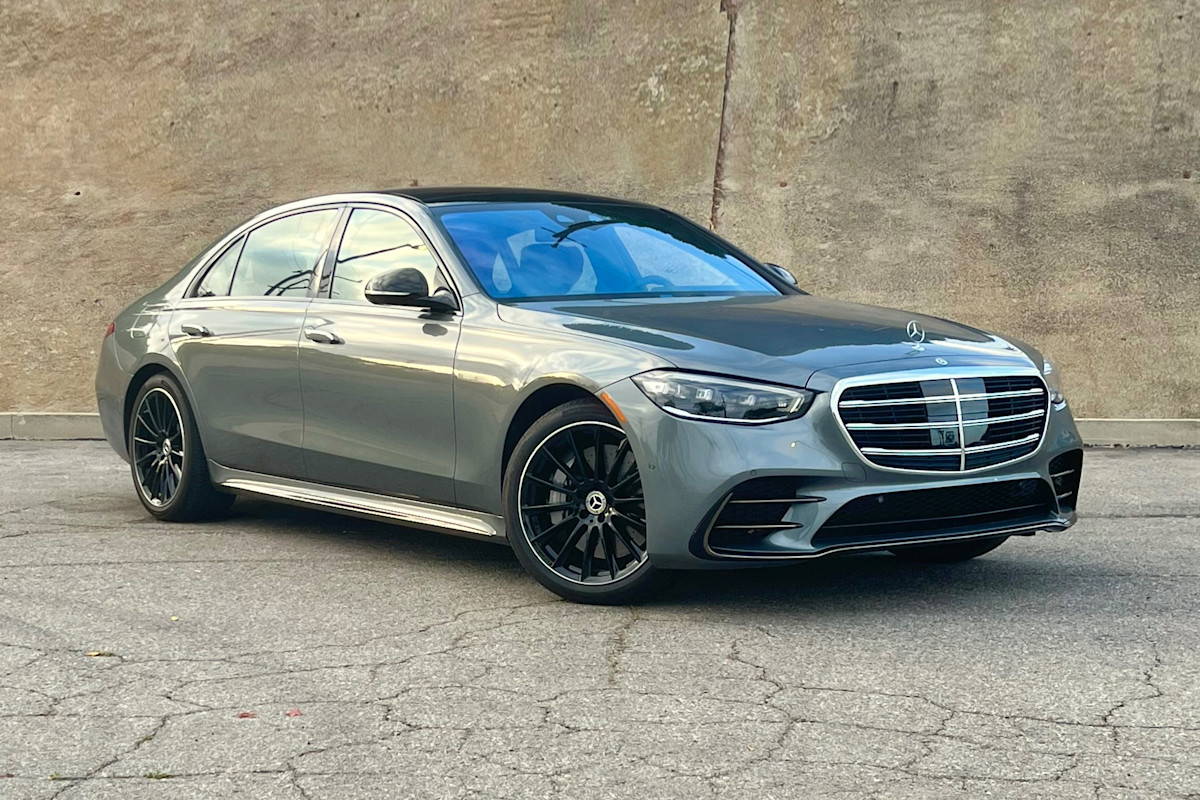
Audi’s gorgeous fastback sedan, the 2026 RS 7, lives on for another high-spirited year, even as its A7 and S7 counterparts have been buried in the automotive graveyard.
2026 Audi RS 7 Pricing, Specs, and Release Date
- What’s New for the 2026 Audi RS 7
- Design
- Powertrain
- Interior
- Technology
- Safety
- Pricing and Release Date
- Further Research

What’s New for the 2026 Audi RS 7
The RS 7 is a case of dead car walking, as its A7 and S7 siblings have been replaced by the A6 e-tron. The RS 7 has an eclectic counterpart in the RS e-tron GT. For 2026, the Audi RS 7 carries over largely unchanged.
Design
Audi calls the RS 7 a five-door coupe, the European term for a four-door sedan with a beautifully curved sloping roof that tapers into a hatchback rear. It’s stately but striking with a broad honeycomb grille, large air intakes, razor-sharp lighting, and 21-inch wheels that can be upgraded to 22-inchers to flex its near supercar-like performance. There’s only one trim but options abound, from a Carbon matte optics package with summer performance tires to a sport suspension and available ceramic brakes.
Powertrain
The RS 7 employs a twin-turbocharged 4.0-litre V8 that roars. It generates 621 horsepower and 627 pound-feet of torque, and it hits 100 km/h in an Audi-estimated 3.4 seconds. Speed tops out at 280 km/h. The telepathic eight-speed automatic routes the prodigious power to Audi’s Quattro all-wheel-drive (AWD) system. The air spring suspension matches the performance profile, as does the available sport rear differential and all-wheel steering. The optional carbon ceramic brakes arrest such quick stepping. All this performance in a fairly large sedan results in Natural Resources Canada rating of 16.5 litres per 100 kilometres in the city, 10.7 on the highway, and 13.9 L/100 km combined.

Interior
Inside, rich quilted leather blends with metallic touch points, but the RS 7's cockpit is almost austere by luxury standards. It has the expected comforts such as a panoramic sunroof, quad-zone automatic climate control, LED ambient cabin lighting, heated and ventilated front seats, heated outboard rear seats, and a heated steering wheel. The rear technically seats three, but only two can sit there comfortably. The RS 7 has 697 litres of cargo space in the deep but short cargo area, and it can expand further with the 40/20/40 rear seatbacks folded down.
Technology
Though the interior materials lack some top-shelf refinements of rivals, Audi makes up for it with relatively user-friendly technology. The stacked infotainment system consists of an upper 10.1-inch touchscreen for the navigation system, audio controls, multimedia, and wireless Apple CarPlay and Android Auto. A lower 8.6-inch touchscreen, boasting the best haptic feedback we've experienced, operates the climate control, heated seats, and other vehicle settings. A 19-speaker Bang & Olufsen premium audio system is available.
Safety
The 2026 RS 7 comes equipped with standard driver assistance features such as forward collision warning, automatic emergency braking, front and rear parking sensors, lane departure warning, adaptive cruise control, automatic high beams, and a surround-view camera system. Crash test ratings are not currently available.

Pricing and Release Date
In Canada, pricing for the 2026 RS 7 starts at $147,540, not including the $2,850 destination charge, the federal luxury tax (which will set you back at least $10,198), and other fees. A package treats the interior to red ($3,000) or blue accents ($3,500), and Audi charges $10,500 for the ceramic brakes.